Complete Guide to Noboribetsu Jigokudani: Hokkaido’s Premier Hot Spring and Spectacular Scenery
Jigokudani (Hell Valley), located at the heart of Noboribetsu Onsen, Hokkaido’s representative hot spring resort, is a magnificent natural landscape created by volcanic activity. With approximately 3,000 liters of hot spring water gushing forth every minute, the sight of sulfurous odors and white steam rising is truly worthy of the name “Hell.” This article provides a comprehensive explanation of Jigokudani’s attractions and practical tourism information you should know before visiting.
What is Jigokudani: A Living Museum of Hokkaido’s Volcanic Activity
The Formation and Geological Features of Jigokudani
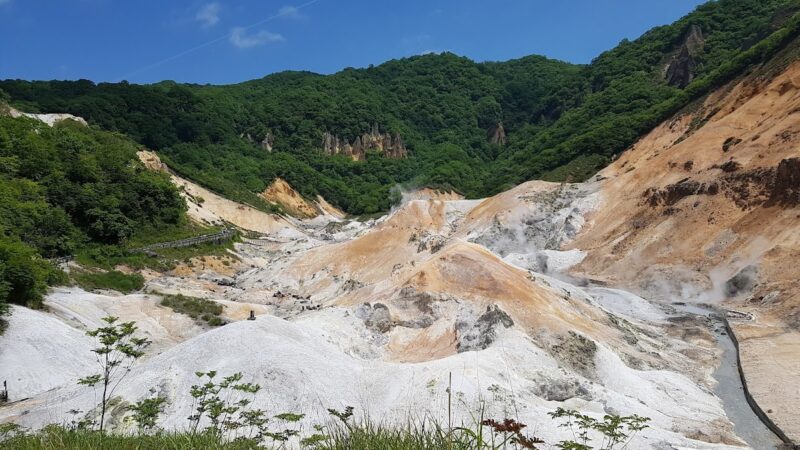
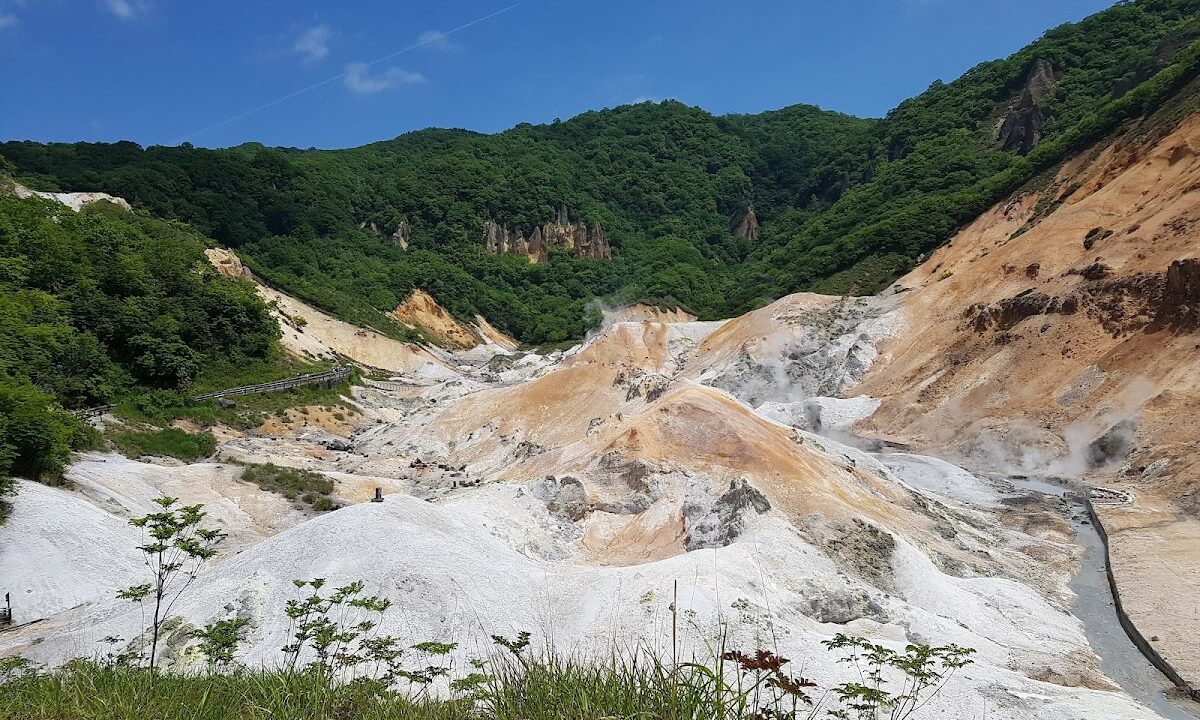
Jigokudani is the crater left by the eruption of Mount Kasayama approximately 10,000 years ago, forming a massive phreatic explosion crater spanning about 450 meters in diameter with an area of approximately 11 hectares. Volcanic activity remains active today, with high-temperature hot springs and volcanic gases continuously venting from various points on the surface.
Underground, different types of hot springs coexist—sulfur springs, salt springs, alum springs, green vitriol springs, and iron springs—making this location globally rare for its concentration of diverse spring qualities. This abundant hot spring resource is why Noboribetsu Onsen is called the “department store of hot springs.”
Why It’s Called “Jigokudani” (Hell Valley)
The barren rocky surface, ceaselessly rising white steam, pungent sulfurous smell, and erupting high-temperature hot springs evoked Buddhist imagery of hell, leading to the name “Jigokudani.” The scenery, especially when illuminated at dusk or night, creates a mystical yet awe-inspiring atmosphere.
The Ainu people historically called this place “Nupur-Pet” (colored river), and while respecting the geothermal benefits, they regarded the volcano’s power with reverence.
Jigokudani’s Highlights: Complete Guide to Must-See Spots
Panoramic Views from the Observation Deck
The observation deck near Jigokudani’s entrance is an excellent viewpoint for surveying the entire valley. The view is spectacular, featuring countless vents rising from the valley floor, discolored rock faces, and primeval forest stretching into the distance in striking contrast.
Early morning is particularly ideal for viewing clearer vents and photography. During autumn’s foliage season, surrounding trees turn vibrant colors, creating beautiful contrasts with the rugged landscape of Jigokudani.
Walking Trail Exploration: Experiencing Jigokudani Up Close
Maintained walking trails surround Jigokudani, completing a loop in approximately 10 to 20 minutes. Walking the trails allows close observation of vents and hot spring outlets, letting you feel the earth’s pulse firsthand.
The highlight is the “Iron Spring Pool” area, where reddish-brown iron-rich hot water is visible. There’s also a path continuing to “Oyuonuma,” so those with extra time should venture that way.
Oyuonuma: A Massive Hot Spring Lake with 1km Circumference
Located about 15 minutes’ walk from Jigokudani via walking trail, Oyuonuma is a crater lake with approximately 1 kilometer circumference and about 22 meters depth. Its surface temperature reaches 40-50 degrees Celsius, while the bottom reaches approximately 130 degrees, with grayish-black boiling water erupting.
Walking trails maintain the lake’s perimeter, where rising steam and sulfurous aroma enhance the hot spring atmosphere. Winter particularly showcases a fantastical landscape where surrounding snow and steam interweave.
Oyuonuma River Natural Foot Bath: Free Natural Bounty
The Oyuonuma River flowing from the lake features natural foot bath spots. As the lake’s hot spring water flows into the river, it reaches an ideal temperature for free foot bathing.
It’s perfect for soothing tired feet after exploration, and forest bathing combined with foot soaking is exceptional. However, temperatures vary by location, so avoid overly hot areas. Bringing a towel is recommended.
Jigokudani Through the Seasons: Seasonal Charm
Spring (April-June): Snowmelt and Fresh Greenery Season
Spring’s Jigokudani sees activity intensify with snowmelt, with vents rising more vigorously. From late April through May, snow remnants and new green create beautiful contrast, allowing enjoyable walks in refreshing air.
Though Golden Week crowds increase, early morning and evening visits remain relatively quiet, perfect for savoring nature peacefully.
Summer (July-August): Lush Refuge from Heat
Summer’s Noboribetsu offers refreshing Hokkaido-like climate ideal for escaping heat. Surrounding forests deepen to dark green, emphasizing contrast with Jigokudani’s barren landscape.
Extended daylight allows evening exploration. However, it’s peak tourist season, so weekday visits are recommended for avoiding crowds.
Autumn (September-November): Peak Foliage Season
Autumn is Jigokudani’s best season. From late September through mid-October, surrounding trees turn red and golden, adding color to Jigokudani’s rugged landscape.
Early October marks foliage peak, with views from the observation deck breathtakingly beautiful. Cool mornings and evenings render vents more vivid, providing optimal photography conditions.
Winter (December-March): Fantastical Snow and Ice World
Winter’s Jigokudani charms through snowy landscapes and steam creating fantastical scenery. White snow-covered earth with rising steam offers ink-wash painting-like beauty.
February hosts the “Noboribetsu Hot Spring Festival,” with various events around Jigokudani. However, trails become slippery from snow and ice, requiring winter boots and cold protection.
Access Information: Complete Guide to Reaching Noboribetsu Jigokudani
Airplane Access
From New Chitose Airport
- JR Airport Express to “Noboribetsu Station” approximately 50 minutes (approximately 1 hour 30 minutes via Sapporo)
- From Noboribetsu Station, Donan Bus “Noboribetsu Onsen” line approximately 15 minutes to “Noboribetsu Onsen Bus Terminal,” then 10 minutes on foot
- Direct taxi from airport approximately 1 hour, 15,000-20,000 yen
Train Access
From Sapporo
- JR Limited Express Hokuto/Suzuran to “Noboribetsu Station” approximately 1 hour 10 minutes
- From Noboribetsu Station via bus or taxi to Noboribetsu Onsen
From Hakodate
- JR Limited Express Hokuto to “Noboribetsu Station” approximately 2 hours
Bus Access
Donan Bus operates approximately 10 daily buses from Noboribetsu Station to Noboribetsu Onsen. One-way fare is 340 yen, approximately 15 minutes. Buses arrive at Noboribetsu Onsen Bus Terminal, approximately 10 minutes on foot to Jigokudani.
Car Access
From Sapporo area
- Doo-oh Expressway “Noboribetsu East IC” approximately 10 minutes
- Via general road (National Route 36) approximately 1 hour 30 minutes
From New Chitose Airport
- Via Doo-oh Expressway approximately 1 hour
Multiple paid parking areas surround Jigokudani, charging approximately 500 yen daily. Hot spring resort parking often becomes congested, so early arrival is recommended.
Practical Information for Jigokudani Tourism
Operating Hours and Admission
Jigokudani is open 24/7, 365 days free of charge. However, limited nighttime lighting makes daytime visits safer. Night illumination operates from sunset to approximately 21:30, creating a mystical atmosphere.
Recommended Time Allocations
- Observation deck views only: 15-20 minutes
- Jigokudani trail loop: 30-40 minutes
- Round trip to Oyuonuma: 60-90 minutes
- Complete experience including foot bathing: 120+ minutes
Plan with ample time flexibility.
Clothing and Gear Recommendations
Basic Equipment
- Comfortable walking shoes (sneakers or trekking boots)
- Seasonal clothing (layering pieces are convenient)
- Beverages (especially summer)
- Towel (for foot bathing)
Seasonal Additional Gear
- Spring/Autumn: Light jacket, hat
- Summer: Sunscreen, insect repellent spray, hat
- Winter: Warm clothing, gloves, scarf, slip-resistant shoes
Precautions and Safety Measures
- Never venture beyond barriers: Ground surface temperatures are high, risking burns
- Beware sulfurous gas: Those with asthma or respiratory conditions should be cautious
- Watch footing on slippery areas: Especially in rain or winter
- Manage valuables: Watch for pickpockets in crowds
- Anticipate weather changes: Mountain areas experience rapid weather shifts
Noboribetsu Onsen: Surrounding Hot Spring Facilities
Day-Use Hot Spring Facilities
Daiichi Takimoto Hall
Noboribetsu’s largest facility, featuring 7 spring types and 35 baths. Day-use bathing available, ideal for soothing muscles after Jigokudani exploration.
- Hours: 9:00-16:00 (last entry 15:00)
- Rates: Adults 2,000 yen, children 1,000 yen
Hotel Mahoroba
Large facility with 4 major baths and 31 varied baths. Outdoor baths offer seasonal nature views.
- Day-use: 13:00-18:00
- Rates: Adults 1,800 yen, children 900 yen
Yume-moto Sagiriyu
Public bathhouse near Noboribetsu Onsen Bus Terminal, affordable spring bathing. Local patronage creates authentic atmosphere.
- Hours: 7:00-22:00
- Rates: Adults 490 yen, children 180 yen
Spring Quality Characteristics and Benefits
Noboribetsu features 9 spring types, each with distinct benefits.
- Sulfur spring: Effective for skin conditions, rheumatism, diabetes
- Salt spring: Effective for poor circulation, wounds, burns
- Alum spring: Effective for skin conditions, chronic eczema
- Glauber spring: Effective for hypertension, arteriosclerosis
- Green vitriol spring: Effective for anemia, chronic eczema
- Iron spring: Effective for anemia, rheumatism
- Acidic spring: Effective for fungus, eczema
- Soda spring: Effective for stomach conditions, skin diseases
- Radium spring: Effective for gout, arteriosclerosis
Surrounding Attractions: Must-See Sites with Jigokudani
Noboribetsu Bear Park
Located about 5 minutes by car from Jigokudani, accessible via ropeway to the mountaintop. Approximately 70 brown bears are kept, offering feeding experiences and education on bear ecology.
Mountain-top views showcase Kutcharo Lake and Pacific vistas, with the “Yucara-no-sato” Ainu culture center also on-site.
- Hours: 8:30-16:30 (varies seasonally)
- Rates: Adults 2,650 yen, children 1,350 yen
- Includes ropeway roundtrip
Noboribetsu Marine Park Nixe
Aquarium styled after Scandinavian castle, displaying approximately 400 species and 20,000 marine creatures. Popular family attractions include penguin parades and dolphin shows.
About 15 minutes by car from Jigokudani, 5 minutes on foot from Noboribetsu Station.
- Hours: 9:00-17:00 (varies seasonally)
- Rates: Adults 2,500 yen, children 1,300 yen
Kutcharo Lake
Caldera lake approximately 20 minutes by car from Noboribetsu Onsen, with 8-kilometer circumference. High transparency makes it among Japan’s most beautiful lakes.
Observation decks offer views of the deep blue lake and surrounding primeval forest. Autumn foliage especially attracts photography enthusiasts.
Orofure Pass Observation Point
Located at the pass summit connecting Noboribetsu and Soubetsu, offering views of Mount Yotei, Lake Toya, and the Pacific on clear days. The 930-meter elevation provides cool summer comfort, though winter access may be restricted.
Gourmet Information Around Jigokudani
Hot Spring Resort Specialty Dishes
Enma Yakisoba
Noboribetsu Onsen’s signature B-class gourmet, characterized by bright red ultra-spicy fried noodles. Multiple vendors offer variations, with adjustable spice levels accommodating heat-averse diners.
Onsen Ichiba
Dining spot near Noboribetsu Onsen Bus Terminal serving fresh Hokkaido seafood bowls and set meals. The “Noboribetsu Seafood Bowl” notably showcases local catches.
Noboribetsu Milk Castella
Castella cake using Noboribetsu milk, offering fluffy texture and gentle sweetness. Available at souvenir shops, popular as gifts.
Recommended Restaurants
Ajino Daio Noboribetsu Onsen Branch
Established ramen shop known as curry ramen origin. Spicy curry broth and noodles pair excellently, warming the body after cold exploration.
Restaurant Bouro
Restaurant within Daiichi Takimoto Hall offering Hokkaido ingredient buffet dining. Open to non-guests, with lunch particularly economical.
Accommodations: Choosing Your Jigokudani Tourism Base
Luxury Ryokans and Hotels
Noboribetsu Grand Hotel
Closest location to Jigokudani, with rooms and outdoor baths viewing the landscape. Dinners feature Hokkaido kaiseki cuisine.
Takinoya
Historic ryokan founded 160+ years ago, known for premium service and cuisine. All rooms command Jigokudani views, offering serene atmosphere.
Mid-Range Hotels
Hotel Yumoto Noboribetsu
Family-popular hotel featuring spacious baths and diverse meal buffets. Excellent cost performance for casual hot spring vacations.
Noboribetsu Onsen-gou Takinoya Annex Tamayu
Takinoya’s sister establishment, offering more affordable rates. Equivalent spring quality with casual atmosphere for selective guests.
Budget Accommodations
Guesthouse Setsugetsu-ka
Popular with solo travelers and backpackers, offering dormitory and private rooms. Shared kitchen and lounge facilitate guest interaction.
Jigokudani Tourism Model Courses
Day-Trip Course (Approximately 5 hours)
9:00 Arrival at Noboribetsu Onsen Bus Terminal
9:15 Commemorative photos at observation deck
9:30 Begin Jigokudani trail exploration
10:00 Oyuonuma arrival and exploration
10:30 Rest at Oyuonuma River foot bath
11:30 Lunch at hot spring resort (Enma yakisoba, etc.)
13:00 Day-use hot spring bathing
14:30 Hot spring resort exploration, souvenir shopping
15:00 Noboribetsu Onsen Bus Terminal departure
1-Night-2-Day Course
Day 1
13:00 Noboribetsu Onsen arrival, hotel check-in
14:00 Jigokudani exploration (observation deck, trails, Oyuonuma)
16:00 Hotel hot spring bathing
18:00 Dinner
20:00 Night Jigokudani illumination viewing
21:00 Hotel bedtime
Day 2
7:00 Morning bath
8:00 Breakfast
10:00 Check-out
10:30 Noboribetsu Bear Park visit
13:00 Noboribetsu Marine Park Nixe viewing
15:00 Departure
2-Night-3-Day Comprehensive Course
Day 1
Afternoon arrival, Jigokudani exploration, hot spring, nighttime illumination
Day 2
Morning: Kutcharo Lake and Orofure Pass observation drive
Afternoon: Noboribetsu Bear Park, hot spring resort exploration
Evening: Hot spring, dinner
Day 3
Morning: Noboribetsu Marine Park Nixe
Afternoon: Souvenir shopping, departure
Jigokudani’s History and Culture
The Ainu People and Noboribetsu
Noboribetsu’s name derives from Ainu “Nupur-Pet” (colored river). The Ainu people historically utilized the area’s hot springs, prizing them as medicinal baths.
Ainu culture remains strong in Noboribetsu today, with “Yucara-no-sato” at Noboribetsu Bear Park displaying traditional dwellings, crafts, and dances.
Hot Spring Development History
Noboribetsu Onsen’s formal development began during the Meiji period. The first spa opened in 1858 (Ansei 5), with Takimoto Kinsaku opening a hot spring inn in 1869 (Meiji 2), predecessor to current Daiichi Takimoto Hall.
The 1915 opening of the Noboribetsu Onsen tramway greatly improved access. Post-war development established it as Hokkaido’s premier hot spring resort, currently welcoming approximately 3 million annual visitors.
Noboribetsu Onsen’s Festivals and Events
Noboribetsu Onsen Hot Spring Festival (early February)
Noboribetsu’s largest event celebrating hot spring blessings. The main “hot water splash battle” showcases fierce imagery of participants in severe cold wielding hot spring water.
Hell Valley Demon Fireworks (Thursday-Friday, June-August)
Summer-exclusive event featuring hand-held fireworks displays in Jigokudani. Demon-costumed performers create a mystical atmosphere.
Enma King Mechanical Float (daily)
The Enma Hall in the hot spring resort’s center features mechanical transformation displays 6 times daily, a popular photo spot.
Photography Spots and Instagram-Worthy Locations
Best Timing for Scenic Photography
Morning (6:00-8:00)
Fewer tourists and Jigokudani illuminated by sunrise creates mysterious atmosphere. Vents appear most vivid at this time.
Evening (16:00-18:00)
Sunset-painted Jigokudani presents entirely different character from daytime. Orange light illuminating rock faces creates fantasy.
Night (sunset-21:30)
Illuminated Jigokudani offers different beauty from daytime’s intensity. Long-exposure captures fantastical steam flow.
Recommended Shooting Angles
- Full view from observation deck: Classic overhead perspective
- Close-ups from trails: Detailed vent and spring outlets
- Oyuonuma reflections: Lake surface capturing atmosphere
- Foot bath perspectives: Forest backdrop while soaking
- Autumn foliage combinations: Seasonal color contrast
Budget Estimates for Jigokudani Tourism
Day-Trip Budget
- Transportation (Sapporo roundtrip): JR express about 5,000 yen, buses about 700 yen
- Lunch: 1,000-2,000 yen
- Day-use hot spring: 1,500-2,000 yen
- Souvenirs: 1,000-3,000 yen
- Total: approximately 9,000-13,000 yen
1-Night-2-Day Budget
- Transportation: same as above
- Lodging: 10,000-30,000 yen (with 2 meals)
- Lunch: 1,000-2,000 yen
- Attraction admission: 2,000-3,000 yen (bear park, etc.)
- Souvenirs: 2,000-5,000 yen
- Total: approximately 25,000-50,000 yen
Money-Saving Tips
- Use advance bookings and package tours: Significant lodging discounts possible
- Visit weekdays: Weekend and holiday rates higher
- Use public baths: More affordable than hotel day-use fees
- Choose self-catering accommodations: Guesthouses reduce meal costs
- Share rental cars: Multi-person cost-splitting economizes transportation
Frequently Asked Questions and Answers
Q: Can Jigokudani be enjoyed on rainy days?
A: Visitation is possible, but trails become slippery requiring caution. Bring rain gear and grip shoes. Rain actually creates more mystical vent visuals.
Q: Is it safe for families with children?
A: Trails are well-maintained, accommodating young children. However, maintain constant supervision and hold hands, staying inside barriers. Some trail sections prove difficult with strollers.
Q: Can pets accompany visitors?
A: Jigokudani trails permit leashed pets. Most hot spring facilities prohibit pets, requiring advance confirmation.
Q: Is wheelchair access available?
A: The observation deck is wheelchair-accessible, but trails feature stairs and steep grades unsuitable for wheelchairs. Accompanied visits are advisable.
Q: Is winter visitation possible?
A: Winter visitation occurs, though snow and ice create slippery conditions requiring winter boots and gear. Oyuonuma paths may close seasonally.
Q: How much time should I allocate?
A: Observation deck only: 15-20 minutes; trails included: 30-40 minutes; roundtrip to Oyuonuma: 60-90 minutes. Photography and foot bathing suggest 2+ hours.
Q: Is sulfur odor manageable for those sensitive to smells?
A: Jigokudani features strong sulfurous odor. Masks provide mitigation. Those with respiratory sensitivities or extreme odor sensitivity should shorten stays.
Q: Can solo travelers enjoy Jigokudani?
A: Solo visits are thoroughly enjoyable at your own pace with photography focus. Guesthouse stays enable fellow-traveler interaction.
Conclusion: Maximizing Your Jigokudani Enjoyment
Noboribetsu Jigokudani represents Hokkaido’s iconic natural landscape and hot spring culture center. Active volcanic activity creates compelling scenery, abundant hot spring resources, seasonal natural beauty, and comprehensive tourism facilities continuously captivate visitors.
Prepare appropriate seasonal clothing and gear, maintaining safety while exploring. Combining Jigokudani with surrounding attractions and facilities creates enhanced travel experiences.
Jigokudani displays entirely different characters at different times—serene early morning, fantastical dusk, and mystical night illumination. Each visit reveals new discoveries, making this endlessly fascinating destination.
During Hokkaido travels, experience Noboribetsu Jigokudani firsthand, feeling the earth’s vitality through your senses. Hot spring relaxation, scenic awe, and Hokkaido cuisine create unforgettable memories.