Complete Guide to Shumarinai Quasi-National Park | Hokkaido’s Hidden Gem Where Japan’s Largest Artificial Lake and Primordial Forest Intertwine
Shumarinai Quasi-National Park, located in the inland region of northern Hokkaido, is a vast natural park centered around Lake Shumarinai, Japan’s largest artificial lake. This region, known as Japan’s coldest place, continues to captivate visitors with its fantastical lake scenery and rich natural environment harmonizing in perfect balance. This article presents the complete charm of Shumarinai Quasi-National Park.
About Shumarinai Quasi-National Park
Overview and History
Shumarinai Quasi-National Park (朱鞠内道立自然公園) is a nature conservation area designated as a Hokkaido quasi-national park on April 30, 1974 (Showa 49). The park’s centerpiece, Lake Shumarinai, is an artificial lake dammed by the Uryu First Dam, yet boasts a primitive and mystical landscape that rivals natural lakes.
The park covers a vast area spanning multiple municipalities centered on Horokaindo Town in Uryun District, Hokkaido, as well as Shibetsu City, Enbelts Town in Teshio District, and Haboro Town in Tomamae District. This region is also famous as Japan’s coldest place, having recorded an exceptionally low temperature of minus 41 degrees Celsius in the past.
Geographic Location and Topography
Shumarinai Quasi-National Park is located in the inland region of northern Hokkaido, approximately 105 minutes north of Asahikawa City. Lake Shumarinai within the park features complex inlets with thirteen large and small islands scattered throughout the lake. This intricate topography creates a unique landscape that sets it apart from other artificial lakes and natural lakes.
Lake Utsunai is also located on the western side of the lake, with both lakes surrounded by dense forests of mixed broad-leaved and coniferous trees. The misty lake surface and dead standing trees scattered along the shore create an ethereal atmosphere that leaves a deep impression on visitors.
Characteristics and Natural Environment of Lake Shumarinai
Japan’s Largest Artificial Lake
Lake Shumarinai is known as Japan’s largest artificial lake. Despite being formed by a dam, it maintains a rich ecosystem, including the habitat of “Itou,” a phantom fish unchanged for 40,000 years. The lake’s expansive surface area and intricately indented shoreline with floating islands create a delicate and complex landscape.
Rich Forest Environment
Extensive forests surround the park, with mixed broad-leaved and coniferous trees including Mizunara oak and Itaya maple alongside Todomatsu spruce. This mixed forest serves as a habitat for diverse flora and fauna, making it a precious place to experience Hokkaido’s pristine natural environment.
Within the forest, you can observe mammals such as Ezo squirrels and red foxes, as well as various wild birds. Particularly from spring through fall, many migratory birds visit, making it an excellent spot for birdwatching.
Habitat of the Phantom Fish Itou
Lake Shumarinai is famous for being home to numerous Itou, called the “phantom fish.” Itou is Japan’s largest freshwater fish, with some individuals exceeding one meter in body length. This ancient fish, unchanged for 40,000 years, prefers clear, cold water, and Lake Shumarinai’s rich natural environment provides an ideal habitat.
Itou fishing is known as an angler’s dream, attracting fishing enthusiasts from across the country. However, as Itou is a protected fish species, catch-and-release is recommended. Barbless hooks and other practices that minimize damage to fish are required.
Seasonal Highlights
Spring (May–June)
Spring, arriving with snowmelt, is a season when Shumarinai Quasi-National Park fills with new life. From mid-May, sightseeing steamships begin operating, allowing a 35-minute cruise around Lake Shumarinai. The contrast between islands wrapped in fresh greenery and mountains capped with lingering snow is particularly beautiful.
During this period, spring flowers such as skunk cabbage and Ezo celandine begin to bloom, and forest walks reveal various alpine wildflowers. The arrival of migratory birds is also abundant, making it an ideal season for bird observation.
Summer (July–August)
Summer at Lake Shumarinai is an ideal season for camping and outdoor activities. At the Shumarinai Lakeside Campground, you can pitch tents in your preferred location among forested areas and grassy fields. The facility offers coin showers and laundry services, allowing comfortable stays while enjoying rugged camping.
Log cabins are also popular accommodations, enabling outdoor experiences for those unfamiliar with tent camping. Water activities such as canoeing, kayaking, and fishing are also abundant.
Autumn (September–October)
Autumn in Shumarinai Quasi-National Park is known as a premier autumn foliage destination. From mid-September through mid-October, broad-leaved trees such as Mizunara oak and Itaya maple display brilliant colors, creating a magnificent landscape against the green of coniferous trees.
The reflection of autumn leaves on the lake surface is particularly striking, and viewing foliage from the sightseeing steamship is especially beautiful. The foliage seen through early morning mist is fantastical and popular among photography enthusiasts. Since sightseeing steamship operations end by late October, early planning is recommended for fall foliage visits.
Winter (November–April)
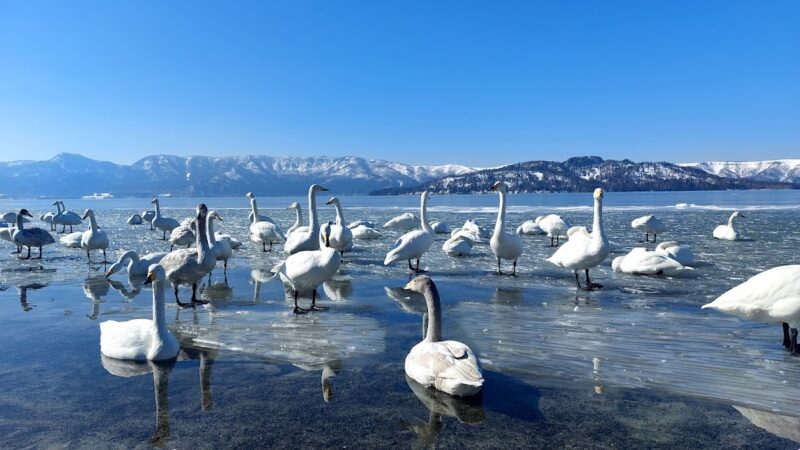
Winter in Shumarinai, known as Japan’s coldest place, is a season of austere yet beautiful beauty. Temperatures regularly drop below minus 30 degrees Celsius, and the region has recorded Japan’s lowest temperature of minus 41 degrees. On the completely frozen lake surface, you can enjoy ice-based activities such as smelt fishing.
Winter Lake Shumarinai is also a precious location for observing meteorological phenomena such as diamond dust and sun pillars. The natural mysteries visible amid harsh cold become lifelong memories. However, winter road conditions are severe, and thorough cold-weather preparation is necessary.
Attractions of Shumarinai Lakeside Campground
Facility Overview
Shumarinai Lakeside Campground, located within Shumarinai Quasi-National Park, is a popular camping facility. It allows genuine outdoor experiences in an environment where unspoiled nature remains. Campsites offer various locations such as forested areas, grassy fields, and lakeside spots, each with distinct appeal.
Equipment and Services
The campground features the following facilities:
- Tent Sites: Free-style sites allowing you to pitch tents in your preferred location
- Log Cabins: Popular facilities for those seeking comfortable accommodations
- Coin Showers: Clean shower facilities for comfortable stays after camping
- Coin Laundry: Supports extended stays
- Cooking Area: Roofed facility ensuring safety in rain
- Restrooms: Clean, well-maintained flush toilets
Points for Use
When using Shumarinai Lakeside Campground, keep the following in mind:
- Reservations: Advance reservations are recommended as high seasons experience congestion
- Insect Protection: Summer months have abundant mosquitoes and gadflies; insect repellent spray is essential
- Cold Weather Preparation: Mornings and evenings cool significantly; bring cold-weather clothing even in summer
- Food and Drinking Water: Few nearby shops necessitate advance preparation
- Waste Disposal: For environmental protection, always take trash with you
Activities and Ways to Enjoy
Fishing
Lake Shumarinai offers various fishing opportunities, with Itou fishing being the primary attraction. In addition to Itou, Arctic char, rainbow trout, and smelt inhabit the lake, offering different fishing pleasures by season.
Fishing requires purchasing a day-pass permit. Since Itou is a protected fish species, catch-and-release is recommended. Use of barbless hooks and other measures minimizing fish damage are required.
Sightseeing Steamship
The sightseeing steamship, operating from mid-May through late October, is a popular activity for fully experiencing Lake Shumarinai’s charm. The 35-minute circumnavigation route allows enjoying the landscape created by complex inlets and islands from the boat.
Listening to guide commentary during the cruise provides excellent opportunities for deeper understanding of Lake Shumarinai’s nature and history. The steamship is particularly popular during foliage season, making advance reservations recommended.
Hiking and Trekking
Various difficulty-level hiking courses are maintained throughout the park. Options range from relatively flat lakeside trails to challenging mountain treks, allowing selection based on fitness and experience levels.
Walking through the forest may bring encounters with wildlife such as squirrels and foxes. Observing season-specific plants is another pleasure of hiking.
Canoeing and Kayaking
The calm Lake Shumarinai provides an ideal setting for canoeing and kayaking. Paddling through complex inlets and around islands offers views impossible to see from land.
Guided tours for beginners are available, allowing safe enjoyment for the inexperienced. Early morning lake surfaces are particularly calm, creating a mystical experience paddling through mist.
Bird Watching
Shumarinai Quasi-National Park is renowned as a birdwatching destination. From spring through fall, numerous migratory birds visit, with opportunities to observe rare species such as white-tailed eagles, Steller’s sea eagles, and pileated woodpeckers.
Bring binoculars and bird guides for quiet observation. Early morning is particularly active for bird behavior, making it optimal observation time.
Access Information
By Car
Car access is the most convenient way to reach Shumarinai Quasi-National Park.
From Asahikawa City
- Drive north on Route 40, heading toward Horokaindo Town
- Travel time: approximately 105 minutes (about 90 km)
From Sapporo City
- Use Dou-Oh Expressway, then Route 275 via Fukagawa JCT
- Travel time: approximately 3 hours (about 180 km)
Notes
- Winter brings significant increases in travel time due to frozen surfaces and snow accumulation
- Studless tires are essential
- Gas stations are scarce; advance refueling is recommended
By Public Transportation
Public transportation access is limited but possible through:
- JR Shinama Line Replacement Bus: Bus service from Fukagawa Station toward Horokaindo
- Taxi: Chartering a taxi from Asahikawa City is another option
Frequent bus service is limited, requiring advance schedule confirmation and careful planning.
Nearby Tourist Attractions
Horokaindo Soba Fields
Horokaindo Town is known as Japan’s premier buckwheat producing region. From late August through early September, the town’s white buckwheat blossoms blanket the landscape as the “Buckwheat Flower Field,” attracting numerous tourists. It’s a must-visit spot when exploring Shumarinai Quasi-National Park.
Seiwa Hot Springs
Located approximately 30 minutes by car from Lake Shumarinai, Seiwa Hot Springs is a public bath facility available for day-use. It’s perfect for soothing bodies tired from outdoor activities.
Shibetsu City Area
Shibetsu City features unique attractions such as Hitsuji to Kumo no Oka and the World Merino Sheep Museum. Visiting these alongside Shumarinai Quasi-National Park allows deeper experience of northern Hokkaido’s attractions.
Important Precautions for Visits
Climate and Clothing
As Shumarinai is known as Japan’s coldest place, climate preparation is critically important:
Summer Season (July–August)
- Daytime temperatures are warm, but mornings and evenings drop below 10 degrees Celsius
- Bring cold-weather clothing and rain gear
- Insect protection is essential
Autumn Season (September–October)
- Temperatures drop rapidly
- High-insulation clothing such as fleece and down jackets is necessary
- Early snow may fall by late October
Winter Season (November–April)
- Temperatures regularly drop below minus 30 degrees Celsius
- Complete cold-weather equipment is necessary
- Many facilities close during winter
Safety Measures
- Wildlife: This is bear habitat. Carry noise-making items such as bells or radios
- Mobile Phones: Service is unavailable in some areas
- Drinking Water and Food: Few nearby shops require sufficient quantities be brought
- Weather Changes: Mountain terrain means sudden weather changes occur
- Emergency Contacts: Confirm and note emergency numbers in advance
Etiquette and Environmental Protection
Protect Shumarinai Quasi-National Park’s beautiful nature by following these practices:
- Always take trash with you
- Plant collection is prohibited
- Animal feeding is strictly forbidden
- Campfires are prohibited outside designated areas
- Enjoy nature quietly without noise
- Strictly practice catch-and-release for protected fish species such as Itou
Lodging Facilities
Shumarinai Lakeside Campground
As previously mentioned, tent sites and log cabins offer accommodation experiences within nature.
Lodging in Horokaindo Town
Several guesthouses and inns exist in Horokaindo Town center, 30–40 minutes by car from Lake Shumarinai. These serve well as bases for those seeking comfortable accommodations.
Hotels in Asahikawa City
For more substantial lodging options, staying in Asahikawa City hotels and day-tripping to Shumarinai Quasi-National Park is an alternative. Asahikawa offers diverse hotel grades with abundant selection.
Contact Information
For detailed information and latest updates regarding Shumarinai Quasi-National Park, please contact:
Hokkaido Environmental Life Division, Nature Environment Bureau
- General inquiries about natural parks
Horokaindo Town Office Industrial Division
- Inquiries regarding Shumarinai Lakeside Campground reservations and use
- Sightseeing steamship operational information
Shumarinai Lake Freshwater Fisheries Cooperative
- Day-pass permit purchases
- Fishing-related inquiries
Always verify the latest information before visiting. Weather conditions, road status, and facility operations fluctuate, making advance confirmation essential.
Summary
Shumarinai Quasi-National Park is a precious place to experience Hokkaido’s pristine nature. Lake Shumarinai, Japan’s largest artificial lake that rivals natural lakes in beauty; clear waters inhabited by the phantom fish Itou; rich forests transforming with each season; and nature both austere and beautiful unique to Japan’s coldest place.
Diverse outdoor activities including camping, fishing, canoeing, and hiking make it an ideal field for nature enthusiasts. Spring greenery, summer lakeside camping, autumn foliage, and winter’s harsh yet beautiful snowscapes each reveal entirely different charms depending on visiting season.
Leaving urban hustle behind to immerse yourself in Hokkaido’s great nature will surely create unforgettable memories. At Shumarinai Quasi-National Park, fully experience Japan’s remarkable scenery and nature’s abundant blessings.
When visiting, practice environmental conservation, with each person taking responsible action to preserve this wonderful landscape for future generations. May Shumarinai Quasi-National Park become a special place remaining in your heart.