From Mikuni Pass to Nukabira Lake: A Complete Guide to Hokkaido’s Premier Scenic Drive Route
The route from Mikuni Pass to Nukabira Lake, where you can fully enjoy Hokkaido’s pristine nature, is known as one of the finest scenic drives in the prefecture. At an elevation of 1,139 meters, Mikuni Pass is the highest point on any national road in Hokkaido, and the road leading from there to Nukabira Lake offers a special experience where you can encounter beautiful scenery and magnificent nature throughout the four seasons.
In this article, we will provide detailed information about the route from Mikuni Pass to Nukabira Lake, including access methods, points of interest, best seasons, nearby tourist spots, and practical driving tips.
Mikuni Pass: The Charm of Hokkaido’s Highest National Road Point
Basic Information About Mikuni Pass
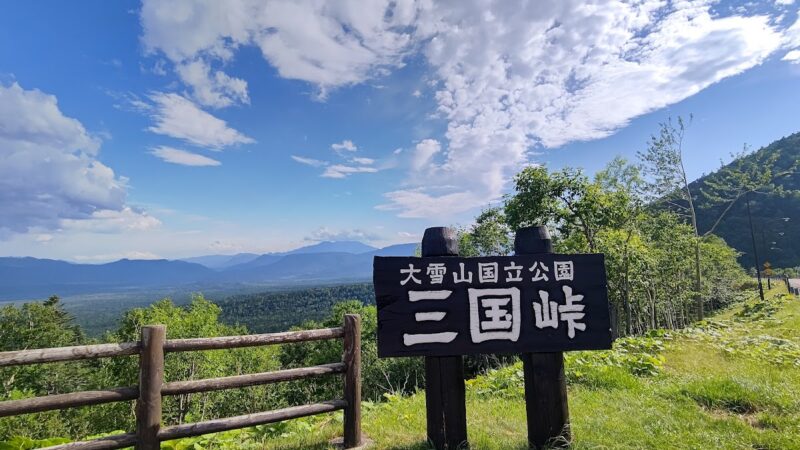
Mikuni Pass is located on National Route 273 and sits at the border between Kamikawa and Kamishihoro towns. At 1,139 meters in elevation, it is the highest pass on any national road in Hokkaido, and its magnificent views have made it beloved by many drivers and riders.
The name of the pass derives from the fact that it once stood at the boundary of three provinces: Ishikari, Tokachi, and Kitami. Today it has become an important transportation link connecting the Kamikawa and Tokachi districts, and it is particularly busy with tourists from summer through autumn.
The Spectacular Views from Mikuni Pass Observatory
An observatory has been established at Mikuni Pass, and the view from here is nothing short of spectacular. Below the observatory, a red bridge called Matsumi Bridge spans the sea of trees, and in the distance, a magnificent panorama of the Daisetsuzan mountain range stretches out.
On clear days, you can see all the way to the Tokachi Plain, and the scenery truly captures the grand scale that is characteristic of Hokkaido. The observatory also has a café and rest house, where you can relax and enjoy the views.
Nukabira Lake: A Mysterious Landscape Created by a Manmade Reservoir
Overview and History of Nukabira Lake
Nukabira Lake is a manmade reservoir located in Kamishihoro town, formed in 1955 when the Otofuke River was dammed to create the Nukabira Dam. With a circumference of approximately 33 kilometers and a maximum depth of about 40 meters, it plays an important role as a power generation reservoir.
Despite being a manmade lake, it harmonizes beautifully with the surrounding primeval forest and the natural scenery of Daisetsuzan National Park, offering beautiful views throughout the four seasons. Particularly during the autumn foliage season, the brilliantly colored mountains reflected in the lake’s surface captivate all who visit.
Taushubetsu River Bridge: The Phantom Bridge’s Mystery
The most famous feature of Nukabira Lake is Taushubetsu River Bridge. This bridge is a concrete arch bridge from the former Japanese National Railway Shihoro Line, and because it appears and disappears from the lake’s surface depending on seasonal water level fluctuations, it is called the “phantom bridge.”
From January to June during the dry season, the bridge emerges completely from the water’s surface, allowing visitors to see its graceful arch structure. Conversely, during the flood season from July onward, it gradually becomes submerged, and from August to October it is completely underwater.
This fantastical landscape is extremely popular with photography enthusiasts and tourists alike, and particularly during early morning hours when mist rises, an almost otherworldly mystical scene unfolds.
Detailed Route Information from Mikuni Pass to Nukabira Lake
Basic Route Information
The route from Mikuni Pass to Nukabira Lake follows National Route 273 southbound toward Tokachi for approximately 20 kilometers. The journey from the pass to Nukabira Hot Spring town takes about 25 to 30 minutes by car, but it is recommended to drive slowly to enjoy the scenery.
The route is relatively well-maintained, but features many curves and steep grades near the pass, so careful driving is essential. In winter, the road may be closed due to snow and ice, so it is important to check road conditions in advance.
Main Attractions Along the Route
Shortly after leaving Mikuni Pass, you’ll see Matsumi Bridge. This bridge spans 486 meters and stands approximately 40 meters high, making a striking impression as it crosses through the sea of trees. There is a parking area near the bridge entrance, making it a popular spot for commemorative photos.
As you descend from the pass, a pleasant drive through coniferous forests continues. In autumn, the surrounding trees turn color, and you can enjoy the beautiful scenery of a foliage tunnel with gradations of red and yellow.
As you approach Nukabira Lake, the road becomes a lakeside drive, with the lake’s surface appearing and disappearing among the trees. On fine days, the sky and mountains reflected in the water are beautiful, and you’ll likely want to stop the car multiple times for photographs.
Best Seasons and How to Enjoy the Four Seasons
Spring (May-June): Season of New Growth
The route from Mikuni Pass to Nukabira Lake in spring is a season when new leaves sprout as snow melts. From late May through June, the mountains are enveloped in fresh green, and you can feel the breath of nature liberated from winter’s harshness.
During this period, the water level of Nukabira Lake is low, and Taushubetsu River Bridge is completely visible. The contrast between snow-capped peaks of the Daisetsuzan range and fresh greenery is beautiful, allowing you to enjoy scenery unique to spring.
Summer (July-August): Cool Highland Breezes
In summer, Mikuni Pass, being at high elevation, is cooler than lowland areas, making it ideal as a summer retreat. Temperatures are 5 to 10 degrees lower than in the plains, and even in midsummer, it remains comfortable. The contrast between lush green vegetation and blue sky is beautiful, with scenery that truly captures Hokkaido’s refreshing character.
Around Nukabira Lake, activities such as canoeing and fishing are also popular during this season. However, this is when Taushubetsu River Bridge begins to submerge, so if you wish to see the bridge, it is recommended to visit by early July.
Autumn (September-October): Spectacular Fall Foliage
The route from Mikuni Pass to Nukabira Lake is most beautiful during the autumn foliage season. From late September through early October, Nanakamadoberry, maple, and birch trees turn red and yellow, transforming the entire mountain into a landscape like a traditional Japanese tapestry.
The view from Mikuni Pass Observatory is particularly spectacular, with the sea of trees below becoming a mosaic pattern of red, yellow, and green—a beauty that cannot be adequately expressed in words. As this period attracts many tourists, visiting early in the morning or on weekdays is recommended.
The Nukabira Lake area is also beautiful with autumn colors, and the brightly colored mountains reflected in the lake create a scene like a painting. Taushubetsu River Bridge also becomes partially visible as water levels begin to drop.
Winter (November-April): Seasonal Closure and Road Closure
Mikuni Pass is typically closed to traffic from early November through late April due to winter conditions. During this period, snow and ice make driving dangerous, and the route cannot be used.
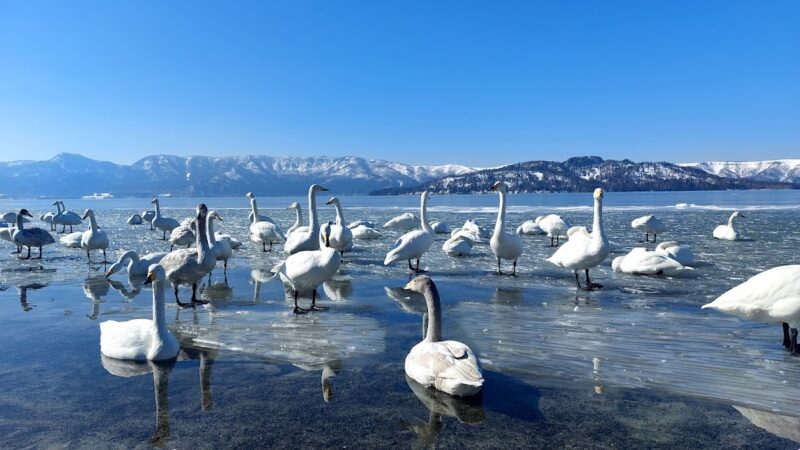
However, the Nukabira Lake area can still be visited in winter, where you can enjoy the mystical landscape of a frozen lake and snow-covered scenery. Taushubetsu River Bridge also emerges on the frozen lake’s surface, creating a mysterious sight unique to winter.
Access Methods and Transportation Information
Access by Car
To reach Mikuni Pass from the Sounkyo direction, drive south on National Route 273 for approximately one hour. It is about 3.5 hours from Sapporo and approximately 2.5 hours from Asahikawa.
When accessing from the Nukabira Lake direction, drive north on National Route 273 from Obihiro, arriving at Nukabira Hot Spring in approximately 1.5 hours. From there to Mikuni Pass takes about 25 minutes.
There is free parking at Mikuni Pass Observatory, with space for approximately 50 cars. During busy seasons such as autumn foliage, the lot may fill up, so arriving early is recommended.
Access by Public Transportation
Unfortunately, public transportation options to Mikuni Pass and Nukabira Lake area are limited. The nearest bus stop is Nukabira Hot Spring, with buses operated by Takushoku Bus running from Obihiro Station, but service is infrequent, and Mikuni Pass is further away.
For this reason, renting a car is the most convenient option when visiting this area. Renting a car from either Obihiro Airport or Asahikawa Airport to enjoy the drive is recommended.
Visit by Motorcycle Tour
Mikuni Pass is a standard touring spot for Hokkaido motorcycle touring and is popular with many riders. The curving road offers excellent riding conditions, and the scenery is beautiful, making it an ideal touring route.
However, as mountain pass roads are subject to rapid weather changes and fog formation, caution regarding reduced visibility is necessary. Also, be alert to the possibility of wildlife jumping onto the road.
Nearby Tourist Spots and Activities
Nukabira Hot Spring: Refresh at a Hidden Gem Spa
Located on the shores of Nukabira Lake, Nukabira Hot Spring is a quiet spa town within Daisetsuzan National Park. Several hot spring inns are located here, and some facilities also offer day-trip bathing.
The hot spring water is sodium chloride and bicarbonate, said to be effective for neuralgia, muscle pain, and fatigue recovery. Surrounded by natural scenery, you can relax and enjoy the hot spring in a peaceful environment.
Higashi Daisetsu Nature Hall: Learn About the Region’s Nature
Located in the Nukabira Hot Spring area, Higashi Daisetsu Nature Hall is a facility where you can learn about this region’s natural environment and history. It features exhibits of Daisetsuzan wildlife and plants, as well as historical materials about the former Japanese National Railway Shihoro Line, including detailed information about Taushubetsu River Bridge.
Tours to Taushubetsu River Bridge can also be booked here. As the bridge is normally in a restricted access area, participation in a guided tour allows you to view it up close.
Horoka Hot Spring: A Hidden Gem One-Inn Spa
Continuing further inland from Nukabira Lake, you’ll find Horoka Hot Spring, a one-inn spa. With no electricity or mobile phone signal, it offers a non-ordinary experience lit only by lamp light.
The source-fed hot spring originates from what is called Deer Valley Hell, and the rustic open-air bath is particularly popular. Day-trip bathing is available, but staying overnight to slowly experience the area is also recommended.
Shikaribetsu Lake: A Mystical Highland Lake
About 40 minutes by car from Nukabira Lake, Shikaribetsu Lake is a natural lake located at 810 meters elevation—the highest natural lake in Hokkaido. Surrounded by primeval forest, it is a mystical lake that is home to the endemic Miyabe char (Dolly Varden).
In winter, an event called “Shikaribestsu Lake Kotan” is held on the lake’s ice, featuring ice hotels and bars that offer a fantastical experience. When visiting Mikuni Pass and Nukabira Lake from the pass, be sure to extend your trip to this spot.
Practical Driving Advice
Clothing and Supplies to Bring
Since Mikuni Pass is at high elevation, it is cooler than lowland areas. It is recommended to bring a long-sleeved jacket even in summer. Particularly in early morning and evening, it can become quite cold, so layered clothing is ideal.
Useful items include cameras and binoculars to better enjoy the scenery. Also remember insect repellent and sunscreen. Bringing drinks and snacks for rest stops at the observatory is a good idea as well.
Fuel and Restroom Information
As there are no gas stations near Mikuni Pass, it is essential to refuel either at Sounkyo or Nukabira Hot Spring. For longer drives, refuel with a comfortable margin.
Restrooms are available at Mikuni Pass Observatory and in the Nukabira Hot Spring area. It is recommended to use facilities before crossing the pass.
Safe Driving Tips
The road to Mikuni Pass has many curves and steep grades, requiring caution against excessive speed. Particularly when descending, use engine braking to prevent brake overheating.
Be alert to the possibility of wildlife jumping onto the road. Particularly in early morning and evening, animals such as Ezo deer may cross the road, so maintain reduced speed and pay careful attention to surroundings while driving.
Fog formation is also common in this area, so turn on fog lights during reduced visibility and maintain adequate distance from vehicles ahead.
Photography Spots and Etiquette
While Mikuni Pass Observatory is an excellent photography spot, in crowded conditions remain considerate of other tourists. When using tripods, choose locations that do not obstruct traffic.
When photographing Taushubetsu River Bridge, be careful not to enter restricted areas. The best photography spots are from Nukabira Lake’s shores and observation points, and a telephoto lens allows for larger images of the bridge.
Early morning hours often have mist, offering chances for mystical photographs. Many photography enthusiasts time their visits for sunrise and shortly after.
Accommodations and Dining Information
Accommodations at Nukabira Hot Spring
Several hot spring inns are located at Nukabira Hot Spring, each with its own character. Inns facing the lakeside allow you to enjoy views of Nukabira Lake from your room or open-air bath.
Lodging rates for one night with two meals typically range from 10,000 to 20,000 yen. Early reservations are necessary during busy seasons such as autumn foliage. Some inns also accept day-trip bathing, allowing you to stop by during your drive.
Local Cuisine and Dining Establishments
Dining establishments near Nukabira Hot Spring serve dishes using local ingredients. You can enjoy Tokachi beef, vegetables, and river fish—foods unique to Hokkaido with fresh, high-quality ingredients.
The café at Mikuni Pass Observatory offers light meals and coffee while you enjoy the views. Particularly popular are curries and soft ice cream made with local ingredients.
Kamishihoro town is also known for “Naitai Highland Pasture,” and fresh dairy products such as milk and cheese are also attractions. Stopping by during your drive to sample local flavors is recommended.
Historical and Cultural Background
History of National Route 273
National Route 273 is a national road extending approximately 200 kilometers from Asahikawa City to Kitami City. The section crossing Mikuni Pass was once a difficult mountain road and was known as a transportation bottleneck when first opened.
The current road was developed in the 1970s and has become an important tourism route. As a valuable road traversing Hokkaido’s interior, it has greatly contributed to the region’s economy and tourism.
Legacy of the Former Japanese National Railway Shihoro Line
Several concrete arch bridges from the former Japanese National Railway Shihoro Line remain in the Nukabira Lake area, including Taushubetsu River Bridge. The Shihoro Line opened in 1939 and played an important role in transporting agricultural products from the Tokachi region, but was discontinued in 1987.
Following closure, many bridges were submerged due to Nukabira Lake’s construction, but these structures have been recognized for their value as industrial heritage, with some designated as Hokkaido Heritage Sites. Taushubetsu River Bridge, among these, is the most beautiful with relatively good preservation condition, making it beloved by many.
Conclusion: Making the Most of Your Drive from Mikuni Pass to Nukabira Lake
The route from Mikuni Pass to Nukabira Lake is a wonderful drive course where you can experience Hokkaido’s magnificent natural scenery. The panoramic vista of the sea of trees and mountains from the 1,139-meter pass, the quiet shores of Nukabira Lake, and the mystical appearance of Taushubetsu River Bridge—the phantom bridge—provide profound emotional experiences to all who visit.
While autumn’s beautiful foliage is the best season, spring’s fresh greenery and summer’s refreshing breezes each have their own appeal. Since winter brings road closures, check road conditions in advance before visiting.
When driving, practice safe driving and take sufficient time to enjoy the scenery. Including overnight stays at Nukabira Hot Spring or day-trip bathing, as well as exploring nearby tourist spots in a leisurely itinerary, is recommended.
This area, where magnificent scenery created by Hokkaido’s great nature coexists with historical industrial heritage, offers new discoveries and emotional experiences with each visit. By all means, plan a drive from Mikuni Pass to Nukabira Lake and experience this special Hokkaido adventure.
Magnificent scenery, abundant nature, and the quiet passage of time—the route from Mikuni Pass to Nukabira Lake is a special place that makes you forget the bustle of daily life. It will surely add an unforgettable page to your Hokkaido travel memories.