
Jōge Nyorai Saihouji Temple Miyagi | Fulfill Your One-Lifetime Great Wish at This Sacred Site Connected to the Heike Clan
About Jōge Nyorai Saihouji Temple
Jōge Nyorai Saihouji (定義如来西方寺) is a Pure Land Buddhist temple located in Ōkura Kamishimo, Aoba Ward, Sendai City, Miyagi Prefecture. With the mountain name Gokuraku-san and the principal image of the Amida Buddha scroll, it was founded by Ryōnen of the Enren Society. More affectionately known as “Jōge-san” or “Jōge Nyorai” than by its formal name, it is known as one of the leading sacred sites in the Tōhoku region, attracting approximately one million worshippers annually.
Situated about 50 minutes by car from Sendai Station in a mountainous area 5 km beyond the Ōkura Dam, this temple has carved out approximately 800 years of history as a village of Heike refugees. It is particularly revered as a Buddha that grants “one lifetime’s one great wish,” and is said to bestow blessings for romance, conception, safe childbirth, and safety prayers.
History of Jōge Nyorai Saihouji Temple
The Heike Refugee Legend and Origins of Foundation
The founding of Saihouji Temple dates back to the Battle of Dannoura in the late Heian period (1185), when the Heike were defeated by the Genji. When the Heike lost to the Genji, Taira no Sadayoshi (平貞能), a trusted retainer of Taira no Shigemori, fled to this mountainous region to escape Genji pursuit, protecting a precious scroll of the Amida Buddha that had been entrusted to him by his lord and transmitted from China.
Upon reaching this mountainous land, Sadayoshi adopted the name “Jōge” and established a temple of peace prayer by enshrining the Amida Buddha image. This Amida Buddha came to be called “Jōge Nyorai,” and the place name also became “Jōge,” as the legend tells.
800 Years of Continued Faith
For approximately 800 years since the Amida Buddha was enshrined in Jōge, faith in this Buddha has been passed down through generations. Though a secret Buddha, it came to be affectionately called “Jōge-san” by local people, and worship spread throughout the Tōhoku region. During the Edo period, its reputation grew as “a Buddha that can grant even one great wish in a lifetime,” drawing many worshippers to the temple.
Relics of Taira no Sadayoshi and the Emperor’s Mound, among other historical sites related to the Heike, remain within the temple grounds, preserved as a sacred site evoking historical romance to this day.
Notable Sights Within the Temple Grounds
The Main Hall
The Main Hall of Jōge Nyorai Saihouji, which serves as the temple’s center, is characterized by its unique architectural style with a hōgyō roof and a Chinese gabled roof on the front. The principal image, the Amida Buddha scroll, is enshrined here, and it is customary to receive prayers while making wishes. Within the hall, visitors can receive prayers for romance, children, safe childbirth, and safety in a solemn atmosphere.
The Five-Story Pagoda
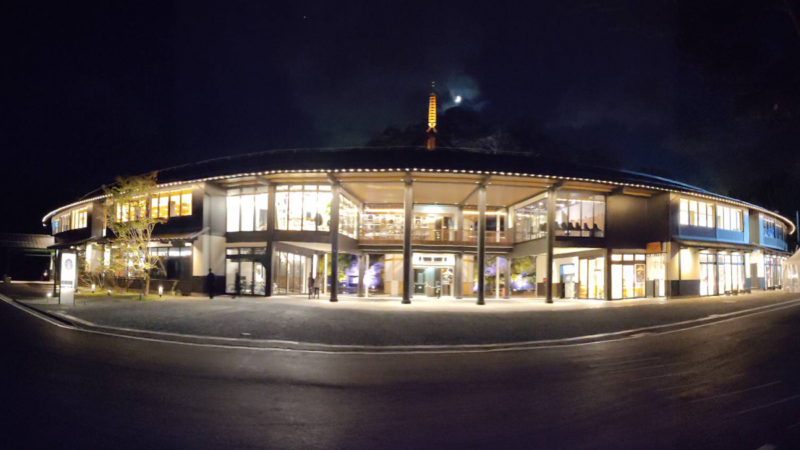
The five-story pagoda that stands out conspicuously within the grounds is a symbolic presence of Jōge Nyorai Saihouji. The beautifully vermillion tower harmonizes with the surrounding nature, making an excellent photo spot in harmony with the scenery of the four seasons. The five-story pagoda viewed among autumn leaves or snow-covered landscapes is particularly stunning.
The Temple Gate
The imposing temple gate, evoking a sense of history, is the first sight welcoming visitors. Passing through the heavy gate, one is immediately enveloped in a sacred atmosphere. Seasonal flowers are planted around the gate, presenting different faces depending on the time of visit.
The Sadayoshi Hall and Mausoleum
The Sadayoshi Hall, enshrining Taira no Sadayoshi, is an important building that tells the history of Jōge Nyorai Saihouji. Sadayoshi’s mausoleum is also within the grounds, allowing visitors to contemplate Heike history. These historical sites demonstrate that this temple is not merely a tourist destination but a sacred place with profound historical background.
The Emperor’s Mound
Within the grounds is also a historical site called the Emperor’s Mound, said to contain precious relics connected to the Heike clan. As a valuable site transmitting the Heike refugee legend to the present day, it attracts attention from history enthusiasts.
Museum (Free Admission)
There is a free-admission museum within the grounds where valuable materials related to the origins of Jōge Nyorai Saihouji and the Heike refugee legend are displayed. Visiting before or after prayer allows for a deeper understanding of this temple’s historical background.
Blessings of Jōge Nyorai Saihouji Temple
Fulfillment of One’s One Great Wish in a Lifetime
Jōge Nyorai has long been revered as “the Buddha that grants one lifetime’s one great wish.” It serves as a place where the most cherished wish, the one deeply desired to be fulfilled, is prayed for, with many worshippers visiting from throughout the Tōhoku region. By receiving prayers while sincerely making wishes, it is believed one receives the protection of the Buddha.
Romance and Good Relationships
Jōge Nyorai Saihouji is also famous for blessings related to romance and good relationships. Many visit seeking good fortune in love, wishing to deepen bonds with loved ones. Couples often visit together, and those seeking to fulfill romantic wishes or pray for marriage never cease to visit.
Conception and Safe Childbirth Prayers
The temple attracts strong faith for prayers for conception and safe childbirth. Couples hoping to conceive and pregnant women and their families visit to seek the protection of Jōge Nyorai. Many report that their wishes have been fulfilled, with some returning to give thanks.
Safety Prayers
Prayers are accepted for traffic safety, household safety, business prosperity, and other aspects of daily life’s safety and peace. Particularly during the new year and life’s milestones, many worshippers visit for safety prayers.
How to Enjoy Jōge Nyorai Saihouji Temple
Specialty Cuisine at the Temple Gate Town
An lively temple gate town spreads along the approach to Jōge Nyorai Saihouji, becoming one of the pleasures after prayer. In particular, “triangular fried tofu,” known as a specialty, is a must-try. The large triangular-shaped fried tofu has a crispy exterior and fluffy interior, typically enjoyed piping hot with soy sauce drizzled over it.
Other options include grilled dumplings and dishes using local specialty ingredients, offering various culinary delights. Savor local flavors alongside memories of your visit.
Natural Beauty Throughout the Seasons
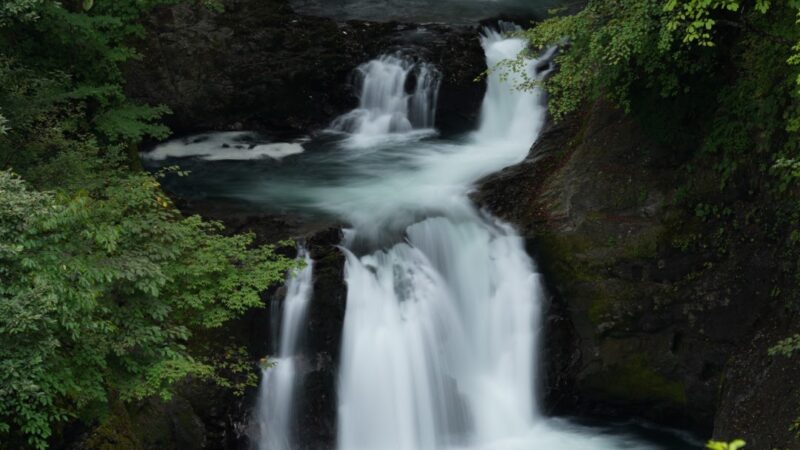
Since Jōge Nyorai Saihouji is situated in a mountainous area, it is surrounded by beautiful nature that changes with the seasons. Spring brings fresh green, summer deep green, autumn red leaves, and winter snow scenes—the temple presents an entirely different face depending on the season of visit.
Particularly during the autumn foliage season (late October to early November), the grounds turn red and gold, creating breathtaking views in harmony with the five-story pagoda. The winter snowy landscape is also fantastical, and prayer in the silence offers a special experience.
Collecting Commemorative Stamps
Jōge Nyorai Saihouji offers commemorative stamps. Many visit to collect stamps as a memento of prayer or as part of temple stamp collecting. Carefully written stamps become precious mementos preserving memories of your visit.
Combining with Nearby Attractions
Surrounding Jōge Nyorai Saihouji are attractive tourist spots such as Ōkura Dam and Naruiko Onsen. Enjoying nearby attractions alongside prayer enables more fulfilling Sendai sightseeing. In particular, plans combining a stay at Naruiko Onsen are popular, offering courses for both mind and body refreshment.
Basic Information and Access
Address and Phone Number
Address: 1 Ōkura Kamishimo, Aoba Ward, Sendai City, Miyagi Prefecture
Phone Number: 022-393-2011
Hours of Operation
Temple grounds are generally open to visitors at all times, though prayer and gift shop hours may vary depending on the season. Please check the official website in advance or call for confirmation.
Admission
Temple grounds viewing is free. The museum is also free to view. A separate fee is required if you wish to receive prayers.
Access
By Car:
- Approximately 50 minutes from Sendai Station
- Approximately 40 minutes from “Sendai Miyagi IC” on the Tōhoku Expressway
- Parking: Free parking available (approximately 300 standard vehicles)
By Public Transportation:
- Approximately 30 minutes by bus bound for Jōge from “Aiko Station” on the JR Senzan Line to the final stop
- Buses also operate from Sendai Station West Exit to Jōge (service varies by season and day, so confirmation is advised)
Note: During winter months (December to March), there is a possibility of snow accumulation and icy road surfaces. If traveling by car, studless tires are strongly recommended.
Etiquette and Conduct for Visiting
Dress Code
There is no specific dress code, but please maintain clean and modest attire befitting a visit to a sacred place. Since the temple is in a mountainous area, seasonal adjustments for warmth or cooling are important.
Prayer Protocol
- Offer a bow at the temple gate before entering the grounds
- Purify your hands and mouth at the purification basin
- Quietly bow and join hands in prayer before the main hall, concentrating your wishes
- If you wish to receive prayers, apply at the reception desk
- Maintain silence throughout the grounds and show consideration for other visitors
Photography
Photography within the grounds is generally permitted, though photography inside the main hall or during prayers may be prohibited. Also, please be mindful of other visitors’ privacy and photograph with discretion.
Nearby Experience Programs and Events
Jōge Smartphone Walking Tour Stamp Rally
Stamp rallies using smartphones are occasionally held around Jōge Nyorai Saihouji. Visiting nearby areas alongside prayer allows for deeper discovery of the region’s attractions.
Seasonal Events
Various religious services and events are held throughout the year. Particularly during New Year’s first prayers, spring services, and the autumn foliage season, the temple is crowded with many worshippers. It is recommended to check official websites and social media for the latest event information before visiting.
Forest Bathing Tours at Naruiko Onsen
The nearby Naruiko Onsen area occasionally offers forest bathing tours and workshops as part of “Naruiko Onsen 1DAY Retreats.” Combining these with a visit to Jōge Nyorai Saihouji allows for a fulfilling day of mind and body refreshment.
Recommended Nearby Spots
Ōkura Dam
Located approximately 5 km before Jōge Nyorai Saihouji, Ōkura Dam is attractive for its beautiful lake surface and the scenery created by surrounding mountains. Walking the hiking path around the dam lake allows for refreshment in nature.
Naruiko Onsen
Known as Sendai’s inner sanctum, Naruiko Onsen is easily accessible from Jōge Nyorai Saihouji. Accommodations dot the valley along the Hirose River, offering quality hot springs and beautiful nature. It is ideal as an overnight destination after prayer.
Izumi-ga-take
Beloved by Sendai residents, Izumi-ga-take offers mountain climbing, hiking, and skiing in winter. Visiting alongside Jōge Nyorai Saihouji allows for full enjoyment of nature in Sendai’s western areas. Events such as mystery-solving rallies at Izumi-ga-take are occasionally held.
Lodging Reservations and Sightseeing Plans
For those considering lodging around Jōge Nyorai Saihouji, inns at Naruiko Onsen or Akiu Onsen are recommended. These hot spring areas are easily accessible from Sendai Station and serve as ideal bases for day trips to Jōge Nyorai Saihouji.
Sightseeing plans combined with Sendai tourism are also popular. After visiting Sendai tourist spots (Sendai Castle ruins, Zuihōden, Aoba Avenue, etc.), extend your trip to Jōge Nyorai Saihouji, and stay overnight at Naruiko Onsen—this course provides a fulfilling plan to enjoy Sendai’s history, culture, and nature.
When making lodging reservations, it is good to confirm whether shuttle services to Jōge Nyorai Saihouji are available and whether advice on nearby attractions can be provided.
Conclusion
Jōge Nyorai Saihouji Temple is Miyagi Prefecture’s representative sacred site where historical romance of the Heike clan and deep faith breathe. For 800 years, this temple, revered as “the Buddha that grants one lifetime’s one great wish,” has embraced people’s prayers, becoming a special place particularly for those seeking blessings for romance, conception, and safe childbirth.
In addition to notable sights such as the beautiful five-story pagoda, the historic temple gate, and the solemn main hall, diverse enjoyments await: specialty cuisine at the temple gate town, natural beauty through the seasons, and combinations with nearby hot springs and attractions.
With its accessibility of approximately 50 minutes by car from Sendai Station, Jōge Nyorai Saihouji has become a standard Sendai sightseeing course, visited annually by one million. Why not spend special time at this sacred site connected to the Heike, with your heartfelt wish in mind, to see it fulfilled?
When visiting, it is recommended to check the official website for the latest information and prepare appropriately for the season and weather conditions. May your great wish be fulfilled alongside the protection of Jōge Nyorai.