Taizawa Gorge, Iwate Prefecture | Complete Guide to One of Japan’s Most Stunning Scenic Spots Created by Premier Clear Water
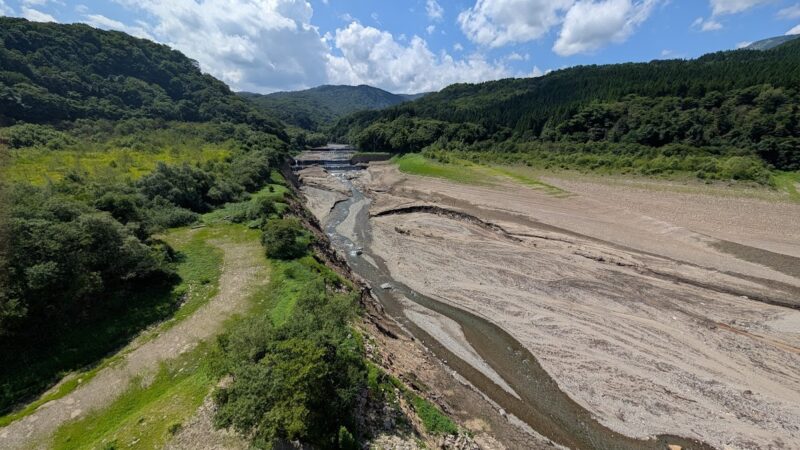
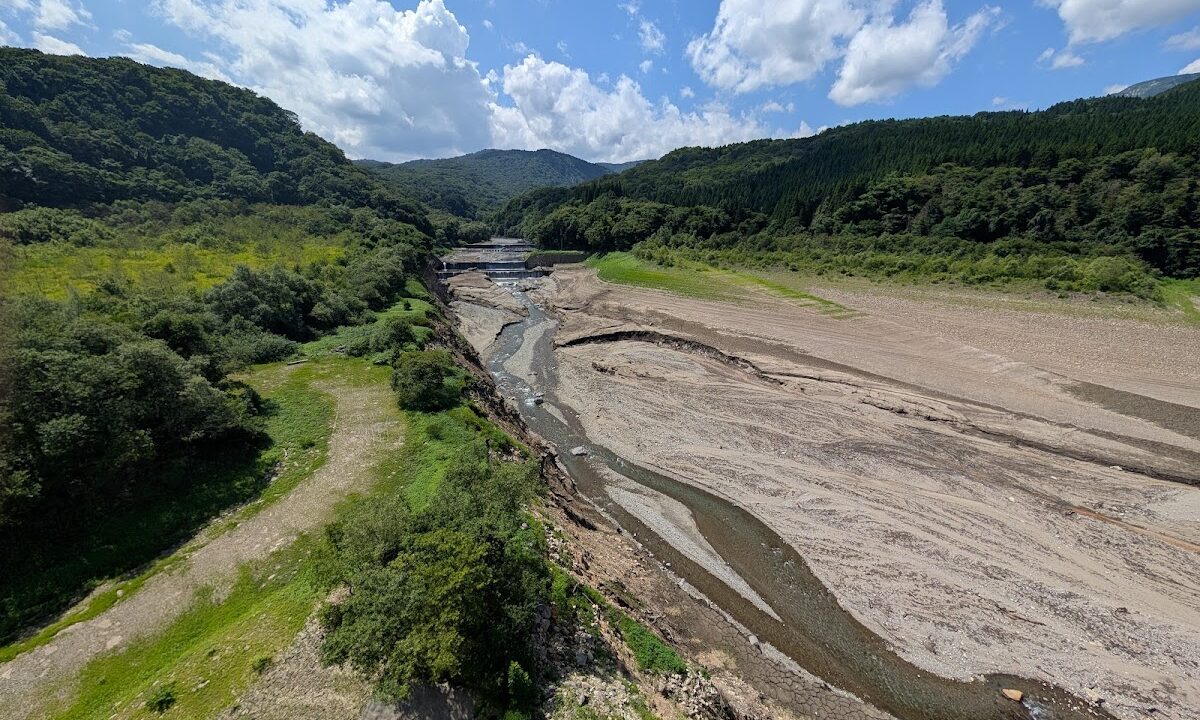
The Taizawa Gorge, located in Oshu City, Iwate Prefecture, is a natural landscape representative of the Tohoku region, selected as one of Japan’s finest clear-water rivers in the “Current Water Quality Survey of Class-1 Rivers Nationwide.” Stretching approximately 20km along National Route 397, the “Yakeishi Mountain Range Beach Line,” this gorge continues to captivate visitors from the fresh green season through autumn foliage season.
This article presents the complete charm of Taizawa Gorge and provides detailed information useful for planning your visit.
What is Taizawa Gorge? Iwate Prefecture’s Premium Clear-Water Scenic Wonder
One of Japan’s Finest Clear-Water Rivers
The Taizawa River is a Class-1 river in the Kitakami River system originating from the Yakeishi Mountain Range. It has received high evaluation in the “Current Water Quality Survey of Class-1 Rivers Nationwide” as the premier clear-water river of the Tohoku region and among Japan’s finest. This highly transparent water quality has been preserved through abundant surrounding natural environment and appropriate conservation efforts.
The alluvial fan formed by the Taizawa River boasts one of the largest scales in Japan, characterized by a unique topography with six distinct elevation differences. The landscape created by this terrain is geologically valuable and is known as a place where one can appreciate the beauty of natural formations.
Charm of the Yakeishi Mountain Range Beach Line
National Route 397 is affectionately known as the “Yakeishi Mountain Range Beach Line” and serves as a popular driving course where you can enjoy beautiful Taizawa Gorge scenery for approximately 20km from the Taizawa Dam to the Akita Prefecture border. This route allows visitors to admire gorge beauty from their vehicles and is considered one of the most scenic driving routes in Iwate Prefecture, attracting many tourists.
Adequate parking spaces and observation points are provided along the road, allowing visitors to stop and leisurely enjoy the scenery. While the road features many curves through mountainous terrain, it is well-maintained, and comfortable driving can be enjoyed with careful attention to safety.
Seasonal Spectacles | Highlights of Taizawa Gorge
Fresh Green Season (May–June)
From spring to early summer, Taizawa Gorge is enveloped in vibrant fresh greenery. Broad-leaved trees such as beech, Mongolian oak, and maple trees bud simultaneously, dyeing the entire gorge in bright green gradations. The contrast between the clear Taizawa River, swollen with snowmelt, and the green of young leaves creates a truly vital landscape.
From late May to early June, wildflowers such as mountain cherry and wild azalea can also be seen, adding color to the green. The mild temperatures during this season make it ideal for hiking and walks.
Autumn Foliage Season (Mid-October–Late October)
The autumn foliage season is when Taizawa Gorge attracts the most tourists. The foliage typically peaks from mid-October to late October, with the entire gorge turning red, yellow, and orange.
Particularly along the Yakeishi Mountain Range Beach Line, maples, rowan berries, and beeches display vibrant autumn colors with striking contrast against the clear water. Due to the elevation difference, coloring begins from higher elevations and gradually progresses downward, allowing visitors to enjoy fall foliage for approximately two weeks.
On clear days, the contrast between blue skies and autumn leaves is beautiful, while overcast days offer a mystical atmosphere with mist. The changing expressions of the gorge with different lighting at dawn and dusk make it a popular spot for photography enthusiasts.
Summer Freshness (July–August)
Taizawa Gorge in summer is beloved as a retreat from summer heat for those seeking coolness. At high elevation, the breeze flowing through the gorge is refreshing, with temperatures several degrees lower than in the lowlands. The landscape woven by the murmur of clear water and deep green forest creates a healing space that makes you forget the heat.
Families enjoying water play can be seen along the riverside, taking advantage of the water recreation offered by the high-quality water. However, careful attention is necessary for sudden flooding and slippery rocks.
Winter Silence (December–March)
In winter, some sections of National Route 397 may be closed due to snowfall, but in accessible areas, visitors can enjoy the quiet beauty of snow-covered scenery. Frozen waterfalls, tree ice formations, and snow-blanketed mountains create a winter gorge beauty entirely different from other seasons.
When visiting in winter, equipment to handle frozen surfaces and snow accumulation is essential. Check weather and road information in advance, and establish a plan prioritizing safety.
Recommended Spots Around Taizawa Gorge
Taizawa Dam
Located at the entrance to Taizawa Gorge, Taizawa Dam is one of Japan’s largest rockfill dams, completed in 2013. With a dam height of 132m and crest length of 723m, the dam lake, Oshu Lake, creates beautiful scenery.
An observation deck and parks are developed around the dam area, offering panoramic views of the dam’s grandeur and surrounding natural landscape. Especially during autumn foliage season, mountains reflected on the lake surface create spectacular views.
Yakeishi Mountain Climbing
Yakeishi Peak (1,548m), the main summit of the Yakeishi Mountain Range, is counted among Japan’s Two Hundred Famous Mountains. Climbing routes accessible from Taizawa Gorge area are popular among mountaineering enthusiasts as a treasure trove of alpine plants.
From July to August, alpine flowers such as Japanese false hellebore and bistorta bloom profusely, earning it recognition as one of the “Hundred Flower Mountains.” While the climbing trail is well-maintained, proper mountaineering equipment and thorough preparation are necessary.
Ishifuchi Dam
Located downstream from Taizawa Dam, Ishifuchi Dam was completed in 1953 and has historic significance. Though its role changed after Taizawa Dam’s completion, it continues contributing to regional water use. The surrounding area is developed as a park suitable for walks and picnics.
Tourist Spots in Oshu City
Approximately 40 minutes by car from Taizawa Gorge, in the center of Oshu City, there are scattered historic attractions. Historic sites associated with the Oshu Fujiwara clan, samurai family from the Heian period, and workshops of Nanbu iron casting, a traditional craft, allow for tourism combining nature and culture.
World Heritage-designated Konjikodo at Chusonji and Mitsuzoji Temple in Hiraizumi are approximately 1 hour’s drive away, allowing you to incorporate Taizawa Gorge into a regional tour of southern Iwate.
Access Information | How to Get to Taizawa Gorge
Access by Car
From Tohoku Expressway
- Approximately 40km from Mizusawa IC via National Route 397, taking about 55 minutes by car
- Approximately 45km from Kitakami-Kanegasaki IC via National Routes 107 and 397, taking about 60 minutes by car
Access from Akita Prefecture
- Head south on National Route 397 (some winter closures)
National Route 397 along Taizawa Gorge features many curves and narrow sections, so drive safely. Weekend crowding is expected during autumn foliage season, so plan with extra time.
Access by Public Transportation
By Train
- Exit at JR Tohoku Main Line “Mizusawa Station” or “Mizusawa-Esashi Station”
- Approximately 55–60 minutes by taxi from station (estimated fare: ¥10,000–¥12,000)
By Bus
No direct bus service to Taizawa Gorge operates, making public transit access difficult. Car rental or taxi charter is recommended.
Parking Information
Several parking spaces and observation points exist along National Route 397. An organized parking area is available near Taizawa Dam, from which you can enjoy gorge beauty. However, expect crowding during autumn foliage season, making early arrival advisable.
Precautions and Best Season for Visiting
Best Season
Autumn Foliage Season (Mid-October–Late October)
Most popular, when the gorge displays the most vibrant colors. Weekends see significant crowding, making weekday or early morning visits recommended.
Fresh Green Season (Late May–Mid-June)
Fewer tourists compared to autumn foliage season, allowing leisurely nature appreciation. The contrast between fresh greenery and clear water is exceptional.
Summer Heat-Escape Season (July–August)
Ideal for those seeking coolness. Families can enjoy water play and hiking.
Clothing and Supplies
- Spring/Fall: Layered clothing for temperature changes, comfortable walking shoes
- Summer: Sun protection, insect repellent, hat, drinking water
- Winter: Heavy outerwear, non-slip shoes, chains or winter tires
As gorge temperatures are lower than lowlands, bringing a jacket regardless of season is recommended.
Safety Precautions
- Road Conditions: National Route 397 is a mountainous road with many curves; winter closures occur in some sections. Confirm road information beforehand.
- Weather Changes: Mountain terrain makes weather changeable, requiring caution for sudden rain or fog.
- Wildlife: Bears and wild boar inhabit the area. Avoid solo travel and use bear bells.
- Cell Phone Service: Signal may be weak in some areas.
- Restroom Facilities: Few restrooms exist along the gorge; use facilities near Taizawa Dam in advance.
History and Culture of Taizawa Gorge
Alluvial Fan Formation
The alluvial fan formed by Taizawa River spans approximately 50 square kilometers, boasting one of Japan’s largest scales. Sediment transported from the Yakeishi Mountain Range accumulated over long periods, forming six distinct terraces.
This topography is geologically valuable and significantly influenced paddy field development and settlement formation. Taizawa River’s groundwater springs are clean and abundant, making it known as a quality rice-producing region.
Role as Water Source
Taizawa River has long served as an important water source for the region. Irrigation channels were developed during the Edo period, and modern water systems were constructed from the Meiji era onward.
Currently, Taizawa Dam manages flood control and water supply, realizing stable water provision. While maintaining water quality as a clear stream, it plays an important role supporting regional life and agriculture.
Community Connection
Communities near Taizawa Gorge have long conducted life utilizing mountain resources. Mountain vegetable picking, mushroom hunting, and stream fishing represent familiar interaction with nature for local people.
Recently, its value as a tourism resource has been recognized, with sustainable regional development progressing while balancing nature conservation and tourism promotion.
Hot Springs and Accommodations Near the Area
Yakeishi Cure Park Himekyu
A day-use hot spring facility located approximately 20 minutes by car from Taizawa Gorge. In addition to natural hot springs, restaurants and rest facilities are well-equipped. It’s ideal for relaxing after gorge exploration.
Kunimidaira Hot Spring
A mountain lodge-style hot spring inn near Yakeishi Peak’s climbing route. In a rustic atmosphere, guests can enjoy source hot spring bath and local cuisine. Popular with climbers.
Hotels and Inns in Oshu City
Business hotels and traditional inns are scattered around Mizusawa Station, available as Taizawa Gorge tourism bases. Access to nearby attractions like Hiraizumi and Ichinoseki is good.
Photography Tips
Recommended Photography Spots
- Taizawa Dam Observation Deck: Panoramic view of dam lake and surrounding mountains
- Observation Points Along National Route 397: Multiple viewpoints for capturing close-up gorge beauty
- Riverside Walking Paths: Ideal for close-up photography of clear water and foliage
- Bridges: Offers angles overlooking the gorge
Best Photography Times
Autumn Foliage Season
- Morning direct light (9:00–11:00 a.m.): Captures vibrant colors
- Evening slanted light (3:00–5:00 p.m.): Dramatic light and shadow contrast
Fresh Green Season
- Early morning (6:00–8:00 a.m.): Mystical atmosphere with morning mist
- After rain: Wet leaves shimmer with vivid colors
Photography Notes
- Avoid obstructing traffic when photographing on roads
- Use tripods considerate of other visitors’ passage
- Be cautious near rivers on slippery rocks
- Confirm drone photography restrictions and follow regulations
Events and Community Initiatives
Autumn Foliage Season Events
During autumn foliage season, events are typically held in Oshu City and surrounding areas. Local specialty sales, regional cuisine offerings, and photography contests may occur. Details available on Oshu City Tourism Association website.
Environmental Conservation
To preserve Taizawa River’s clear water, regular cleanup and environmental conservation activities are conducted by local residents, government, and volunteer organizations. Visitors can contribute by carrying away litter and showing environmental consideration, preserving this beautiful landscape for future generations.
Combinations with Other Popular Oshu City Attractions
When visiting Taizawa Gorge, combining with other southern Iwate tourist spots for regional sightseeing is recommended.
Hiraizumi (Approximately 60 minutes by car)
A historic town preserving Heian-period cultural heritage sites including World Heritage–registered Konjikado at Chusonji and Mitsuzoji Temple. The solemn beauty of the Golden Hall is must-see.
Geibikei (Approximately 50 minutes by car)
An Ichinoseki gorge designated as a National Scenic Spot and Natural Monument. Emerald-green flowing water and unique rock formations create appealing landscapes, with famous “flying dumplings” also popular.
Sarutobi Gorge (Approximately 70 minutes by car)
One of Japan’s Hundred Scenic Places where boat rides are possible. Towering cliffs exceeding 50m height stretching approximately 2km create spectacular views.
Hanamaki Hot Spring Resort (Approximately 60 minutes by car)
Hanamaki, associated with author Kenji Miyazawa, features multiple hot spring areas. Ideal for relaxing from sightseeing fatigue.
Local Cuisine and Specialty Products
Maezawa Beef
Premium branded beef produced in Maezawa District, Oshu City. Fine marbling and tender meat are characteristic, available at local restaurants.
Esashi Apples
Esashi District, Oshu City, is Iwate Prefecture’s representative apple-producing region. Freshly picked apples can be purchased at direct sales shops and farm stands in autumn.
Nanbu Iron Casting
Traditional Iwate craft product also produced in Oshu City. Kettles and teapots combine functionality and design aesthetics, making popular souvenirs.
Local Sake
Iwate Prefecture is famous for sake production, with local breweries using Taizawa River’s clear water for production. Brewery visits allow for tasting and purchasing.
Frequently Asked Questions (FAQ)
Q1: When is the best time to see autumn foliage at Taizawa Gorge?
A1: Autumn foliage typically peaks from mid-October to late October. Due to elevation differences, coloring begins from higher elevations and progresses downward over approximately two weeks. Since weather affects timing, checking latest foliage information before visiting is recommended. Updates are available on Oshu City Tourism Association and Iwate Prefecture tourism information sites.
Q2: Can you access Taizawa Gorge by public transportation?
A2: No direct bus service operates to Taizawa Gorge, making public transit access difficult. From nearby JR Mizusawa or Mizusawa-Esashi stations, taxi travel takes approximately 55–60 minutes, costing around ¥10,000–¥12,000 one-way. Car rental is most convenient and allows combining with nearby attractions.
Q3: Can you visit Taizawa Gorge in winter?
A3: During winter (December–March), snowfall closes some sections of National Route 397. Some areas like near Taizawa Dam remain accessible, but winter equipment including winter tires or chains is essential. Always confirm road conditions before visiting, and avoid hazardous weather.
Q4: Are there restrooms and rest facilities near Taizawa Gorge?
A4: Restrooms and rest facilities are provided near Taizawa Dam, but few exist along gorge-side National Route 397, so use facilities in advance. Vending machines and shops are limited, making advance preparation of water and snacks advisable.
Q5: Can you do water activities or fishing at Taizawa Gorge?
A5: The clear Taizawa River offers summer water recreation for families. However, risk of sudden flooding and slippery rocks requires caution. Lifejackets are recommended for children. Stream fishing requires fishing permits in some areas; contact local fishing cooperatives.
Q6: Can you visit Taizawa Gorge with pets?
A6: Observation points and walking paths along National Route 397 allow pets. Leashes are mandatory, and pick up after your pet. Wildlife encounters are possible, so monitor pet safety.
Q7: How crowded is Taizawa Gorge?
A7: Crowding is expected on autumn foliage season weekends, particularly mid-to-late October. Road congestion may occur due to narrow sections. Weekday or early morning (before 8 a.m.) visits avoid crowding. Fresh green and summer seasons are relatively quiet.
Q8: Where can you eat near Taizawa Gorge?
A8: Few restaurants exist along the gorge; prepare meals beforehand or bring lunch. Rest areas and restaurants exist approximately 20 minutes by car from Taizawa Dam. Mizusawa Station area and Oshu City center offer diverse dining with local cuisine like Maezawa beef.
Conclusion: Experience Iwate Prefecture’s Grand Nature at Taizawa Gorge
Taizawa Gorge is Iwate Prefecture’s representative tourism destination, offering spectacular scenery woven by Japan’s finest clear water and seasonal natural beauty. Driving the Yakeishi Mountain Range Beach Line allows enjoying varied gorge beauty across approximately 20km, with autumn foliage scenery being particularly impressive.
Fresh green seasons showcase life-filled young foliage, summer brings refreshing clear water, autumn displays brilliant foliage, and winter offers serene snow landscapes—each visit season reveals entirely different character.
Combining with nearby attractions like Taizawa Dam, Yakeishi Peak, and Hiraizumi’s World Heritage sites creates a fulfilling experience of southern Iwate’s appeal. Don’t miss local cuisine including Maezawa beef and Esashi apples.
With nature consideration and safety precautions in mind, fully enjoy Taizawa Gorge’s majestic nature. This clear stream and gorge beauty will provide visitors lasting impressions and profound healing.