.jpg)
Kouyoudai (Yamanashi Prefecture) Complete Guide|360-Degree Spectacular Panoramic Views and a Panoramic View of Mount Fuji and Aokigahara Forest
Located in Narusawa Village, Minamiutsumi District, Yamanashi Prefecture, Kouyoudai is known as an observation deck at an elevation of 1,165 meters and represents one of the best scenic spots around Mount Fuji. With a 360-degree panorama spreading out before you, you can take in the magnificent views of Mount Fuji, Aokigahara Forest, the Fuji Five Lakes, and the peaks of the Southern Alps.
This article comprehensively introduces information you should know before visiting, from the highlights of Kouyoudai to the best season for autumn foliage, detailed access methods, and nearby attractions.
About Kouyoudai|A Spectacular Viewing Spot at the Foot of Mount Fuji
Kouyoudai is a viewing area located on the northwestern foot of Mount Fuji, north of Aokigahara Forest. True to its name, it is known as a famous autumn foliage spot, but it is a scenic area worth visiting throughout all four seasons and is beloved by many tourists and hiking enthusiasts.
The Charm of Kouyoudai
The greatest charm is the 360-degree panoramic vista. From the observation deck, you can take in the following scenery:
- Mount Fuji: The majestic figure of Mount Fuji looming nearby
- Aokigahara Forest: The landscape of a mysterious primeval forest spreading out
- Fuji Five Lakes: Beautiful lake surfaces such as Lake Motosu and Lake Saiko
- Southern Alps: Mountain ridgelines stretching in the distance
- Misaka Mountain Range: Overlapping surrounding mountains
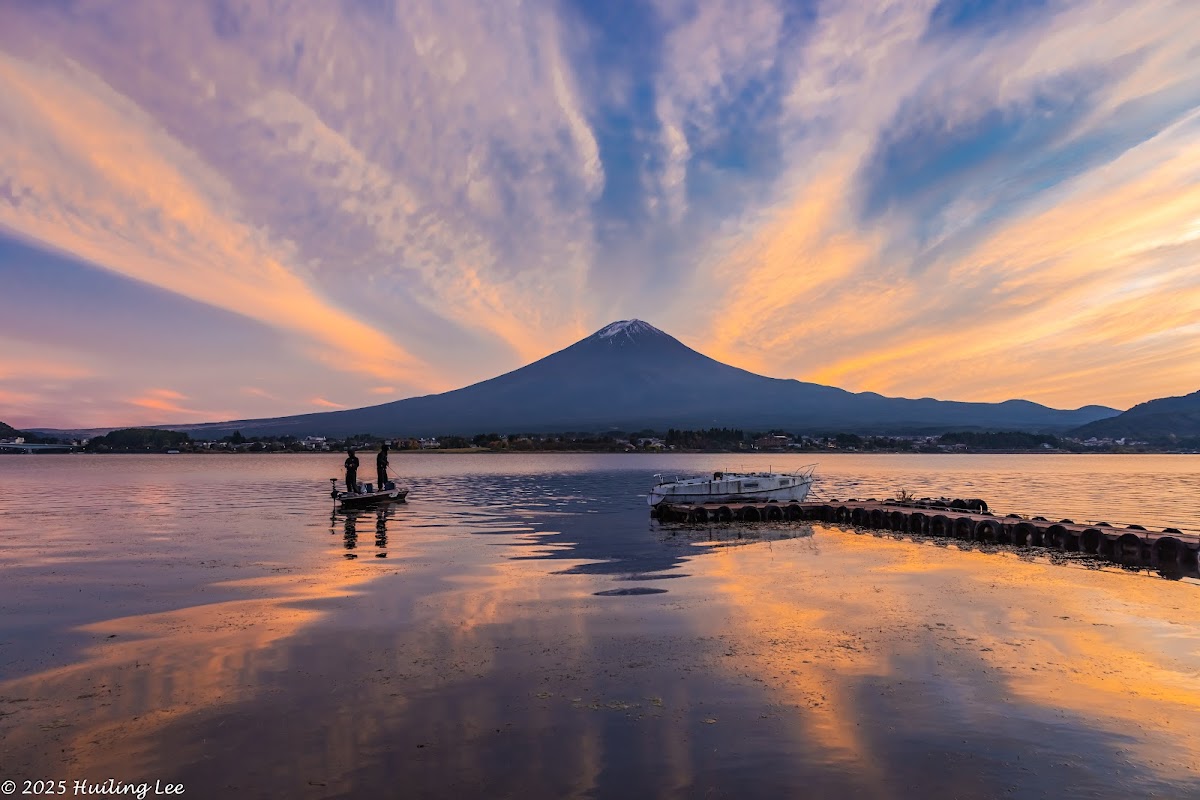
The view from the observation deck boasts one of the most spectacular vistas in the Kanto region, and on clear days, a breathtaking panorama unfolds.
Location and Basic Information
Kouyoudai Observation Restaurant House
- Location: 〒401-0320 Narusawa Village, Minamiutsumi District, Yamanashi Prefecture, 8527
- Observation deck admission: Adults ¥300, Children ¥200
- Operating hours: Usually 9:00 AM–5:00 PM (varies by season)
- Closed: During heavy snowfall and other adverse weather
- Inquiries: Narusawa Village Tourism Association / Michi no Eki Narusawa (TEL: 0555-85-3900)
Best Season for Autumn Foliage and How to Enjoy All Four Seasons
The Appeal of the Foliage Season
The Kouyoudai area is, as its name suggests, a famous autumn foliage spot. Maples, rowan trees, and beech trees turn color, and you can encounter stunningly beautiful scenery.
Best viewing periods:
- Typical: Late October to early November
- 2024 results: Around November 11 to December 2
Because of its high elevation, the autumn foliage begins somewhat earlier than in surrounding areas. It is also possible to see the contrast between Mount Fuji’s first snow and autumn foliage, and the panorama of red and yellow mountainsides paired with the white snow-covered Mount Fuji is spectacular.
Scenery for Each Season
Spring (April–May)
- New green of Aokigahara Forest and the remaining snow on Mount Fuji
- Cherry blossoms and azalea flowers add color
Summer (June–August)
- Dark green forest and Mount Fuji shining in the blue sky
- The cool breeze of the highland is pleasant
Autumn (September–November)
- Gradations of autumn foliage and spectacular Mount Fuji
- Clear air allows you to see far into the distance
Winter (December–March)
- Snowy forest landscape and snow-capped Mount Fuji
- Especially on clear winter days, the air is remarkably transparent
Detailed Access Methods|By Car and Public Transportation
Access by Car
From Kawaguchiko IC on the Chuo Expressway
- Exit at Kawaguchiko IC and head toward Lake Motosu on National Route 139
- Arrive at Kouyoudai entrance in approximately 15–20 minutes
- Approximately 25–30 minutes on foot from the parking lot to the observation deck
Parking Information:
- Kouyoudai Entrance Parking Lot: Approximately 30 spaces (free)
- Michi no Eki Narusawa: Approximately 280 spaces (free) *Approximately 40 minutes on foot from Michi no Eki to Kouyoudai
The parking lot becomes crowded on weekends during the autumn foliage season, so we recommend arriving early.
Access by Public Transportation
From Kawaguchiko Station on the Fuji Kyuko Line
- Take the Fuji Kyuko Bus from Kawaguchiko Station (bound for Lake Motosu / Shin-Fuji Station)
- Get off at “Kouyoudai Entrance” bus stop in approximately 25–30 minutes
- Approximately 25–30 minutes on foot from the bus stop to the observation deck
Bus Fare: Approximately ¥900 one way (varies by season)
Service Frequency: Several buses per day (varies by season)
*We recommend checking the Fuji Kyuko Bus official website for the bus schedule in advance.
Mountain Trails and Hiking Courses
Kouyoudai is also a popular destination for hiking and trekking.
Main Routes:
- From Kouyoudai Entrance: The most common route (approximately 25–30 minutes on foot)
- Via Sanko-dai: A traverse course from Kouyoudai to Sanko-dai (round trip approximately 2–3 hours)
- Toward Ashiwada Mountain: A full-scale mountaineering course for experienced hikers
The mountain trail is well-maintained, but we recommend wearing comfortable shoes such as sneakers or hiking boots.
Kouyoudai Observation Restaurant House and Observation Deck
Facilities at the Observation Restaurant House
Kouyoudai Observation Restaurant House is a facility where you can rest and eat.
Facilities:
- Restaurant and light meal corner
- Souvenir sales
- Resting area
- Restrooms
- Entrance to the paid observation deck
Recommended Menu Items:
- Houtou (noodles in miso broth with vegetables)
- Mount Fuji curry
- Local vegetable dishes
- Coffee and light meals
Views from the Observation Deck
The paid observation deck (¥300 for adults, ¥200 for children) allows you to enjoy a 360-degree panorama from an even higher vantage point.
Highlights:
- The majestic figure of Mount Fuji (southwest direction)
- The vast Aokigahara Forest (south direction)
- The surface of Lake Motosu (southeast direction)
- Lake Saiko (east direction)
- Peaks of the Southern Alps (northwest direction)
- Ridgeline of the Misaka Mountain Range (north to east direction)
On clear days, you can even see distant peaks of the Southern Alps such as Mount Kitadake and Mount Madake.
Nearby Tourist Spots and Nearby Facilities
Michi no Eki Narusawa
The closest michi no eki (roadside station) to Kouyoudai.
- Location: Narusawa Village, Minamiutsumi District, Yamanashi Prefecture, 8532-63
- Operating hours: 9:00 AM–6:00 PM (varies by season)
- Facilities: Mount Fuji Museum, restaurant, souvenir shops, agricultural product direct sales
- Parking: Approximately 280 spaces (free)
The facility has an attached museum where you can learn about the formation and nature of Mount Fuji, making it an ideal stop before or after visiting Kouyoudai.
Aokigahara Forest
A primeval forest spreading south of Kouyoudai.
- Area: Approximately 30 square kilometers
- Features: A forest formed on lava flows from Mount Fuji
- Tree age: Many trees are over 200 years old
- Highlights: Mystical forest scenery, lava caves
Guided tours are also offered, allowing you to safely experience the natural environment of the forest.
Lake Motosu
One of the Fuji Five Lakes, approximately 15 minutes by car from Kouyoudai.
- Features: The deepest of the Fuji Five Lakes with high transparency
- Highlights: The famous Mount Fuji design on the ¥1,000 note photographed at the north shore of Lake Motosu
- Activities: Canoeing, camping, fishing
The inverted reflection of Mount Fuji from the lake shore is also beautiful, and it’s a spot worth visiting together with Kouyoudai.
Lake Saiko
The nearest of the Fuji Five Lakes to Kouyoudai.
- Distance: Approximately 10 minutes by car
- Features: Quiet and peaceful atmosphere
- Highlights: Saiko Iyashi no Sato Negao (a settlement with thatched-roof houses), Koumori Cave
- Autumn foliage season: Late October to mid-November
The area around Lake Saiko is also known as a famous autumn foliage spot.
Narusawa Ice Cave and Fujigufuunzetsu Wind Cave
Lava caves located within Aokigahara Forest.
- Narusawa Ice Cave: 153 meters in length, a vertical cave
- Fujigufuunzetsu Wind Cave: 201 meters in length, a horizontal cave
- Admission: ¥350 for adults, ¥200 for children each (combination ticket available)
- Features: Year-round temperature of 0–3 degrees Celsius, icicles can be seen
These caves are cool even in summer and offer a mystical experience.
Precautions and Best Seasons When Visiting Kouyoudai
Clothing and Items to Bring
Clothing:
- Comfortable shoes for walking (sneakers or hiking boots)
- Layered clothing (large temperature differences due to high elevation)
- Hat and sunscreen (summer)
- Warm clothing (autumn and winter)
Items to Bring:
- Drinking water
- Light meals and snacks
- Camera
- Binoculars (also useful for bird watching)
- Rain gear (weather changes frequently)
Periods and Times When Crowding is Expected
Crowded Periods:
- Autumn foliage season (late October to early November) on weekends and holidays
- Golden Week
- Summer vacation period
Crowded Time Slots:
- Around 10:00 AM–2:00 PM
Tips for Avoiding Crowds:
- Visit on weekdays
- Early morning (8:00–9:00 AM) or evening (3:00 PM onward)
- Mid-November and later during the autumn foliage season are relatively less crowded
Weather and Best Timing to Visit
Times with High Probability of Clear Skies:
- Autumn (October–November)
- Winter (December–February)
Recommended Visiting Times:
- Morning: Mount Fuji appears clearly without backlighting
- Evening: Mount Fuji bathed in the sunset is beautiful
Mount Fuji tends to become cloudy in the afternoon, so a morning visit is recommended.
History and Geological Background of Kouyoudai
Geological Features
The area around Kouyoudai was formed by volcanic activity of Mount Fuji.
- Lava flows from approximately 1,200 years ago (Jogan eruption, 864 AD) formed Aokigahara Forest
- Kouyoudai is located at a small hill at the northern end of the lava flow
- Volcanic soil and elevation have created unique vegetation
Origin of the Name
As its name suggests, “Kouyoudai” was named after the beauty of its autumn foliage. It has been known as a scenic spot since the Edo period, and records remain of many literary figures and artists visiting.
Photography Spots and Best Angles
Recommended Photography Points
From the Observation Deck:
- Mount Fuji as Main Subject: Southwest direction, capturing Mount Fuji with Aokigahara Forest in the foreground
- Panorama: 360-degree scenery with a wide-angle lens
- Lake Motosu and Mount Fuji: Southeast direction, Lake Motosu and Mount Fuji together
From Mountain Trails:
- Combination of autumn foliage in the wooded areas and Mount Fuji
- Mystical landscape of the forest enveloped in morning mist
Photography Tips
- Early morning: Mount Fuji illuminated by the morning sun, the forest in morning mist
- Autumn clear days: Autumn foliage and blue sky, contrast with Mount Fuji
- Winter clear days: Snow landscape with clear air and distant views
- Tripod use: For landscape photography, a tripod helps stabilize composition
Nearby Accommodation and Dining Information
Recommended Accommodation Areas
Around Lake Kawaguchi (approximately 30 minutes by car):
- Numerous hot spring inns and resort hotels
- Many accommodations with Mount Fuji views
- Abundant restaurants and tourist facilities
Around Lake Saiko (approximately 15 minutes by car):
- Quiet lakeside accommodations
- Pensions and small inns are the center
- Surrounded by nature
Around Lake Motosu (approximately 20 minutes by car):
- Well-equipped camping grounds
- Outdoor-oriented accommodations
Regional Cuisine
Houtou:
- A traditional dish of Yamanashi Prefecture
- A vegetable-rich miso-flavored noodle dish
- Served at Michi no Eki Narusawa and nearby restaurants
Yoshida Udon:
- A specialty of Fujiyoshida City
- Noodles with firm texture
Dishes Using Mount Fuji Spring Water:
- Tofu, buckwheat noodles, coffee, and more
- The blessings of pure water
FUJISAN LONG TRAIL and Kouyoudai
Kouyoudai comprises part of the “FUJISAN LONG TRAIL”.
What is FUJISAN LONG TRAIL
A long trail of approximately 150 kilometers that circles Mount Fuji, and Kouyoudai is included in the “Misaka · Mitsutoge Area NORTH” section.
Section Including Kouyoudai:
- Kouyoudai~Sanko-dai~Ashiwada Mountain
- Distance: Approximately 5–8 km
- Estimated time: 3–5 hours
- Difficulty: Beginner to Intermediate
If you want to enjoy more full-scale hiking, walking part of the long trail is also recommended.
Model Courses for Area Sightseeing with Kouyoudai as a Base
One-Day Course (by Car)
9:00 AM Arrival at Kawaguchiko IC
↓ (15 minutes)
9:15 AM Information gathering and restroom break at Michi no Eki Narusawa
↓ (5 minutes)
9:30 AM Arrival at Kouyoudai parking lot
↓ (30-minute walk)
10:00 AM Spectacular views at Kouyoudai Observation Deck (1 hour)
↓ (30-minute walk)
11:30 AM Return to parking lot
↓ (15 minutes)
12:00 PM Lunch and exploration at Lake Motosu (1.5 hours)
↓ (20 minutes)
2:00 PM Visit Narusawa Ice Cave or Fujigufuunzetsu Wind Cave (1 hour)
↓ (10 minutes)
3:30 PM Visit Saiko Iyashi no Sato Negao (1 hour)
↓ (20 minutes)
5:00 PM Head back toward Kawaguchiko IC
Two-Day Course (Using Public Transportation)
Day 1
- Arrive at Kawaguchiko Station
- Take bus to Kouyoudai
- Hiking from Kouyoudai to Sanko-dai
- Stay in accommodation near Lake Saiko
Day 2
- Explore the area around Lake Saiko
- Guided tour of Aokigahara Forest
- Purchase souvenirs at Michi no Eki Narusawa
- Return journey from Kawaguchiko Station
Summary|How to Best Enjoy the Charm of Kouyoudai
Kouyoudai in Narusawa Village, Minamiutsumi District, Yamanashi Prefecture, is one of the premier scenic viewing spots in the Kanto region where you can see Mount Fuji and Aokigahara Forest in a 360-degree panorama. While it is renowned as a famous autumn foliage spot, you can encounter spectacular scenery throughout all four seasons.
Points for a Visit:
- Best autumn foliage season is late October to early November
- Convenient car access (approximately 20 minutes from Kawaguchiko IC)
- Light hiking of approximately 30 minutes on foot to the observation deck
- Recommended to combine sightseeing with nearby Lake Motosu, Lake Saiko, and Michi no Eki Narusawa
- With favorable weather, you can see a grand panorama extending even to the Southern Alps
Kouyoudai allows you to simultaneously enjoy the majestic nature at the foot of Mount Fuji and the mystical scenery of Aokigahara Forest. Please visit and experience its stunningly beautiful landscape for yourself.
-800x450.jpg)
-800x450.jpg)
-800x450.jpg)