
Kameyama Lake Chiba Prefecture Complete Guide | Thorough Explanation of Access, Tourist Spots, and How to Enjoy All Four Seasons
Kameyama Lake, located in Kimitsu City, Chiba Prefecture, is known as the inner sanctum of the Boso Peninsula and is the prefecture’s largest dam lake. With excellent access of about 70 minutes from central Tokyo and a rich natural environment, it is popular as a tourist destination where you can enjoy diverse outdoor activities throughout the year, including fishing, camping, cycling, and autumn leaf viewing.
About Kameyama Lake | Overview of Chiba Prefecture’s Largest Dam Lake
History and Basic Information of Kameyama Dam
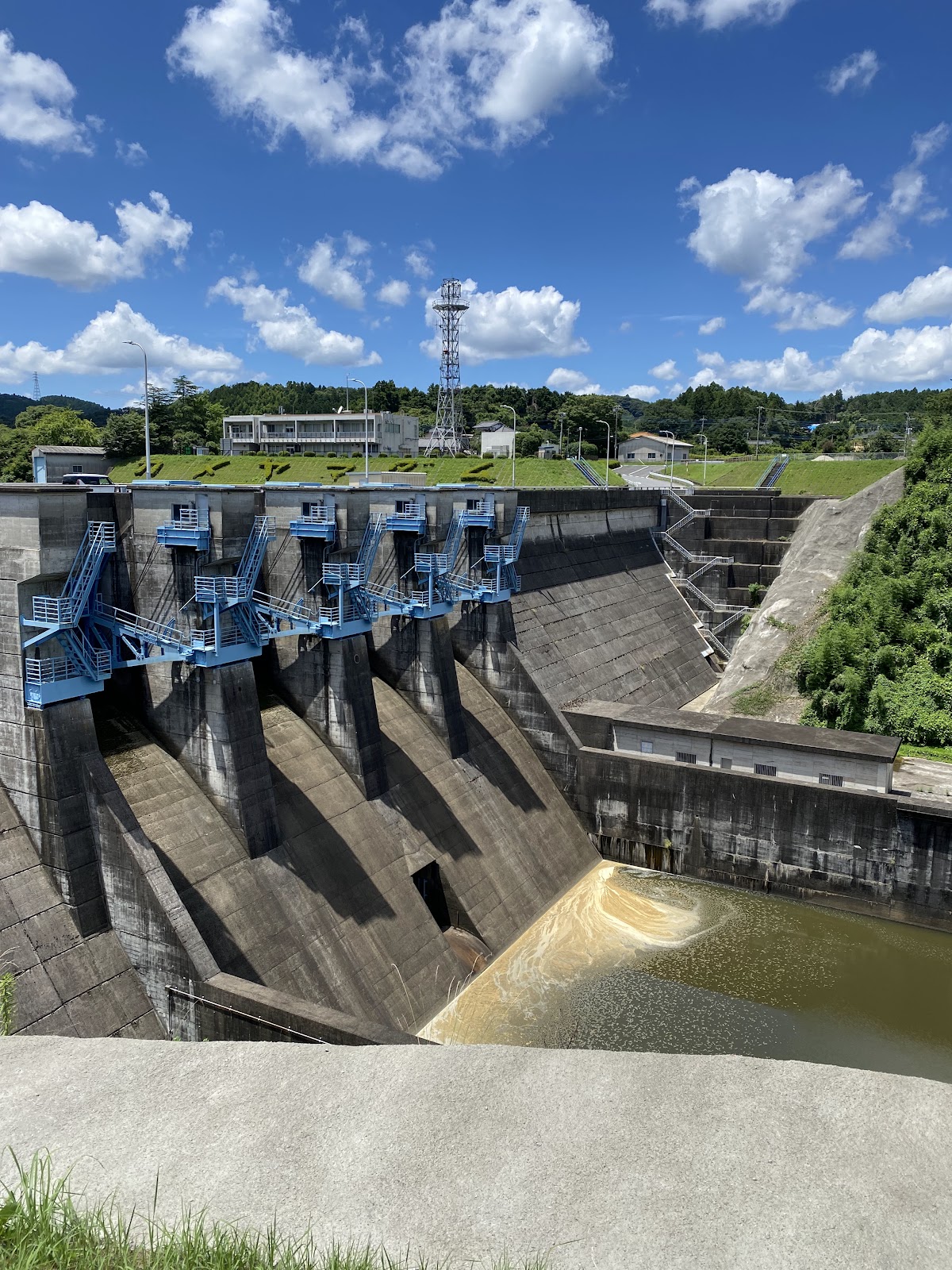
Kameyama Lake was created by Kameyama Dam, which was completed in March 1980 after approximately 10 years of construction that began in 1969 (Showa 44). This dam, which was created by blocking the upper reaches of the Obitsu River, serves as Chiba Prefecture’s first and largest multipurpose dam, playing an important role in flood control, water supply, and power generation.
The dam stands 34.5 meters high, has a crest length of 410 meters, and boasts a total storage capacity of approximately 25 million cubic meters. This massive structure has been designated as one of Kimitsu City’s “20th Century Heritage to Pass on to Future Generations” and is recognized as an important facility with historical and cultural value to the region.
Natural Environment and Characteristics of Kameyama Lake
The area surrounding Kameyama Lake is located in the central part of the Boso Peninsula and is characterized by a natural environment surrounded by verdant mountains. The shoreline is intricately complex, with 25 bridges spanning the area. The cycling course that tours these bridges is known as the signature activity of the region.
The water quality of the lake is excellent, and it displays beautiful appearances in each season. Spring brings fresh greenery, summer brings deep green, autumn brings autumn leaves, and winter brings a serene lake surface, with different scenery to enjoy in each season. Particularly during the autumn leaf season from mid to late November, the entire lakeshore, centered on Kameyama Gorge, turns red and yellow, attracting many tourists.
How to Access Kameyama Lake
Access by Train
When using public transportation, the Kamatsura Kameyama Station on the JR Kururi Line is the nearest station. The following route from Tokyo Station is convenient:
- About 1 hour on the JR Sobu Line and Uchibo Line to Kisarazu Station
- Transfer to the JR Kururi Line at Kisarazu Station, about 50 minutes to Kamatsura Kameyama Station
- About 10 minutes on foot from Kamatsura Kameyama Station to the lakeside
Kamatsura Kameyama Station is an unmanned station, but directional signs are posted in the surrounding area, so first-time visitors can reach the lakeside without getting lost. However, since the Kururi Line has limited train frequency, it is recommended to check the timetable in advance.
Access by Car and Parking Information
Access by car is very convenient, with a travel time of about 70 minutes from central Tokyo.
Main Route:
- Use the Metropolitan Expressway and Tateyama Expressway, exit at Kimitsu IC
- Via National Route 410 to Prefectural Route 24 (toward Kamogawa)
- About 30 minutes to reach the Kameyama Lake area
Parking:
Multiple free parking areas are developed around Kameyama Lake. In particular, the “Kameyama Yasuragi Hall” has a spacious free parking lot and is convenient as a base for tourism. Early arrival is recommended as congestion is expected during the autumn leaf season and when events are held.
How to Enjoy Kameyama Lake | Seasonal Activity Guide
Kameyama Lake in Spring | Fresh Greenery and Cycling
Spring at Kameyama Lake is a season of beautiful fresh greenery. The trees along the lakeshore begin to sprout, and the sight of vivid green reflected on the lake surface is spectacular. The weather during this period is mild, making it an ideal season for cycling.
25 Bridge Cycling Tour:
With 25 bridges spanning the area around Kameyama Lake, a cycling course that tours them is popular. The approximately 20-kilometer course offers difficulty levels that can be enjoyed by everyone from beginners to experienced cyclists, with rest stops scattered along the way. Since rental bicycles are available, you can enjoy the experience even if you come empty-handed.
Kameyama Lake in Summer | Fishing and Camping
Summer at Kameyama Lake is bustling with outdoor enthusiasts enjoying fishing and camping.
Appeal as a Fishing Spot:
Kameyama Lake is nationally known as a mecca for crucian carp and largemouth bass fishing. Boathouses are scattered throughout the surrounding area, where you can rent hand-paddled boats or motorboats. Some facilities also offer fishing experience programs for beginners, so families can enjoy them with peace of mind.
Campground Information:
Several camping facilities are developed along the lakeshore, including “Kameyama Lake Auto Campground,” “Nagasaki Campground,” and “Inagasaki Auto Campground.” At night, you can enjoy a starry sky, an experience of nature that cannot be had in the city. Each campground is equipped with power sites and shower facilities, allowing you to enjoy camping comfortably.
Kameyama Lake in Autumn | Autumn Leaf Viewing and Events
Autumn is the most beautiful season at Kameyama Lake. From mid to late November, the entire lakeshore is colored with autumn leaves.
Kameyama Autumn Festival:
The “Kameyama Autumn Festival,” held annually in November, is the largest event in the area. Enjoy a tour of autumn leaves on a sightseeing boat, participate in a hiking event, and a variety of other programs are available. Many food stalls serving local gourmet food are set up, attracting many tourists.
Autumn Leaf Viewing Spots:
The area around Kameyama Gorge in particular is known as a famous autumn leaf viewing destination. A walking path has been developed, allowing you to enjoy the autumn leaves while strolling at a leisurely pace. The sight of autumn leaves reflected on the lake surface is also popular as a photography spot.
Kameyama Lake in Winter | Serene Scenery and Hot Springs
Winter at Kameyama Lake is an off-season with fewer tourists, allowing you to spend quiet time. In the clear air, the winter landscape reflected on the lake surface has a fantastical beauty.
Kameyama Hot Spring:
Hot springs flow at the lakeside, and you can warm your chilled body. Known to be effective for neuralgia and joint pain, you can enjoy the hot spring at day-use bathing facilities, hotels, and inns. It is also recommended to relax in the hot spring as a way to end your winter sightseeing.
Tourist Spots Around Kameyama Lake
Kameyama Yasuragi Hall
A convenient facility that serves as a base for Kameyama Lake tourism. It functions like a roadside station, where you can purchase local specialty products and souvenirs, as well as gather tourism information. It has a spacious free parking lot and is equipped with restrooms and a rest area.
Lakeside Park
Several developed parks are located along the Kameyama Lake shoreline. Grassy areas and benches are set up, making them ideal for picnicking and rest. Popular with families with children, you can spend a leisurely time while enjoying the view of the lake.
Hiking Toward Kiyosumi Mountain
A hiking course from Kameyama Lake toward Kiyosumi Mountain is also popular. Following the headwaters of the Obitsu River, you can immerse yourself in the rich nature of the Boso Peninsula. While full mountaineering equipment is not necessary, participation in easy-to-walk shoes and clothing is recommended.
Lodging Facilities at Kameyama Lake
Hotels and Inns
Several hotels and inns are scattered along the lakeshore, with many featuring hot springs. Guest rooms with views of the lake and cuisine using local ingredients are well-regarded. In particular, reservations tend to be concentrated during the autumn leaf season, so early booking is recommended.
Lodging at Campgrounds
For those seeking a more natural experience, lodging at a campground is recommended. In addition to tent camping, some facilities have bungalows and cottages, making them safe for camping beginners to use. The silence of the night and the starry sky are luxurious experiences that cannot be had in the city.
Precautions and Etiquette for Kameyama Lake Tourism
Consideration for Nature Conservation
The area around Kameyama Lake is an environment where rich nature is maintained. Always take your trash with you, and refrain from collecting plants or feeding wildlife. Individual awareness is important to preserve beautiful nature for future generations.
Fishing Rules
When enjoying fishing, you need to purchase a fishing license. Also, fishing-restricted areas and periods may be set, so check in advance. Practice catch-and-release and cooperate in resource conservation.
Safety Management
When boating, always wear a life jacket. Be aware of sudden weather changes. Special caution is necessary for summer thunderstorms and thick fog from autumn to winter.
Gourmet Information Around Kameyama Lake
Cuisine Using Local Ingredients
The Kimitsu City area offers fresh freshwater fish dishes and wild vegetable dishes. Some restaurants serve dishes made with crucian carp and largemouth bass caught in Kameyama Lake. Being able to enjoy both the bounty of the sea and mountains of the Boso Peninsula simultaneously is also a charm of this area.
Roadside Stations and Farm Stands
Including Kameyama Yasuragi Hall, there are farm stands for local agricultural products in the surrounding area. You can purchase seasonal vegetables and fruits, as well as handmade processed goods. Particularly in autumn, rice, chestnuts, and persimmons appear, and they are popular as souvenirs.
Model Courses for Kameyama Lake Tourism
Day Trip Course
Morning:
- 9:00 Arrival at Kamatsura Kameyama Station or Kameyama Yasuragi Hall parking lot
- 9:30 Lakeside stroll and photography
- 10:30 Begin 25 Bridge cycling tour with rental bicycle
Lunch:
- 12:00 Lunch at a lakeside restaurant
- 13:00 Boating or fishing experience
Afternoon:
- 15:00 Bathe in Kameyama Hot Spring
- 16:00 Souvenir shopping
- 17:00 Return home
1 Night 2 Day Course
Day 1:
- Morning: Arrive at Kameyama Lake, check in at campground
- Afternoon: Fishing or boating
- Evening: Barbecue
- Night: Stargazing
Day 2:
- Morning: Early morning lakeside stroll, breakfast
- Late morning: Check out, cycling
- Afternoon: Hot spring bathing, local sightseeing
- Evening: Return home
Kameyama Lake Annual Event Calendar
Spring Events
In spring, cherry blossom viewing events coinciding with cherry blossoms and new green hiking may be held. Nature observation meetings organized by local tourism associations are also popular.
Summer Events
Summer features fireworks displays, with fireworks reflected on the lake surface earning a good reputation. Fishing competitions and camping events are also held.
Autumn Events
The aforementioned “Kameyama Autumn Festival” is the largest event. Autumn leaf viewing tours, hiking competitions, local gourmet fairs, and a variety of other programs are offered.
Winter Events
Winter is a relatively quiet season, but New Year’s sunrise events may be held during the year-end and New Year holidays. Also, hot spring facilities may offer winter-limited plans.
Information Useful for Kameyama Lake Tourism
Tourist Information Center
The Kimitsu City Tourism Association Kameyama Branch provides detailed tourism information. Inquiries by phone and information gathering via website are possible. On site, you can obtain tourism maps and pamphlets at Kameyama Yasuragi Hall and other locations.
Weather and Clothing
The area around Kameyama Lake is located in a mountainous region, so temperatures are lower than in central Tokyo. Particularly in the early morning and evening, it can get cold, so prepare clothing appropriate for the season. Even in summer, it’s reassuring to have a long-sleeved cardigan. It is also recommended to bring insect repellent and sunscreen.
Mobile Phone Signal Conditions
The signals of major carriers are generally available without problems around the lakeshore, but there are places in mountainous areas and gorges where connections are difficult. As a precaution for emergencies, it is reassuring to make notes of important information in advance.
Conclusion | Kameyama Lake is a Natural Tourist Destination Representing Chiba Prefecture
Kameyama Lake, the prefecture’s largest dam lake boasted by Kimitsu City, Chiba, is a tourist destination where you can enjoy beautiful natural scenery and diverse activities in all four seasons. Despite being only about 70 minutes from central Tokyo, this area surrounded by abundant nature is ideal for both day trips and overnight stays.
Each season has different attractions: fresh greenery in spring, fishing and camping in summer, autumn leaves in autumn, and serenity and hot springs in winter. Outdoor activities are abundant, including the 25 Bridge cycling tour, boating, and hiking, so visitors of all backgrounds, from families to solo travelers, can enjoy it.
Kameyama Lake and Kameyama Dam, designated as one of Kimitsu City’s “20th Century Heritage to Pass on to Future Generations,” are not merely tourist destinations but important places symbolizing the region’s history and culture. While protecting the rich natural environment, it will continue to be a beloved tourist destination for many people.
Consider visiting Kameyama Lake for a weekend getaway or as a destination for a vacation during your time off. In the inner sanctum of the Boso Peninsula, you can spend a luxurious time immersed in nature, away from the hustle and bustle of the city.
-800x450.jpg)
-800x450.jpg)
-800x450.jpg)