Complete Guide to Gakuenjis (Izumo City, Shimane Prefecture) | Thorough Explanation of the Benkei Legend and Autumn Leaves Temple
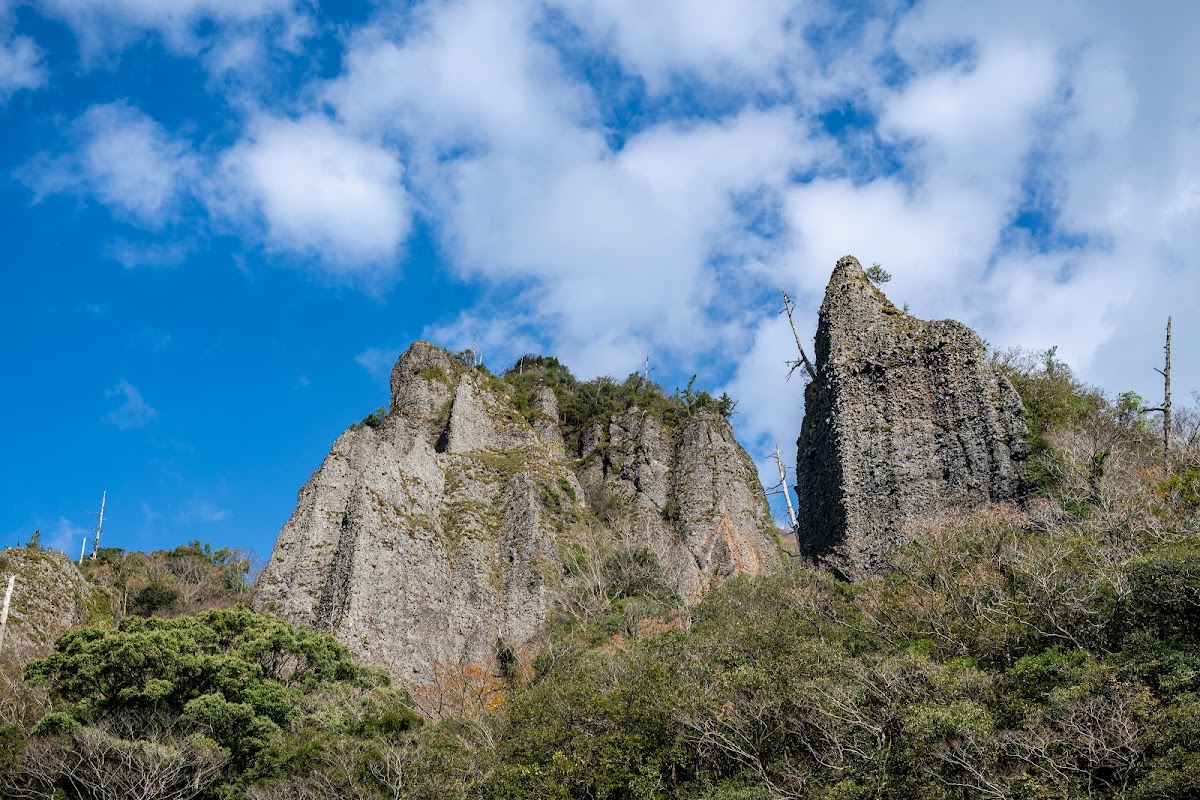
Gakuenji (鰐淵寺), nestled in Bessho-cho, Izumo City, Shimane Prefecture, is an ancient Tendai Buddhist temple boasting a history of over 1,400 years. Founded as an imperial temple by order of Empress Suiko, it is known as the legendary place where Musashibo Benkei practiced asceticism, and as Shimane Prefecture’s premier autumn foliage destination, continuing to captivate many pilgrims. The grounds, designated as a national historic site, are situated deep in the mountains and convey the solemn atmosphere of a sacred site for Shugendo (mountain asceticism) to this day.
History and Origins of Gakuenji
Foundation by Imperial Order of Empress Suiko
Gakuenji is said to have been founded in 594 (the 2nd year of Suiko). A Buddhist monk named Chishun from Shinano Province (present-day Nagano Prefecture) performed ascetic practices at the Ukiyo Waterfall in this location to pray for the recovery of Empress Suiko’s eye ailment. His prayers bore fruit, and when the empress’s eyes were miraculously healed, the temple was established by imperial order.
The Origin of the Name “Gakuenji”
The name has an intriguing legend. During Chishun’s ascetic practices at the Ukiyo Waterfall, he accidentally dropped a vessel into the waterfall pool. Miraculously, a “crocodile” (wani) retrieved it and brought it back, and this extraordinary event became the origin of the name “Gakuenji.” This legend speaks to the sacred nature of this location’s deep connection with water.
Development as a Prominent Tendai Temple
During the Heian period, Gakuenji developed significantly as a Tendai temple, and at its height, over 300 subsidiary monasteries stood within its grounds, with as many as 3,000 monks practicing there, making it a major religious center. Bearing the mountain name “Ukiyo-san,” it maintained close ties with Enryakuji on Mount Hiei and served as the center of Tendai Buddhism in the Izumo region. In the medieval period, it was also known as a sacred site of Shugendo, where many ascetics engaged in rigorous training.
Deep Connection with Benkei
Gakuenji is known for its deep ties to Musashibo Benkei. According to tradition, Benkei trained at this temple in his youth, and numerous legends related to him remain within the grounds. Most famously, the legend tells how Benkei brought back a temple bell from Mount Hiei and carried it up the long stone steps, giving rise to the “Benkei’s Bell” legend. This bell is still carefully preserved as a temple treasure.
Grounds and Principal Structures of Gakuenji
Grounds Designated as a National Historic Site
Gakuenji’s grounds were designated as a national historic site in 2016. Located deep in the northern mountains on the western side of the Shimane Peninsula, a pathway of approximately 500 meters stretches from the parking area to the main hall. This darkened pathway through dense trees offers visitors a special experience of transition from the secular world into a sacred realm.
Niomon Gate
After walking about 15 minutes from the parking lot, visitors encounter the imposing Niomon Gate, the entrance to the temple grounds. Imposing Niō statues are enshrined on both sides, and passing through this gate marks entry into the temple’s core.
Main Hall (Guest Hall)
Beyond the Niomon Gate stands the main building, which serves as the temple office and reception area. The structure retains Edo period architectural style, and precious temple treasures and documents are stored within. During autumn foliage season, the garden surrounding the main building is beautifully colored.
Benkei’s Stone Steps
The long flight of stone steps leading from the main building to the root hall is called “Benkei’s Stone Steps.” Named after the legend of Benkei carrying the bell up these steps, they comprise approximately 200 steps, presenting a physical challenge to visitors. However, the greenery and foliage on both sides of the steps are magnificent, and the changing scenery rewards each step upward.
Root Hall (Main Hall)
At the top of the steps stands the Root Hall, housing the principal images: a Thousand-Armed Avalokiteshvara and Bhaisajyaguru (Medicine Buddha). The interior is enveloped in a solemn atmosphere that conveys the weight of history. The Avalokiteshvara statue is believed to date from the Heian period and, along with the Medicine Buddha statue, is carefully preserved as an important cultural property.
Ukiyo Waterfall
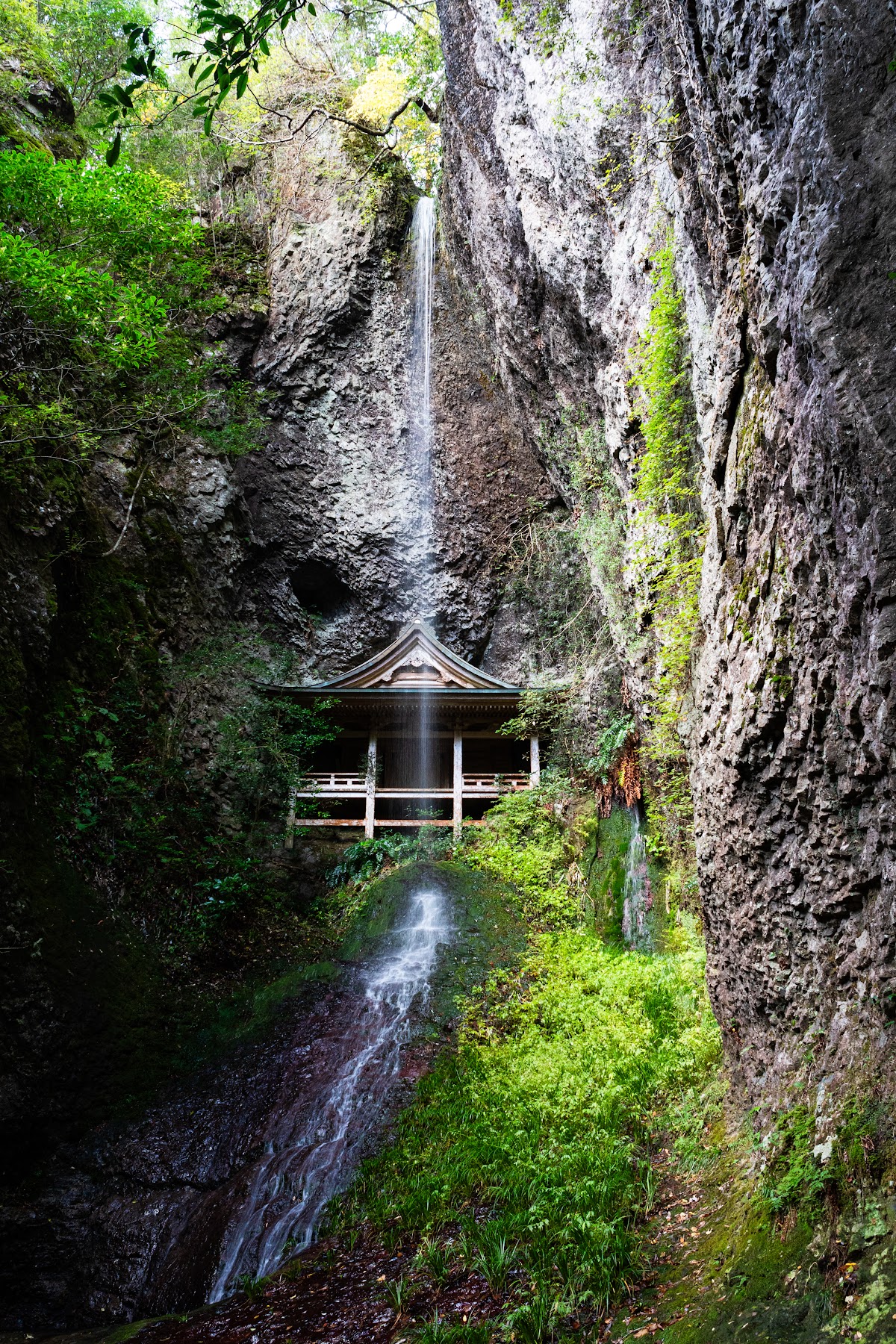
The Ukiyo Waterfall, which gave rise to the temple’s founding, lies further within the grounds. It is the sacred site where Chishun performed his ascetic practices, and clear water still flows there today. Fudo Myōō is enshrined before the falls, with a strong atmosphere of Shugendo sacred site remaining.
Cultural Properties and Temple Treasures of Gakuenji
National Designated Important Cultural Properties
Gakuenji houses multiple nationally designated important cultural properties, particularly a collection of Buddhist statues created from the Heian through Kamakura periods. The standing Avalokiteshvara statue, influenced by Silla art, exemplifies refined beauty and serves as a valuable record of international cultural exchange of that era.
Benkei’s Bell
Among the temple treasures, the “Benkei’s Bell” is particularly renowned. According to legend, this bell, which Benkei allegedly brought back from Mount Hiei, bears an inscription stating “When pulled, Benkei shows his strength; when pushed, the monks of Hiei show theirs.” Currently unavailable for direct viewing, it remains an essential treasure in narrating the temple’s history.
Ancient Documents and Records
Gakuenji preserves numerous valuable documents from the medieval to early modern periods. These materials are important resources for researching not only the temple’s history but also the social and religious history of the Izumo region.
Shimane Prefecture’s Premier Autumn Foliage Destination
Foliage Viewing Season and Characteristics
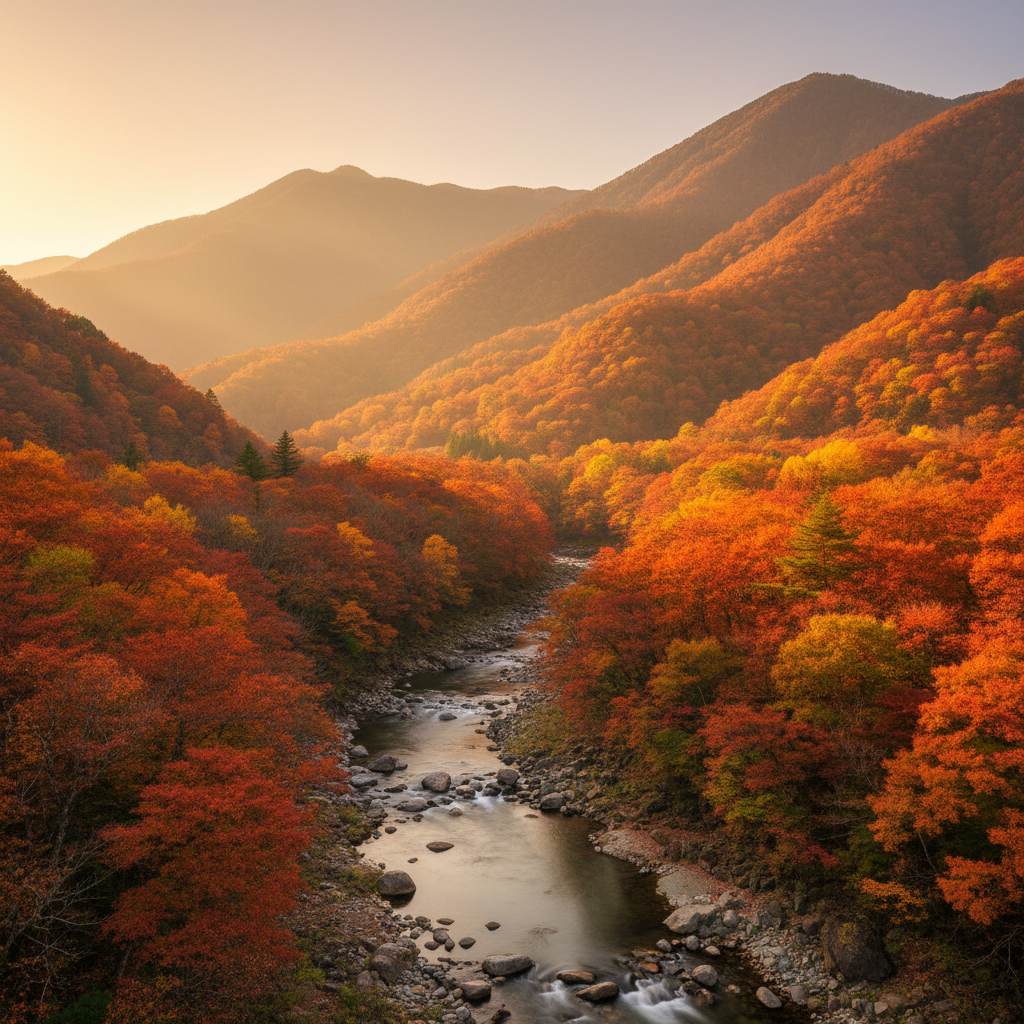
Gakuenji is known as one of the most beautiful autumn foliage spots in Shimane Prefecture. The typical peak viewing period runs from mid-November through late November, when the entire grounds turn brilliant crimson—a sight to behold. The foliage from the pathway to the main building is particularly spectacular, with dappled sunlight creating a fantastical atmosphere through the autumn leaves.
Ways to Enjoy the Foliage
During foliage season, an early morning visit is recommended. Autumn leaves shrouded in morning mist create a mystical setting ideal for photography. Also noteworthy are the foliage tunnel formed by trees overhead while ascending Benkei’s Stone Steps and the carpet of fallen leaves visible from the Root Hall below.
Crowds During Peak Foliage Season
Peak foliage period in mid-November, especially on weekends, attracts many tourists resulting in crowding. For a leisurely visit, weekday mornings or early November (foliage beginning) or late November (foliage ending) are recommended.
Gakuenji’s Position as a Sacred Site
25th Station of the Chugoku Kannon Pilgrimage
Gakuenji is designated as Station No. 25 of the “Chugoku Kannon Pilgrimage,” which encompasses 33 Avalokiteshvara sacred sites across the Chugoku region. As a pilgrimage site for Kannon devotion, it receives many pilgrims.
3rd Station of the Izumo Kannon Pilgrimage
It also holds an important position in the Izumo region’s Kannon pilgrimage circuit as Station No. 3 of the Izumo Kannon Pilgrimage. Serving as a central focus of regional faith, it continues to receive prayers from many people.
2nd Station of the Izumo Koku Shimboku Reijo
In Izumo, a region with a history of syncretism between Shinto and Buddhism, Gakuenji is also known as Station No. 2 of the Izumo Koku Shimboku Reijo (Izumo Divine-Buddhist Sacred Site). It serves as an important hub for pilgrimage circuits encompassing Shinto shrines and temples, including the Grand Shrine of Izumo.
Pilgrimage Information and Access
Basic Information
Location: 148 Bessho-cho, Izumo City, Shimane Prefecture
Phone: 0853-66-0250
Viewing Hours: 8:00 AM to 4:15 PM (Closing at 5:00 PM)
Admission: ¥500 adults, ¥300 junior and high school students, ¥200 elementary students
Closed: No regular closures (except during severe weather)
Access by Car
- Approximately 30 minutes from “Izumo IC” on the San’in Expressway
- Approximately 25 minutes from Izumo city center via National Route 431
- Approximately 15 minutes walk from parking area to main building
- Free parking available (capacity approximately 50 vehicles)
Access by Public Transportation
- Approximately 30 minutes by taxi from “Izumo-shi Station” on the JR San’in Main Line
- Get off at “Gakuenji” bus stop on the Ichibata Bus (verify schedule in advance as service is infrequent)
- Temporary buses may operate during foliage season
Notes for Visiting
- From the parking area to the main hall is approximately 500 meters of mountain trail; wear comfortable hiking shoes
- Benkei’s Stone Steps comprise approximately 200 steps; those with weak legs should proceed at their own pace with rest breaks
- As the temple is in the mountains, insect repellent spray is useful even in summer
- In winter, check conditions in advance due to possible snow and icy roads
Nearby Tourist Attractions
Izumo Taisha
Approximately 40 minutes by car from Gakuenji, Izumo Taisha, nationally famous as the deity of good matchmaking, is visited by many tourists in combination with Gakuenji, offering an opportunity to experience the history of Shinto-Buddhist syncretism.
Ichibata Yakushi
Known as the “Medicine Buddha for the Eyes,” Ichibata Yakushi is similarly situated in the Shimane Peninsula mountains. Approximately 30 minutes by car away, it receives many pilgrims seeking relief from eye ailments.
Hinomisaki Shrine
Further west from Izumo Taisha along the Sea of Japan coast, Hinomisaki Shrine is known as “Hishizumi-no-miya” (the Shrine of the Setting Sun). Visitors can enjoy beautiful vermillion-lacquered structures and scenic views of the Sea of Japan.
Annual Events at Gakuenji
Spring Grand Festival
Held each April, the Spring Grand Festival offers prayers to the principal images—the Thousand-Armed Avalokiteshvara and Medicine Buddha—for abundant harvests and good health. Local people gather for traditional religious services.
Autumn Grand Festival
Held during the autumn foliage season in November, this important festival gives thanks for the year’s harvests and prays for next year’s abundance.
Shojoe (New Year Ceremony)
Shojoe, the first religious service of the new year, is a traditional ceremony praying for national peace and abundant harvests. Solemn rituals following Tendai Buddhist practice are conducted.
Recommended Visiting Plans for Gakuenji
Half-Day Course (Foliage Season)
9:00 AM Arrive at parking lot; leisurely explore the pathway for 15 minutes
9:30 AM View Niomon Gate and main building
10:00 AM Climb Benkei’s Stone Steps and visit the Root Hall
11:00 AM Extend visit to Ukiyo Waterfall (30 minutes round trip)
12:00 PM Descend and enjoy local cuisine nearby
Full-Day Course (Shrine and Temple Tour)
Morning Gakuenji pilgrimage (2-3 hours)
Lunch Enjoy local Izumo soba noodles
Afternoon Visit Izumo Taisha
Evening Visit Hinomisaki Shrine and enjoy the sunset
Maximizing the Charm of Gakuenji
Advantages of Early Morning Visits
To experience Gakuenji’s true charm, early morning visits are recommended. Enveloped in the morning silence, with only birdsong and rustling leaves audible, the grounds truly convey the solemn atmosphere befitting a sacred ascetic site.
Beauty Through the Seasons
While famous for autumn foliage, Gakuenji displays distinct beauty in each season. Spring’s fresh greenery, summer’s deep verdure, autumn’s crimson leaves, and winter’s snow create entirely different faces depending on the season of visit.
Photography Points
- Contrast of dappled sunlight and foliage along the pathway
- Harmony of the Niomon Gate with surrounding nature
- Upward angle of Benkei’s Stone Steps
- View of the foliage ocean from the Root Hall
- Mystical atmosphere of Ukiyo Waterfall
Conclusion
Gakuenji in Izumo City, Shimane Prefecture, is a Tendai temple with over 1,400 years of history, possessing multifaceted charm as an imperial temple by order of Empress Suiko, a site of Benkei’s ascetic training, and Shimane’s premier autumn foliage destination. The grounds, designated a national historic site and situated deep in the mountains, convey the solemn atmosphere of a Shugendo sacred site to this day.
Throughout the grounds—from the pathway leading from the parking area to the main hall, to the stone steps Benkei allegedly climbed while carrying the bell, to the Ukiyo Waterfall that gave rise to the temple’s founding—history and legend breathe at every turn. The beauty during foliage season is particularly extraordinary, with the grounds turned brilliant crimson captivating all who visit.
As a station on the Chugoku Kannon Pilgrimage, Izumo Kannon Pilgrimage, and Izumo Koku Shimboku Reijo, it maintains an important position, continuing to receive pilgrims and visitors. Combining a visit here with nearby attractions including Izumo Taisha allows deeper understanding of the rich history and culture of the Izumo region.
The pilgrimage—walking forest paths and climbing long stone steps—is not without its challenges, but the solemn main hall awaiting at journey’s end, combined with beautiful nature and the special space woven by 1,400 years of history, promises an experience well worth the effort. When visiting Shimane Prefecture, be sure to visit Gakuenji.