.jpg)
Expo ’70 Memorial Park (Osaka Prefecture) Complete Guide 2024: Thorough Explanation from the Tower of the Sun to Seasonal Flowers
Expo ’70 Memorial Park, located in Suita City, Osaka Prefecture, is a vast park covering approximately 260 hectares, developed from the site of the Japan World Exposition (Osaka Expo) held in 1970. Centered around the iconic Tower of the Sun, the park features a Japanese garden, natural and cultural gardens, and various sports facilities, attracting numerous visitors throughout the year.
This article provides detailed information useful for planning a visit, including the history of Expo ’70 Memorial Park, major attractions, seasonal activities, access methods, and admission fees.
History and Overview of Expo ’70 Memorial Park
The Legacy of the 1970 Osaka Expo
Expo ’70 Memorial Park was built on the site of the Japan World Exposition (EXPO ’70) held from March 15 to September 13, 1970. This exposition, themed “Progress and Harmony for Mankind,” drew 77 participating countries and recorded approximately 64.21 million visitors, making it the largest expo of its time and symbolizing Japan’s period of rapid economic growth.
After the expo closed, the site was developed into a “culture park surrounded by greenery,” and Expo ’70 Memorial Park officially opened on March 15, 1972. The Tower of the Sun, designed by artist Okamoto Taro, remains in the park as the symbol of the expo and has become a landmark representing Osaka.
Basic Information about the Park
- Location: Senri Banpaku Park, Suita City, Osaka Prefecture
- Total Area: Approximately 264 hectares
- Hours: 9:30 AM – 5:00 PM (admission until 4:30 PM)
- Closed: Wednesdays (or the following day if Wednesday is a holiday); year-end and New Year’s holidays (open continuously from April 1 through Golden Week and throughout October and November)
- Management: Operated by Osaka Prefecture under a designated management system
Tower of the Sun: Symbol of Expo ’70 Memorial Park
Overview and Features of the Tower of the Sun
The Tower of the Sun is an art work designed by artist Okamoto Taro as a symbol of the Theme Pavilion at the 1970 Osaka Expo. Standing approximately 70 meters tall with a base diameter of about 20 meters and arm length of approximately 25 meters, this tower exerts an overwhelming presence and continues to captivate visitors today.
The tower features three faces:
- The Golden Face (top): A golden face symbolizing the future, approximately 10.6 meters in diameter
- The Sun Face (front center): A face symbolizing the present, approximately 12 meters in diameter
- The Black Sun (back): A black face symbolizing the past, approximately 8 meters in diameter
These faces express past, present, and future, representing the evolution and harmony of humankind.
Interior Tour of the Tower of the Sun
Beginning in March 2018, the interior of the Tower of the Sun was opened to the public for the first time in approximately 48 years. The interior features the “Tree of Life,” a massive sculpture approximately 41 meters tall displaying 183 biological models representing the evolution of life from primitive organisms to humans.
Interior Visit Reservation Method:
- Advance reservations required (limited same-day tickets available)
- Reserve through the official website or by phone in advance
- Viewing time: Approximately 30 minutes
- Fee: Adults 700 yen, elementary and middle school students 300 yen (separate admission fee to the Natural and Cultural Garden and Japanese Garden required)
The experience begins in the underground “Sun at the Center” area and proceeds upward through stairs while viewing the “Tree of Life,” offering a valuable opportunity to experience Okamoto Taro’s grand vision.
Natural and Cultural Garden: Nature’s Beauty Through the Seasons
Composition and Features of the Garden
The Natural and Cultural Garden, covering approximately 120 hectares, forms the core of Expo ’70 Memorial Park, harmonizing abundant nature with cultural facilities. The area where pavilions from various countries stood during the expo has been developed into forests, grassy lawns, and flower beds.
The garden features approximately 5,500 trees and approximately 260,000 flowering plants, displaying different appearances throughout the seasons.
Attractions by Season
Spring (March – May)
Plum Grove: From late February through early March, approximately 120 varieties and 600 plum trees bloom. Visitors can enjoy white plums, red plums, and weeping plums among many varieties.
Cherry Blossom Festival: From late March through early April, approximately 5,500 cherry trees blossom. Centered on Somei Yoshino, nine varieties including Yamato cherry and weeping cherry are planted. Night illuminations are conducted during the cherry blossom festival period.
Tulip Garden: In mid-April, approximately 32 varieties and 100,000 tulips bloom in brilliant colors. The site is popular as a photography spot with a Dutch windmill in the background.
Poppy Fair: From late April through mid-May, approximately 300,000 Iceland poppies paint the “Flower Hill” in color. The sight of red, pink, white, and yellow flowers covering the hillside is spectacular.
Summer (June – August)
Hydrangea Forest: In June, approximately 30 varieties and 4,000 hydrangea plants reach their peak bloom. The blue and purple hydrangeas spreading through the forest create a cool atmosphere.
Lotus Flowers: From July through August, lotus flowers bloom in the Japanese Garden’s pond. Visiting in the fresh morning hours allows you to observe newly opened lotus blossoms.
Sunflower Festival: In early August, approximately 10,000 sunflowers bloom facing the sun. The contrast between the summer blue sky and the sunflowers makes for an excellent photography spot.
Fall (September – November)
Cosmos Festival: From early through late October, approximately 300,000 cosmos flowers bloom profusely on “Flower Hill.” The sight of pink, white, and red cosmos swaying in the autumn breeze is cherished as a symbol of autumn.
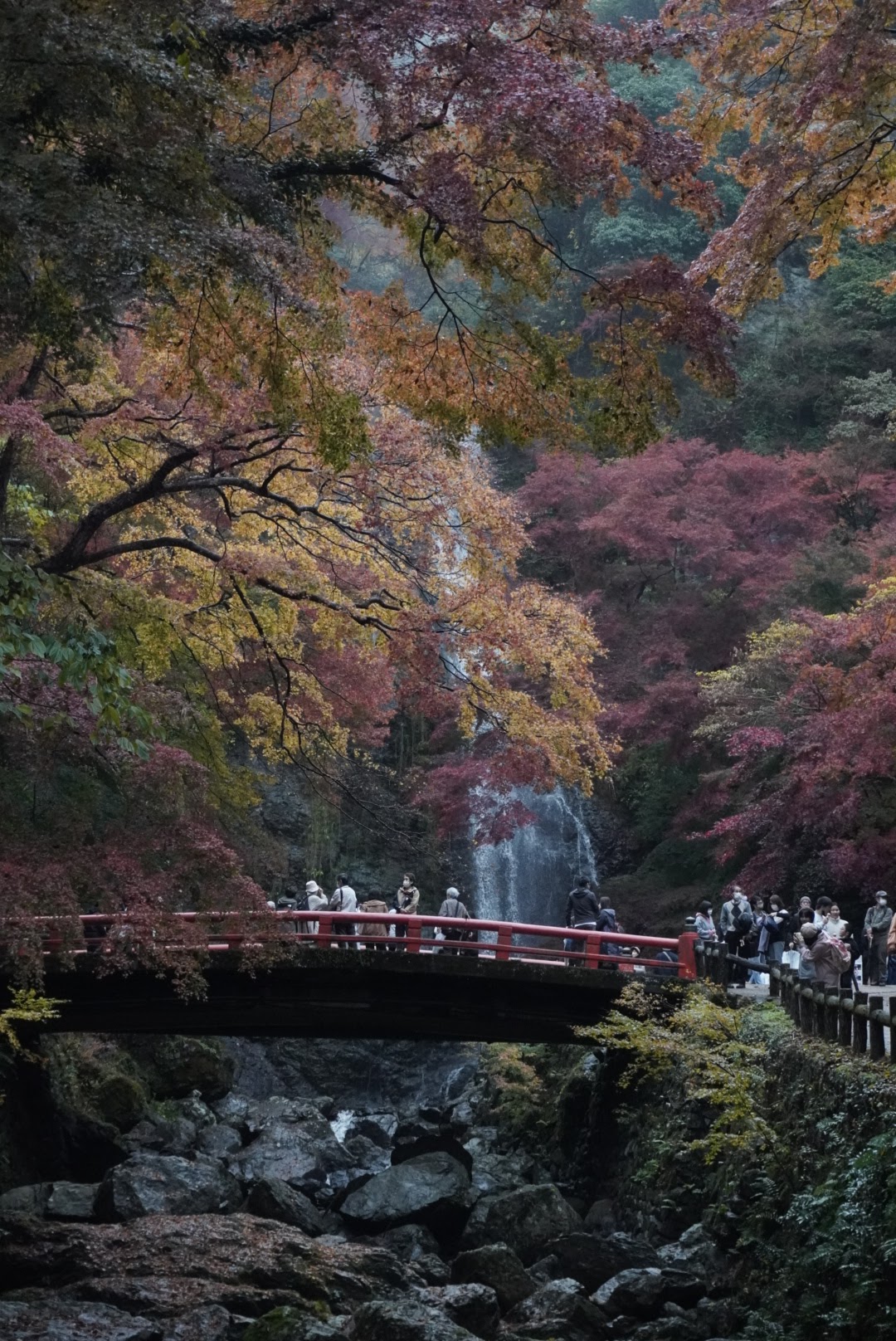
Autumn Foliage Festival: From early through late November, autumn foliage appears in various locations throughout the park. The autumn foliage in the Japanese Garden is particularly exceptional, with red Japanese maples and golden ginkgos creating a painting-like beauty as they reflect in the water.
Winter (December – February)
Illuminate Expo Christmas: In December, an illumination event is held. Light displays coordinated with the Tower of the Sun illumination create a fantastical winter night.
Daffodil Hill: From late January through February, approximately 10,000 daffodils bloom. The pure white and yellow flowers blooming in the cold winter are popular for announcing the arrival of spring.
Japanese Garden: A Space Breathing with Traditional Beauty
Overview of the Japanese Garden
The Japanese Garden within Expo ’70 Memorial Park covers approximately 26 hectares and is a full-scale Japanese garden. Constructed during the 1970 expo as the “Japanese Garden,” it is highly regarded as a work incorporating the finest landscape design techniques of Japan at that time.
The garden is divided into four periods: “Ancient,” “Medieval,” “Early Modern,” and “Modern,” each expressing the garden style of its respective era.
Characteristics of Each Area
Ancient Garden: Recreates the garden style of the Asuka and Nara periods. It features a simple yet powerful composition making use of natural topography.
Medieval Garden: Incorporates garden styles from the Heian, Kamakura, and Muromachi periods. Elements of pond-touring gardens are included, with excellent stone arrangements and waterfall placement.
Early Modern Garden: Expresses the garden style of the Azuchi-Momoyama and Edo periods. Incorporates a tea house and roji (tea garden), expressing refined aesthetics.
Modern Garden: Employs modern landscape design techniques. Seeks new expression while inheriting tradition.
Tea Houses and Rest Areas
The Japanese Garden contains formal tea houses including “Hannan,” “Banri An,” “Senri An,” and “Seiryō An,” used for tea ceremony practice and tea gatherings. General visitors can enjoy the exteriors, providing an opportunity to experience Japanese traditional culture.
Rest houses and pavilions are scattered throughout the garden, allowing visitors to relax while viewing the garden landscape.
Cultural and Sports Facilities
EXPO ’70 Pavilion
The EXPO ’70 Pavilion is an exhibition facility utilizing the Steel Pavilion from the 1970 Osaka Expo. Valuable materials including recorded footage from the expo, photographs, contemporary posters, and pavilion models are displayed.
Visitors can sense the energy of Japan during the high-growth economic period and the era’s atmosphere filled with hopes for the future.
Hours: 10:00 AM – 5:00 PM (admission until 4:30 PM)
Closed: Wednesdays, year-end and New Year’s holidays
Admission: Adults 210 yen, elementary and middle school students 70 yen
Osaka Museum of Japanese Folk Crafts
An art museum that collects and exhibits Japanese folk crafts from throughout Japan. It houses approximately 6,000 works including ceramics, dyed textiles, woodwork, and lacquerware, introducing the beauty of Japanese folk crafts through special exhibitions.
Hours: 10:00 AM – 5:00 PM (admission until 4:30 PM)
Closed: Wednesdays, year-end and New Year’s holidays, exhibition change periods
Admission: Adults 710 yen, high school and university students 450 yen, elementary and middle school students 100 yen
National Museum of Ethnology (Minpaku)
The National Museum of Ethnology, affectionately known as Minpaku, collects and displays materials related to cultures and societies of peoples around the world. It holds approximately 340,000 specimen materials, and the permanent exhibition introduces living cultures from around the globe.
Hours: 10:00 AM – 5:00 PM (admission until 4:30 PM)
Closed: Wednesdays, year-end and New Year’s holidays
Admission: General admission 580 yen, university students 250 yen, high school students and younger free
Sports Facilities
Comprehensive sports facilities are equipped throughout Expo ’70 Memorial Park:
Expo ’70 Memorial Stadium: A multipurpose ball game stadium serving as the home stadium of Gamba Osaka, a J-League team. Seating capacity approximately 40,000.
Tennis Courts: A full-scale tennis facility with 20 artificial grass courts.
Futsal Court: Two artificial grass futsal courts.
Baseball Field: A soft-ball baseball field with foul lines 91 meters and center field 120 meters.
Athletic Field: A multipurpose athletic field usable for track and field and soccer.
Barbecue Corner: A barbecue facility where you can enjoy grilling without bringing your own equipment. Reservations required.
Access Methods
Access by Train
The Osaka Monorail is the most convenient way to reach Expo ’70 Memorial Park.
Osaka Monorail “Expo ’70 Park Station”:
- Approximately 5-minute walk to the Central Entrance (Natural and Cultural Garden)
- Approximately 15 minutes from Osaka International Airport Station
- Approximately 10 minutes from Senri Chuo Station
- Approximately 30 minutes from Kadoma City Station
Osaka Monorail “Park East Station”:
- Approximately 5-minute walk to the East Entrance
- Close to the EXPO ’70 Pavilion and Japanese Garden East Entrance
Access by Car
Via Meishin Expressway:
- Approximately 5 minutes from Suita IC
- Approximately 15 minutes from Toyonaka IC
Via Kinki Expressway:
- Approximately 5 minutes from Suita IC
Via Chugoku Expressway:
- Approximately 3 minutes from Chugoku Suita IC
Parking Information
Expo ’70 Memorial Park has multiple parking lots:
East Parking Lot: Approximately 1,000 spaces (near Natural and Cultural Garden East Entrance, EXPO ’70 Pavilion)
South Parking Lot: Approximately 1,200 spaces (near Natural and Cultural Garden Central Entrance)
Central Parking Lot: Approximately 1,000 spaces (near Natural and Cultural Garden Central Entrance, Japanese Garden)
West Parking Lot: Approximately 700 spaces (near Japanese Garden West Entrance)
North Parking Lot: Approximately 200 spaces (for athletic facility users)
Parking Fees:
- Weekdays: 410 yen for up to 2 hours, 620 yen for over 2-3 hours, 830 yen for over 3-4 hours, 210 yen for each additional hour
- Weekends/Holidays: 620 yen for up to 2 hours, 930 yen for over 2-3 hours, 1,240 yen for over 3-4 hours, 310 yen for each additional hour
Parking lots become congested on weekends, holidays, and event days, so public transportation is recommended.
Admission Fees and Annual Passes
Combined Admission Fee for Natural and Cultural Garden and Japanese Garden
- Adults: 260 yen
- Elementary and Middle School Students: 80 yen
- Children Under Elementary School Age: Free
Annual Pass
An annual pass allows unlimited admission to the Natural and Cultural Garden and Japanese Garden for one year from the date of purchase.
- Adults: 4,100 yen
- Elementary and Middle School Students: 1,050 yen
The annual pass is economical for those visiting 16 or more times per year. It is popular with those wishing to enjoy seasonal flowers and autumn foliage, and those making walking or jogging a daily habit.
Other Facility Fees
Each cultural facility (EXPO ’70 Pavilion, Osaka Museum of Japanese Folk Crafts, National Museum of Ethnology, etc.) requires separate admission. Interior visits to the Tower of the Sun also charge an additional fee.
Event Information
Regularly Held Events
Expo ’70 Memorial Park hosts diverse events throughout the year.
Spring Events:
- Cherry Blossom Festival (late March – early April)
- Tulip Festival (mid-April)
- Poppy Fair (late April – mid-May)
- Lohas Festa (held in April, May, September, November)
Summer Events:
- Firefly Evening (late May – early June)
- Expo ’70 Memorial Park Summer Festival (August)
Fall Events:
- Cosmos Festival (early through late October)
- Autumn Foliage Festival (early through late November)
Winter Events:
- Illuminate Expo Christmas (December)
Music Festivals
Expo ’70 Memorial Park is known as a venue for large-scale music festivals.
- Serves as a large-scale venue comparable to Osaka-jo Hall
- Has previously hosted branch events of “Rock in Japan Festival” and “Summer Sonic”
- Multiple stages set up centered on the East Plaza
Dining and Shopping Facilities Within the Park
Restaurants and Cafes
Mori no Restaurant: A restaurant within the Natural and Cultural Garden. Serves set meals, curry, pasta, and other dishes using seasonal ingredients. Enjoy meals while viewing the lush scenery from the windows.
Cafe in the Park: A casual cafe serving light meals, beverages, and sweets. Features terrace seating where you can dine outdoors on fine days.
Tea House Rest Area: A rest area within the Japanese Garden. A set of matcha tea and Japanese sweets is available (paid).
Shops
Expo ’70 Memorial Park Official Shop: Sells Tower of the Sun merchandise, original Expo ’70 Memorial Park goods, and Osaka souvenirs. Unique products featuring the Tower of the Sun as a motif are popular.
EXPO ’70 Pavilion Shop: Sells retro expo-related merchandise and books.
Picnic Areas
Numerous grassy lawns throughout the park allow visitors to bring their own lunch and enjoy picnics. The “Festival Plaza” and “East Plaza” are particularly spacious and popular with families.
Tips for Enjoying Expo ’70 Memorial Park
Choosing When to Visit
While Expo ’70 Memorial Park offers charm in all seasons, particularly recommended times include:
- Spring (April): Cherry blossoms and tulips can be enjoyed simultaneously
- Fall (November): Autumn foliage and cosmos are beautiful
- During event periods: Lohas Festa, music festivals, and other events
Estimated Time Required
- Natural and Cultural Garden tour only: 2-3 hours
- Natural and Cultural Garden plus Japanese Garden: 3-4 hours
- Including Tower of the Sun interior tour: 4-5 hours
- Including cultural facilities: Half day to full day
Since the park is vast, deciding in advance which areas you wish to see is efficient.
What to Bring and How to Dress
- Comfortable walking shoes: Essential as the park is large and requires considerable walking
- Hat and sunscreen: Particularly necessary in summer as some areas have little shade
- Beverages: While vending machines are available, bringing your own is convenient
- Picnic blanket: For picnicking on the grass
- Camera: Numerous photography spots are available
Family with Children Information
Play Equipment Areas: “Yatta ne no Ki” and “Boken Umi no Hiroba” and other large play equipment for children.
Nursing Rooms and Diaper Changing Stations: Provided at various locations throughout the park.
Baby Carriage Rental: Available for rent at the Central Entrance for a fee (limited quantity).
Children’s Menu: Restaurants offer children’s menu options.
Nearby Tourist Attractions
Expocity
A large complex facility adjacent to Expo ’70 Memorial Park. Features Japan’s largest observation wheel “Osaka Wheel,” an aquarium “Nifrel,” movie theater, shopping mall, restaurants, and more. Can be enjoyed for a full day together with Expo ’70 Memorial Park.
Suita City Museum
A museum introducing the history and culture of Suita City. Approximately 10 minutes by car from Expo ’70 Memorial Park.
Hattori Green Space
A large urban park in Toyonaka City, Osaka. Approximately 15 minutes by car from Expo ’70 Memorial Park. Houses the Japan Open-Air Museum of Historic Houses and riding center.
Conclusion: The Charm of Expo ’70 Memorial Park
Expo ’70 Memorial Park is a comprehensive park representing Osaka, combining historical value, natural beauty, abundant cultural facilities, and recreational functions.
Centered on the Tower of the Sun, a unique and incomparable symbol, the park offers flowers of all seasons, a full-scale Japanese garden, diverse cultural facilities, and sports facilities, with new discoveries on each visit.
Families, couples, friends, or solo visitors—Expo ’70 Memorial Park can be enjoyed in various ways by everyone. Be sure to visit when touring Osaka. It is a precious place where you can experience the legacy left by the 1970 expo and the harmony of contemporary culture and nature.
Check the official website for the latest event information and blooming conditions to plan the perfect visit for you. If you wish to tour the interior of the Tower of the Sun, be sure not to forget to make advance reservations.
Enjoy the rich time woven together by Osaka’s history, nature, and culture at Expo ’70 Memorial Park.
-800x450.jpg)
-800x450.jpg)
-800x450.jpg)