Maruyama Park (Sapporo, Hokkaido) Complete Guide | From Cherry Blossom Spot to Four-Season Enjoyment Guide
Maruyama Park, located in Chuo Ward, Sapporo City, is a representative urban park of Hokkaido, adjacent to the Maruyama Primeval Forest designated as a natural monument. On its vast grounds of approximately 70 hectares, abundant nature remains, allowing visitors to enjoy the four seasons: spring cherry blossoms, summer fresh greenery, autumn foliage, and winter snowy landscapes. This article thoroughly explains the charm of Maruyama Park and provides all information you should know before visiting.
About Maruyama Park | History and Overview of Sapporo Citizens’ Favorite Spot
Maruyama Park is a historic park beloved by Sapporo citizens since the Meiji era. After the enshrinemet of Maruyama Shrine (now Hokkaido Jingu), it was used as a venue for citizen worship and various events, and developed as a famous cherry blossom viewing spot.
History and Development of the Park
The history of Maruyama Park dates back to the Meiji era. Systematic development began as the grounds of Maruyama Shrine (founded in 1871, later Hokkaido Jingu), and from the late Meiji period through the Taisho era, the Maruyama area was developed in earnest as a park. Facilities such as athletic fields were constructed, and after World War II, Maruyama Zoo, which became the first zoo in Hokkaido, opened in 1951, leading to development as a comprehensive recreation facility.
Relationship with the Natural Monument Maruyama Primeval Forest
The greatest characteristic of Maruyama Park is its adjacency to the Maruyama Primeval Forest, designated as a national natural monument. The primeval forest, with its dense deciduous broadleaf trees such as Mizunara oak, Katsura, and Japanese linden, maintains valuable natural environments while in an urban area. Forest continuous with the primeval forest remains within the park, preserving a valuable ecosystem where wild animals such as Hokkaido red foxes, raccoon dogs, and Ezo squirrels inhabit.
Vast Grounds of Approximately 68.8 Hectares
Maruyama Park covers a total area of approximately 68.8 hectares (some sources indicate approximately 70 hectares). Within this vast grounds are arranged Hokkaido Jingu, Maruyama Stadium, Maruyama Athletic Field, Maruyama Tennis Court, Sakaoshita Ground, and other sports facilities, as well as Maruyama Zoo, enabling diverse uses from nature walks to sports and cultural activities.
Cherry Blossoms at Maruyama Park | Sapporo’s Representative Flower Viewing Spot
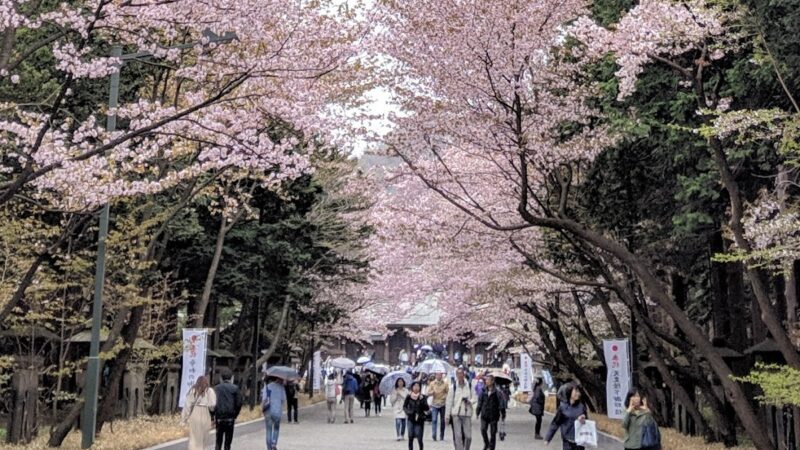
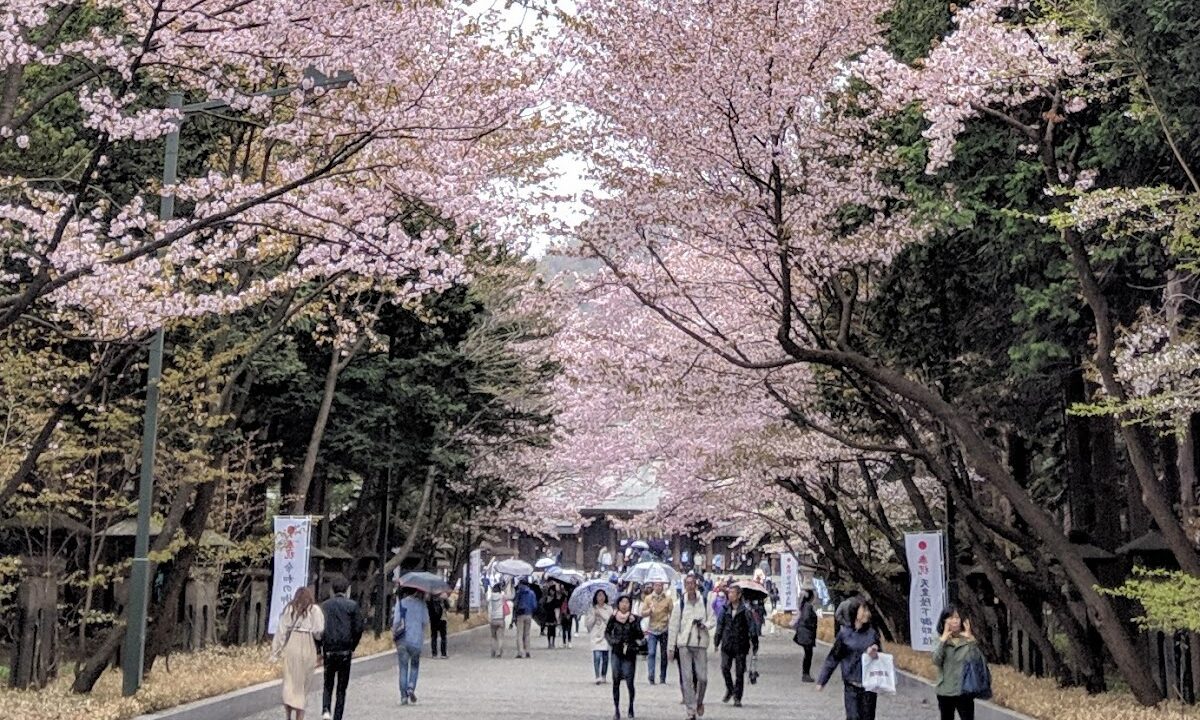
Maruyama Park has long been one of Sapporo’s premier cherry blossom viewing locations, beloved by many city residents. Each spring, the park becomes enveloped in delicate pink, drawing many cherry blossom viewers.
Cherry Blossom Viewing Season and Bloom Time
Cherry blossoms at Maruyama Park typically reach their peak from late April to mid-May. Since spring in Hokkaido arrives later than in Honshu, the trees often reach full bloom during the Golden Week holiday period, attracting many tourists from throughout Japan and beyond. Bloom times vary depending on weather conditions, so it is recommended to check the latest bloom information before your visit.
Approximately 150 Cherry Trees Centered on Ezo Yamazakura
The park contains approximately 120 to 150 cherry trees, centered on Ezo Yamazakura. Ezo Yamazakura is the representative cherry variety of Hokkaido, characterized by flowers and leaves opening simultaneously. It has a rustic beauty unlike Somei Yoshino, creating a unique landscape in harmony with the primeval forest’s greenery.
Cherry Blossom Viewing Enjoyment and Precautions
Cherry blossom viewing at Maruyama Park is typically enjoyed in combination with the Hokkaido Jingu grounds. Many viewers enjoy Genghis Khan grilled meat, making it a characteristic spring spectacle of Sapporo. However, in recent years, issues with open fire use, litter, noise, and other etiquette violations have become problems, with park managers calling for rule compliance. To protect the natural environment, always take your trash with you and be considerate of your surroundings.
The Charm of Maruyama Park Through All Four Seasons
The charm of Maruyama Park extends beyond cherry blossoms. Nature displaying different aspects throughout the seasons delights all visitors.
Spring | Cherry Blossoms and Fresh Greenery in Harmony
Spring at Maruyama Park is a season full of life force, as fresh green sprouts alongside blooming cherry blossoms. As snow melts, various migratory birds arrive, making it an ideal season for bird watching. From late May through early June, the fresh greenery is beautiful, making forest bathing walks ideal.
Summer | Deep Greens and Seeking Coolness
Summer at Maruyama Park becomes a cool space enveloped in deep green. Despite being in an urban area, temperatures are several degrees lower, making it popular as a retreat from summer heat. Mountain climbing on Maruyama, hiking forest trails, and sports activities at the facilities are ideal for active pursuits during this season.
Autumn | A Renowned Foliage Viewing Spot
In autumn, the trees in the park take on vibrant reds and yellows, allowing visitors to enjoy foliage while walking. The viewing season peaks particularly from mid to late October, with the color gradations created by deciduous broadleaf trees in the primeval forest being spectacular. It is recommended to enjoy autumn foliage viewing combined with the Hokkaido Jingu grounds.
Winter | Snow Landscape and the Beauty of Silence
Winter at Maruyama Park becomes a quiet world covered in deep snow. Winter-specific enjoyments include skiing and snowshoe walks, as well as snow play. The snow-covered primeval forest landscape is fantastical and popular as a photography spot.
Highlights and Facilities in the Park
Various highlights and facilities are concentrated at Maruyama Park and its surroundings.
Hokkaido Jingu | Sapporo’s Chief Shrine
Hokkaido Jingu, adjacent to Maruyama Park, is a shrine founded to pray for Hokkaido’s development and prosperity. Within its extensive grounds stands a solemn shrine building, bustling with many worshipers during New Year visits and the Rokugatsu Matsuri (Hokkaido Jingu Festival). Visiting the shrine combined with park walks is the classic route.
Maruyama Zoo | Hokkaido’s First Zoo
Opened in 1951, Maruyama Zoo was the first zoo in Hokkaido. Approximately 170 animal species including polar bears, red pandas, and elephants are kept here, making it a popular spot for families. In recent years, new facilities such as the Africa Zone and Polar Bear Hall have enhanced the zoo’s offerings, and it continues to evolve.
Sports Facilities | Hub of Citizen Activities
Sports facilities including Maruyama Stadium, Maruyama Athletic Field, Maruyama Tennis Court, and Sakaoshita Ground are developed, allowing various sports such as baseball, track and field, and tennis. Maruyama Stadium in particular is a historic venue that also hosts minor league games of the Hokkaido Nippon-Ham Fighters.
Walking Paths and Mountain Trails | Enjoy Nature
Well-maintained walking paths crisscross the park, allowing easy forest bathing enjoyment. Additionally, a mountain trail to Maruyama continues from the park, reaching the 225-meter summit in approximately 30 minutes to an hour. The summit provides a panoramic view of Sapporo, making it a popular climbing course for beginners.
Pioneer Monument and Historic Structures
Various statues and stone monuments related to Hokkaido and Sapporo’s development are erected throughout the park. These monuments serve as valuable materials for learning Hokkaido’s history, allowing visitors to touch on history while walking.
Access | How to Get to Maruyama Park
Maruyama Park is conveniently located to access from central Sapporo.
Access by Subway
The most convenient access method is using the Sapporo Municipal Subway Tozai Line. Exit at “Maruyama Park Station,” and from Exit 3, reach the park entrance in approximately 5 minutes on foot. From Sapporo Station, transfer at Odori Station and take approximately 15 minutes.
Access by Bus
Routes operated by JR Bus and Central Bus are also available. “Maruyama Park” and “Maruyama Bus Terminal” are the nearest bus stops. However, the subway is more convenient with more frequent service.
Vehicle Access and Parking Information
By car, the park is approximately 10 minutes from central Sapporo. However, dedicated parking at the park is limited, and surrounding roads become congested during cherry blossom season and the Hokkaido Jingu Festival period. You may need to use paid parking at Hokkaido Jingu (fee-based) or Maruyama Zoo (fee-based), but these often reach capacity, so using public transportation is recommended.
Recommended Spots Around Maruyama Park
Numerous charming spots to visit in conjunction with your park visit are located near Maruyama Park.
Stylish Cafes and Restaurants in the Maruyama Area
The Maruyama area is known as one of Sapporo’s most stylish neighborhoods, gathering tasteful cafes and restaurants. Taking a break at a locally popular cafe before or after park walks is also recommended.
Hokkaido Jingu Tongu
The Tongu, an auxiliary shrine of Hokkaido Jingu, is located near Maruyama Park Station. During the Rokugatsu Festival, the portable shrine makes its procession here, an important location, and it normally serves as a peaceful worship spot.
Maruyama Ropeway Station (Maruyama Direction)
From the Maruyama area, access to Maruyama Mountain is possible, famous as a Sapporo night view spot. Move via streetcar to “Ropeway Entrance,” and head to the summit via the Maruyama ropeway.
Miya-no-Mori Area
Within walking distance from Maruyama Park, the Miya-no-Mori area features stylish shops and galleries scattered throughout quiet residential neighborhoods. Shopping while walking is also enjoyable.
How to Spend Time at Maruyama Park | Model Courses
Here are suggested model courses to maximize your enjoyment of Maruyama Park.
Half-Day Course | Park Walk and Hokkaido Jingu Visit
Starting from Maruyama Park Station, first visit Hokkaido Jingu (approximately 30 minutes). Then walk through Maruyama Park enjoying seasonal nature such as cherry blossoms or autumn foliage (approximately 1 hour). Challenge Maruyama climbing if time permits (round trip approximately 1.5 hours). After descending, enjoy lunch at a Maruyama area cafe—a course lasting approximately 4 hours.
Full-Day Course | Enjoy Zoo and Park
View Maruyama Zoo in the morning (approximately 2.5 hours). Have lunch inside the zoo or at a Maruyama area restaurant. In the afternoon, walk through Maruyama Park and visit Hokkaido Jingu. If time permits, try Maruyama climbing. In the evening, enjoy tea time at a Maruyama area cafe—a fulfilling course lasting approximately 7 hours.
Family-Friendly Course | Enjoy Maruyama with Children
Focus on Maruyama Zoo, play in park grounds, and walk the Hokkaido Jingu grounds. Depending on season, snow play and water play are also enjoyable. Playground equipment exists around sports facilities, allowing families with children to enjoy a full day.
Precautions and Etiquette When Visiting Maruyama Park
Several precautions exist when visiting Maruyama Park.
Tick Prevention | Disease Prevention
Taking measures against tick bites is important when walking in the park. Wear long sleeves, long pants, fully covering footwear, a hat, and gloves to minimize skin exposure. Check your body after walking and confirm no ticks are attached. Understanding the risk of tick-borne infections and taking appropriate preventive measures is important.
Contact with Wildlife
Wild animals such as Hokkaido red foxes and raccoon dogs inhabit the area, but absolutely never feed or touch them. There are infection risks such as echinococcosis. Observe from a distance.
Trash Removal and Etiquette
To protect the park’s natural environment, always take trash with you. Particularly during cherry blossom season, abandoned trash becomes problematic. Fire use also has restrictions, so check park manager regulations beforehand.
Winter Precautions
In winter, accumulated snow and ice make footing slippery. Wear appropriate winter boots and be cautious of slipping. Additionally, on days with heavy snow, visibility worsens, so avoid overly ambitious walks.
Basic Information for Maruyama Park
Location: Maruyama-dori, Miya-no-mori, Chuo Ward, Sapporo, Hokkaido
Opening Hours: 24 hours open (varies by facility)
Admission: Free (separate admission required for Maruyama Zoo)
Access: 5-minute walk from “Maruyama Park Station” on the Subway Tozai Line
Parking: Paid parking available nearby (Hokkaido Jingu parking lot, Maruyama Zoo parking lot, etc.)
Inquiries: Sapporo Central Ward Civil Engineering Maintenance Management Division (011-614-3800)
Official Site: Maruyama Park page on Sapporo City Official Website
Conclusion | Experience Sapporo’s Nature and History at Maruyama Park
Maruyama Park is a valuable urban park retaining abundant nature despite being in central Sapporo. Adjacent to the natural monument Maruyama Primeval Forest, it has been cherished for years as a famous cherry blossom viewing location and a gathering place for citizens, allowing enjoyment of four-season beauty.
Maruyama Park displays completely different faces depending on visiting season: spring cherry blossoms, summer fresh green, autumn foliage, and winter snow landscape. Combined with surrounding facilities like Hokkaido Jingu, Maruyama Zoo, and sports facilities, it serves as a comprehensive recreation area enjoyable throughout the day.
During Sapporo tourism, be sure to visit Maruyama Park and experience Hokkaido’s unique landscape where urban areas and nature harmonize. Its convenient subway access and proximity to the city center make it easily accessible. Enjoy diverse activities at Maruyama Park—nature walks, historical exploration, sports, and animal observation—and fully experience Sapporo’s attractions.