Hokudai Ginkgo Avenue Hokkaido | Complete Guide to Peak Season, Access, and Kouyou Festival [2025 Latest Edition]
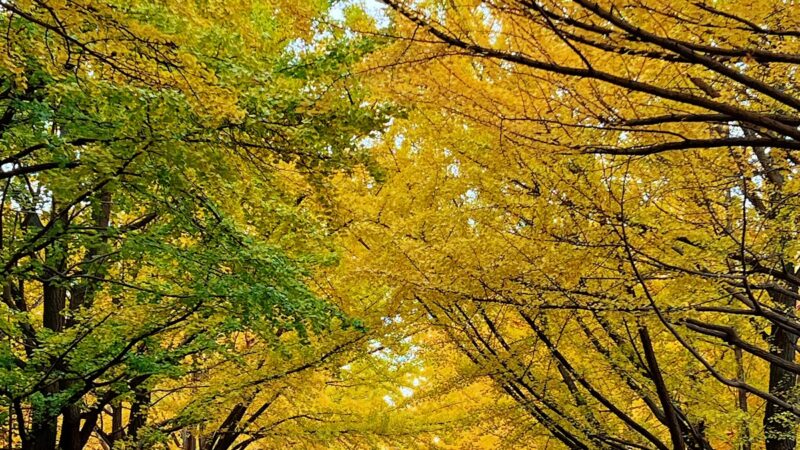
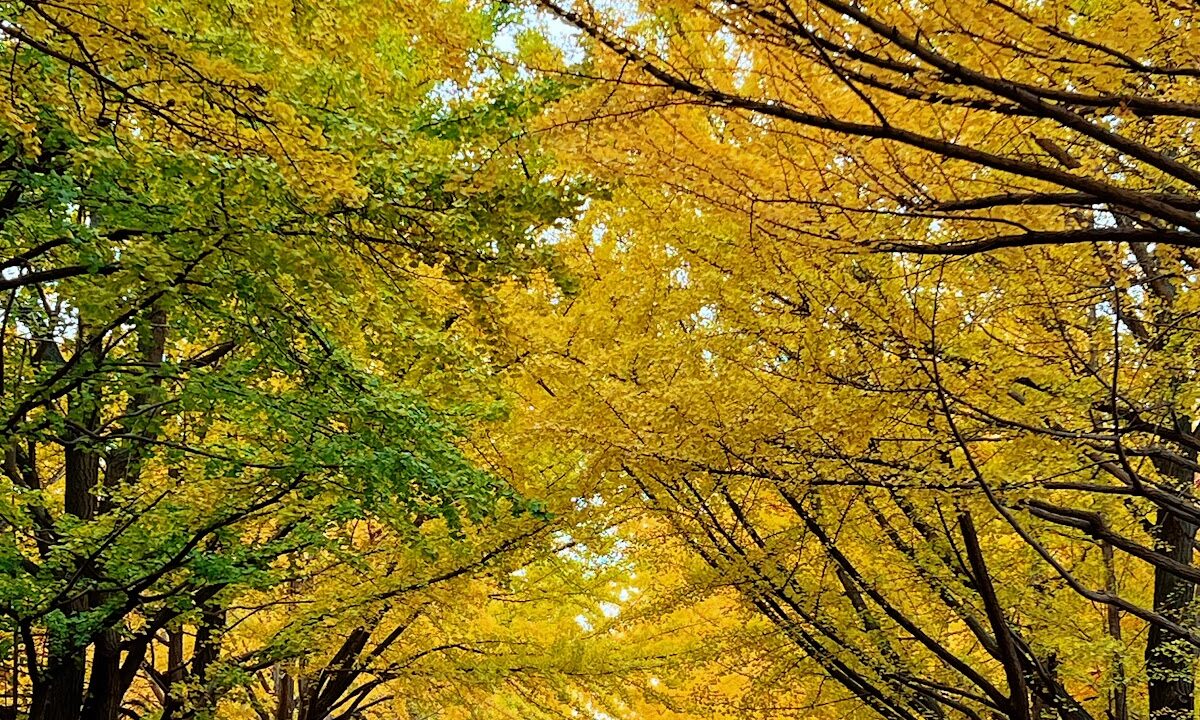
The ginkgo tree-lined avenue within Hokkaido University’s campus, located in central Sapporo, Hokkaido, features approximately 70 ginkgo trees that turn golden each autumn, creating a magnificent landscape spanning approximately 380 meters on both sides of the road. Known as one of Hokkaido’s premier autumn foliage viewing spots, attracting not only Sapporo residents but tourists from across the nation, the golden tunnel particularly captivates visitors during peak viewing season from late October through early November.
This article comprehensively covers everything you should know before visiting, including the charm of Hokudai’s Ginkgo Avenue, peak viewing periods, access methods, event information such as the Kouyou Festival and illuminations, and nearby tourist attractions.
About Hokudai Ginkgo Avenue | History and Overview
The Hokkaido University Ginkgo Avenue is located on Kita-13-jo Street within the Sapporo campus and is a historic tree-lined avenue planted around 1939 (Showa 14). Seventy ginkgo trees currently stand in orderly rows on both sides of the approximately 380-meter east-west street.
Historical Background
This ginkgo avenue was originally planted as part of landscape beautification efforts within the university grounds. The ginkgo trees, possessing over 80 years of history, have now grown to over 20 meters in height and have been selected for Sapporo’s “Eighty-Eight Selections of History and Culture.” Running in a straight line between the School of Dentistry and School of Pharmacy, they have become a symbolic presence of Hokkaido University.
Seasonal Appearances
The ginkgo avenue displays different faces each season. In late May during budding season, it becomes a refreshing green tunnel, and in summer, dense green leaves create cool shade. Then in autumn, from late October through early November, the leaves simultaneously transform to golden, reaching their most beautiful period.
Peak Viewing Season and Ways to Enjoy the Autumn Leaves
When is the Best Season?
The peak viewing season for Hokudai’s Ginkgo Avenue is typically from late October through early November. Particularly from around October 25 through approximately November 5 represents the peak period, when golden leaves overhead and a carpet of fallen leaves underfoot can be enjoyed simultaneously.
Since the viewing period varies with weather and temperature, it is recommended to check the latest conditions on Hokkaido University’s official information or weather forecast foliage information sites before visiting.
Highlights of Golden Leaves
Golden Tunnel
Ginkgo branches extend from both sides of the road to cover it overhead, creating the sensation of walking through a golden tunnel. On clear days, the contrast with blue sky is beautiful, while on overcast days, it creates a soft, pastel-toned European painting-like atmosphere.
Carpet of Fallen Leaves
During peak viewing season, the road is covered with a thick layer of golden fallen leaves, allowing visitors to enjoy the sensation of a fluffy carpet. Walking while treading on fallen leaves allows one to appreciate the fresh autumn aroma.
Best Photography Spots
The angle looking westward from the ginkgo avenue’s eastern entrance (near the Kita-13-jo Gate) is most popular. The composition makes use of the depth of the tree-lined avenue to capture the continuing golden tunnel. Backlighting photography also produces beautiful images with transparent leaves.
Early morning or evening light allows for more three-dimensional and impressive photography. However, this is an area with very heavy traffic, so please take care not to step into the roadway when photographing.
Access Methods and Basic Information
Location
Hokkaido, Sapporo, Kita Ward, Kita-13-jo Nishi 5-chome to Kita-13-jo Nishi 7-chome
Located on Kita-13-jo Street within Hokkaido University’s Sapporo campus.
Access by Public Transportation
By Subway
- Sapporo Municipal Subway Namboku Line “Kita-12-jo Station” exit, 2-minute walk from Exit 2
- Sapporo Municipal Subway Namboku Line “Kita-18-jo Station” exit, 10-minute walk from Exit 1
- Sapporo Municipal Subway Namboku Line “Sapporo Station” exit, 15-minute walk
By JR
- JR “Sapporo Station” North Exit, approximately 10-minute walk
Access from Kita-12-jo Station is most convenient, with the eastern entrance to the ginkgo avenue located immediately upon exiting to ground level.
Access by Car and Parking
There are no general vehicle parking lots within Hokkaido University’s campus. Additionally, during peak viewing season, traffic restrictions for general vehicles may be implemented in the ginkgo avenue area for congestion mitigation and safety.
If visiting by car, it is recommended to use paid parking lots around Sapporo Station and access on foot. It is approximately a 5-minute walk from Sapporo Station’s North Exit to Hokkaido University’s main gate, and approximately 5 minutes from there to the ginkgo avenue.
Basic Information Summary
- Admission Fee: Free
- Opening Hours: 24 hours (though nighttime lighting may not be available during certain periods)
- Peak Viewing Period: Late October ~ Early November
- Number of Ginkgo Trees: Approximately 70
- Length of Avenue: Approximately 380 meters
- Phone Number: 011-716-2111 (Hokkaido University main line)
- Official Website: https://www.hokudai.ac.jp/
Hokudai Kouyou Festival | The Ginkgo Avenue’s Major Event
About the Kouyou Festival
The Hokudai Kouyou Festival (Kon’you Festival) is a festival held on Kita-13-jo Ginkgo Avenue Street with the main concept of “When ginkgo trees are most beautiful.” Reaching its 14th iteration in 2024, it is a regular event planned and operated by the “Hokudai Kouyou Festival Executive Committee” composed of Hokkaido University students.
Timing and Content
The Kouyou Festival is typically held on weekends in late October coinciding with ginkgo peak viewing. The specific dates vary by year, so please confirm the latest information on Hokkaido University’s official website or the Kouyou Festival Executive Committee’s SNS.
Main Event Contents
- Flea markets within campus
- Student performances and live music
- Food vendor stalls
- Photography contest
- Guided tours
The Appeal of Illuminations
The highlight of the Kouyou Festival period is the illumination of the ginkgo avenue. The ginkgo avenue, which normally darkens with sunset, is illuminated by enchanting lighting, displaying an entirely different appearance from daytime.
The sight of golden leaves illuminated and shining is truly worthy of the name “golden leaves.” Illuminations are normally conducted from sunset until around 8 p.m., but please confirm the specific times from announcements on the day.
Crowd Conditions and Tips for Visiting
During the Kouyou Festival period, the venue is crowded with many visitors, particularly during illumination hours. For those wishing to enjoy the scenery at leisure, targeting weekday mornings or the peak viewing period before the festival is recommended.
Points and Precautions for Strolling the Ginkgo Avenue
Walking Route
The ginkgo avenue extends approximately 380 meters east to west, taking only about 10 minutes to walk one way while leisurely. You can enjoy the autumn foliage from various angles while walking round-trip.
Recommended Walking Course
- Exit Kita-12-jo Station to ground level toward the eastern entrance of the ginkgo avenue
- Stroll westward along the tree-lined avenue (approximately 380m)
- Visit the Hokkaido University General Museum (free admission, closed Mondays)
- Stroll the poplar avenue within campus
- Head toward Sapporo Station from Hokkaido University’s main gate
Precautions When Visiting
Traffic Safety
The ginkgo avenue is a road within the university campus where vehicles also travel. Especially during peak viewing season, traffic is heavy, so please be careful not to step into the roadway. Those with small children should be particularly cautious.
Observance of Manners
- Do not climb ginkgo trees or break branches
- Always take trash with you
- Do not speak loudly (this is within a university campus)
- Smoking only in designated areas
- Drone use is generally prohibited
Clothing and Belongings
From late October through early November, temperatures in Sapporo range from approximately 5-15 degrees Celsius and are quite cold. Warm clothing is recommended. Also, fallen leaves make ground conditions slippery, so choose easy-to-walk shoes.
Other Points of Interest Within Hokkaido University Campus
Poplar Avenue
Alongside the ginkgo avenue, the poplar avenue is another landscape representing Hokkaido University. Located in the northeastern part of campus, it is a historic tree-lined avenue continuing from the Meiji era. The poplar foliage period is slightly earlier than ginkgos, with peak viewing from late September through mid-October.
Located approximately 15 minutes’ walk from the ginkgo avenue, a walking course visiting both is also recommended.
Hokkaido University General Museum
The Hokkaido University General Museum, located immediately near the ginkgo avenue, is a free-admission facility where visitors can learn about Hokkaido’s natural history and the university’s history. It houses approximately 4 million academic specimens, including mammoth fossils and exhibits related to Ainu culture.
- Opening Hours: 10:00~17:00 (until 21:00 on Fridays June-October)
- Closed Days: Mondays (if a holiday, the following weekday), year-end and New Year holidays
- Admission: Free
Clark Statue
Hokkaido University is famous for the words of Professor William S. Clark: “Boys, be ambitious.” A bust statue of Professor Clark stands within the campus and is a popular commemorative photograph spot.
Central Cafeteria
Hokkaido University’s student cafeteria is open to the general public. Meals are available at reasonable prices, offering the chance to experience student life. Popular menu items include “Hokudai Beef Torotoro Bowl” and “Zangi Set Meal,” regional specialties.
Surrounding Tourist Spots and Dining
Sapporo Station Area
Within a 10-minute walking radius of the ginkgo avenue, the Sapporo Station area contains numerous tourist and dining spots.
JR Tower Observatory T38
Located on the 38th floor of JR Tower directly connected to Sapporo Station. A 160-meter-high observation room offering panoramic views of Sapporo city, and on clear days, visibility extends to the Ishikari Plain and Japan Sea.
Sapporo Stella Place
A large shopping complex directly connected to Sapporo Station. Offering a wide range of fashion, dining, and souvenirs.
Experience Hokkaido Cuisine
Sapporo Ramen Kyowakoku
A ramen theme park within JR Tower featuring famous ramen shops from throughout Hokkaido.
Kaiten Sushi Nemuro Hanamaru
A popular conveyor belt sushi restaurant using fresh Hokkaido seafood. Located within Sapporo Stella Place.
Rokkaten Sapporo Honten
The main store of Rokkaten, a representative Hokkaido confectionery maker. Ideal for purchasing souvenirs such as Marsei Butter Sandwiches.
Odori Park and Susukino Area
Located one subway station from the ginkgo avenue, the Odori Park and Susukino areas are also standard Sapporo tourist destinations.
Odori Park
A park running east-west through central Sapporo. Year-round events are held, including Sapporo Snow Festival and Autumn Fest.
Sapporo TV Tower
The symbol of Odori Park. The observation deck offers panoramic views of Sapporo city and Odori Park.
Susukino
Hokkaido’s largest entertainment district. Numerous dining establishments serving Hokkaido cuisine, including genghis khan and seafood dishes.
How to Choose Accommodations
Accommodations when visiting Hokudai’s Ginkgo Avenue are conveniently located in the Sapporo Station area or Susukino district.
Hotels Near Sapporo Station
Advantages
- Walking distance to the ginkgo avenue
- Good access to JR and subway
- Convenient shopping near large commercial facilities
Recommended Hotel Types
- JR Tower Hotel Nikko Sapporo (appealing high-floor views)
- Sapporo Grand Hotel (established, prestigious hotel)
- Various business hotels (reasonably priced)
Hotels in the Susukino Area
Advantages
- Abundant evening dining and entertainment options
- Approximately 10 minutes to ginkgo avenue by subway
- Numerous hotel options
Recommended Hotel Types
- Cross Hotel Sapporo (designer hotel)
- Business hotels in the Susukino area
Seasonal Ways to Enjoy
Spring (Late May ~ June)
The ginkgo avenue during new green season is also beautiful, allowing enjoyment of a refreshing green tunnel. Few tourists visit, allowing for peaceful walking. Hokkaido University’s lilac avenue also reaches peak bloom during this period.
Summer (July ~ August)
Dense green leaves create cool shade, ideal for strolling. Hokkaido University hosts events including “Hokudai Festival” (early June) and “Open Campus” (August).
Autumn (Late October ~ Early November)
The most popular golden foliage season. Golden tunnels overhead and fallen leaf carpets can be enjoyed simultaneously. The Kouyou Festival and illuminations are also conducted.
Winter (December ~ March)
Snow-covered ginkgo avenue also has a certain charm. Visiting during the Sapporo Snow Festival (February) allows enjoyment of both snow-covered ginkgo avenue and the snow festival.
Frequently Asked Questions
Q: When is the peak viewing season for the ginkgo avenue?
A: Peak season is typically from late October through early November. Specifically, from around October 25 through approximately November 5 represents the peak period. However, dates may shift depending on that year’s temperatures and weather, so checking the latest foliage information before visiting is recommended.
Q: Is admission charged or reservation required?
A: Hokkaido University campus is open to the public, and there is no admission fee. Reservations are not necessary. However, as it is an educational research facility, please observe proper manners when visiting.
Q: Is there parking available?
A: There is no general vehicle parking lot within Hokkaido University campus. Use of public transportation is recommended. If visiting by car, use paid parking lots around Sapporo Station and access on foot.
Q: Can I bring pets?
A: As this is within university grounds, bringing pets requires consideration. While possible to stroll with pets if leashed and with proper waste disposal, it is best avoided during crowded periods.
Q: Can those using wheelchairs or pushing strollers visit?
A: The ginkgo avenue road is paved and accessible by wheelchair or stroller. However, care is needed as fallen leaves make surfaces slippery during peak season.
Q: Can it be enjoyed on rainy days?
A: The ginkgo avenue on rainy days has unique beauty as wet leaves reflect light. However, ground surfaces become slippery, so wear non-slip shoes and bring an umbrella.
Q: Where can I confirm the Kouyou Festival and illumination dates?
A: Latest information is announced on Hokkaido University’s official website and the Kouyou Festival Executive Committee’s SNS (Twitter, Instagram). Details are typically released in mid-October.
Summary | How to Maximize Your Enjoyment of Hokudai’s Ginkgo Avenue
Hokkaido University’s Ginkgo Avenue is a premier autumn foliage viewing spot in Hokkaido accessible right in central Sapporo. The golden tunnel continuing approximately 380 meters allows visitors to vividly experience the deepening of autumn.
The best timing for a visit is during the peak viewing period from late October through early November, particularly on weekends when the Kouyou Festival is held. The enchanting illuminated ginkgo avenue is a must-see. However, for those wishing to avoid crowds, targeting weekday mornings or the peak period before the festival commences is advisable.
Access is extremely convenient at a 4-minute walk from Sapporo Municipal Subway Namboku Line’s “Kita-12-jo Station.” Combined with tourism and dining around Sapporo Station, you can enjoy enriching Sapporo sightseeing.
As this is also a location within a university campus dedicated to learning, please observe proper manners while fully enjoying the spectacular golden scenery woven by the historic ginkgo avenue. On your autumn Hokkaido trip, be sure to visit Hokudai’s Ginkgo Avenue and create unforgettable memories.