
Hachimantai, Iwate Prefecture Complete Guide | Scenic Spots, Hot Springs, and Seasonal Enjoyment
Hachimantai, located in the northwestern part of Iwate Prefecture, is a majestic highland plateau area centered on a mountain with an elevation of 1,614 meters that straddles the border between Iwate and Akita prefectures. Designated as part of the Towada-Hachimantai National Park and selected as one of Japan’s 100 Famous Mountains by Hisao Fukada, this region continues to captivate many tourists with its breathtaking natural scenery across the four seasons and abundant hot spring resources.
This article provides a comprehensive explanation from a local perspective of Hachimantai’s attractions, including major tourist spots, seasonal activities, access information, local cuisine, and hot springs, so you can experience all the charm this area has to offer.
About Hachimantai | Iwate Prefecture’s Premier Mountain Highland Resort
Geography and Characteristics of Hachimantai
Hachimantai is a collective term for a highland area centered on the mountain that forms the backbone of the Ou Mountain Range. It spans across Hachimantai City in Iwate Prefecture and Kakehasi City and Senboku City in Akita Prefecture, covering a vast area. The region encompasses not just the area around the Hachimantai mountain summit but the entire area including Gentatsu Forest and Chawan-dake to the east, Kamatake and Tougana hot spring area to the south, and the Mushino-yu and Yakeyama areas to the west.
Characterized by gently sloping terrain formed by volcanic activity as a shield volcano, the area around the summit features relatively flat, plateau-like topography. This landform is the origin of the name “Hachimantai,” and the expansive gentle ridgelines create a unique beauty distinct from other mountainous regions.
The Value of Towada-Hachimantai National Park
Designated as the Towada-Hachimantai National Park in 1956 (Showa 31), the Hachimantai area is highly valued for its rich natural ecosystem and volcanic geological formations. Vast forests of Aomori spruce spread throughout, and alpine plants such as Japanese false hellebore and Japanese bistorta thrive in the fire crater lakes including Lake Hachiman and wetlands.
Within the national park, hiking trails and walking paths are well-maintained, providing an environment where visitors of all skill levels from beginners to advanced hikers can fully enjoy nature.
Overview of Hachimantai City
Hachimantai City was born on September 1, 2005 (Heisei 17) through the merger of three towns and villages: the former Nishine Town, Matsuo Village, and Ashiro Town. Located approximately 34 kilometers northwest of the prefectural capital Morioka, it is positioned at the junction of the Tohoku Expressway and Hachinohe Expressway, bordering Ninohe City, Ichinohe Town, Iwate Town to the east, Morioka City, Takizawa City, and Shizukuishi Town to the south, Senboku City and Kakehasi City in Akita Prefecture to the west, and Takko Town in Aomori Prefecture to the north.
The city is rich in hot spring resources, and in addition to tourism, agriculture and livestock farming are thriving industries. In particular, Anpi Highland is nationally known as a winter ski resort.
Hachimantai’s Scenic Tourist Attractions
Hachimantai Dragon Eye | A Miraculous Natural Phenomenon
The “Hachimantai Dragon Eye,” which has recently garnered attention as Hachimantai’s signature scenic spot, is a natural mystery visible in Kagami Pond near the Hachimantai summit for only a brief period from mid-May to mid-June.
As snowmelt begins, snow remains in a donut shape in the center of the pond, and the clear blue water surface resembles a dragon’s eye, hence the name. The visible period varies depending on weather conditions and snowmelt progress, making it a “miraculous landscape visible to the fortunate,” attracting many tourists.
The most beautiful viewing period is limited, so checking the official information from the Hachimantai City Tourism Association beforehand is recommended.
Hachimantai Aspite Line | A Scenic Driving Route
The Hachimantai Aspite Line is a scenic mountain road approximately 27 kilometers long connecting Iwate and Akita prefectures. Running at elevations near 1,600 meters, this route offers varied scenery including magnificent views of Mount Iwate, Aomori spruce forests, and wetlands abloom with alpine plants.
While closed during winter due to snow accumulation, when it opens in mid-April, a spectacular “snow corridor” appears with walls of snow several meters high on both sides of the road. The snow corridor walking event immediately after opening is particularly popular.
During autumn foliage season, nanking cherry and birch trees turn red and yellow, allowing visitors to enjoy the spectacular sight of the entire mountain painted in these colors from their car windows.
Lake Hachiman | A Mystical Crater Lake
Lake Hachiman, located near the Hachimantai summit, is a crater lake formed by volcanic activity. A well-maintained walking path circles the approximately 2-kilometer circumference of the lake, completing the circuit in about 60 minutes.
The scenery of sky and surrounding mountains reflected on the lake surface is beautiful throughout the year, and it is especially spectacular during the Japanese false hellebore season in early summer and autumn foliage season. The path is relatively flat and easy to walk, making it recommended for families and hiking beginners.
Chawan-dake | A Popular Summit for Hikers
Located on the eastern side of the Hachimantai area, Chawan-dake (elevation 1,578 meters) is a popular mountain that can be summited in a relatively short time. From the summit, a 360-degree panorama spreads with views of Mount Iwate, the mountains of Hachimantai, and even the distant Kitakami Mountains.
The course from trailhead to summit takes about an hour and a half, with well-maintained hiking trails, allowing you to enjoy it in combination with Hachimantai tourism.
Fudo Falls | A Spectacular Waterfall Full of Negative Ions
Fudo Falls, with water plunging 15 meters, is one of Hachimantai City’s representative waterfalls. A walking path is maintained around the waterfall basin, allowing visitors to feel the powerful spray up close.
During fresh greenery season and autumn foliage, the contrast with surrounding trees creates beautiful scenery, making it popular for photography. In winter, the waterfall freezes to create a fantastical sight as an ice fall.
Matsukawa Ravine and Mori no Oohashi Bridge | A Famous Fall Foliage Destination
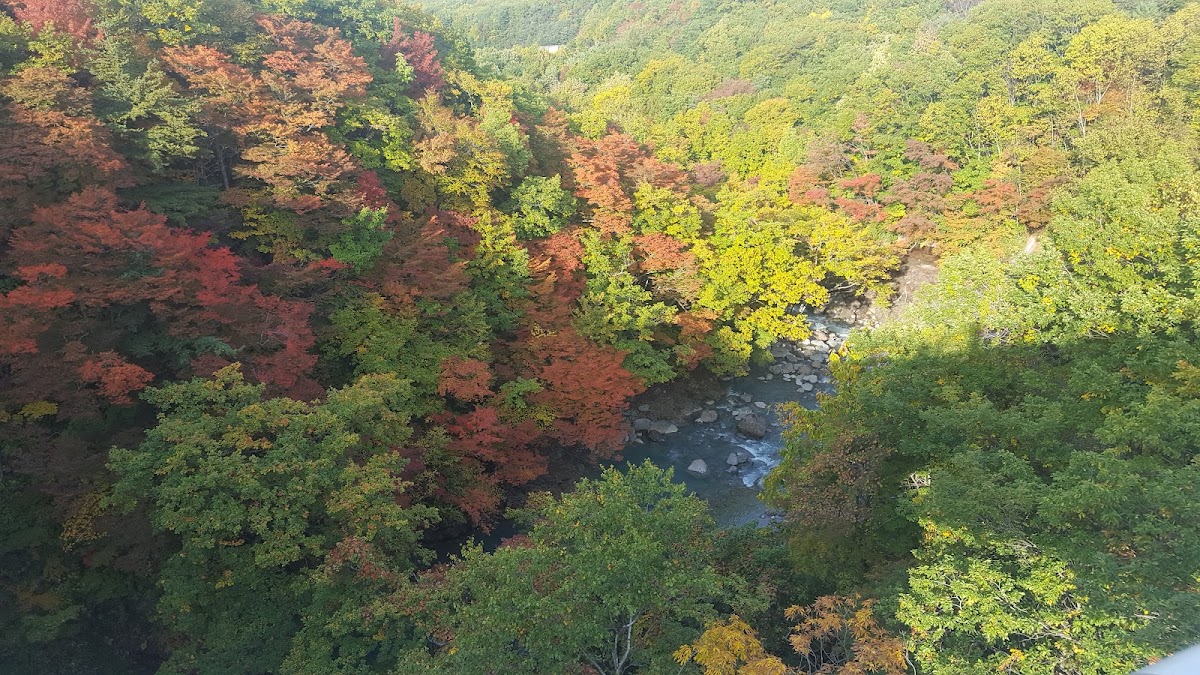
The Matsukawa Ravine on the Iwate Prefectural Forest side is one of Hachimantai’s representative autumn foliage destinations. The view from Mori no Oohashi Bridge spanning the ravine creates a mystical landscape with the contrast of vivid blue ravine and autumn foliage.
The prime viewing period is from early to mid-October, and the ravine beauty seen from the bridge is spectacular. With well-maintained walking paths, visitors can enjoy fall foliage viewing while walking along the ravine.
Enjoying Hachimantai Through All Four Seasons
Spring (April–June) | Season of Snowmelt and Fresh Greenery
Spring in Hachimantai is a season when nature awakens with snowmelt. Along with the opening of the Hachimantai Aspite Line in mid-April, a snow corridor reaching several meters high appears.
In May, Japanese false hellebore begins blooming in wetlands, coloring the wetland with white spathes. From mid-May to mid-June is the precious period when the Hachimantai Dragon Eye appears.
During the fresh greenery season, the Aomori spruce forest turns a vibrant green, allowing visitors to savor the refreshing highland air.
Summer (July–August) | Alpine Flora and Summer Retreat
Summer in Hachimantai is ideal as a summer retreat due to its high elevation and cool temperatures. In July, Japanese bistorta, fairy primrose, and other alpine plants bloom gloriously, decorating wetlands and hiking trails.
The summer season is optimal for serious trekking such as walking the path around Lake Hachiman or climbing Chawan-dake. On clear days, the magnificent view of Mount Iwate is wonderful, allowing for refreshing experiences in nature.
Autumn (September–October) | Splendid Fall Foliage
Autumn is the season when Hachimantai is most brilliantly colored. From late September to early October, nanking cherry, birch, and maple trees turn red and yellow, enveloping the entire mountain in beauty like a brocade picture.
Driving the Hachimantai Aspite Line allows you to enjoy the gradation of foliage created by elevation differences. The foliage of Matsukawa Ravine is equally magnificent, with the view from Mori no Oohashi Bridge being particularly popular.
Foliage information is regularly updated on the official Hachimantai City Tourism Association website, so checking before your visit is recommended.
Winter (November–March) | Skiing, Snowboarding, and Hot Springs
Winter in the Hachimantai area is a mecca for skiers and snowboarders seeking quality powder snow. In particular, Anpi Highland Ski Resort is known as the largest ski resort in the Tohoku region with 21 courses.
While the Hachimantai Aspite Line is closed during winter, hot spring facilities remain open, allowing for hot spring viewing in snow. Enjoying a luxurious winter moment by soaking in a hot spring after skiing is unique to this season.
Hachimantai’s Hot Springs | Abundant Mineral Compositions and Hidden Spas
Tougana Hot Spring | A Hidden Spa at 1,400 Meters Elevation
Tougana Hot Spring is known as the highest-elevation hot spring in Tohoku at approximately 1,400 meters. With its milky-white sulfurous spring and an open-air bath overlooking the majestic Hachimantai landscape, it offers an exceptional experience.
The mixed-gender open-air bath in particular offers a sense of openness and the experience of bathing enveloped by nature is extraordinary. Popular with hidden spa enthusiasts, the intimate atmosphere of the single-building inn is also appealing.
Matsukawa Hot Spring | Popular as a Beauty-Enhancing Spring
Matsukawa Hot Spring is located on the eastern foothills of Hachimantai. With sulfurous spring water with skin-beautifying effects, it is popular among women.
Multiple hot spring inns dot the area, each with different water sources, allowing for hot spring tours. Surrounded by rich nature, visitors can soak in hot springs while enjoying seasonal scenery.
Anpi Hot Spring Resort | Resort Hot Springs Near Ski Slopes
Anpi Hot Spring Resort spreads around Anpi Highland Ski Resort. Day-use hot spring facilities are abundant and easily accessible after skiing or snowboarding, making combined sports and hot spring stays possible.
The majority of springs are alkaline simple hot springs, gentle on skin with expected fatigue recovery effects.
Mabeshi River Hot Spring Resort | Varied Mineral Compositions
A hot spring resort on the banks of the Mabeshi River in northern Iwate. The springs are radium-rich, reportedly effective for neuralgia and skin conditions.
The hot spring town features multiple accommodations, each offering thoughtfully prepared hot springs and cuisine. With good accessibility from Morioka City, it is an easy-to-visit hot spring destination.
Hachimantai’s Cuisine | Savoring Local Flavors
Hachimantai Pork | Brand Pork
Hachimantai Pork, raised in Hachimantai City, is a brand pork characterized by fine meat texture and sweetly marbled fat. Restaurants throughout the city serve it in various dishes including tonkatsu, shabu-shabu, and yakiniku.
Maezawa Beef | Iwate’s Representative Wagyu
“Maezawa Beef,” Iwate Prefecture’s representative premium wagyu, can also be enjoyed at restaurants in the Hachimantai area. Characterized by fine marbling and tender meat with refined flavor, it can be savored as steak or yakiniku.
Mountain Delicacies | Wild Plants and Local Vegetables
Mountain vegetables nurtured by Hachimantai’s rich nature are popular as spring flavors. Seasonal mountain vegetable dishes such as butterbur sprouts, fatsia sprout, bracken, and ostrich fern can be enjoyed at hot spring inns and restaurants.
From summer through autumn, abundant locally grown fresh vegetables and mushrooms are available, with dishes highlighting ingredient flavors.
Dairy Products | Gifts of the Highland
Dairy farming thrives on Hachimantai’s highland, producing fresh milk, yogurt, cheese, and other dairy products. Available for purchase at roadside stations and tourism facilities, they are also popular as souvenirs.
Access to Hachimantai
By Car
From Tokyo
- Approximately 6 hours via Tohoku Expressway
- Approximately 10 minutes to Hachimantai city center via National Route 282 after exiting at Ashiro IC
- Approximately 15 minutes to Hachimantai Aspite Line after exiting at Matsuo Hachimantai IC
From Morioka City
- Approximately 50 minutes via National Route 282
- Approximately 40 minutes to Ashiro IC when using Tohoku Expressway
From Akita City
- Approximately 2 hours via National Route 341
The Hachimantai Aspite Line is closed in winter (early November to mid-April), so check road information beforehand.
By Public Transportation
Train
- From JR Morioka Station on the Hanawa Line toward Odate
- Get off at Anpi Highland Station or Arayashinaramachi Station
- Use bus or taxi from stations
Highway Bus
- Bus routes from Morioka Station to Hachimantai area available
- Peak tourism season features buses to the summit
Airplane
- Approximately 1 hour 30 minutes by car from Iwate Hanamaki Airport
- Approximately 2 hours by car from Aomori Airport
As public transportation has limited frequency, it is recommended to check schedules in advance and plan activities carefully.
Notable Events Held in Hachimantai
Hachimantai Aspite Line Opening Event (Mid-April)
Coinciding with the opening of the Hachimantai Aspite Line after winter closure, a snow corridor walking event is held. It provides a rare opportunity to walk on a normally car-only road and experience up close the snow walls reaching several meters high.
Hachimantai Mountain Opening (Early June)
An event marking the arrival of full climbing season. A safety blessing ceremony is held, and participants receive commemorative gifts.
Hachimantai Fall Foliage Festival (Late September–Early October)
An event held during the fall foliage season with local food stalls and specialty product sales. Expect crowds during this period, so visiting in the early daytime hours is recommended.
Anpi Highland Gondola Fall Foliage Viewing (Late September–Early October)
The gondola at Anpi Highland Ski Resort operates during fall foliage season, allowing foliage viewing from the air. From the summit, you can view fall foliage across Mount Iwate and the Hachimantai mountains, enjoying spectacular scenery.
Recommended Model Courses for Hachimantai Tourism
Day Trip Course (By Car)
Morning
- 9:00 Depart from Hachimantai Aspite Line entrance
- 9:30 Lake Hachiman trail walk from Miekaeshi Pass parking area (approximately 1 hour)
- 11:00 Enjoy scenery at Hachimantai Summit observation deck
Lunch
- 12:00 Lunch at summit restaurant house
Afternoon
- 13:00 Drive Aspite Line
- 14:00 View fall foliage at Matsukawa Ravine and Mori no Oohashi Bridge
- 15:00 Bathe at day-use hot spring
- 16:30 Purchase specialty products at roadside station
- 17:00 Depart for return journey
1 Night 2 Days Course
Day 1
- Morning: Hachimantai Aspite Line drive
- Lunch: Meal at summit area
- Afternoon: Lake Hachiman walk, Chawan-dake climb
- Evening: Check in at hot spring inn
- Night: Enjoy hot spring and local cuisine
Day 2
- Morning: Tour Fudo Falls or Matsukawa Ravine
- Lunch: Enjoy local cuisine
- Afternoon: Explore Anpi Highland or Prefectural Forest
- Evening: Shopping at roadside station, depart for return journey
Precautions and Advice for Hachimantai Tourism
Clothing and Equipment
Hachimantai is at high elevation with temperatures approximately 10 degrees Celsius lower than lowlands. Bring a long-sleeved jacket even in summer and wear layered clothing for adjustability. For hiking or walking, always bring comfortable shoes and rain gear.
Be Mindful of Weather Changes
As a mountainous area, weather can change suddenly. Check weather forecasts beforehand and avoid risky activities in bad weather. Particularly when fog develops, visibility diminishes, requiring care not to stray from hiking trails.
Winter Road Closures
The Hachimantai Aspite Line typically closes for winter from early November to mid-April. This road is impassable during this period, so check the opening period when planning your visit.
Be Aware of Wildlife
The Hachimantai area is home to bears and serows and other wildlife. Carry bear bells while hiking or walking, and avoid solo activities to prepare for wildlife encounters.
Mobile Phone Coverage
In mountainous areas, mobile phone signals may not reach certain locations. Check maps beforehand and establish a travel plan before departing.
Recommended Accommodations Near Hachimantai
Hot Spring Inns
The Hachimantai area offers various hot spring inns including Tougana, Matsukawa, and Anpi hot springs. Options range from single-building hidden spas to well-equipped resort hotels, allowing selection based on preference and budget.
Particularly during autumn foliage season and summer vacation, advance reservations are recommended due to high occupancy.
Pensions and Inns
The area around Anpi Highland offers numerous inviting pensions and inns with homey atmospheres. Interaction with owners and home-style cooking are appealing, as are reasonable prices.
Campgrounds
Summer visitors can use campgrounds around Hachimantai. Camping in nature offers different experiences from hotels, including stargazing and bird watching.
Conclusion | Fully Enjoy Hachimantai’s Wilderness
Iwate Prefecture’s Hachimantai is a mountain highland resort with magnificent mountains, rich nature, and abundant hot spring resources. From the spring snow corridors and Hachimantai Dragon Eye through summer alpine flora, autumn foliage, and winter skiing, it displays different faces throughout the year.
Various ways to enjoy Hachimantai are possible matching physical ability and preference, including Aspite Line drives, Lake Hachiman walks, and Chawan-dake climbing. After tourism, relax in hot springs and savor local cuisine, making a fulfilling trip possible.
Please experience the spectacular scenery woven by the nature of Towada-Hachimantai National Park and Iwate Prefecture’s unique hospitality in Hachimantai. Since completely different scenery can be enjoyed depending on visit season, this charming destination offers new discoveries with each visit.
Frequently Asked Questions (FAQ)
Q1: When can the Hachimantai Dragon Eye be viewed?
A1: The Hachimantai Dragon Eye is typically visible from mid-May to mid-June for a limited period. The timing varies based on snowmelt progress and weather conditions, so checking the official Hachimantai City Tourism Association website for the latest information before visiting is recommended. The most beautiful “perfect dragon eye” state lasts only several days, making timing crucial.
Q2: Is the Hachimantai Aspite Line passable in winter?
A2: The Hachimantai Aspite Line typically closes for winter from early November through mid-April due to snow accumulation. The opening occurs around mid-April when the “snow corridor” becomes visible, a popular time. Opening and closing dates vary yearly, so confirm current information with road authorities beforehand.
Q3: How much time is needed for Hachimantai tourism?
A3: For day trips, a minimum of 4-5 hours is necessary for Aspite Line driving and Lake Hachiman walks. For visiting multiple attractions or climbing, a 1-2 day itinerary is recommended. Allowing time permits leisurely enjoyment of hot springs and dining.
Q4: When is the prime foliage season at Hachimantai?
A4: Hachimantai’s fall foliage typically peaks from late September to early October. Trees begin turning color from higher elevations, with foliage enjoyable through mid-October at lower elevations. Matsukawa Ravine and Mori no Oohashi Bridge are particularly beautiful foliage spots. Foliage information is regularly updated on the tourism association website.
Q5: Can beginners climb the mountain?
A5: Walking paths around Lake Hachiman are relatively flat and well-maintained, safe for beginners and families. The walk takes about 60 minutes. Chawan-dake also has well-maintained trails reachable in about 1.5 hours, suitable for beginners. Weather-appropriate gear and comfortable shoes are essential.
Q6: Is a car necessary to access Hachimantai?
A6: A car is most convenient for Hachimantai tourism. While public transportation exists, limited frequency makes a car ideal for freely visiting attractions. Rental cars from Morioka Station or Hanamaki Airport provide efficient access. Temporary buses operate during peak seasons, so check information beforehand.
Q7: Can pets visit with you?
A7: Pets can accompany you on Aspite Line drives and some attractions, but hiking trails in the national park may have restrictions. Many hot spring inns and restaurants do not allow pets, so confirming with each facility beforehand is recommended. Some pet-friendly accommodations do exist.
Q8: What are recommended Hachimantai souvenirs?
A8: Popular Hachimantai souvenirs include locally produced dairy products (yogurt, cheese), Hachimantai Pork processed goods, local sake, processed wild vegetables, and honey. Roadside stations “Nishine” and “Ashiro” offer abundant local specialty products. Hot spring buns and hot spring eggs are also recommended at hot spring areas.


