
Tatsuta River (Ryūta River) Nara Prefecture Complete Guide|Autumn Foliage Scenic Spot, History, and Access Information
About Tatsuta River|A First-Class River Representing Nara Prefecture
The Tatsuta River (Ryūta River, たつたがわ) is a first-class river in the Yamato River water system flowing through the northwestern part of Nara Prefecture. Originating from the eastern foothills of Mount Ikoma (elevation 642m), located near the border between Osaka Prefecture and Nara Prefecture, it flows southward and passes through Ikoma City and Heguri Town before merging with the Yamato River in Ikaruga Town. The drainage basin covers approximately 54 square kilometers, with a channel length of approximately 15 kilometers.
The upper reaches are called the Ikoma River (いこまがわ), the middle reaches are called the Heguri River (へぐりがわ), and the name changes depending on the location. Known since ancient times as a celebrated site for poetry composition, it is particularly famous nationwide for its beautiful autumn foliage.
Geographic Characteristics of Tatsuta River
The Tatsuta River flows through a structural valley between the Ikoma Mountains and the Yata Hills, forming a uniquely distinctive landscape. Particularly, the V-shaped gorge called Gase (峨瀬) where the river enters Ikaruga Town from Heguri Town is considered one of the most beautiful scenic spots of the Tatsuta River.
A walking trail has been developed along the riverbank and is designated as a prefectural park for approximately 2 kilometers. In the Mimuro Kishi area where the river flows at the foot of Mount Mimuro, one can view the Ikoma Mountains in the distance, as well as the connected mountain ranges including Mount Kurayama, Kuroki Pass, Thirteen Passes, and Mount Shigi, allowing enjoyment of nature’s seasonal beauty.
History and Culture of Tatsuta River|A Famous Place Celebrated in the Hundred Poets
Tatsuta River in Classical Literature
The Tatsuta River has been cherished as a subject of Japanese poetry since ancient times, and has been composed about by numerous poets. The most famous examples are the two poems included in the Hundred Poets.
The poem by Ariwara no Narihira, “Chihasaburu kamiyo mo kikazu Tatutakawa karakurenai ni mizu kugurutowa,” is known as a masterpiece vividly depicting the sight of autumn leaves floating on the river surface. “Karakurenai” means deep crimson, expressing the beauty of colored leaves dyeing the water surface.
The poem by Monk NoIn, “Arashi fuku mimuro no yama no momiji ba wa tatuta no kawa no nishiki narikeri,” is also included in the Hundred Poets, depicting the scene of autumn leaves scattered by wind blowing down from Mount Mimuro, decorating the river surface like brocade.
These poems have elevated the Tatsuta River to an unshakeable position as a famous autumn foliage spot from the Heian period to the present day.
Tatsuta River as a Utamakura (Named Poetic Place)
The Tatsuta River occupies an important position in classical literature as an “utamakura.” A utamakura is a famous location incorporated into Japanese poetry, and the Tatsuta River has been beloved by many poets as a synonym for autumn leaves.
The tradition of poetry continuing from the era of the Man’yōshū influenced even Edo period ukiyo-e woodblock prints. In Utagawa Hiroshige’s “Sixty-odd Provinces Famous Places,” it is depicted as “Yamato Tatsuta Mountain, Tatsuta River,” expressing its beauty visually as well.
Changes in the Name of Tatsuta River
Interestingly, records show that the river currently called “Tatsuta River” was called “Heguri River” or “Shiota River” during the Edo period. There is debate among historians as to whether the Tatsuta River celebrated in ancient poetry is completely identical to the present-day Tatsuta River.
However, it is undeniable that the river flowing through present-day Ikaruga Town is widely recognized as the “Tatsuta River,” and its historical and cultural value has been preserved.
Tatsuta River’s Autumn Foliage|Best Viewing Season and How to Enjoy It
Best Viewing Season for Autumn Foliage
The autumn foliage of the Tatsuta River typically reaches its peak from late November to early December. During this period, the foliage coloring the riverbanks displays its most beautiful appearance, drawing many tourists.
The peak season varies somewhat depending on weather conditions, but generally the leaves begin to change color in mid-November, reaching their peak in late November. Beautiful autumn foliage can be enjoyed until early December.
Types of Trees That Change Color
The main tree species showing autumn foliage along the Tatsuta River are as follows:
- Japanese Maple (Irohayomoji): The most representative autumn foliage tree, turning bright red
- Mountain Maple (Yamayomoji): A variety characterized by deep crimson coloring
- Trident Maple (Tōkaede): Displaying a gradient from yellow to orange
The color changes created by these trees are truly worthy of being described as “brocade.” The reflection of autumn foliage on the water surface is also a highlight, with the contrast between the water and the colored leaves creating a spectacular view.
Recommended Spots for Viewing Autumn Foliage
The following areas are recommended for enjoying the Tatsuta River’s autumn foliage:
Mount Mimuro Vicinity: The Tatsuta River flowing at the foot of Mount Mimuro is a place celebrated in the poem by Monk Noин, allowing one to enjoy autumn foliage while sensing its historical background.
Gase Gorge: The V-shaped gorge beautifully frames the autumn foliage, allowing enjoyment of a dynamic landscape.
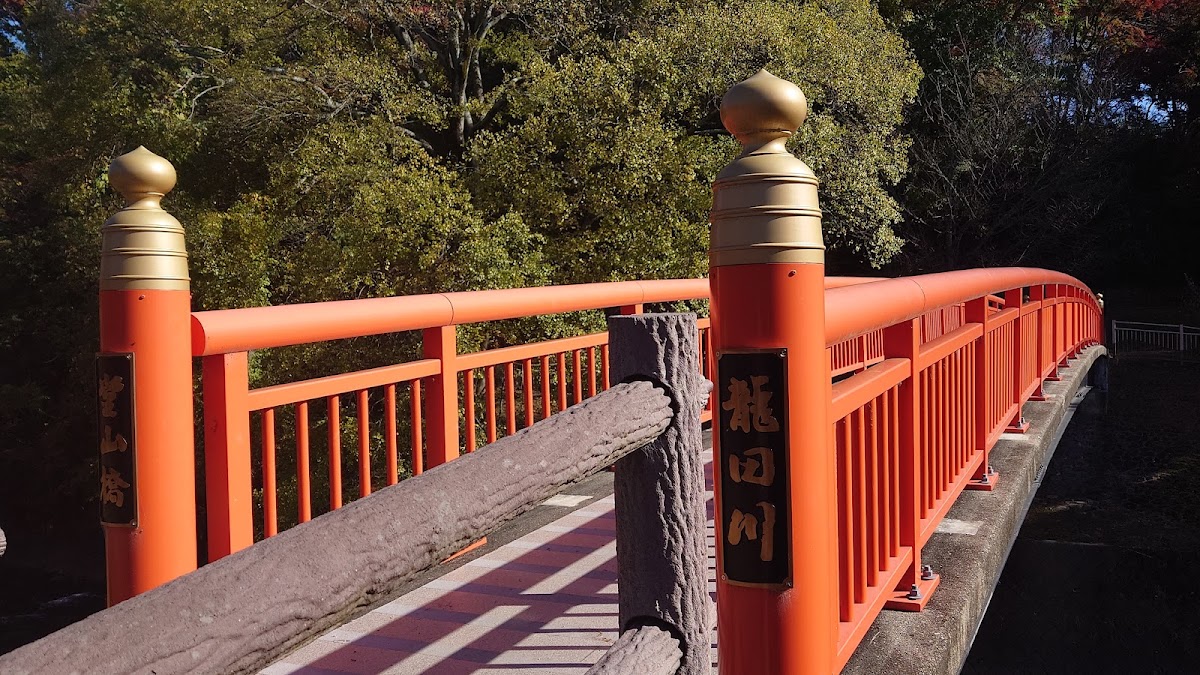
Tatsuta Bridge Vicinity: From the bridge, one can view the river flow and autumn foliage at a glance, ideal for photography.
Along the Walking Trail: The approximately 2-kilometer walking trail is perfect for strolling, allowing you to savor the autumn foliage at a leisurely pace.
Attractions of Other Seasons Besides Autumn Foliage
The Tatsuta River possesses beauty in all four seasons, not just the autumn foliage season. One can enjoy cherry blossoms and fresh greenery in spring, the cool murmur of the stream in summer, and serene landscapes in winter. Particularly, the combination of spring’s fresh greenery with the river’s flow has a refreshing beauty distinct from autumn foliage.
Access Information to Tatsuta River
Access by Train
Access to the Tatsuta River by public transportation is convenient.
By JR:
- Get off at “Ōji Station” on the JR Yamatoji Line, approximately 20 minutes on foot
- Bus service also available from Ōji Station
By Kintetsu:
- Get off at “Heguri Station” on the Kintetsu Ikoma Line, approximately 15 minutes on foot
- Get off at “Shin-Ōji Station” on the Kintetsu Tawaramoto Line, approximately 20 minutes on foot
During the autumn foliage season, congestion is expected, so use of public transportation is recommended.
Access by Car
Access from Major Roads:
- Approximately 10 minutes from “Hōryūji IC” on the Nishi-Meihan Expressway
- Approximately 15 minutes via Route 25 from the Hannan Expressway
Parking spaces in the surrounding area are limited, so early arrival is recommended especially during the autumn foliage season. It is also possible to use the public parking lot in Ikaruga Town and access the site on foot.
Transportation Information in the Surrounding Area
The Tatsuta River area is located in the tourist zone of Ikaruga Town and is close to major tourist destinations such as Hōryūji Temple. From Hōryūji Temple to the Tatsuta River is approximately 10 minutes by car or approximately 30 minutes on foot.
Tourist Spots Around Tatsuta River
Mount Mimuro
Mount Mimuro, located right next to the Tatsuta River, is a historic mountain celebrated in the poetry of Monk Noін. Although not particularly high in elevation, the summit offers panoramic views of the Tatsuta River and surrounding scenery. It is popular as a hiking course and can be enjoyed in combination with the Tatsuta River’s autumn foliage.
Hōryūji Temple
Hōryūji Temple, registered as a UNESCO World Heritage Site, is located approximately 10 minutes by car from the Tatsuta River. Known as Japan’s oldest wooden building, it is a precious temple conveying the culture of the Asuka period to the present day. By visiting in combination with autumn foliage viewing at the Tatsuta River, you can enjoy both Nara’s history and nature.
Mount Shigi
Located on the east side of the Tatsuta River, Mount Shigi is known for Shigisan Chōgosonsji Temple, a sacred mountain. From the 437-meter summit, one can see a panoramic view of the Osaka Plain, with particularly beautiful views of the evening landscape. It is approximately 20 minutes by car from the Tatsuta River and is an ideal choice as a surrounding tourist option.
Myōjinyama Nature Forest
Myōjinyama Nature Forest in Heguri Town is a naturally rich hiking spot. Located near the middle reaches of the Tatsuta River, it allows enjoyment of nature in all seasons. With a well-maintained walking trail, families can hike with peace of mind.
Nara Prefectural Mami Kyūryō Park
Located slightly south of the Tatsuta River, Mami Kyūryō Park is a vast prefectural park. Ancient burial mounds are scattered throughout, creating a space where history and nature are in harmony. Seasonal flowers can be enjoyed throughout the year, with particularly impressive tulips in spring and cosmos in autumn.
Accommodation Facilities Around Tatsuta River
Ubusuna-no-Sato TOMIMOTO
When considering accommodation around the Tatsuta River, “Ubusuna-no-Sato TOMIMOTO” is recommended. This accommodation facility blends Nara traditions with modern comfort, offering cuisine made from local ingredients. Access to the Tatsuta River is convenient, making it ideal as a base during the autumn foliage season.
Shigisan Daihonzan Gyokusōin Shukubō
The Shukubō (temple lodging) of Gyokusōin Temple on Mount Shigi offers the valuable experience of staying at a traditional temple. Opportunities to experience Japanese religious culture through shojin ryōri (Buddhist vegetarian cuisine) and morning prayers are available. It is approximately 20 minutes by car from the Tatsuta River.
Surrounding Hotels and Inns
Various accommodation facilities from business hotels to traditional inns are available in the Ikaruga and Ōji town areas. Using accommodation around Hōryūji Temple as a base allows efficient touring of both the Tatsuta River and Hōryūji Temple.
Model Courses for Tatsuta River Tourism
Day Trip Course
Morning: Arrive at JR Ōji Station or Kintetsu Heguri Station → Stroll along the Tatsuta River walking trail (approximately 2 hours) → View autumn foliage around Mount Mimuro
Lunch: Enjoy local cuisine in Ikaruga or Ōji Town
Afternoon: Visit Hōryūji Temple (approximately 2 hours) → Return
This course allows you to enjoy both the Tatsuta River’s autumn foliage and the World Heritage Hōryūji Temple in a single day.
One-Night, Two-Day Course
Day 1: Arrival → View autumn foliage at Tatsuta River → Visit Hōryūji Temple → Enjoy evening views from Mount Shigi → Overnight stay
Day 2: Hike in Myōjinyama Nature Forest → Stroll through Mami Kyūryō Park → Return
By staying overnight, you can experience Nara Prefecture’s nature and history more deeply.
Basic Information for Tatsuta River Tourism
Best Times to Visit
Viewing the Tatsuta River’s autumn foliage in the soft morning light is particularly recommended. From around 9 a.m. to 11 a.m., there are relatively few people and you can enjoy the foliage at leisure. The autumn foliage illuminated by the evening sun is also beautiful, displaying different expressions depending on the time of day.
Clothing and What to Bring
From late November to early December, Nara experiences cold weather, so warm clothing is necessary. Since you will be walking on the walking trail, wear comfortable shoes. Bringing a camera or binoculars will allow you to enjoy the autumn foliage even more.
Points to Note
- Some sections of the walking trail along the river are slippery, so exercise caution while walking
- Please take all trash with you and cooperate in preserving the natural environment
- The autumn foliage season is crowded, so visit with extra time to spare
- Parking is limited, so use of public transportation is recommended
Natural Environment and Conservation of Tatsuta River
Characteristics of the Ecosystem
As a first-class river, the Tatsuta River nurtures a rich ecosystem. Various fish species inhabit the river, and many waterbirds can be seen along the banks. From spring to summer, insect observation can also be enjoyed along the riverbank.
Environmental Conservation Activities
Regular river cleaning activities conducted by local residents and local government maintain the beautiful environment of the Tatsuta River. Visitors should also cooperate in natural environment conservation, preserving the beautiful Tatsuta River for future generations.
The World of Japanese Poetry Celebrating the Tatsuta River
Learning More About the Two Poems in the Hundred Poets
The poem by Ariwara no Narihira, “Chihasaburu kamiyo mo kikazu Tatutakawa karakurenai ni mizu kugurutowa,” is poem number 17 in the Hundred Poets. The phrase “Chihasaburu” is a pillow word modifying “kami” (god), expressing astonishment at autumn foliage so beautiful that it has never been heard of even in the age of the gods.
The poem by Monk NoIn, “Arashi fuku mimuro no yama no momiji ba wa tatuta no kawa no nishiki narikeri,” is poem number 69 in the Hundred Poets. It describes the sight of autumn leaves scattered by wind blowing down from Mount Mimuro decorating the river surface like brocade.
These two poems have become valuable cultural heritage conveying the beauty of the Tatsuta River’s autumn foliage to future generations.
Other Poems Celebrating the Tatsuta River
Beyond the Hundred Poets, the Tatsuta River appears in many collections of Japanese poetry. The Tatsuta River is recorded in poetry collections from each era, such as the Man’yōshū, Kokin Wakashū, and Shin Kokin Wakashū, indicating the Tatsuta River’s importance in Japanese literary history.
Gourmet Information Around Tatsuta River
Local Regional Cuisine
In Ikaruga Town and surrounding areas, you can enjoy Nara Prefecture’s regional dishes. Persimmon leaf sushi, Miwa sōmen noodles, Nara pickles, and other dishes using local ingredients are available.
Recommended Dining Establishments
There are dining establishments around the Tatsuta River serving cuisine with local ingredients. Particularly during the autumn foliage season, many restaurants offer seasonal limited menus, allowing you to enjoy local cuisine in combination with tourism.
The Four Seasons of Tatsuta River
Spring Tatsuta River
Spring Tatsuta River features beautiful fresh greenery and blooming cherry blossoms. Though not as famous as the autumn foliage, the refreshing green and the murmur of the river create a pleasant season.
Summer Tatsuta River
In summer, the greenery becomes lush, and the murmur of the river brings coolness. Strolling the walking trail is comfortable, and it can also be enjoyed as a summer retreat.
Autumn Tatsuta River
Needless to say, autumn is the most beautiful season for the Tatsuta River. The autumn foliage from late November to early December is spectacular, drawing the most tourists of any season.
Winter Tatsuta River
Winter Tatsuta River has a serene beauty. With fewer people, you can enjoy strolling in a quiet atmosphere.
Conclusion|Fully Experience the Charm of Tatsuta River
The Tatsuta River in Nara Prefecture is a treasure trove of history and culture, known since ancient times as a famous autumn foliage spot and celebrated in the Hundred Poets. This first-class river, flowing approximately 15 kilometers from Ikoma City to Ikaruga Town, displays its most beautiful appearance from late November to early December.
The brocade-like autumn foliage created by Japanese maples, mountain maples, and trident maples is, as described in the poems by Ariwara no Narihira and Monk Noın, of a beauty unheard of even in the age of the gods. Along the approximately 2-kilometer walking trail, you can enjoy the foliage from various angles, including around the foot of Mount Mimuro and in the Gase Gorge.
By visiting nearby tourist spots such as Hōryūji Temple, Mount Shigi, and Mount Mimuro, you can experience both Nara Prefecture’s history and nature. Access by public transportation is also excellent, allowing enjoyment whether as a day trip or a one- or two-night stay.
By all means, experience with your own eyes the autumn foliage of the Tatsuta River, which boasts a history of more than a thousand years. The beauty that moved the poets of antiquity continues to fascinate us even today.
-800x450.jpg)
-800x450.jpg)
-800x450.jpg)