
Nagatoro, Saitama Prefecture Complete Guide: Thorough Explanation from Sightseeing and History to Access Information and Four-Season Appeal
Nagatoro Town, located in Chichibu District, Saitama Prefecture, is a scenic spot rich in nature accessible in approximately 2 hours from the city center. Centered around “Nagatoro Iwatatamiishi” (Nagatoro Bedrock), a nationally designated scenic beauty and natural monument, the clear waters of the Arakawa River, the four-season scenery of Hodosan Mountain, and historic shrines and temples captivate visitors. This article provides comprehensive explanations of Nagatoro’s charm from geography and history to sightseeing spots, access methods, and seasonal attractions from every angle.
Nagatoro Town’s Location and Geographic Features
Nagatoro’s Position in Saitama Prefecture
Nagatoro Town is located in the northwestern part of Saitama Prefecture, at the northeastern end of the Chichibu region. Situated at the gateway of the Chichibu Mountain Range, the Arakawa River runs north-south through the center of the town. With a total area of 30.43 square kilometers, it is the smallest municipality in Saitama Prefecture, but approximately 60% is covered by forests, preserving a rich natural environment.
Adjacent municipalities are Honjo City (former Kodama Town) to the north, Misato and Yorii towns to the east, and Minano Town to the south. Due to its geographic characteristics at the northern end of the Chichibu Basin, the town has functioned as a transit point connecting the Chichibu region and northern Saitama.
Unique Topography Nurtured by the Arakawa River
The greatest characteristic of Nagatoro is its elongated terrain opening up along both banks of the Arakawa River. This topography was formed by the Arakawa’s long-term erosion, and particularly around the Nagatoro Gorge, the bedrock of crystalline schist is exposed, creating a unique landscape called “Iwatatamiishi” (bedrock).
The clear waters of the Arakawa serve not only as a tourism resource for Nagatoro but also play an important role in supporting the region’s ecosystem. Diverse flora and fauna inhabit the riverbanks, and particularly from spring to summer, the calls of Japanese tree frogs echo through the gorge.
Nagatoro’s Role in the Chichibu Region
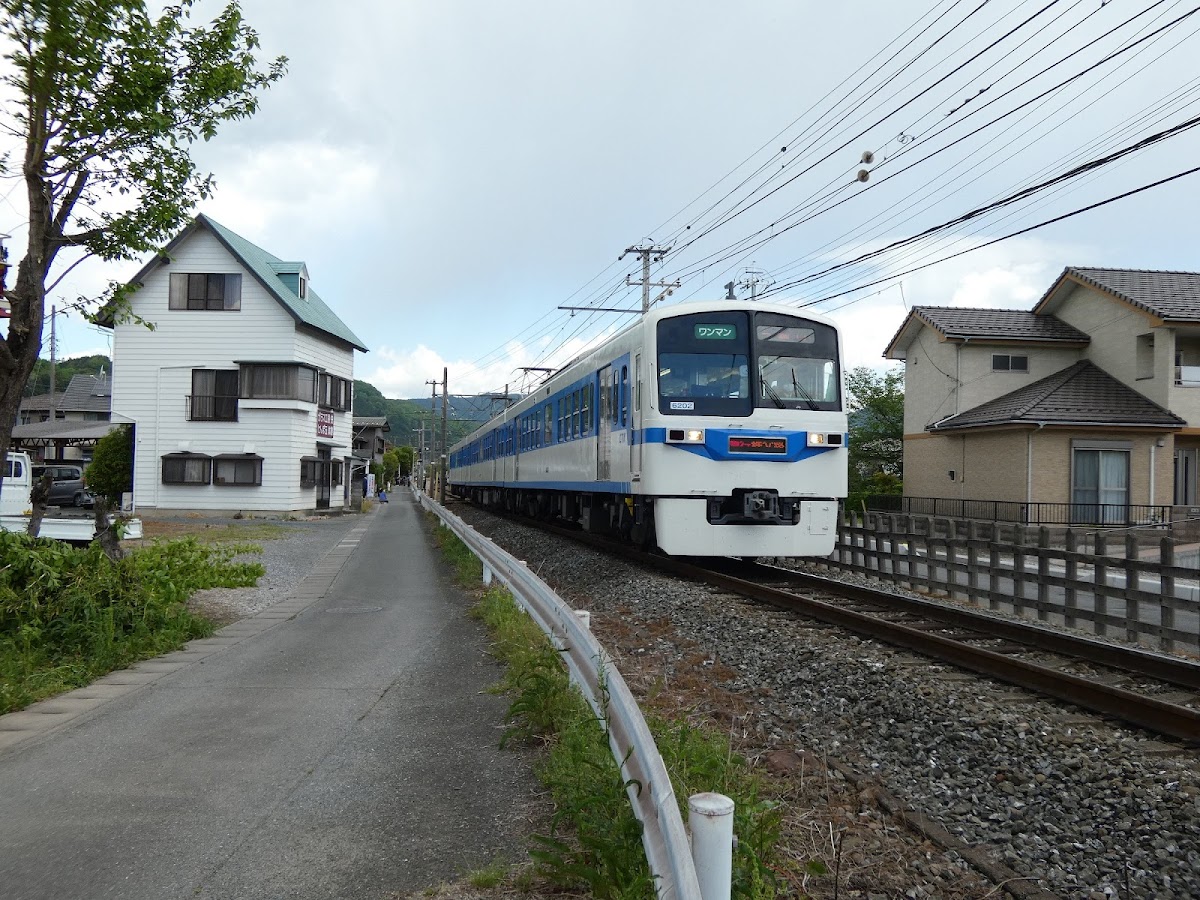
The Chichibu region is located in western Saitama Prefecture and consists of one city and four towns: Chichibu City, Yokoze Town, Minano Town, Nagatoro Town, and Ogano Town. Nagatoro Town is positioned at the northeastern end and serves as the gateway to the Chichibu region. The Chichibu Railway passes through the town with three stations—Nagatoro Station, Nogami Station, and Kamimagatoro Station—making it a well-connected tourism hub.
Nagatoro’s History: From Ancient Times to the Present
Nagatoro in Ancient and Medieval Times
The history of the Nagatoro region is ancient, with archaeological sites from the Jomon period also discovered. The abundant water resources of the Arakawa River and surrounding forests have supported people’s lives since ancient times. In the medieval period, mountain worship centered on Hodosan Mountain flourished, and the area became known as a spiritual center for mountain ascetics.
Hodosan Shrine is said to have been founded in 110 AD (during the reign of the 12th Emperor Keiko), with a legend that Yamato Takeru no Mikoto felt divine spirits at the summit during his eastward expedition. Centered on this shrine, Nagatoro developed as a place of faith.
Development in the Early Modern and Modern Periods
During the Edo period, forestry in the Chichibu region became prosperous, and the Arakawa River played an important role as a timber transport route. Timber rafting was conducted, and Chichibu lumber was transported to Edo. This history of water transport during this era became the prototype for the later Nagatoro Line boat rides.
In the Meiji period, the region attracted attention as geologically valuable. In 1878 (Meiji 11), German geologist Naumann visited Nagatoro and investigated crystalline schist outcrops, establishing Nagatoro as a holy site of geology.
From the Showa Era to the Present: Development as a Tourist Destination
With the opening of the Chichibu Railway in 1924 (Taisho 13), access to Nagatoro improved dramatically. In 1927 (Showa 2), “Nagatoro” was designated as a nationally designated scenic beauty and natural monument, establishing its status as a tourist destination.
After the war, tourism increased rapidly with economic growth. The Nagatoro Line boat rides were developed as a full-fledged tourist business, and souvenir shops and restaurants lined up around the Iwatatamiishi area. From the 1970s to 1980s, it became one of Saitama Prefecture’s premier tourist destinations, receiving over 2 million visitors annually.
In recent years, it has gained attention as a hub for outdoor activities, with adventure tourism activities such as rafting, kayaking, and camping proving popular.
Nagatoro Town’s Emblem and Symbols
Design and Meaning of the Town Emblem
Nagatoro Town’s emblem is a stylized design of the character “長” (long/Nagatoro) arranged within a circle. This design symbolizes the town’s development and the unity of its residents, conveying a simple yet strong impression.
Town Flower, Tree, and Bird
Nagatoro Town has designated symbols representing its natural heritage.
Town Flower: Fukujusou (Adonis ramosa)
Fukujusou, which blooms with golden flowers in early spring, grows naturally at the foot of Hodosan Mountain in Nagatoro and is beloved as a flower announcing the arrival of spring. True to its name meaning “fortune and longevity,” it symbolizes good fortune and long life.
Town Tree: Sakura (Cherry Blossom)
Nagatoro is also famous as a cherry blossom viewing spot, with approximately 400 Somei Yoshino cherry trees along Kitasakura Dori forming a magnificent cherry blossom tunnel in spring. Cherry blossoms around the Iwatatamiishi area also create beautiful scenery combined with the clear waters of the Arakawa.
Town Bird: Kingfisher (Kawasemi)
The kingfisher inhabiting the clear waters of the Arakawa is also called the “jewel of the gorge” because of its beautiful blue feathers. It was chosen to symbolize Nagatoro’s clean water environment.
Nagatoro’s Major Sightseeing Spots
Nagatoro Iwatatamiishi: Nationally Designated Scenic Beauty and Natural Monument
The Iwatatamiishi, Nagatoro’s signature sightseeing spot, is a large bedrock of crystalline schist carved by the flow of the Arakawa River. Spanning approximately 80 meters in width and 600 meters in length, this bedrock was named “Iwatatamiishi” (tatami mat rocks) because it appears as if tatami mats are laid out.
Geologically, it is composed of metamorphic rocks dating back approximately 100 million years, a precious natural heritage formed over countless years. Visitors can walk on the Iwatatamiishi and enjoy a leisurely walk while feeling the clear waters of the Arakawa up close. On the opposite bank, the “Chichibu Red Wall” (Chichibu Akakabe), a reddish-brown rock face, towers overhead, forming a majestic gorge landscape.
Access Information
- Approximately 5 minutes walk from Nagatoro Station on the Chichibu Railway
- Approximately 20 minutes by car from Hanazono IC on the Kan-Etsu Expressway
- Parking: Multiple paid parking lots nearby (500 to 1,000 yen approximately)
Hodosan Mountain and Hodosan Shrine
Hodosan Mountain, standing at 497 meters, is an iconic symbol of Nagatoro. Easy access to the summit is available via the Hodosan Ropeway (approximately 5 minutes), from which panoramic views of the Chichibu Basin unfold.
Hodosan Shrine consists of the main shrine at the foot of the mountain and a rear shrine at the summit, drawing worshippers as a deity protecting against fire and theft and various hardships. The main shrine, rebuilt in 1874 (Meiji 7), is an impressive gongenzukuri-style shrine with intricate carvings.
Near the summit is the “Hodosan Ropeway Garden,” featuring approximately 3,000 wintersweet blossoms blooming in winter (late December through late February), and the “Hodosan Plum Hundred-Flower Garden,” with approximately 500 cherry blossoms blooming in spring. Visitors can enjoy seasonal flowers throughout the year, with the fragrant wintersweet in winter being a hidden gem of Nagatoro.
Worship Information
- Hodosan Shrine Main Shrine: Open 24 hours for prayers
- Hodosan Ropeway: 9:40-17:00 (varies by season)
- Fares: Round-trip adults 830 yen, children 420 yen
Nagatoro Line Boat Rides: Enjoying the Arakawa’s Clear Waters
The highlight of Nagatoro sightseeing is the “Nagatoro Line Boat Ride,” a traditional activity of enjoying the gorge scenery aboard a traditional wooden boat piloted by skilled boatmen. Carrying on the tradition of timber rafting from the Edo period, it now operates as a tourist boat.
Course Introduction
- A Course (Oyahana Bridge to Iwatatamiishi): Approximately 3 km, approximately 20 minutes, 1,800 yen
- B Course (Iwatatamiishi to Takasago Bridge): Approximately 3 km, approximately 20 minutes, 1,800 yen
- Full Course (Oyahana Bridge to Takasago Bridge): Approximately 6 km, approximately 40 minutes, 3,300 yen
While traveling aboard boats skillfully navigated by experienced boatmen and listening to their commentary on the river’s flow, visitors pass through notable sights such as Iwatatamiishi, Chichibu Red Wall, and the Kotaki Rapids. Visitors can experience up close the beauty of the Arakawa River, which displays different faces with each season: spring greenery, summer coolness, autumn foliage, and winter tranquility.
Operating Information
- Operating Season: Early March through early December (closed in heavy rain or high water)
- Operating Hours: Approximately 9:00-16:00 (varies by season)
- Reservations: Group reservations required; individual visitors can purchase tickets on arrival
Saitama Prefecture Museum of Natural History
As a facility where visitors can learn the geological value of Nagatoro, the “Saitama Prefecture Museum of Natural History” opened in 1981 (Showa 56). Exhibits focusing on Saitama Prefecture’s nature and history are abundant, with exhibits on Nagatoro’s geology being particularly noteworthy.
The museum displays approximately 10,000 specimens, including a restored model of the giant shark “Carcharocles megalodon” that inhabited the Chichibu Bay 15 million years ago, fossils excavated throughout the prefecture, minerals, and fauna and flora specimens. Learning how Nagatoro’s crystalline schist formed will change the way visitors see the Iwatatamiishi.
Facility Information
- Open Hours: 9:00-16:30 (last admission 16:00)
- Closed: Mondays (or the following day if Monday is a holiday), year-end and New Year
- Admission: General 200 yen, high school and university students 100 yen, junior high school students and below free
- Access: Approximately 5 minutes walk from Kamimagatoro Station on the Chichibu Railway
Nagatoro’s Outdoor Facilities and Activities
In recent years, Nagatoro has gained attention as a mecca for outdoor activities.
Rafting and Kayaking
Multiple outdoor operators, including “Outdoor Center Nagatoro,” offer rafting and kayaking experiences on the Arakawa. The thrilling experience of descending rapids is a popular activity from spring through fall.
Campgrounds
“Riverside Nagatoro Auto Campground” is a spacious family-oriented campground located along the Arakawa. In addition to auto camping sites, bungalows and cottages are also available, allowing beginners to enjoy camping with peace of mind. Recently, glamping facilities have also increased, creating an environment for easy outdoor experiences.
Experience Workshops
Nagatoro has a wealth of experience facilities that leverage regional traditions and natural resources.
- TAKARA Workshop: A workshop where visitors can experience glass crafts and enjoy making original glass products
- Glass Studio Kai: Offers blown glass and sandblast experience
- Nature Navigator Nagatoro BASE: A hub facility providing natural experience programs
Access Methods to Nagatoro
Access by Train
The most convenient way to reach Nagatoro is by the Chichibu Railway.
From the Tokyo Area
- JR Takasaki Line to Kumagaya Station (approximately 1 hour from Ikebukuro)
- Transfer to Chichibu Railway, heading to Nagatoro Station (approximately 50 minutes)
- Total travel time: Approximately 2 hours
Direct from Ikebukuro
- Seibu Railway Ikebukuro Line to Seibu Chichibu Station on the Limited Express Red Arrow (approximately 80 minutes)
- Transfer to Chichibu Railway from Ohanagatake Station, heading to Nagatoro Station (approximately 20 minutes)
The Chichibu Railway operates the sightseeing train “SL Paleo Express” (mainly on weekends and holidays), allowing visitors to enjoy a trip via steam locomotive.
Access by Car
Using the Kan-Etsu Expressway
- Approximately 20 minutes from Hanazono IC via National Route 140 (approximately 12 km)
- GPS Setting: “Nagatoro Station” or “Nagatoro Iwatatamiishi”
Parking Information
Multiple paid parking lots are available around Nagatoro Station and the Iwatatamiishi area. During tourist season and weekends, these lots become congested, so arriving early in the morning is recommended. Fees typically range from 500 to 1,000 yen.
Convenient Transportation for Tourism
Major sightseeing spots within Nagatoro Town are located within walking distance of Nagatoro Station. The Iwatatamiishi is approximately 5 minutes walk from the station, and the Hodosan Ropeway boarding area is approximately 15 minutes walk, making access convenient.
Bicycle rentals are also available, allowing visitors to leisurely enjoy Nagatoro’s nature while cycling along the Arakawa riverside cycling course.
Nagatoro’s Appeal Through the Four Seasons
Spring (March-May): Season of Cherry Blossoms and New Greenery
Spring in Nagatoro draws many tourists as a cherry blossom viewing spot.
Along Kitasakura Dori (North Sakura Street), approximately 400 Somei Yoshino cherry trees form a cherry blossom tunnel stretching approximately 2.5 km, and the area is listed among “Japan’s 100 Best Cherry Blossom Spots.” The peak bloom time is late March to early April, with nighttime illumination also provided.
Cherry blossoms can also be enjoyed along South Sakura Street and around the Iwatatamiishi, creating spectacular contrasts between the Arakawa’s clear waters and blossoms. Cherry blossoms near the summit of Hodosan Mountain bloom later than those in flatlands, extending enjoyment into mid-April.
From late April onward, fresh greenery becomes beautiful, making this the ideal season for hiking and rafting.
Summer (June-August): River Play and Seeking Coolness
Summer in Nagatoro features the Arakawa’s clear waters as its greatest attraction. The Iwatatamiishi area bustles with families enjoying river activities, with the Nagatoro Line boat rides and rafting reaching their peak seasons.
The river water is cold, providing natural air conditioning coolness even in the height of summer. Restaurants along the Arakawa specialize in shaved ice made with natural ice, which is perfect for a summer break.
Campgrounds are often fully booked during summer, requiring early reservations. At night, visitors can enjoy the starry sky rarely seen in urban areas.
Autumn (September-November): Spectacular Autumn Foliage
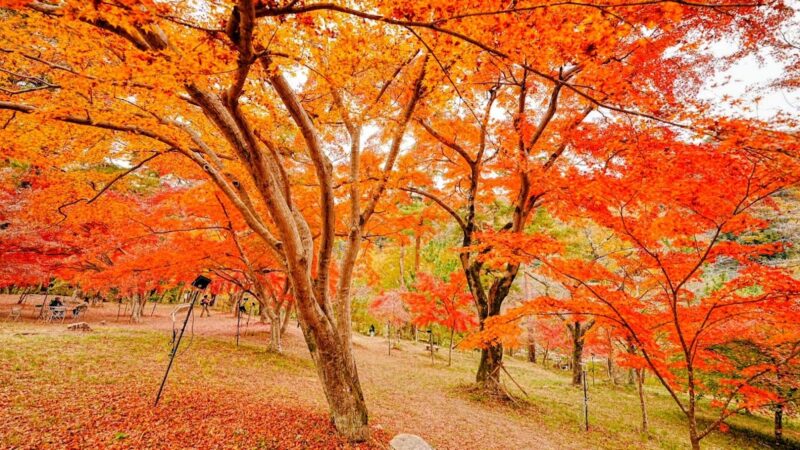
Autumn in Nagatoro is known as a prime autumn foliage viewing destination. Peak colors occur from early November through late November, with main viewing spots including the Iwatatamiishi area, Tsuki-no-Ishi Momiji Park, and Hodosan.
Tsuki-no-Ishi Momiji Park features illumination from mid-November through late November, allowing visitors to enjoy the enchanting nighttime foliage. Foliage reflected in the Arakawa’s clear waters is also beautiful, and viewing autumn leaves from a Nagatoro Line boat ride is exceptional.
The Chichibu region holds traditional events such as the “Chichibu Yomatsuri” (December 2-3), adding cultural appeal during the autumn season.
Winter (December-February): Silence and Blossoming Season
Winter in Nagatoro sees fewer tourists, allowing for leisurely walks in a quiet atmosphere.
Hodosan’s Wintersweet blooms from late December through late February, with approximately 3,000 trees staining the mountain yellow. Walking surrounded by their sweet fragrance is a unique Nagatoro winter experience.
From late February, plums begin to bloom, with the Hodosan Plum Hundred-Flower Garden featuring approximately 170 varieties and 500 plum trees blossoming sequentially. The characteristic feature is enjoying plums over an extended period from early to late bloomers.
While the Nagatoro Line boat rides close during winter, visitors can experience the luxury of having the quiet gorge beauty all to themselves.
Nagatoro’s Cuisine and Local Products
Nagatoro’s Famous Dishes
Natural Ice Shaved Ice
Natural ice shaved ice, a summer fixture in Nagatoro, is made using ice produced by traditional Chichibu methods. Its characteristics include fluffy texture and smooth mouthfeel, with numerous syrup varieties available.
Chichibu Soba
The Chichibu region has long been known as a soba-producing area, with delicious soba available throughout Nagatoro. Tempura soba made with vegetables grown in the clear Arakawa is particularly popular.
Sweetfish Cuisine
Sweetfish from the Arakawa’s clear waters represent summer flavors in Nagatoro. Various preparation methods include salt-grilled, candied, and sweetfish rice.
Boar Meat Cuisine
Cuisine made with boar meat from the Chichibu mountains is also a specialty. Boar hotpot and boar meat in miso paste represent available game cuisine.
Nagatoro’s Local Products and Souvenirs
Chichibu Meisen
A traditional silk textile of the Chichibu region, featuring vibrant colors and unique patterns. Items and accessories reinterpreted in modern style are also popular.
Nagatoro Local Sake
Japanese sake brewed with Chichibu’s clean water is a representative Nagatoro souvenir.
Chichibu Pickles
Pickles made with local vegetables offer unsophisticated yet deeply satisfying flavors and remain popular souvenirs.
Tourist Spots Around Nagatoro
Using Nagatoro as a base, visitors can also explore other sightseeing destinations in the Chichibu region.
Chichibu City Center
Rich with attractions including Chichibu Shrine, Chichibu Matsuri Festival Museum, and Hitsujiyama Park (Shibazakura field). It can be accessed in approximately 30 minutes by Chichibu Railway from Nagatoro.
Mitsumine Shrine
This major power spot in the Kanto region is enshrined at the summit of Mitsumine Mountain at 1,102 meters. It is approximately 1 hour away by car from Nagatoro.
Chichibu Muse Park
This extensive park facility features flowers throughout the seasons and observation decks offering scenic views.
Model Courses for Nagatoro Sightseeing
Full-Day Course (Train Access)
9:30 Arrival at Nagatoro Station
9:40 Iwatatamiishi exploration (approximately 1 hour)
11:00 Nagatoro Line boat ride (approximately 40 minutes)
12:00 Lunch (soba or sweetfish cuisine)
13:30 Ascend Hodosan via ropeway
14:00 Hodosan exploration, visit Wintersweet Garden and Plum Garden
15:30 Hodosan Shrine worship
16:30 Shopping for souvenirs in the shopping district
17:00 Departure from Nagatoro Station
Two-Day, One-Night Course
Day 1
Morning: Arrival in Nagatoro, Iwatatamiishi exploration
Afternoon: Rafting or kayaking experience
Evening: Hot spring inn check-in
Night: Kaiseki dinner using local ingredients
Day 2
Morning: Hodosan hiking
Afternoon: Saitama Prefecture Museum of Natural History visit, glass crafts experience at workshop
Evening: Chichibu city sightseeing, then return journey
Notes and Advice for Nagatoro Sightseeing
Tips for Avoiding Crowds
As a popular tourist destination, Nagatoro experiences significant crowding especially during cherry blossom and autumn foliage seasons, Golden Week, and weekends. To avoid crowds, visiting on weekdays or arriving early in the morning is recommended. Parking lots typically fill by around 10:00 AM, so early arrival is advisable when driving.
Clothing and Items to Bring
When walking on the Iwatatamiishi, sturdy sneakers are essential as some areas are slippery. During summer, strong sunlight calls for hats and sunscreen. When engaging in river activities, bring change of clothes and towels.
When climbing Hodosan, season-appropriate clothing is necessary. The summit is cooler than the plains, so bringing a jacket in spring and autumn is recommended.
Preserving the Natural Environment
Nagatoro’s beautiful nature is preserved through visitors’ mindful behavior. All trash must be taken away, and using fire or harvesting plants on the Iwatatamiishi is strictly prohibited. When playing in the Arakawa, exercise consideration for the ecosystem.
Conclusion: Make the Most of Nagatoro’s Appeal
Saitama Prefecture’s Nagatoro Town is a captivating tourist destination that combines rich nature, history, and culture within approximately 2 hours of convenient access from the city center. With nationally designated scenic beauty and natural monuments like Iwatatamiishi, the Arakawa’s clear waters, the seasonal scenery of Hodosan Mountain, and traditional shrines and temples, there is no shortage of attractions.
From spring cherry blossoms through summer river play, autumn foliage, and winter wintersweet, Nagatoro displays a different face with each season, offering new discoveries with every visit. While enjoyable as a day trip, staying overnight at a hot spring inn for a relaxed experience is also highly recommended.
The entire Chichibu region surrounding Nagatoro is an attractive tourism area, and exploring neighboring sightseeing destinations using Nagatoro as a base creates a more fulfilling trip. With convenient access and appeal to family groups, couples, and solo travelers alike, Nagatoro certainly deserves a visit.
Though small with a population of approximately 6,300, this town’s charm is unmatched within Saitama Prefecture. In “small but shining” Nagatoro, experience rich moments woven from nature, history, and culture.
-800x450.jpg)
-800x450.jpg)