Akame Shijuhasshitaki: Complete Guide to Mie Prefecture|Comprehensive Explanation of Access, Highlights, and Hiking Courses
What is Akame Shijuhasshitaki?
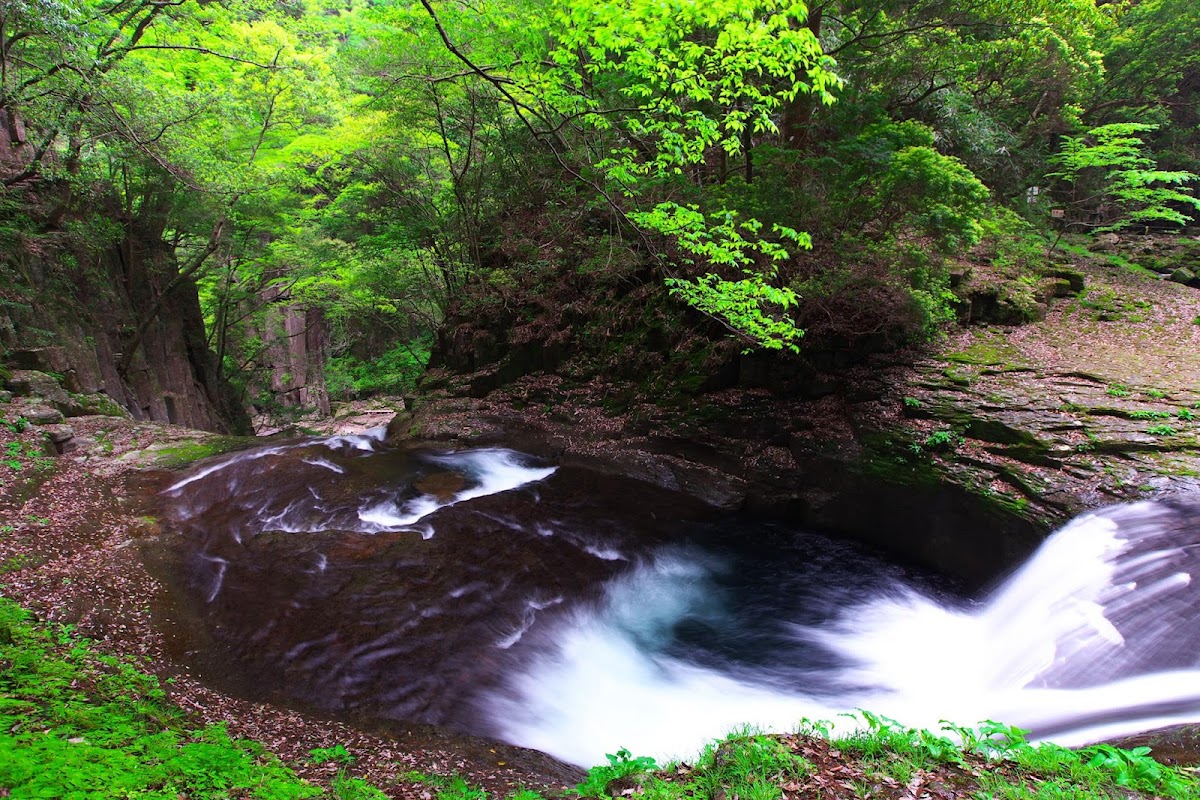
Akame Shijuhasshitaki (赤目四十八滝) is a renowned tourist destination located in Akame Town, Nabari City, Mie Prefecture, representing one of Japan’s most beautiful gorges. Positioned at the center of Muroo Akame Aoyama Quasi-National Park, this scenic area spans approximately 4 kilometers along the Takigawa Gorge, featuring numerous large and small waterfalls in succession.
The name “Shijuhasshitaki” (Forty-Eight Falls) does not refer to the actual number of waterfalls but rather represents “numerous waterfalls” in traditional Japanese expression. In reality, there are more than 20 major named waterfalls alone, each possessing its own unique beauty and character.
Historical Background of Akame Shijuhasshitaki
The history of Akame Shijuhasshitaki dates back to the Nara Period. It is said that En no Gyoja, the founder of Shugendo mountain Buddhism, used it as a place of ascetic practice, and it has long been revered as a sacred site for mountain worship. The mystical atmosphere continues to permeate the entire gorge today.
Regarding the origin of its name, there are various theories, but the most prominent is a legend in which En no Gyoja, during his ascetic practice, witnessed the appearance of an Acala Bodhisattva with red eyes. This legend became the origin of the place name “Akame” and has been passed down as the name of the gorge.
Recognition and Evaluation
The natural beauty and environmental value of Akame Shijuhasshitaki are substantiated by numerous official designations.
- 100 Famous Waterfalls of Japan: Selected as a representative waterfall of Japan
- 100 Forests for Forest Bathing in Japan: Recognized as a healing forest environment
- 100 Famous Waters of the Heisei Era: Evaluated for clear water quality
- 100 Selected Walking Paths: Acknowledged for the high quality of maintained walking trails
These designations demonstrate that Akame Shijuhasshitaki is not merely a tourist destination but a precious natural heritage of Japan.
Location and Access to Akame Shijuhasshitaki
Geographic Location
Akame Shijuhasshitaki is located in Akame Town, Nabari City, Mie Prefecture, near the border between the Iga region and Yamato (Nara Prefecture). The Takigawa is a tributary of the Uda River, and this gorge forms the central part of Muroo Akame Aoyama Quasi-National Park, spanning both Mie and Nara prefectures.
Address: Nagasaka 861-1, Akame Town, Nabari City, Mie Prefecture (Akame Shijuhasshitaki Gorge Preservation Society)
Access by Public Transportation
By Train
- Get off at “Akameguchi Station” on the Kintetsu Osaka Line
- Board a Mie Koutsu bus “bound for Akame Falls” from the station front (approximately 10 minutes)
- Get off at the terminal “Akame Falls” bus stop, then walk
The Kintetsu Osaka Line operates from Osaka Namba Station toward Nagoya, offering convenient access from major cities. From Osaka Namba to Akameguchi Station takes approximately 1 hour 20 minutes, and from Nagoya approximately 1 hour 50 minutes.
Bus Operation
Buses operate approximately once per hour, though schedules differ between weekdays and holidays. Particularly during busy seasons such as autumn foliage, temporary buses may operate, so it is recommended to check the Mie Koutsu official website for timetables in advance.
Access by Automobile
Routes from Major Expressways
- Via Meishin Expressway: Approximately 30 minutes from Hari Interchange via National Routes 165 and 369
- Via Nishi-Meishin Expressway: Approximately 45 minutes from Tenri Interchange via National Routes 25, 165, and 369
Parking Information
Multiple parking lots are available around Akame Shijuhasshitaki.
- Akame Shijuhasshitaki Gorge Preservation Society Parking Lot: Official parking lot closest to the entrance
- Private Parking Lots: Multiple private parking lots scattered in the surrounding area
- Parking Fee: Approximately 800 yen for regular vehicles (varies by lot)
- Capacity: Early arrival is recommended as parking lots become congested during busy periods
During autumn foliage season (mid-November through late November) and major holidays, parking lots often become full, so considering public transportation is advisable.
Main Waterfalls and Highlights of Akame Shijuhasshitaki
Multiple waterfalls are scattered along the walking trail at Akame Shijuhasshitaki, with five particularly famous falls known as the “Akame Goback” (five major falls).
The Five Major Falls of Akame
1. Fudo Falls (Fudodaki)
- Drop Height: Approximately 15 meters
- Location: Closest to the entrance (approximately 6 minutes on foot)
- Features: The representative waterfall of Akame Shijuhasshitaki, with a waterfall basin enshrining Acala Bodhisattva. With abundant water volume and a basin depth exceeding 10 meters, it is beautiful throughout all seasons, particularly spectacular during spring greenery and autumn foliage.
Fudo Falls can be visited even with limited time, making it popular with those with time constraints. An observation deck is set up in front of the waterfall, allowing visitors to experience the powerful water flow up close.
2. Senzu Falls (Senjudaki)
- Drop Height: Approximately 15 meters
- Location: Approximately 30 minutes from the entrance
- Features: Named after the appearance of multiple water streams flowing down the rock face resembling the arms of the Thousand-Armed Kannon. Its delicate and graceful appearance is characteristic.
3. Nunobiki Falls (Nunobikidaki)
- Drop Height: Approximately 30 meters
- Location: Approximately 40 minutes from the entrance
- Features: Characterized by an elegant flow resembling a single white cloth draping down. Among the five major falls, it has the greatest drop and is impressive.
4. Ninai Falls (Ninaidaki)
- Drop Height: Approximately 8 meters
- Location: Approximately 50 minutes from the entrance
- Features: A two-tiered waterfall that resembles carrying cargo on a carrying pole, hence the name. Its unique form is striking.
5. Biwa Falls (Biwadaki)
- Drop Height: Approximately 15 meters
- Location: Approximately 60 minutes from the entrance
- Features: Named after the basin shape resembling a biwa (Japanese lute). The natural sculptural beauty where water has carved the rock is magnificent.
Other Notable Waterfalls
Beyond the five major falls, numerous distinctive waterfalls exist.
- Inyo Falls: Two waterfalls flowing side by side, representing yin and yang
- Shimai Falls: Two waterfalls flowing together like sisters
- Hyakujo Rock: Not a waterfall but a magnificent single expanse of rock
- Amefuri Falls: Fine water spray falls like rain
Hiking Courses and Duration
The walking trail at Akame Shijuhasshitaki extends approximately 4 kilometers, with various course options possible depending on physical ability and time.
Beginner Course: To Fudo Falls (Round Trip Approximately 30 Minutes)
Distance: Approximately 500 meters one way
Time Required: Approximately 6 minutes one way, approximately 30 minutes round trip (including time spent at the waterfall)
Difficulty: ★☆☆☆☆
A short course to the closest waterfall from the entrance. Recommended for those with limited time, families with small children, and those with concerns about mobility. Nevertheless, you can fully experience the charm of Akame Shijuhasshitaki.
Intermediate Course: To Senzu Falls (Round Trip Approximately 90 Minutes)
Distance: Approximately 1.5 kilometers one way
Time Required: Approximately 30 minutes one way, approximately 90 minutes round trip
Difficulty: ★★☆☆☆
A course visiting Fudo Falls and Senzu Falls. With moderate exercise, you can enjoy the gorge atmosphere. The walking trail is well-maintained, though there is some undulation.
Advanced Course: To Biwa Falls Round Trip (Approximately 3 Hours)
Distance: Approximately 4 kilometers one way
Time Required: Approximately 100 minutes one way, approximately 3 to 3.5 hours round trip
Difficulty: ★★★☆☆
A fulfilling course visiting all five major falls. Progressing deep into the gorge, you can enjoy varied scenery. While moderate physical fitness is necessary, it is at a level that hiking beginners can attempt.
Hiking Precautions
Clothing and Equipment
- Shoes: Non-slip trekking shoes or sneakers recommended. Sandals and heels are dangerous
- Clothing: Comfortable, washable clothing. Layering appropriate for the season
- Belongings: Drinking water, towel, rain gear, insect repellent spray (summer)
Safety Considerations
- The walking trail is well-maintained, but becomes slippery after rain; exercise caution
- Entry restrictions may be implemented during times of increased water flow
- Avoid hiking alone; group hiking is preferable
- Note that cellular signals may be weak in some areas
Pacing
Some reviews mention that it is “tiring,” but this refers to cases when walking for more than 2 hours round trip. Set a course matching your physical ability and avoid overexertion. Turning back partway is also an option.
Business Hours, Entrance Fees, and Facility Information
Business Hours
- Regular Season (April–November): 8:30–17:00
- Winter (December–March): 9:00–16:30
- Illumination Periods: Extended hours during special events (separate confirmation required)
Hours may change depending on season and weather, so checking the official website before visiting is recommended.
Entrance Fees
- Adults (High School and above): 500 yen
- Elementary and Junior High School Students: 250 yen
- Preschool Children: Free
Entrance fees are used for gorge preservation and maintenance.
Akame Falls Aquarium
An “Akame Falls Aquarium” is located within the entrance facility and can be visited with the entrance fee.
Exhibits
- Special Natural Monument Giant Salamander: A rare organism inhabiting Akame Shijuhasshitaki
- Stream Fish: Exhibits of fish species inhabiting Takigawa
- Amphibians and Reptiles: Exhibits allowing visitors to learn about the regional ecosystem
The giant salamander is the world’s largest amphibian, and Akame Shijuhasshitaki is one of Japan’s premier habitats. The aquarium allows close observation and learning about its ecology.
Other Facilities
Rest Areas and Shops
- Multiple shops and rest areas near the entrance
- Sales of light meals, beverages, and souvenirs
- Regional cuisine such as “hekoki manjuu” (local delicacy)
Restrooms
- Complete facilities at the entrance
- Several simple restrooms along the walking trail
Lockers
- Coin lockers available at the entrance facility
- Allows depositing large luggage for hiking
Seasonal Enjoyment
Akame Shijuhasshitaki presents a different appearance throughout the four seasons, each with unique charm.
Spring (March–May)
Season of New Foliage
Spring in Akame Shijuhasshitaki sees young leaves budding throughout the gorge. Nature, freed from winter’s severity, brims with vitality.
- Peak Season: Late April to mid-May
- Features: Vibrant new foliage and clear water flow in contrast
- Temperature: Relatively pleasant, ideal for hiking
Spring abounds with wild vegetables, and some local restaurants offer seasonal mountain vegetable dishes.
Summer (June–August)
As a Summer Retreat
Summer at Akame Shijuhasshitaki serves as a natural air conditioner. The gorge interior is 5–10 degrees cooler than the surrounding area, attracting visitors seeking relief from heat.
- Peak Season: June–August
- Features: Abundant water volume, abundant negative ions in the cool air
- Precautions: Insect repellent recommended, frequent hydration necessary
During summer vacation, families are abundant, and nature observation programs for children are often organized.
Autumn (September–November)
Famous for Autumn Foliage
Autumn is when Akame Shijuhasshitaki shines most brilliantly. The entire gorge is dyed red and yellow, and the contrast between waterfalls and autumn leaves is breathtakingly beautiful.
- Peak Season: Early November to late November
- Features: Diverse foliage from maples, Japanese maples, and beeches
- Crowd Levels: The most congested period of the year
During autumn foliage season, events such as “Akame Shijuhasshitaki Gorge Autumn Foliage Illumination” are held, allowing visitors to enjoy the mystical nighttime gorge. Illuminated waterfalls and autumn foliage create an entirely different mystical atmosphere from daytime.
Winter (December–February)
Tranquility and Frozen Waterfalls
Winter at Akame Shijuhasshitaki attracts fewer visitors, offering an opportunity to experience quiet nature.
- Peak Season: January–February (frozen waterfalls)
- Features: In severe cold, waterfalls freeze, forming ice formations
- Precautions: Warm clothing essential, attention to icy surfaces
After a cold snap, ice formations develop around the waterfalls, creating a mystical landscape. However, accumulated snow or freezing may lead to trail closures, requiring advance confirmation.
Learning and Experiencing at Akame Shijuhasshitaki
Akame Shijuhasshitaki serves not merely as a tourist destination but also as a place for nature learning and experiential activities.
Ninja Training Experience
Akame Shijuhasshitaki is located near Iga, the birthplace of ninja, and is known as a “ninja training village.”
Contents of Ninja Training Experience
- Throwing Stars: Target practice for a ninja feel
- Water Spider Technique: Experience walking on water, a ninja art
- Wall Climbing: Climbing walls like a ninja
- Other: Workshops such as creating throwing stars
Target Audience: Children to adults
Duration: 30 minutes to 1 hour
Reservations: Advance booking recommended
Particularly popular with families, the program allows children to enjoy themselves while exercising.
Giant Salamander Observation Meeting
A program allowing visitors to learn about the giant salamander inhabiting Akame Shijuhasshitaki while listening to expert explanations.
- Held During: Primarily summer
- Content: Ecology explanation, observation, introduction to conservation activities
- Participation Method: Advance registration required (announced on the official website)
Moss Plant Observation Meeting
An event held with moss experts to observe approximately 200 species of moss plants inhabiting the gorge.
- Held During: Spring to autumn
- Content: Learning about moss species, ecology, and observation methods
- Target Audience: Beginners to experienced observers
Gorge Illumination Events
Illumination events of the gorge are held mainly during autumn foliage season.
- Held During: Mid-November to late November (autumn foliage illumination), other seasonal events
- Time: After sunset to approximately 20:00
- Features: Mystical nighttime gorge, collaboration of illuminated waterfalls and foliage
Nighttime hiking offers an entirely different experience from daytime, with light-illuminated waterfalls and trees creating a mystical world.
Tourist Spots Around Akame Shijuhasshitaki
Visiting nearby tourist spots when visiting Akame Shijuhasshitaki can make your trip more enriching.
Tourist Spots in Nabari City
Seirenaji Lake Tourism Village
- Distance: Approximately 20 minutes by car from Akame Shijuhasshitaki
- Features: Seasonal fruit picking such as grape and strawberry picking
- Recommended Times: Grapes (July–October), strawberries (December–May)
Akame Hot Spring
- Distance: Around Akame Shijuhasshitaki
- Features: Hot spring facilities to relieve hiking fatigue
- Spring Quality: Simple hot spring with purported skin-beautifying properties
Nabari Toudouji Residence Ruins
- Distance: Nabari city center
- Features: Edo period samurai residence, historic architecture
Iga Area
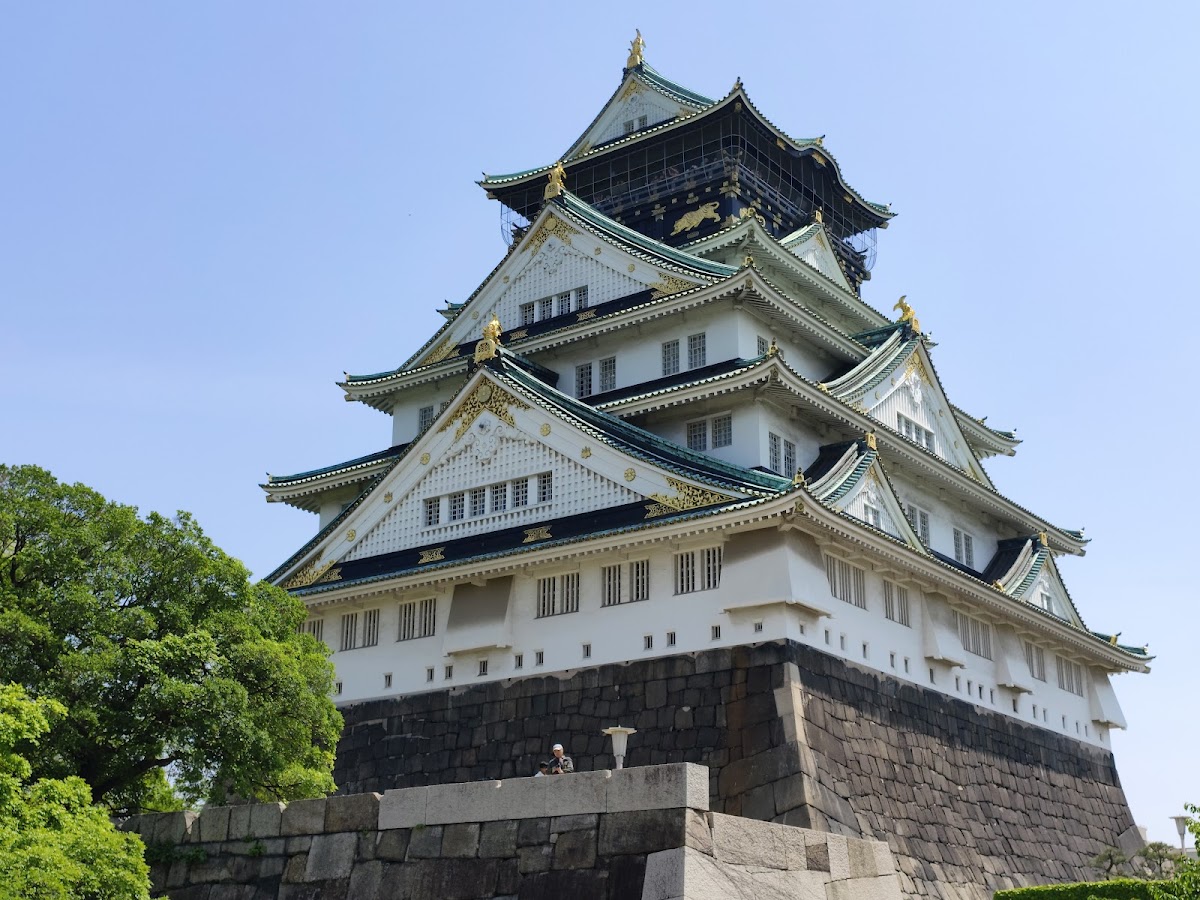
Iga Ueno Castle
- Distance: Approximately 40 minutes by car from Akame Shijuhasshitaki
- Features: Castle famous for its high stone walls, excellent views from the tower
Iga-ryu Ninja Museum
- Distance: Near Iga Ueno Castle
- Features: Experience-based museum teaching ninja history and techniques
- Experiences: Ninja show, throwing star experience
Nara Prefecture Side
Muroji Temple
- Distance: Approximately 30 minutes by car from Akame Shijuhasshitaki
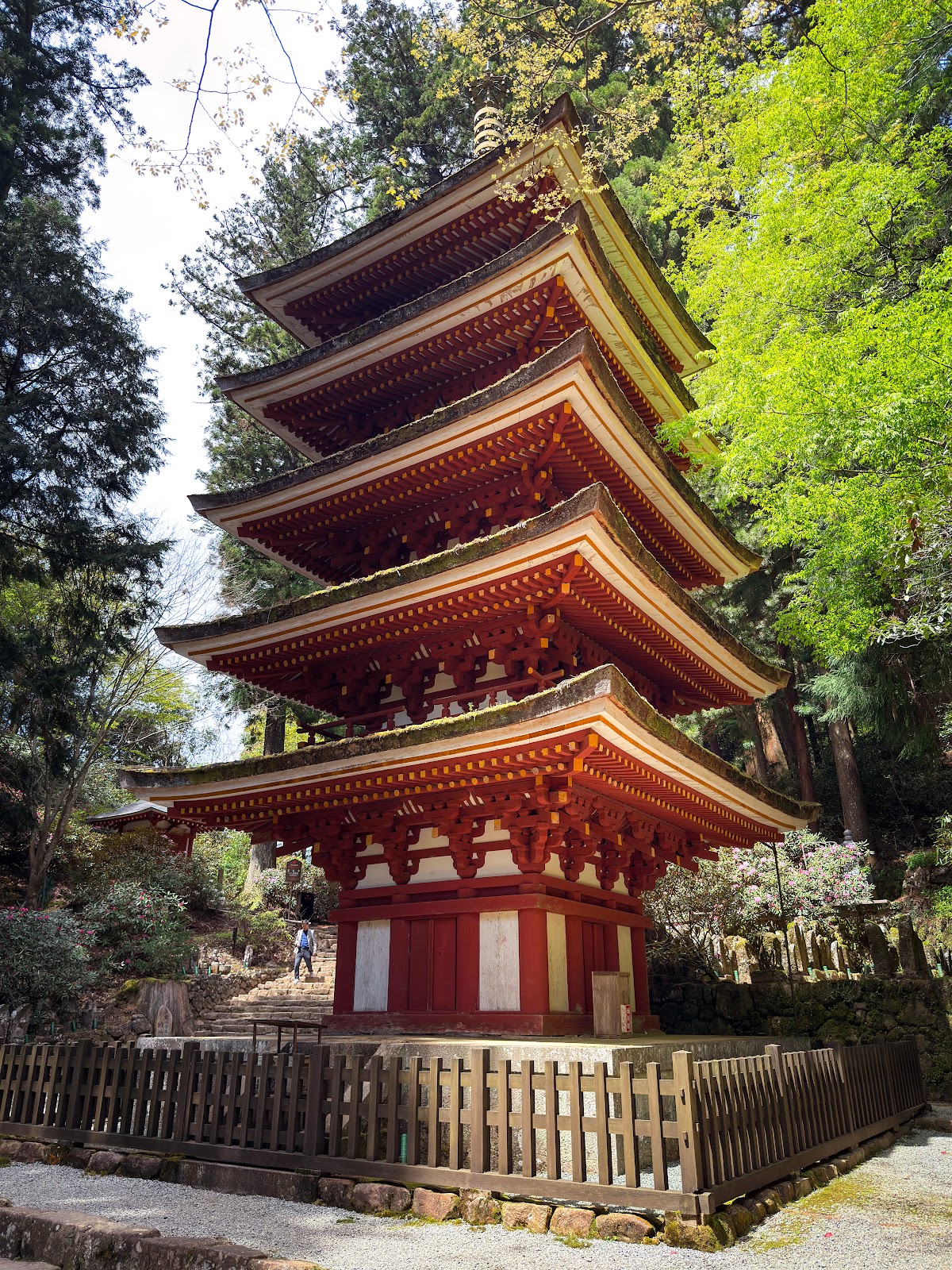
- Features: Ancient temple known as “women’s Kouyasan,” national treasure five-story pagoda
- Recommended Times: Spring (rhododendron), autumn (foliage)
Dining Information
Around Akame Shijuhasshitaki, you can enjoy dishes featuring regional ingredients.
Local Nabari Cuisine
Iga Beef
A Mie Prefecture signature brand beef. Available at restaurants around Akame Shijuhasshitaki, enjoyed in sukiyaki, steak, and yakiniku styles.
Hekoki Manjuu
A famous Nabari sweet. A simple-flavored bun made from sweet potato, named with the meaning that it is so delicious one would “hekoku” (fart) after eating it.
Mountain Vegetable Dishes
Spring offers cuisine using locally harvested wild vegetables. Enjoy seasonal flavors including bracken, ostrich fern, and fatsia shoots.
Recommended Restaurants
Multiple restaurants and tea houses are located around the Akame Shijuhasshitaki entrance, available for meals or rest before and after hiking.
- River Fish Cuisine: Dishes using fresh river fish raised in streams
- Soba and Udon: Hand-pulled soba made with locally-produced flour
- Cafes: Enjoy coffee and light meals while overlooking the gorge
Nature and Ecosystem of Akame Shijuhasshitaki
Akame Shijuhasshitaki is a precious area maintaining a rich natural environment and diverse ecosystem.
Vegetation
Gorge Forest
- Broadleaf Forest: Primarily beeches, Mongolian oaks, and maples
- Conifers: Sugi (Japanese cedar) and hinoki (Japanese cypress) also present
- Features: Located at the transition zone between cold and warm temperate regions, featuring diverse vegetation
Moss Plants
Approximately 200 moss plant species have been confirmed within the gorge, making it an ideal habitat for moisture-loving mosses. Green moss covering rocks and tree trunks heightens the gorge’s mystical atmosphere.
Animal Life
Giant Salamander
Designated as a special natural monument, this is the world’s largest amphibian. Akame Shijuhasshitaki is a premier domestic habitat, made possible by the preservation of clean water quality—a precious organism that can only inhabit such environments.
Other Organisms
- Birds: Stream-dwelling birds including white-throated dippers, crested kingfishers, and Asian paradise flycatchers
- Insects: Genji fireflies and dwarf fireflies (observable in early summer)
- Mammals: Japanese serows, sika deer, wild boars, and others
Water Quality and Environmental Conservation
The water of Akame Shijuhasshitaki, selected for the “100 Famous Waters of the Heisei Era,” has very high purity and serves as a precious water source for the region.
Conservation Activities
The following environmental conservation activities are conducted under the leadership of the Akame Shijuhasshitaki Gorge Preservation Society.
- Walking trail maintenance and management
- Litter carry-back campaigns
- Invasive species removal
- Vegetation protection
- Water quality monitoring
Visitors can also contribute to nature conservation by observing proper manners: carrying back litter, not harvesting plants, and walking only on designated trails.
Pre-Visit Packing Checklist
Items to pack for comfortably enjoying Akame Shijuhasshitaki:
Essential Items
- Comfortable Walking Shoes: Trekking shoes or sneakers
- Drinking Water: 500ml or more recommended (1L or more in summer)
- Towel: For wiping sweat; multiple towels are convenient
- Rain Gear: Folding umbrella or rain wear
- Cash: For entrance fees, parking, and shop purchases
Convenient Items
- Hat: Sun and cold protection
- Sunscreen: Essential in summer
- Insect Repellent Spray: Necessary spring to autumn for mosquito and horsefly protection
- Camera: To record beautiful scenery
- Binoculars: For bird watching
- Light Snacks: For energy replenishment
- Plastic Bags: For carrying back litter
- First Aid Kit: Band-aids, disinfectant, etc.
Seasonal Additional Items
Summer
- Change of clothes (due to perspiration)
- Cooling towel
- Salt supplement tablets
Winter
- Warm clothing (fleece, down, etc.)
- Gloves and scarf
- Warmers
- Shoes with non-slip soles or light crampons
Summary: The Charm of Akame Shijuhasshitaki
Akame Shijuhasshitaki is a natural treasure boasted by Nabari City, Mie Prefecture. The landscape woven by successive waterfalls spanning approximately 4 kilometers of gorge, abundant forests, and clear water flow continues to fascinate visitors year-round.
This location, designated as the 100 Famous Waterfalls of Japan, 100 Forests for Forest Bathing in Japan, and 100 Famous Waters of the Heisei Era, is not merely a tourist destination but a precious natural heritage of Japan. A diverse ecosystem is maintained here, including the giant salamander as a special natural monument, making it a place where the importance of nature conservation can be realized.
The appeal of Akame Shijuhasshitaki includes the ability to enjoy hiking suited to visitors’ physical ability and available time, from short courses for beginners to full-scale hiking courses. Whether you visit as a family, couple, solo traveler, or any other style, there is a depth of satisfaction to be found.
Enriched programming including ninja training experiences and giant salamander observation meetings, as well as events such as autumn foliage illumination, ensure that each visit brings new discoveries.
Access is also relatively convenient, allowing day trips from major cities such as Osaka and Nagoya. With hot springs and other tourist spots scattered in the surrounding area, it is ideal for one or two-day travel plans.
Time spent away from urban hustle, breathing in abundant negative ions surrounded by pristine nature, is perfect for mental and physical refreshment. Why not spend luxurious time at Akame Shijuhasshitaki, engaging with Japan’s beautiful natural environment?