Complete Guide to Bandai-Azuma Skyline|Fukushima Prefecture’s Sky-High Scenic Drive Route
The “Bandai-Azuma Skyline,” a mountain sightseeing road representative of Fukushima Prefecture, is a spectacular approximately 29km route running at the high altitude of 1,350 meters. Selected as one of “Japan’s 100 Best Roads,” this road, located within Bandai-Asahi National Park, continues to captivate many tourists with its seasonal natural beauty and magnificent panoramic views.
This article provides comprehensive information you should know before visiting, from basic information about the Bandai-Azuma Skyline to the eight scenic spots called “Azuma Hakkei” (Eight Sights of Azuma), traffic periods, and surrounding tourist attractions.
About the Bandai-Azuma Skyline
The Bandai-Azuma Skyline is a mountain sightseeing road connecting Takayu Hot Spring west of Fukushima City to Tsuchiyu Pass. Opened in 1959 as Japan’s first mountain road, this route winds through the mountain ridges of the Azuma Range, running at a high altitude with an average elevation of 1,350 meters.
Basic Information
- Total length: Approximately 29km
- Maximum elevation: 1,622m (near Jodo Plateau)
- Average elevation: 1,350m
- Toll: Free (made toll-free from 2013)
- Location: Fukushima City, Fukushima Prefecture
- Road name: Fukushima Prefectural Route 70 (Fukushima Azuma Ura-Bandai Line)
History and Characteristics
The Bandai-Azuma Skyline, opened in 1959, was constructed as Japan’s first mountain sightseeing road. Initially operated as a toll road, it was made free of charge on July 16, 2013, allowing more tourists to visit easily.
Scenic spots, including the “Azuma Hakkei” (Eight Sights of Azuma) named by author Inoue Yasushi, are scattered throughout, and it is registered as one of “Japan’s 100 Best Roads” and “Japan Scenic Byways.” The sense of freedom as if driving through the sky, combined with the unique landscape created by volcanic terrain, has earned it the epithet “Japan’s Arizona.”
Traffic Periods and Winter Closure
The Bandai-Azuma Skyline is closed to traffic during winter due to heavy snow. It is important to confirm the traffic period in advance before visiting.
Traffic-Open Period
- Opening time: Generally early to mid-April (around April 21 most often)
- Closing time: Generally mid to late November
- Traffic hours: 24-hour access (during open period)
How to Check Traffic Closure Information
The road may be closed without notice due to weather conditions or road conditions. Be sure to check the latest information before your visit.
Contact Information:
- Fukushima Prefectural Northern Construction Office: 024-521-2491
- Fukushima City Tourism and Convention Association: 024-531-6428
- Real-time traffic information can also be found on the Fukushima Prefectural Road Management Division website
Even during the winter closure period, access to Jodo Plateau is possible via snow-cleared hiking trails on foot (winter mountaineering equipment required).
Azuma Hakkei (Eight Sights of Azuma)|Scenic Spots on the Bandai-Azuma Skyline
The “Azuma Hakkei” (Eight Sights of Azuma), named by author Inoue Yasushi, consists of eight spectacular viewpoints scattered along the Bandai-Azuma Skyline. Each has parking areas and observation platforms, allowing safe enjoyment of the scenery.
(1) Shirakaba no Mine (White Birch Peak)
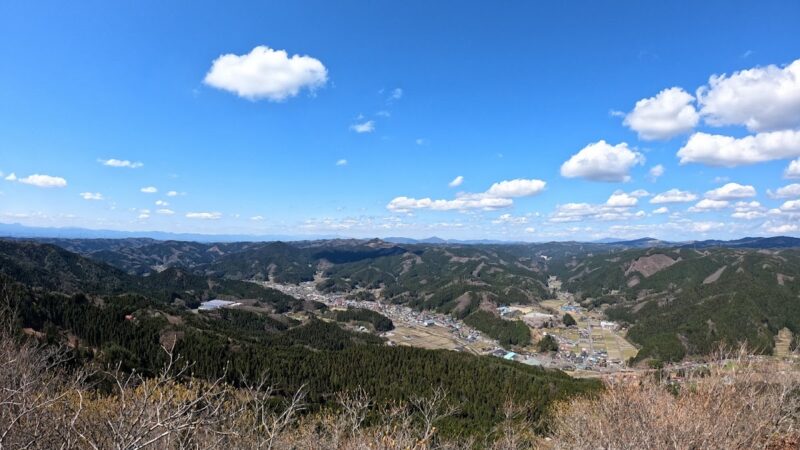
A viewing spot that appears first from the entrance on the Takayu Hot Spring side. As its name suggests, this peak is surrounded by white birch forest and offers a panoramic view of the Fukushima Basin. The view of Fukushima City from approximately 1,400 meters elevation is spectacular.
Highlights:
- White birch forest and alpine plants
- Panoramic view of Fukushima Basin
- Spring verdure and autumn foliage are particularly beautiful
(2) Tsubakuro Valley
A scenic area characterized by deep valleys, named after the many swallows that flock here. The steep V-shaped valley terrain and mist rising from the valley bottom create a mystical atmosphere.
Highlights:
- Impressive landscape of the deep V-shaped valley
- Contrast of early summer verdure and autumn foliage
- Early morning sea of clouds may be visible
(3) Tengu no Niwa (Tengu’s Garden)
An area with desolate terrain formed by volcanic activity. The unique landscape of rocks and low shrubs scattered about is likened to a garden where tengu (mountain goblins) play.
Highlights:
- Other-worldly scenery created by volcanic terrain
- Alpine plant communities
- Views of Mt. Azuma-komagatake
(4) Jodo Plateau (Jodo Daira)
A high plateau at 1,600 meters elevation that can be considered the highlight of the Bandai-Azuma Skyline. With visitor centers, rest houses, and parking areas well-equipped, it is also known as a trailhead for climbing Mt. Azuma-komagatake and Mt. Ichigyou.
Highlights:
- Climb to Mt. Azuma-komagatake (1,707m) (approximately 20 minutes)
- Crater lake “Majo no Hitomi” (Witch’s Eye) of Mt. Ichigyou
- Alpine plants of Jodo Plateau Wetland
- Jodo Plateau Astronomical Observatory (night sky observation)
- Nature learning at Jodo Plateau Visitor Center
Jodo Plateau is the center of Bandai-Azuma Skyline tourism and the spot where you should spend the most time. Climbing to the summit of Mt. Azuma-komagatake opens up a 360-degree panorama.
(5) Soryu no Tsuji (Twin Dragon Junction)
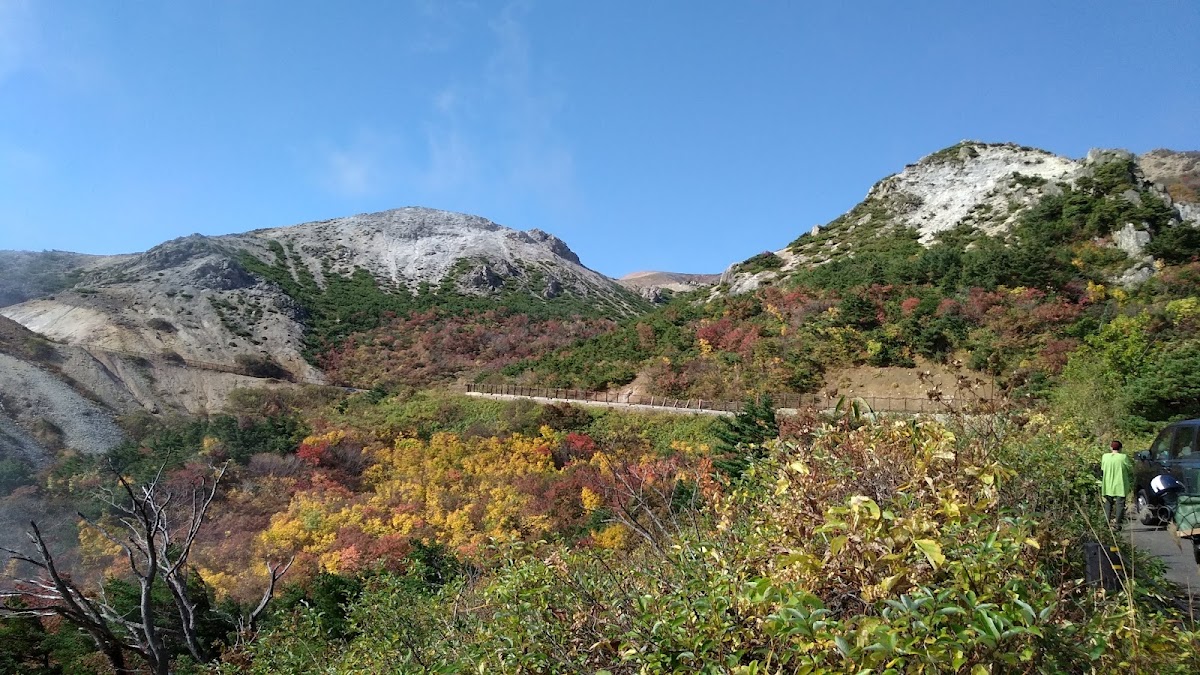
A viewing area named after two ridges that intertwine like dragons. Offers a panoramic view of the majestic mountains of the Azuma Range, and especially in autumn foliage season, the mountainsides turn red and yellow for a spectacular view.
Highlights:
- Panorama of interconnected Azuma Range mountains
- Autumn foliage is exceptionally beautiful
- Contrast of remaining snow and new foliage just after winter opening
(6) Umikentoge (Lake-View Pass)
Located at approximately 1,600 meters elevation, this pass offers views of Lake Hibara and Lake Akimoto in the Ura-Bandai area. On clear days, the majestic form of Mt. Bandai can also be seen.
Highlights:
- Views of Lake Hibara and Lake Akimoto
- Form of Mt. Bandai
- Full view of Ura-Bandai Plateau
(7) Tenpuukyo (Sky-Wind Border)
Known as a place where strong winds blow through, offering the sensation of standing at the boundary between sky and wind as its name suggests. An excellent viewpoint where the beauty of the Azuma Range’s ridgeline stands out.
Highlights:
- Beauty of the ridgeline
- Experience the flow of clouds and movement of wind
- Observe changes in high-mountain weather up close
(8) Kunimitai (National View Platform)
An observation platform located near the exit on the Tsuchiyu Pass side. Named after the ability to view a vast landscape “as if surveying the nation,” from the Fukushima Basin to the Adataradake Range.
Highlights:
- Grand panorama of Fukushima Basin
- Views of the Adataradake Range
- Particularly beautiful scenery at dusk
Four-Season Appeal
The Bandai-Azuma Skyline displays different faces with each season.
Spring (April-May)
Shortly after the opening in mid-April, a “corridor of snow” with walls of snow several meters high can be seen along the roadside. The contrast between remaining snow and new green foliage creates a beautiful landscape that signals the arrival of spring.
- Snow corridor (mid-April to early May)
- Alpine plants budding
- Fresh air and clear blue sky
Summer (June-August)
Alpine plants bloom profusely, and you can enjoy the cool climate of the high plateau. Even when the lowlands are hot, the Bandai-Azuma Skyline at 1,350 meters elevation offers comfortable temperatures.
- Alpine plant blooms (June-July)
- Flowers of Jodo Plateau Wetland
- Comfort as a summer retreat
- Stargazing (Jodo Plateau Astronomical Observatory)
Autumn (September-November)
The busiest season for the Bandai-Azuma Skyline. From late September to mid-October, spectacular autumn foliage views spread across the mountainsides in reds and yellows.
- Foliage peak: Late September to mid-October
- Autumn colors of nanakamado, dake-kanba, yamaurushi, and more
- Enjoy the gradation of foliage due to elevation differences
- Ideal for drives and motorcycle tours
During foliage season, it becomes crowded; early morning or weekday visits are recommended.
Winter (December-March)
The closure period; however, experienced winter mountaineers can access Jodo Plateau (complete winter mountaineering equipment required).
Access Methods
By Car
From Fukushima City (Takayu Hot Spring Side Entrance):
- Approximately 30 minutes from “Fukushima-nishi IC” on the Tohoku Expressway
- Approximately 40 minutes from Fukushima Station
- Via National Route 115 toward Takayu Hot Spring
From Ura-Bandai (Tsuchiyu Pass Side Entrance):
- Approximately 40 minutes from “Inawashiro Bandai-Kogen IC” on the Bandai-Inawashiro Expressway
- Via National Route 459 and Prefectural Route 70
By Public Transportation
From Fukushima Station:
- Approximately 40 minutes on Fukushima Kotsu bus heading to Takayu Hot Spring, get off at terminal
- From Takayu Hot Spring, taxi or sightseeing bus (seasonal)
Sightseeing Bus:
- Seasonal sightseeing buses may operate during foliage season, etc.
- Inquire with Fukushima City Tourism and Convention Association
Parking Information
- Jodo Plateau Parking: Approximately 400 spaces (free)
- Each observation platform: Small parking spaces available
- Parking fills early in the morning during foliage season
Surrounding Tourist Attractions
Here are surrounding attractions worth visiting before or after the Bandai-Azuma Skyline.
Takayu Hot Spring
A historic hot spring located at the skyline entrance. Known for its white sulfurous spring and called the “beauty hot spring.” Day-use bath facilities are abundant.
Tsuchiyu Hot Spring
A hot spring town near the Tsuchiyu Pass entrance. Known for diverse spring qualities and kokeshi doll production.
Bandai-Azuma Lake Line
A sightseeing road comparable to the Bandai-Azuma Skyline. Offers beautiful autumn foliage of the Nakatsugawa Gorge and scenery of Lake Akimoto. A scenic loop combining both skylines is recommended.
Bandai-Azuma Gold Line
A sightseeing road crossing Mt. Bandai. Connecting Ura-Bandai and Bandai Town, it offers close-up views of the majestic Mt. Bandai.
Lake Hibara
A lake representative of Ura-Bandai. Offers various activities including sightseeing cruises, canoeing, and fishing. Events like the 40th Lake Hibara One-Lap Family Cycling Tournament are held.
Goshikinuma (Five-Color Marshes)
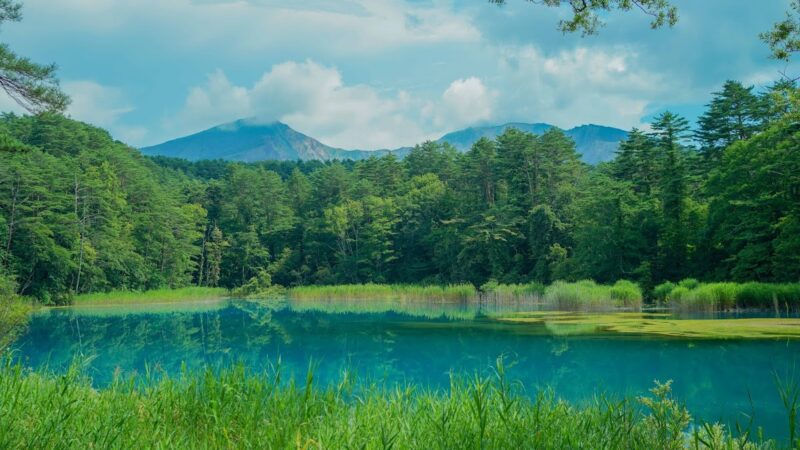
A nature trail with mystical blue-green marshes scattered throughout. A one-hour exploration course allows you to enjoy the natural beauty of Ura-Bandai.
Driving and Touring Tips
Time Required
- Passing through only: Approximately 40 minutes to 1 hour
- Stopping at observation platforms: 2-3 hours
- Leisurely sightseeing at Jodo Plateau: 3-4 hours or more
Clothing and Belongings
- Clothing: An outer layer is essential as temperatures are 5-10 degrees cooler than lowlands
- Shoes: Sneakers or other comfortable walking shoes for visiting observation platforms
- Belongings: Drinking water, sunscreen, hat, camera
- For hiking at Jodo Plateau: Trekking shoes, cold-weather clothing, rain gear
Safety Driving Precautions
- Sharp curves: Many sharp curves due to mountain road terrain
- Fog: Dense fog may occur depending on weather conditions
- Wildlife: Wild animals such as serows may appear on the road
- Temperature changes: Be aware of rapid temperature changes due to elevation
- Gasoline: No gas stations on the skyline
Best Times to Visit
- Early morning: High possibility of seeing sea of clouds and sunrise
- Morning: Relatively uncrowded with good light conditions
- Evening: Beautiful sunset views, but descend before dark
Event Information
Various events are held throughout the year in the Bandai-Azuma area.
Major Events
- Sakura Pass Bloom Information (Spring): Local cherry blossom information
- 40th Lake Hibara One-Lap Family Cycling Tournament (Summer)
- Ura-Bandai Snow Festival Night Fantasy (Winter): Seasonal fantastical illumination events
Latest event information can be found on the websites of Fukushima City Tourism and Convention Association and Ura-Bandai Tourism Association.
Accommodations and Dining
Recommended Lodging Areas
- Takayu Hot Spring: Famous sulfurous hot spring, many long-established inns
- Tsuchiyu Hot Spring: Diverse spring qualities, kokeshi workshop tours available
- Ura-Bandai: Resort hotels, pensions, private inns, and more diverse options
- Fukushima City: Convenient access, business hotels abundant
Dining and Souvenirs
- Hot spring buns: Specialty of Takayu Hot Spring and Tsuchiyu Hot Spring
- Kokeshi dolls: Traditional crafts of Tsuchiyu Hot Spring
- Fukushima sake: Many breweries throughout the prefecture
- Peaches and fruit: Fukushima Prefecture is a producer of renowned fruits
- Kitakata ramen: Experience authentic flavor with a slight detour
Frequently Asked Questions
Q1: How much is the toll for the Bandai-Azuma Skyline?
A1: It has been toll-free since July 16, 2013. Although previously a toll road, it is now free to use.
Q2: Can you drive it in winter?
A2: Due to snow, it is typically closed from mid-November through mid-April of the following year. Opening dates vary depending on snow removal conditions; check the latest information with the Fukushima Prefectural Northern Construction Office (024-521-2491).
Q3: Is motorcycle touring possible?
A3: Yes, it is. In fact, it is a popular motorcycle touring destination visited by many riders. However, exercise safe driving as there are many sharp curves.
Q4: Can you eat at Jodo Plateau?
A4: The Jodo Plateau Rest House has a dining area serving light meals and set dishes (open late April to early November). Be sure to check operating hours and holidays in advance.
Q5: When is the best time to see autumn foliage?
A5: Generally late September to mid-October is peak foliage season. As the elevation is high, foliage begins earlier than in lowland areas. Check the latest foliage information on the Fukushima City Tourism and Convention Association website.
Q6: Can you enjoy it with children?
A6: Travel is primarily by car with parking areas at each observation platform, making it enjoyable for families with young children. However, cold-weather clothing is essential due to high elevation and low temperatures.
Q7: Can I visit with pets?
A7: Pets are welcome during drives and at observation platforms. However, restrictions may apply inside some facilities like the Jodo Plateau Visitor Center. Keep leashes on and follow proper etiquette.
Q8: What are the best times for photography?
A8: Early morning (around sunrise) is excellent for photographing sea of clouds and sunrise, while evening offers beautiful sunset views. The morning hours with good backlighting are recommended for daytime photography.
Conclusion
The Bandai-Azuma Skyline is one of Japan’s finest mountain sightseeing roads and a source of pride for Fukushima Prefecture. The approximately 29km route running at 1,350 meters elevation is a succession of spectacular views worthy of selection as one of “Japan’s 100 Best Roads.”
The eight viewing points called “Azuma Hakkei,” particularly the volcanic terrain and alpine plants around Jodo Plateau, create a unique landscape found nowhere else. There are charms for each season: spring’s snow corridor, summer’s alpine plants, autumn’s foliage, and winter’s harsh yet beautiful alpine scenery.
Since being made toll-free in 2013, more tourists have visited, and we hope you will enjoy this magnificent scenery while being mindful of environmental conservation and safe driving.
The traffic period is generally mid-April through mid-November, so be sure to check the latest traffic information before visiting. Stays at nearby Takayu Hot Spring or Tsuchiyu Hot Spring, as well as scenic loop routes combining the Bandai-Azuma Lake Line and Bandai-Azuma Gold Line, are also recommended.
Enjoy an unforgettable scenic drive on the Bandai-Azuma Skyline, where you can experience Fukushima Prefecture’s magnificent nature.