Gassan, Yamagata Prefecture Complete Guide | Mountaineering Routes, Access, and Attractions Explained in Detail
Gassan (Mount Gassan), which rises near the center of Yamagata Prefecture, is the main peak of the Dewa Sanzan with an elevation of 1,984 meters and is counted among Japan’s 100 Famous Mountains—a sacred peak revered since ancient times as the object of mountain worship. Today, it remains a representative landmark of Yamagata Prefecture, drawing many climbers and pilgrims.
This article comprehensively explains the appeal of Gassan, mountaineering routes, access methods, opening periods, alpine plants, and surrounding tourist attractions—all the information you need when visiting Mount Gassan.
Gassan Explained – Overview of Yamagata Prefecture’s Sacred Peak
Geographic Characteristics and Elevation
Gassan is a volcano located in the central Yamagata Prefecture, in the southern part of the Dewa Hills. At its 1,984-meter summit stands the main shrine of Gassan Shrine, and the entire mountain area is designated as a special zone within Banpan-Asahi National Park.
It is known worldwide as a rare half-circular aspite-type (shield) volcano, and because of its gentle mountain form, it is also called “Gagyuzan” (Reclining Cow Mountain). It is currently an inactive volcano with no eruption activity, but the unique landforms created by past volcanic activity nurture a rich natural environment.
Positioning as the Main Peak of the Dewa Sanzan
Gassan comprises the Dewa Sanzan together with Haguro Mountain (elevation 414m) and Yudono Mountain (elevation 1,500m), and is revered as the highest and main peak among them. In the faith system of Dewa Sanzan Shrine, Gassan symbolizes the “world after death” and is positioned as a sacred mountain governing resurrection after death.
At the summit is “Omuro,” where the main shrine of Gassan Shrine stands, enshrining Tsukuyomi no Mikoto. It is a shrine of distinction recorded in the Engishiki (Procedures of the Engi Era), compiled about a thousand years ago, and has received the deep faith of both the imperial court and common people since ancient times.
Value as One of Japan’s 100 Famous Mountains and Flower Mountains
Gassan is selected for all of the following: Japan’s 100 Famous Mountains, New Japan’s 100 Famous Mountains, Flower Mountains of Japan, and New Flower Mountains of Japan, making it a special destination for mountaineering enthusiasts. Located in a heavy snowfall region, snow fields remain even in summer, and it is nationally renowned as a famous spot for summer skiing.
Primeval beech forests spread across the mountain, and the area is botanically invaluable as a treasure trove of alpine plants. Particularly around the Amidahara Wetland, hundreds of species of alpine plants bloom seasonally, including Nikko Kisuge, Chinguruma, and Hakusan Ichige.
History and Mountain Worship of Gassan
Faith History Dating Back to Ancient Times
Worship of Gassan dates back to ancient times and developed as a sacred site for Shugendo (mountain ascetic practice). By the Heian period, it had already become a place where ascetic monks engaged in mountain training and was the central focus of pilgrimages to the Dewa Sanzan.
In the Edo period, the famous haiku poet Matsuo Bashō visited Gassan during his travels documented in “The Narrow Road to the Deep North,” leaving the famous verse: “Clouds upon the peaks—how many have crumbled away to make this moon mountain.” This verse is still widely known today as a masterful expression of Gassan’s magnificent landscape and spirituality.
Gassan Shrine Main Shrine and Tsukuyomi no Mikoto
The main shrine of Gassan Shrine enshrines Tsukuyomi no Mikoto as its principal deity. Tsukuyomi no Mikoto is the younger brother of Amaterasu Ōmikami and has been revered as the deity governing the night and agriculture.
The mountain summit shrine opens only from July 1st to around September 15th each year, and is sealed off by deep snow during other periods. During this opening season, pilgrims from across the country visit to complete their worship at the summit.
Shugendo and Dewa Sanzan Worship
In Dewa Sanzan worship, Haguro Mountain symbolizes the “present world,” Gassan represents the “past (the world after death),” and Yudono Mountain represents the “future (rebirth).” The underlying philosophy is one of a “journey of rebirth,” where pilgrims experience symbolic death and rebirth by visiting the three mountains and gain new vitality.
Today, pilgrims dressed in white garments can still be seen making the pilgrimage around the three mountains, making this a precious place that preserves Japan’s mountain worship culture to the present day.
Best Climbing Season for Gassan and Opening Period
Opening Period and Climbing Season
The climbing season for Gassan typically runs from early July through late September. The opening period of Gassan Shrine Main Shrine is from July 1st to around September 15th, which is when the mountain is busiest with climbers.
The Gassan Park Line (Gassan Park Line Prefectural Road) typically opens from late June through late October. However, opening dates may vary depending on snow conditions, so it is important to confirm the latest information in advance.
Seasonal Appeal
Summer (July–August)
July and August are peak seasons for alpine plants. Around Amidahara Wetland and near the summit, wildflowers such as Nikko Kisuge, Hakusan Ichige, and Chinguruma bloom in various colors. Snow fields also remain, making it possible to enjoy summer skiing.
Temperatures near the summit are cool at around 10-15 degrees Celsius, making it ideal for summer climbing. However, thunderstorms tend to occur in the afternoon, so early morning departures are recommended.
Early Autumn (September)
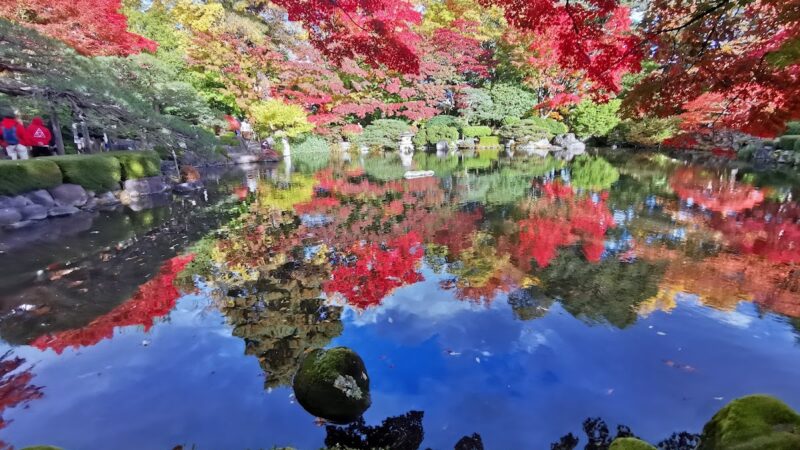
Autumn colors begin to appear in September, with beech forests and wetlands turning fall hues. Morning and evening temperatures become harsh, requiring cold-weather preparations. Early snowfall may occur near the summit from mid-September onward.
Remaining Snow Season (June)
June is the season for climbing in remaining snow conditions. Enthusiasts arrive carrying skis or snowboards to enjoy spring skiing by descending snow fields. However, there is risk of avalanches, so extensive experience and proper equipment are essential.
Weather Conditions and Precautions
Located in a heavy snowfall region, Gassan receives annual snowfall exceeding 10 meters in some years. Even in summer, temperatures remain low near the summit, and strong winds are frequent, so cold-weather clothing and rain gear are essential items.
Weather can change suddenly, and even clear skies can suddenly be engulfed in fog. To prepare for poor visibility, carry maps, compasses, GPS, and other equipment, and develop route-finding skills.
Detailed Gassan Mountaineering Route Guide
Ubasawa Route from Eighth Station (Most Popular)
Course Overview
The most common and popular route is from Gassan Eighth Station (Ubasawa). With an elevation gain of approximately 500 meters and about 3 hours to the summit, this course is suitable for climbers of all levels, from beginners to advanced.
Detailed Route
- Gassan Eighth Station Parking Lot (elevation approximately 1,400m): The trailhead has a large parking lot and a rest house. Restrooms and shops are also available.
- Amidahara Wetland (elevation approximately 1,400m): Walk on well-maintained wooden paths through a beautiful wetland. From July through August, alpine plants including Nikko Kisuge bloom magnificently. Approximately 30 minutes.
- Odahara Sanzanso (elevation approximately 1,500m): A rest shelter and mountain lodge. The serious climb begins from here.
- Ninth Station Busshōike Lodge (elevation approximately 1,700m): There is a section crossing snow fields. Particularly in July, significant snow remains, and crampons are reassuring. Approximately 1 hour 30 minutes.
- Gassan Summit and Gassan Shrine Main Shrine (elevation 1,984m): A 360-degree panorama unfolds. An offering of 500 yen is required for shrine prayers. Approximately 1 hour.
Time Requirements
- Ascent: Approximately 3 hours
- Descent: Approximately 2 hours 30 minutes
- Total: Approximately 5 hours 30 minutes (excluding rest time)
Haguro Route from Haguro Mountain
A traditional Shugendo route connecting Mount Haguro, one of the Dewa Sanzan, with Mount Gassan. With an elevation gain of approximately 1,500 meters and a one-way time of 6–7 hours, this is a course for experienced climbers.
Course Characteristics
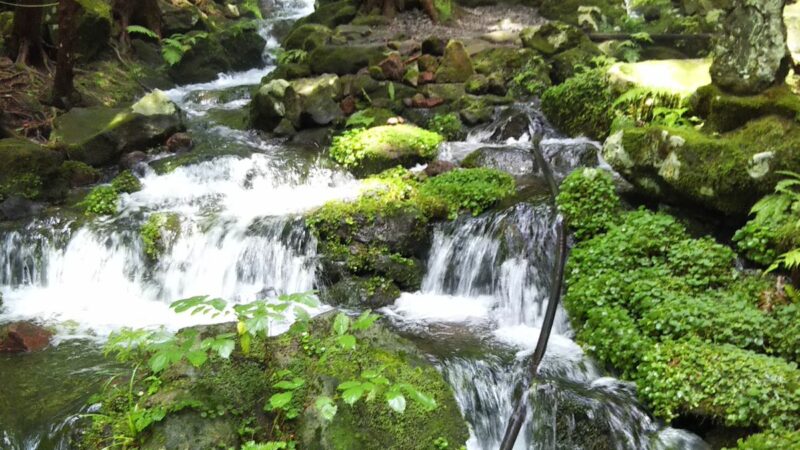
Departing from the Zuishinmon Gate of Haguro Mountain, the route passes through a primeval beech forest to reach Gassan. Along the way, you walk past clean streams and waterfalls in a nature-rich environment. Lodging is available at facilities such as Odahara Sanzanso and Gassan Summit Lodge.
The experience of walking a historic pilgrimage route is possible, but the long distance and physical demands require sufficient training and preparation.
Hiji-ori Hot Spring Route
A route from Hiji-ori Hot Spring in Ōguni Village, Yamagata Prefecture, toward Gassan. With an elevation gain of approximately 1,400 meters and a one-way time of 5–6 hours, this is an intermediate course.
While access to the trailhead is somewhat inconvenient, the route is known for quiet mountain walks. An advantage is the opportunity to soak away fatigue at Hiji-ori Hot Spring after completing the climb.
Route from Shizu Hot Spring
A route from Shizu Hot Spring in Nishikawa Town toward Gassan also exists. This is also an intermediate course where you can enjoy the beautiful landscape of beech forests while climbing.
Access Methods and Parking Information
Access by Car
Access to Gassan Eighth Station (Ubasawa)
- From Gassan IC on Yamagata Expressway: Approximately 40 minutes (approximately 30km)
- From Nishikawa IC on Yamagata Expressway: Approximately 50 minutes (approximately 35km)
- From Tsuruoka City Center: Approximately 1 hour 30 minutes via Prefectural Road Tsuruoka-Haguro Line
The Gassan Park Line (Prefectural Road 211) typically opens from late June through late October. The road is completely closed during winter.
Parking Information
Gassan Eighth Station has a large parking lot with a capacity of approximately 400 vehicles. On summer weekends and holidays, it often reaches capacity early in the morning, so arrival by 6:00 AM is recommended. Parking is free.
Access by Public Transportation
Bus
- From JR Yamagata Station: Approximately 2 hours on Yamagata Kōtsū Bus “Tsugasakuguchi bound,” then transfer to taxi or seasonal shuttle bus at “Tsugasakuguchi” to Gassan Eighth Station
- From JR Tsuruoka Station: Shōnai Kōtsū Bus via Haguro Mountain toward Gassan (confirm schedule in advance due to limited service)
During the summer climbing season (July–September), direct shuttle buses may operate from Nishikawa Town and Tsuruoka City to Gassan Eighth Station. Confirm operation schedules and timetables in advance with each municipality’s tourism association.
Taxi
- From Tsuruoka Station to Gassan Eighth Station: Approximately 1 hour 30 minutes, fare approximately 15,000–20,000 yen
- From Yamagata Station to Gassan Eighth Station: Approximately 1 hour 30 minutes, fare approximately 15,000–20,000 yen
Guided Climbing Tours
Every summer (July–September), tourism associations in Tsuruoka City and Shōnai Town offer “Sacred Peak Gassan Climbing and Pilgrimage Tours.” These packages include bus transportation, guided climbing, and hot spring bathing after descent, and are popular with beginners and those using public transportation.
Nature and Alpine Plants of Gassan
Alpine Plants of Amidahara Wetland
The Amidahara Wetland spread across Gassan Eighth Station is known as a treasure trove of alpine plants. Wooden paths are maintained for approximately 2 kilometers, allowing close observation of plants unique to wetlands.
Main Alpine Plants
- Nikko Kisuge (mid-July–early August): Yellow flowers colorize the wetland
- Hakusan Ichige (July–August): Delicate white flowers
- Chinguruma (July–August): A Rosaceae alpine plant distinguished by white flowers and cottony seed heads
- Miyama Rindō (August–September): Beautifully blue-purple flowers
- Iwaicho (July–August): White flowers blooming in the wetland
- Kinkōka (July–August): Small yellow flowers in clusters
Primeval Beech Forests
Vast primeval beech forests spread from the foothills to the middle elevations of Gassan. The area is designated as a special protection zone within Banpan-Asahi National Park, and many giant trees with ages in the hundreds of years are visible.
Beech forests are called “green dams” and play an important role in storing abundant water and nurturing clear streams. In autumn, they turn golden with fall foliage, creating magnificent scenery.
Wild Animals
Around Gassan, mammals including Japanese serow, Asian black bear, Japanese macaque, and fox inhabit the area. Japanese serow in particular is designated as a national Special Natural Monument, and encounters during climbing are possible.
Among birds, raptors such as golden eagle and mountain hawk eagle, as well as alpine bird species, have been observed.
Equipment and Precautions for Gassan Mountaineering
Essential Equipment
Basic Equipment
- Mountaineering boots (with waterproof properties)
- Backpack (20–30 liters)
- Rain gear upper and lower (waterproof breathable material)
- Cold-weather jacket (fleece or down)
- Hat, gloves
- Maps, compass, GPS
- Headlamp (with spare batteries)
- Water (1.5–2 liters)
- Trail snacks, emergency food
- First aid kit
- Mobile phone (with spare battery)
- Toilet paper, plastic bags
Additional Equipment for Snow Season (June–early July)
- Light crampons (6 points or more)
- Ice axe (recommended)
- Gaiters
Safety Mountaineering Precautions
Weather Confirmation
Gassan’s weather is changeable, and thunderstorms can develop suddenly from clear skies. Always check the weather forecast before climbing, and have the courage to cancel if bad weather is predicted.
Early Morning Departure Recommended
Thunderstorms tend to occur in the afternoon, so depart as early as possible and complete your descent by 2:00 PM. Plan your schedule accordingly.
Snow Field Crossing
Snow fields remain abundant through July. Snow slopes are slippery, and falling can result in uncontrolled sliding and falls. Carry light crampons and use them when necessary.
Bear Precautions
As this is bear habitat, carrying a bear bell is recommended, and traveling solo should be avoided. If you encounter a bear, retreat quietly without panicking.
Submitting a Climbing Report
Be sure to submit a climbing report using the system available at trailheads or each municipality’s climbing report submission system. This is essential for rescue efforts in emergencies.
Tourist Attractions Around Gassan and Model Courses
Dewa Sanzan Shrine (Haguro Mountain)
Haguro Mountain, which with Gassan comprises the Dewa Sanzan, houses the Combined Shrine of Three Deities of Dewa Sanzan. The site is rich with attractions including the National Treasure Five-Story Pagoda and the Ojii Sugi (old cedar) tree exceeding 1,000 years old.
The pilgrimage path with 2,446 stone steps earned three stars in the Michelin Green Guide Japan and is a spectacular sight. It is worthwhile to visit alongside a Gassan climb.
Yudono Mountain Shrine
Designated as the inner shrine of the Dewa Sanzan, Yudono Mountain Shrine is a mystical sacred site under the commandment: “Do not speak of it, do not listen to it.” Photography is prohibited at the main shrine, and disclosing details is forbidden.
After Gassan climbing, visitors with time can visit Yudono Mountain and complete the pilgrimage to all three Dewa Mountains.
Shizu Hot Spring and Hiji-ori Hot Spring
Several quality hot springs dot the area around Gassan, including Shizu Hot Spring and Hiji-ori Hot Spring. They are ideal for soothing the fatigue after climbing.
Shizu Hot Spring is located in Nishikawa Town at the foot of Gassan. Surrounded by beech forests, it is a quiet hot spring resort where day-use bathing is available.
Hiji-ori Hot Spring is a historic hot spring in Ōguni Village, famous for its opening 1,200 years ago. Known for its morning market, visitors can purchase local agricultural products and wild vegetables.
Gassan Visitor Center
A facility where you can learn about Gassan’s nature and history. The center features displays of alpine plants, a topographical model of Gassan, and mountaineering information. Visiting before climbing helps you understand Gassan more deeply.
Recommended Model Courses
Day Hike Course
- 6:00 Arrival at Gassan Eighth Station Parking Lot
- 6:30 Begin climbing
- 7:00 Explore Amidahara Wetland
- 9:30 Arrive at Gassan Summit, visit Gassan Shrine
- 10:30 Begin descent
- 12:30 Arrive at Gassan Eighth Station
- 13:00 Lunch at rest house
- 14:00 Bathe at Shizu Hot Spring
- 16:00 Begin return journey
Dewa Sanzan Tour Course (1 night 2 days)
[Day 1]
- Morning: Visit Haguro Mountain (Five-Story Pagoda, Combined Shrine of Three Deities)
- Afternoon: Move to Gassan Eighth Station, explore Amidahara Wetland
- Lodging: Shizu Hot Spring or Gassan Summit Lodge
[Day 2]
- Early morning: Gassan climbing
- Afternoon: Visit Yudono Mountain Shrine
- Evening: Bathe at Hiji-ori Hot Spring, begin return journey
Attractions of Tsuruoka City and Nishikawa Town
Tsuruoka City Area
Located to the northwest of Gassan, Tsuruoka City is the center of Dewa Sanzan worship. Besides Haguro Mountain, the city boasts abundant tourist attractions including the Kamo Aquarium (Jellyfish Dream Hall), Chitō Museum, and Shōnai Film Village.
Facing the Sea of Japan, the city offers fresh seafood delicacies. Visitors can enjoy seasonal ingredients year-round, including sweet cod soup, edamame beans, and Shōnai persimmons.
Nishikawa Town Area
Located to the southeast of Gassan, Nishikawa Town is known as “the town at the foot of Gassan.” With approximately 90% of the town area forested, the Sagae River, once selected as Japan’s purest clear stream, flows through this nature-rich region.
Outdoor experiences are abundant throughout the seasons, including wild vegetable picking, stream fishing, and snowshoeing. The Nishikawa Town Tourism Website “Burari Nishikawa Guide” provides detailed tourism information.
Conclusion – Appeal of Gassan Mountaineering
Gassan, the 1,984-meter sacred peak in Yamagata Prefecture, continues to captivate many people—mountaineers, pilgrims, and nature lovers alike.
Main Attractions of Gassan
- Sacred Site of Mountain Worship: The center of Dewa Sanzan worship with a history spanning over a thousand years
- Treasure Trove of Alpine Plants: Hundreds of alpine plant species bloom in Amidahara Wetland
- Mountaineering for Everyone: The route from Eighth Station is relatively easy and accessible to a wide range of climbers
- 360-Degree Panoramic View: From the summit, one can see at a glance famous peaks of the region including Chōkaisan, Asahi Range, and Iide Range
- Rich Natural Environment: Primeval beech forests, clear streams, and wildlife—pristine nature remains
- Seasonal Charm: Summer alpine flowers, autumn foliage, and skiing during snow season offer enjoyment in every season
When planning a Gassan climb, prepare thoroughly and check the latest mountaineering information. Prioritize safety and fully savor Gassan’s majestic nature and history.
Enjoy an unforgettable mountaineering experience at Gassan, a sacred peak of which Yamagata Prefecture is proud.