Nikko, Tochigi Prefecture Complete Guide: Thorough Explanation from World Heritage Sites to Hot Springs and Stunning Scenery
Nikko City, located in the northwestern part of Tochigi Prefecture, is Japan’s representative international tourist city that brings together historically significant structures registered as World Heritage Sites, magnificent natural landscapes, and hot springs renowned as quality thermal waters. This article introduces all the attractions of Nikko and provides detailed information useful for your visit.
Basic Information and Geographic Characteristics of Nikko City
Nikko City was born on March 20, 2006, through the merger of the former Imachi City, former Nikko City, former Fujiwara Town, former Ashio Town, and former Kuriyama Village (2 cities, 2 towns, and 1 village). With a total area of 1,449.83 square kilometers, it boasts the largest area in the prefecture, occupying approximately one-fourth of Tochigi Prefecture.
It borders Fukushima Prefecture to the north and Gunma Prefecture to the west, spreading across a vast region encompassing the Nikko Volcano Group, the upper reaches of the Kinugawa River, and the Otani River basin. A distinctive feature is the large elevation difference, with diverse natural environments and climate zones existing from the city center to the inner Nikko area.
Lake Chuzenji, located at an elevation of 1,269 meters, is one of Japan’s highest elevation lakes, boasting a circumference of approximately 25 kilometers and a maximum depth of 163 meters, making it Tochigi Prefecture’s largest lake. It is a dammed lake formed by the eruption of Mount Nantai approximately 20,000 years ago and has been selected as one of Japan’s Hundred Scenic Spots.
The Charm of the World Heritage “Shrines and Temples of Nikko”
Nikko Toshogu: Lavishly Ornate Architecture Enshrining Tokugawa Ieyasu
Built in 1617, Nikko Toshogu is a shrine enshrining Tokugawa Ieyasu, the first shogun of the Edo bakufu, and was registered as a World Cultural Heritage Site in 1999 as part of “Shrines and Temples of Nikko.” Fifty-five structures remain, including 8 National Treasures and 34 Important Cultural Properties.
Highlights:
- Yomeimon Gate: One of Japan’s most beautiful gates, featuring 508 intricately carved sculptures in lavishly ornate style
- Three Monkeys: Famous carved sculptures at the Sacred Stable depicting “see no evil, hear no evil, speak no evil”
- Sleeping Cat: An exquisitely crafted carving said to be the work of Hidari Jingoro
- Crying Dragon: A ceiling painting in the Yakushi Hall that produces sound effects making it seem as if the dragon cries when a wooden clapper is struck at a specific location
The construction of Toshogu employed the highest techniques and materials of the time, featuring lacquer coating, gold leaf, and polychrome decorations. By observing every detail carefully, you can appreciate the finest craftsmanship techniques of the early Edo period.
Nikko Sanzen Rinnoji Temple: A Renowned Temple of the Tendai Sect
Nikko Sanzen Rinnoji Temple was founded in 766 by the priest Shodo and also refers to the entire Nikko mountain area as a whole. Its main hall, the Sanjutsudo Hall, houses three principal Buddhist images—the Thousand-Armed Kannon, Amida Nyorai, and Horse-Headed Kannon—worshipped as the original forms of the three sacred mountains of Nikko (Mount Nantai, Mount Nyotai, and Mount Tarozan).
The Taiyuin is the mausoleum of the third shogun, Tokugawa Iemitsu, and boasts scale and splendor second only to Toshogu. Characterized by colors based on gold and black, it possesses a different beauty from Toshogu.
Nikko Futarasan Shrine: A Power Spot for Love and Good Fortune
As the center of mountain worship in Nikko, Futarasan Shrine, with Mount Nantai as its deity object, is known for benefits regarding love and good fortune. The grounds feature a sacred tree over 700 years old and rich entertainment options for visitors, such as a “good connection” ring-tossing spot.
The Sacred Bridge is a structure of Futarasan Shrine spanning the Otani River with a vermillion lacquered finish. Counted among Japan’s three unusual bridges, it is beloved by photographers as a landscape symbolizing Nikko.
Scenic Spots in Nikko
Kegon Falls: One of Japan’s Three Famous Waterfalls
The Kegon Falls, where the waters of Lake Chuzenji drop a sheer 97 meters, is counted among Japan’s three most famous waterfalls and represents Nikko. The tremendous power of the falls viewed from the observation platform reached by elevator is awe-inspiring, with the spray and roar stimulating all the senses.
It possesses charm in its changing appearances through the seasons—fresh greenery in spring, coolness in summer, colored leaves in autumn, and frozen waterfalls in winter. Particularly during the severe cold of January through February, parts of the falls freeze, creating a fantastical scene with pale blue ice columns.
Lake Chuzenji: The Serene Waters of Inner Nikko
Located at an elevation of 1,269 meters, Lake Chuzenji is a beautiful lake surrounded by mountains including Mount Nantai and Mount Shirane. A sightseeing boat dock is available at the lake shore, where approximately one-hour cruises allow visitors to enjoy the landscape of inner Nikko from the water.
From the Meiji period through the early Showa period, various countries’ embassy villas were constructed around Lake Chuzenji. The Italian Embassy Villa Memorial Park and British Embassy Villa Memorial Park are now open to the public, allowing visitors to experience the atmosphere of this former international summer resort.
Senjogahara: Spectacular Panorama of a Vast Wetland
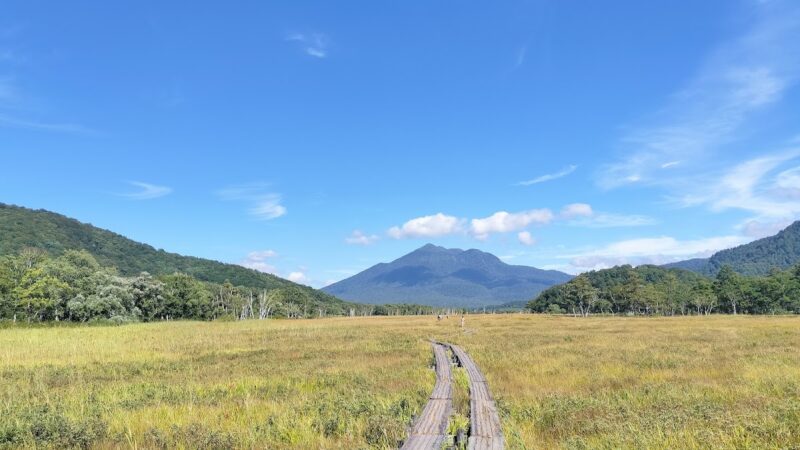
Spreading at an elevation of approximately 1,400 meters, Senjogahara is a vast high-altitude peatland of approximately 400 hectares that was once a lake but has become a wetland. Wooden pathways are maintained, making it a popular approximately 2-hour hiking course.
In early summer, cotton grass and shadblow flowers bloom, while in autumn, the grasses turn golden, dyeing the entire wetland. It is also known as a treasure trove for birdwatchers, attracting many bird-watching enthusiasts.
Yutaki Falls: One of the Three Famous Waterfalls of Inner Nikko
Falling from Lake Yunoko, Yutaki Falls is 70 meters high and 25 meters wide, counted among the three famous waterfalls of inner Nikko along with Kegon Falls and Ryuzu Falls. A footpath leads close to the waterfall basin, allowing visitors to feel its power up close.
The surrounding area is enclosed by broadleaf forests, and particularly during autumn’s foliage season, the contrast between the leaves colored in yellow and red and the white falls is magnificent.
Ryuzu Falls: An Elegant Waterfall Splitting into Two Streams
One of Nikko’s representative waterfalls, named for how it resembles a dragon’s head, with the waterfall splitting into two streams as it falls due to a large rock. A teahouse faces the falls directly, where visitors can enjoy the specialty dumplings while viewing the waterfall.
The period of spring’s Togoku azalea and autumn foliage is particularly beautiful, drawing many tourists.
The Charm of the Kinugawa Hot Spring Area
Kinugawa Hot Spring: A Leading Hot Spring Resort in the Kanto Region
Located in the southern part of Nikko City, Kinugawa Hot Spring is a representative hot spring resort of the Kanto region. Along the Kinugawa River gorge, numerous hot spring inns and hotels of various sizes line the area, attracting many tourists year-round.
The spring quality is alkaline simple thermal water known as “beautiful skin hot spring” due to its gentle nature on the skin. It is said to be effective for neuralgia, muscle pain, and joint pain, with numerous day-use bathing facilities available.
Ways to Enjoy Kinugawa Hot Spring:
- Hot Spring Town Strolls: Lined with souvenir shops and dining establishments, the hot spring town is walkable in traditional yukata
- Foot Bath Tours: Multiple free foot bath spots allow casual enjoyment of hot springs
- River Line Rafting: An activity for enjoying the gorge’s beauty from boat
- Accommodation Facilities: Diverse options from rooms with private outdoor baths to large hotels
Ryuokyo: Gorge Beauty Created by Nature
Located between Kinugawa Hot Spring and Kawaji Hot Spring, Ryuokyo is a gorge with unusual rock formations and strange boulders formed by submarine volcanic activity approximately 22 million years ago. With maintained footpaths, approximately 3 kilometers of hiking courses allow visitors to appreciate gorge beauty.
The view from Nijimi Bridge is particularly superb, with the emerald-green river and unusual rocks creating a spectacular contrast. The seasons of fresh greenery and autumn foliage are especially beautiful, making it popular as a photography spot.
Tobu World Square: Experience World Travel
A theme park recreating famous world buildings at 1/25 scale, displaying 102 structures including Tokyo Skytree, the Eiffel Tower, the Pyramids, and the Statue of Liberty.
The meticulously crafted miniature buildings are rendered in fine detail, allowing visitors to pseudo-experience a world tour. Popular with couples and families with children.
The Secrets and Nature of Inner Nikko
Nikko Yumoto Hot Spring: Secret Hot Spring at 1,500 Meters Elevation
Located at the deepest part of inner Nikko on the shores of Lake Yunoko, Yumoto Hot Spring is a historically significant hot spring said to have been discovered in 788 by the priest Shodo. Situated at an elevation of approximately 1,500 meters, it is characterized by white-turbid sulfur-rich hot spring water.
The hot spring town features a day-use bathing facility “Yumoto Hot Spring Source,” where visitors can enjoy source-fed hot spring water. The surrounding area serves as the starting point for hiking courses, making it ideal for trekking around Lake Yunoko or to Senjogahara.
Mount Nikko Shirane: The Highest Peak North of the Kanto Region
At 2,578 meters elevation, Mount Nikko Shirane is the highest peak north of the Kanto region. A ropeway can take visitors to an elevation of 2,000 meters, from which the summit requires approximately 3 hours of climbing.
The summit offers a 360-degree panorama, with the possibility of seeing Mount Fuji on clear days. From June to July, alpine plants bloom spectacularly, with particularly impressive stands of Siebold’s hellebore flowers.
Ashio Copper Mine: Learning About Industrial Heritage
The Ashio area of Nikko City preserves industrial heritage of the former Ashio Copper Mine, once Japan’s largest. Ashio Copper Mine sightseeing allows visitors to ride a mine car through actual mine galleries, learning the history of mining from the Edo period through the Showa era.
While the Ashio Copper Mine greatly contributed to Japan’s modernization, it is also known as the origin of the Ashio Copper Poisoning Incident, a historical public nuisance issue. It holds value as an educational tourism spot where one can learn the importance of environmental conservation.
Nikko Gourmet and Souvenirs
Nikko Famous Gourmet Foods
Yuba (Tofu Skin): Nikko’s representative specialty differs in production method from Kyoto’s “yuba,” made by double-layering sheets, resulting in greater thickness. Enjoyed in various preparations including sashimi, simmered dishes, and fried items.
Nikko Ramen: Characterized by light, soy-based broth, popular as a meal after sightseeing.
Strawberries: Facilities such as “Nikko Strawberry Garden Watanabe” and “Nikko Strawberry Park” offer strawberry picking, drawing many tourists from winter through spring.
Nikko Soba: Buckwheat noodles made with clear water are highly regarded for their fragrance and smooth texture.
Recommended Souvenirs
- Three Monkeys Castella from Nikko Castella Honpo: Cute castella cakes featuring Toshogu’s famous three monkeys
- Fried Yuba Manjū: Delightful combination of crispy coating and yuba texture
- Nikko Carving: Traditional craft with over 400 years of history
- Nikko Jingoroh Crackers: Famous sweets named after Hidari Jingoro
Access Information and Tourism Guide
Access from the Tokyo Area
By Train:
- Tobu Railway: Special express from Asakusa Station to Tobu Nikko Station in approximately 1 hour 50 minutes
- JR: Special express from Shinjuku Station to JR Nikko Station in approximately 2 hours
By Car:
- Tohoku Expressway: Approximately 30 minutes from Utsunomiya IC via Nikko Utsunomiya Road
- Nikko Utsunomiya Road: Exit at Kiyotaki IC or Nikko IC
Transportation Within Nikko
Route Buses: Tobu Bus operates service from Nikko Station toward Lake Chuzenji and Yumoto Hot Spring
Rental Cars: Convenient for visiting multiple sightseeing spots efficiently
Taxi: Taxi stands available at the station
Seasons Suitable for Sightseeing
Spring (April–June): Fresh greenery is beautiful, and wetlands and alpine plants begin blooming. Crowds are relatively modest.
Summer (July–August): Inner Nikko is ideal as a summer resort. High elevation provides cool, comfortable weather for sightseeing.
Autumn (September–November): Nationally famous as a fall foliage destination. Mid to late October marks peak viewing season. Note congestion on the Iroha-zaka road.
Winter (December–March): Winter-specific scenery such as Kegon Falls’ frozen cascade can be enjoyed. Outer Nikko experiences heavy snow, making winter tires or chains essential.
Model Courses for Nikko Sightseeing
Day Trip Course (World Heritage Focused)
- 9:00 AM Arrival at Tobu Nikko Station
- 9:30 AM Sacred Bridge viewing
- 10:00 AM Nikko Toshogu (approximately 2 hours)
- 12:00 PM Lunch (yuba cuisine)
- 1:30 PM Nikko Sanzen Rinnoji Temple and Taiyuin
- 3:00 PM Nikko Futarasan Shrine
- 4:00 PM Souvenir shopping
- 5:00 PM Departure from Nikko Station
1 Night, 2 Day Course (Inner Nikko Enjoyment)
Day 1:
- Morning: World Heritage sightseeing
- Afternoon: Proceed to inner Nikko via Iroha-zaka
- Lake Chuzenji sightseeing boat, Kegon Falls viewing
- Accommodation: Chuzenji Hot Spring or Yumoto Hot Spring
Day 2:
- Morning: Senjogahara hiking, Yutaki Falls viewing
- Afternoon: Ryuzu Falls, Nikko Nature Museum
- Evening: Return to Nikko Station and depart
2 Night, 3 Day Course (Complete Nikko and Kinugawa Enjoyment)
Day 1: World Heritage sightseeing, overnight in Kinugawa Hot Spring
Day 2: Ryuokyo hiking, Tobu World Square, continued stay at Kinugawa Hot Spring
Day 3: Inner Nikko sightseeing (Lake Chuzenji, Kegon Falls, Senjogahara)
Notes and Etiquette for Nikko Sightseeing
Clothing and Belongings
Inner Nikko’s high elevation results in temperatures 5–10 degrees lower than at sea level. Bring long sleeves and layers even in summer. For hiking, comfortable shoes and rain gear are essential.
Crowd Avoidance Strategies
Fall foliage season (mid to late October) weekends experience particularly heavy crowds. The Iroha-zaka experiences major traffic congestion, making early departures or weekday visits recommended. Toshogu is relatively less crowded immediately after opening.
Temple and Shrine Etiquette
Photography is prohibited in certain areas of temples and shrines. Follow signage directions and visit respectfully and quietly. At Toshogu, be careful not to touch National Treasures or Important Cultural Properties directly.
Nature Conservation
In protected natural areas like Senjogahara, stay on designated wooden pathways. Plant collection and animal feeding are prohibited. Always carry trash away and cooperate in preserving the natural environment.
The History and Culture of Nikko
Nikko’s history began in 766 when the priest Shodo opened Mount Nantai. During the Heian period, it developed as a sacred site for mountain ascetic training and prospered under Minamoto no Yoritomo’s patronage during the Kamakura period.
In the Edo period, as the mausoleum of Tokugawa Ieyasu, Nikko Toshogu was constructed, giving rise to the phrase “Unless you have seen Nikko, you cannot speak of beauty.” It became a symbol of Japan’s most representative architectural beauty.
From the Meiji period onward, it developed as an international resort destination visited by foreign guests, with embassy villas constructed around Lake Chuzenji. Infrastructure developed during this period, including roads and hotels, forms the foundation of modern tourism facilities.
Conclusion: The Diverse Attractions of Nikko
Nikko City, Tochigi Prefecture, is Japan’s representative comprehensive tourist destination where World Heritage historical structures, magnificent natural landscapes, and quality hot springs converge as one. The diverse natural environments created by elevation differences display different characteristics through the seasons, offering new discoveries with each visit.
With rich tourism resources and accommodations accommodating stays from day trips to multiple nights, it can serve the needs of all travelers—couples, families with children, and solo travelers alike.
With excellent accessibility within a two-hour distance from Tokyo, it is an ideal weekend travel destination. With history, nature, hot springs, and gourmet food—all the pleasures of travel concentrated—please visit Nikko. Detailed tourism information is also available on Nikko City’s official tourism site “Nikko Travel Navi.”