Hiraoka Arboriculture Center Hokkaido | Complete Guide to Fall Foliage Attractions and Seasonal Charm
Located in Kiyota Ward, Sapporo, Hokkaido, the Hiraoka Arboriculture Center (nickname: Midori Dream) is renowned as a famous fall foliage destination with approximately 700-800 Japanese maple trees planted throughout its grounds. Spanning 2.9 hectares, the expansive grounds feature Japanese and Western gardens where visitors can enjoy beautiful scenery throughout the seasons. This article provides detailed information about the attractions, access methods, highlights, and surrounding tourism information of the Hiraoka Arboriculture Center.
About Hiraoka Arboriculture Center
History and Overview
The Hiraoka Arboriculture Center was originally established when Sapporo City received a donation of land and trees from the late Sanjirou Takezawa, who owned it as a sample garden of ornamental trees suited to northern regions. The facility opened in 1984 (Showa 59) and has since become a beloved recreational space for Sapporo residents and tourists.
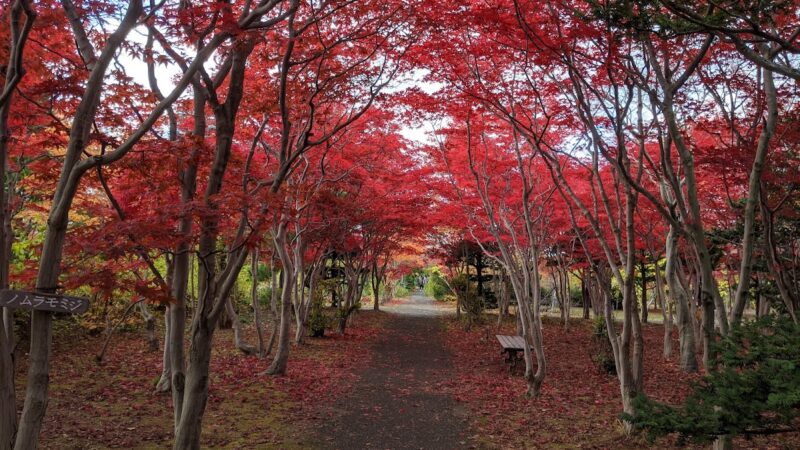
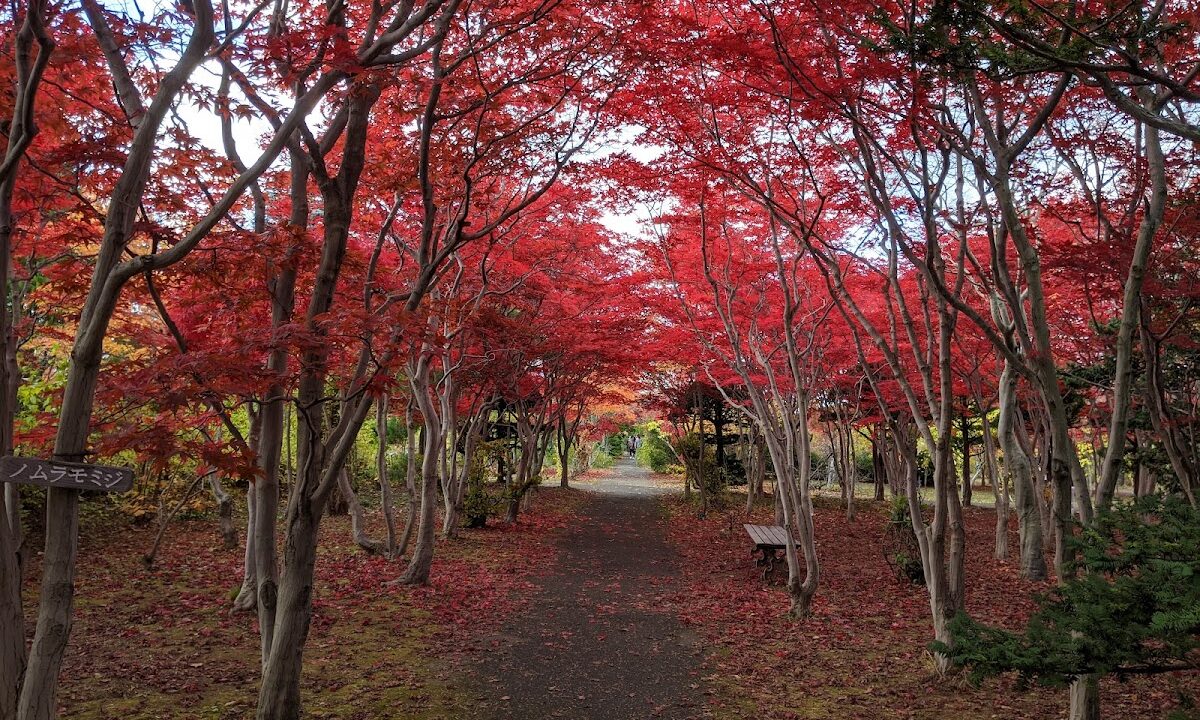
Within the total area of 2.9 hectares, approximately 3,000 Japanese yew trees (evergreen ilex) are carefully trimmed and arranged, with 8 varieties of approximately 700-800 Japanese maple trees planted throughout. Particularly during autumn foliage season, the maples turn a brilliant red, creating a spectacular landscape especially along the Nomura maple tree avenue.
Origin of the Nickname “Midori Dream”
The nickname “Midori Dream” is a combination of “midori” (green) and “dream.” It expresses the hope that visitors will spend dreamlike moments in this lush green garden.
Garden Highlights
Nomura Maple Tree Avenue
The main attraction of the Hiraoka Arboriculture Center is the Nomura Maple Tree Avenue, stretching over 200 meters. In autumn, a fantastical canopy of brilliant red maple leaves emerges above, creating an enchanting space. The contrast with the blue sky is stunning, and it is famous as a photography spot visited by many photography enthusiasts.
The Nomura maple is a variety that displays deep purple-red leaves from spring, which become even more vivid red in autumn. This tree-lined avenue is symbolic of the Hiraoka Arboriculture Center and draws many visitors during foliage season.
Eight Varieties of Japanese Maple
The grounds feature the following maple varieties:
- Nomura Maple: Changes from deep purple-red to brilliant red
- Yamayama: A representative wild maple found in Japanese mountains
- Shidaremomniji: An elegant variety with drooping branches
- Irohamomiji: Characterized by delicate leaves
- Other varieties that display different appearances throughout the seasons
These maple varieties showcase different beauty throughout the year: tender green in spring, deep green in summer, brilliant autumn foliage, and snowy winter landscapes.
Japanese Garden Area
The Japanese garden area incorporates traditional Japanese garden design elements. With ponds, stone arrangements, and lanterns positioned throughout, it offers a space infused with Japanese aesthetics. Beautifully trimmed Japanese yew creates a quiet atmosphere ideal for leisurely walks.
Western Garden Area
The Western garden area is characterized by geometric design and expansive lawns. Colorful flowers are planted with the seasons, allowing visitors to enjoy Western garden beauty. As a contrast to the Japanese garden, the Hiraoka Arboriculture Center offers the unique appeal of experiencing different gardening cultures while walking through the grounds.
Approximately 3,000 Japanese Yews
The grounds contain approximately 3,000 evergreen Japanese yew trees, carefully trimmed and maintained in beautiful shapes. Japanese yew is well-suited to Hokkaido’s climate, maintaining its green color year-round and lending the garden a calm atmosphere.
Four-Season Appeal
Spring (late April to June)
Beginning with the opening on April 29, the Hiraoka Arboriculture Center takes on its spring appearance. New shoots emerge, and the garden is enveloped in light green. During cherry blossom season, varieties such as Ezo Yamizakura bloom splendidly, creating a vibrant spring landscape. The Nomura maple displays deep purple-red leaves from spring, providing an accent among the fresh greenery.
Summer (July to August)
In summer, the Hiraoka Arboriculture Center is wrapped in deep green with a refreshing atmosphere. Hokkaido’s summer is cooler than regions further south, making walks in the tree shade a pleasant experience. The Western garden area displays colorful summer flowers, and the entire garden overflows with vitality.
Autumn (late September to early November)
The Hiraoka Arboriculture Center shines brightest during autumn foliage season. Foliage typically peaks from mid to late October, with the grounds transformed into brilliant reds, oranges, and yellows. The Nomura maple tree avenue is particularly spectacular, becoming a major tourist destination visited by many.
As foliage progression varies with temperature and weather conditions, it is recommended to check the official website for the latest information before visiting.
Winter Closure
The Hiraoka Arboriculture Center is closed from November 4 through April 28 of the following year. The facility closes during Hokkaido’s harsh winter and prepares for spring reopening.
Basic Information and Access
Location and Hours
- Location: Hiraoka 4-jo 3-chome, Kiyota Ward, Sapporo, Hokkaido
- Operating Period: April 29 to November 3
- Operating Hours: 8:45 AM to 5:15 PM
- Closed Days: Mondays (if a holiday, the following weekday)
- Admission: Free
- Parking: Available (free)
Access Information
By Car
Approximately 30-40 minutes by car from Sapporo city center. Travel via National Route 36 toward Kiyota Ward. Enter “Hiraoka Arboriculture Center” or the address “4-jo 3-chome, Kiyota Ward, Sapporo, Hokkaido” into your car navigation. Free parking is available, making car access convenient.
During peak foliage season (mid to late October weekends), the parking lot may become congested, so visiting during early hours is recommended.
By Public Transportation
From Sapporo Municipal Subway Tozai Line “Oyachi Station,” take Central Bus “Dai 69 Hiraoka 4-jo 2-chome Line” and get off at “Hiraoka 4-jo 3-chome” bus stop, then walk approximately 5 minutes. Since bus frequency is limited, it is recommended to check the schedule in advance.
Temporary buses may operate during foliage season, so check the latest transportation information.
Garden Map and Facilities
Garden Map
The Hiraoka Arboriculture Center is divided into the following areas:
- Entrance Area: Management office, garden tree consultation office
- Nomura Maple Tree Avenue: Over 200-meter-long main attraction
- Japanese Garden Area: Pond, stone arrangements, lanterns, etc.
- Western Garden Area: Geometric design and lawns
- Walking Paths: Pathways throughout the garden
A garden map is available at the entrance information board and on the official website. Allow 30 minutes to 1 hour for leisurely exploration.
Garden Tree Consultation Office
The Garden Tree Consultation Office is available where visitors can consult with specialist staff about ornamental tree care and management. Experts answer various questions about gardening in Hokkaido, including how to grow trees suited to the region’s climate, pruning techniques, and pest management.
Consultation is free and available during the operating period. It is a valuable information source for those considering home gardening or struggling with tree management.
Photography Spots and Best Times
Recommended Photography Spots
- Nomura Maple Tree Avenue: The brilliant red tunnel is the ultimate photography spot
- Around the Japanese Garden Pond: Autumn foliage reflected in water is beautiful
- Western Garden Lawn: Capture the entire garden in wide-angle shots
- Trimmed Japanese Yew Area: Geometric beauty
Best Times for Photography
- Early Morning (Right After Opening): Few crowds, and sunrise-lit foliage is beautiful
- Daytime: Vibrant colors photograph well in daylight
- Evening (Before Closing): Foliage lit by sunset is dramatic
Since weekends during foliage season are crowded, visiting on weekdays or early mornings is recommended.
Nearby Tourist Attractions
Hokkaido Pioneers Village
About 15 minutes by car from the Hiraoka Arboriculture Center, “Hokkaido Pioneers Village” is an open-air museum featuring buildings from the Meiji through early Showa periods relocated and restored. Visitors can learn about Hokkaido’s pioneering history while viewing historically significant structures.
Hokkaido Museum
Also about 15 minutes by car away, the “Hokkaido Museum” comprehensively exhibits Hokkaido’s nature, history, and culture. It features abundant valuable materials related to Ainu culture and settlement history.
Mitsui Outlet Park Sapporo Kitahiroshima
An outlet mall about 20 minutes by car from the Hiraoka Arboriculture Center. Visitors can enjoy shopping and dining, making it convenient to visit alongside tourism.
Sapporo Sattorand
An agricultural experience theme park in Sapporo’s Higashi Ward, about 25 minutes by car from the Hiraoka Arboriculture Center. Visitors can enjoy agricultural experiences and animal interactions across expansive grounds.
Nearby Accommodation
Since there are few accommodation facilities near the Hiraoka Arboriculture Center, it is typical to stay at a Sapporo city center hotel and make a day trip. Hotels near Sapporo Station and Susukino offer numerous options and serve as convenient tourism bases.
Recommended Areas
- Around Sapporo Station: Good transportation access with abundant choices from business hotels to luxury hotels
- Around Susukino: Convenient for dining with numerous restaurants
- Around Odori Park: Close to tourist attractions and ideal for strolling
Visiting Precautions
Clothing and Items to Bring
- Spring/Autumn: Bring layers as temperature varies significantly
- Summer: Prepare hats and sunscreen due to strong sunlight
- Rain Gear: Bring an umbrella as weather changes quickly
- Comfortable Walking Shoes: While garden paths are paved, comfortable shoes are recommended for walking trails
Etiquette and Rules
- Plant Collection Prohibited: Harvesting plants or flowers in the garden is forbidden
- Pet Accompaniment: Pets may accompany visitors if leashed, but consideration for other visitors is requested
- Trash Disposal: No trash bins are available in the garden, so please take trash with you
- Smoking: Smoking is prohibited except in designated areas
Crowding
The foliage season peak (mid to late October), especially on weekends, sees considerable crowds. Parking lots may become full, so the following measures are recommended:
- Visit on weekdays
- Visit early in the morning (right after opening)
- Use public transportation
- Check foliage progression and visit during off-peak times
Events and Experience Programs
The Hiraoka Arboriculture Center hosts various seasonal events and experience programs. Past events have included:
- Gardening Lectures: Learn ornamental tree care and pruning techniques
- Nature Observation Tours: Guide-led observation of garden plants and insects
- Photography Sessions: Photography instruction by professional photographers
- Foliage Festival: Special autumn events
Check the official website for the latest event information.
Other Foliage Spots in Sapporo
Fall foliage destinations in Sapporo to visit alongside the Hiraoka Arboriculture Center:
Nakajima Park
A city park close to Sapporo’s center where autumn foliage around the pond is beautiful. With convenient access, it is easy to visit.
Maruyama Park
Adjacent to Maruyama Zoo, this park offers foliage viewing while walking through primeval forest. Nearby Hokkaido Shrine can be visited simultaneously.
Jozankei
A hot spring area in Sapporo’s Minami Ward where spectacular collaboration of gorge scenery and foliage is impressive. A popular spot to enjoy both hot springs and foliage.
Hokkaido University Ginkgo Avenue
An avenue of ginkgo trees within Hokkaido University, within walking distance of Sapporo Station, forms a golden tunnel. Peak viewing is typically late October to early November.
Frequently Asked Questions
Is admission really free?
Yes, admission to the Hiraoka Arboriculture Center is completely free. Parking is also free.
When is foliage season?
Foliage typically peaks from mid to late October. However, timing may vary with that year’s temperature and weather, so checking the official website for the latest information before visiting is recommended.
Can I bring pets?
Pets may enter if leashed. However, consideration for other visitors is requested.
Can wheelchairs navigate the garden?
Main walking paths are paved and wheelchair-accessible. However, some areas have steps or slopes, so companion assistance is recommended.
Can it be enjoyed on rainy days?
Walking is possible on rainy days, but caution is needed as paths become slippery. Rain-wet foliage becomes more vivid in color, offering unique beauty.
Are there dining facilities in the garden?
There are no dining facilities or vending machines in the garden. It is recommended to bring drinks and light snacks in advance.
Is group visiting possible?
Group visits are possible. If planning large bus arrivals, advance notification to the management office is recommended.
Summary
The Hiraoka Arboriculture Center (Midori Dream), a free garden facility in Kiyota Ward, Sapporo, Hokkaido, is particularly spectacular during autumn foliage season when over 700 maple trees display brilliant colors. The Nomura maple tree avenue, stretching over 200 meters with red-tinged canopy overhead, offers a fantastical experience.
The 2.9-hectare grounds feature Japanese and Western gardens with approximately 3,000 beautifully trimmed Japanese yews. Its appeal lies in enjoying different seasonal expressions: spring’s tender green, summer’s deep green, and autumn’s brilliant foliage.
Operating from April 29 to November 3, hours 8:45 AM to 5:15 PM, with free admission. Located approximately 30-40 minutes by car from Sapporo city center with free parking, access is convenient.
The tree consultation office offers advice on gardening suited to Hokkaido’s climate, making it valuable for gardening enthusiasts. Nearby attractions include Hokkaido Pioneers Village and Hokkaido Museum, ideal for including in Sapporo tourism.
Weekdays or early morning visits are recommended during foliage season due to crowds. The Hiraoka Arboriculture Center, a fall foliage destination representing Hokkaido, offers unforgettable autumn memories.