Nishi-oka Park, Hokkaido – Complete Guide to Toyohira Ward, Sapporo’s Nature-Rich Waterside Park
Nishi-oka Park, located in Toyohira Ward, Sapporo City, Hokkaido, is a special park that maintains a rich natural environment while situated in an urban area. Spanning approximately 25 hectares centered around the former Nishi-oka Water Source Pond, the park features wetlands and forests formed in the upper reaches of the Tsukisamu River, where diverse flora and fauna inhabit. Known as a rare habitat for fireflies in Sapporo, it serves as a valuable spot for enjoying nature observation and birdwatching throughout the four seasons.
History and Origins of Nishi-oka Park
The history of Nishi-oka Park dates back to the Meiji Era. In 1909 (Meiji 42), the former Japanese Imperial Army dammed the Tsukisamu River to create the Nishi-oka Water Source Pond as a military water supply facility. At that time, general access was restricted due to its military status, but this closed environment inadvertently played a role in protecting the rich natural surroundings.
When the Shirakawa Water Purification Plant was completed in 1971 (Showa 46) and the Toyohira Gorge Dam was completed the following year in 1972, the Nishi-oka Water Source Pond ceased to function as a water source. Subsequently, Sapporo City formulated plans to preserve this valuable natural environment by developing it as a park. It officially opened as an urban park in 1977, becoming the Nishi-oka Park of today.
Due to its history as a water source, the park contains few artificial structures, and the natural environment has been preserved in its original state. This historical background created the park’s most distinctive characteristic: “an environment where genuine nature observation is possible despite being located within Sapporo City.”
Natural Environment and Ecosystem of Nishi-oka Park
Ecosystem of the Water Source Pond and Wetlands
The former Nishi-oka Water Source Pond at the heart of Nishi-oka Park holds a quiet water surface covering approximately 7.4 hectares. This water source pond and the surrounding wetlands serve as habitats for diverse aquatic organisms and wetland plants, forming a valuable wetland ecosystem within Sapporo City.
Wooden boardwalks have been installed in the wetland area, allowing visitors to observe different wetland plants depending on the season. In spring, white spathes of skunk cabbage color the wetlands, captivating many visitors. The peak viewing season for skunk cabbage is from late April to early May, and the sight of them growing densely along the boardwalks is magnificent. Subsequently, plants such as Ezono-ryu-kinkan and swamp bog myrtle bloom in succession, transforming the entire wetland into a lush green landscape toward early summer.
Forest and Bird Paradise
The forest surrounding the water source pond is a rich environment where conifers and broadleaf trees are intermixed. Yezo spruce, Sakhalin spruce and other conifers coexist with birch, Mongolian oak, Japanese elm and other broadleaf trees, forming a multi-layered forest structure.
This diverse forest environment is an ideal habitat for birds. More than 80 species of birds are observed throughout the year at Nishi-oka Park, making it a noted birdwatching destination that attracts enthusiasts from within and outside Sapporo City. From spring through summer, migratory birds such as the Narcissus Flycatcher, Blue-and-white Flycatcher, and Asian Brown Flycatcher arrive, delighting listeners with their beautiful songs. During winter, woodpeckers such as the Great Spotted Woodpecker and Japanese Pygmy Woodpecker, as well as resident birds like the Varied Tit and Eurasian Nuthatch, remain active.
Firefly Habitat
One of the most notable features of Nishi-oka Park is that it is one of the few firefly habitats in Sapporo City. The wetlands and small streams within the park are home to the Heike Firefly, which emits a fantastical glow from mid-July through early August.
Fireflies can thrive in environments with good water quality, moderate flow, and food sources such as freshwater snails. The wetlands of Nishi-oka Park satisfy these conditions and have become a valuable firefly observation spot for an urban park. The Nishi-oka Park Management Office also conducts firefly protection activities and utilizes the space as an educational venue to communicate the importance of environmental conservation.
Seasonal Highlights
Spring (April–May)
Spring in Nishi-oka Park is a season when you can feel the vitality of plants as they sprout simultaneously with snowmelt. From late April through early May, the skunk cabbage in the wetlands reaches peak bloom, with white spathes beautifully displayed along the boardwalks. During the same period, the yellow flowers of Ezono-ryu-kinkan also bloom, and the wetlands are enveloped in spring colors.
In the forest, spring ephemerals such as Japanese Dogtooth Violet, Corydalis species, and Japanese False Hellebore bloom in succession. These plants display a unique life cycle, blooming during a brief period before trees leaf out, then withering after seed production.
The bird world also becomes active during this season as migratory birds arrive successively. The beautiful appearance and songs of the Blue-and-white Flycatcher and Narcissus Flycatcher captivate birdwatchers.
Summer (June–August)
Summer in Nishi-oka Park is the season when greenery is most vibrant and life activities most active. The wetland plants enter their growth phase, with tall plants thriving on both sides of the boardwalks. In June, Japanese iris blooms with purple flowers, adding color to the wetlands.
Insect activity also becomes brisk, with numerous dragonfly species flying about. Various types of dragonflies such as the Japanese Giant Dragonfly, Scarlet Dragonfly, and Red Dragonfly can be observed. Nishi-oka Park also hosts a “Nishi-oka Yamna-dan” (dragonfly observation program) where children can experience nature together. A bug net rental service is also available, allowing visitors to enjoy insect observation even when arriving empty-handed.
From mid-July through early August, the fantastical sight of Heike Fireflies flying can be observed. As twilight falls and darkness increases, faint lights begin to twinkle at various points in the wetland.
Autumn (September–November)
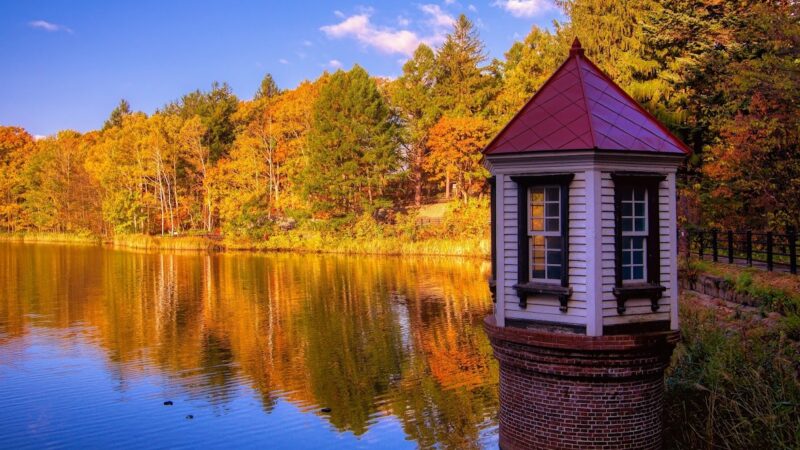
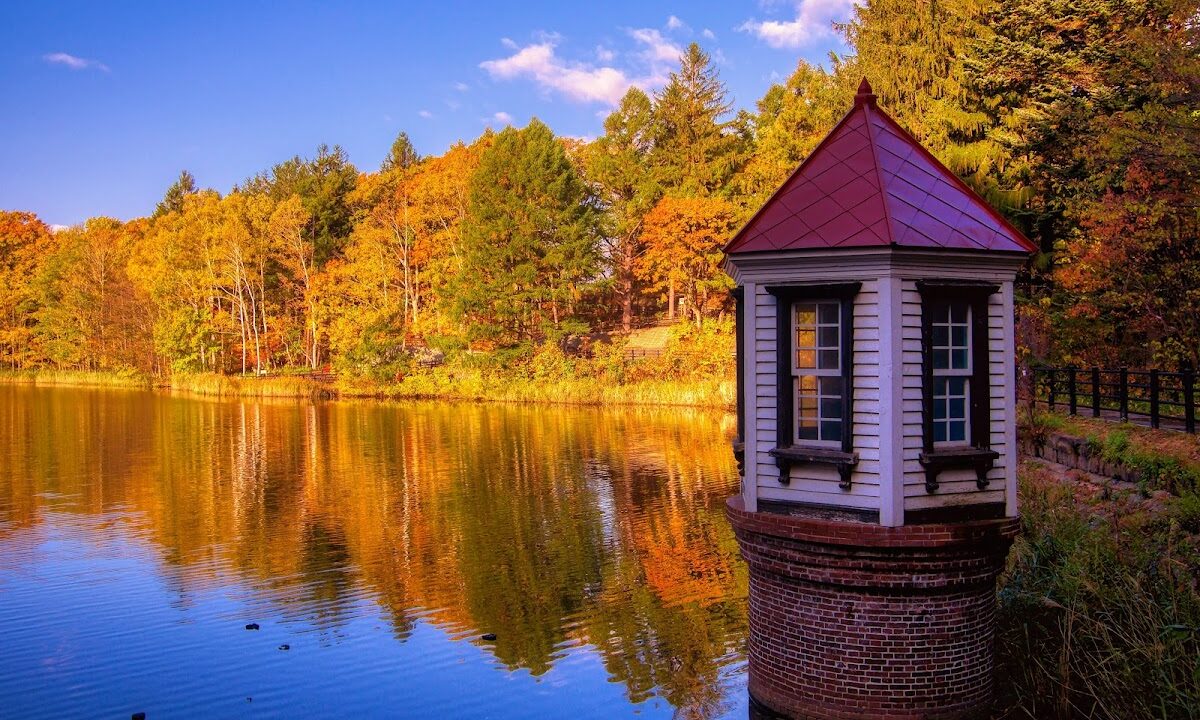
Autumn in Nishi-oka Park is a season when the beauty of autumn foliage stands out. From late September through October, Japanese maple and fullmoon maple turn red, while birch and Japanese maple turn yellow. The autumn leaves reflected on the surface of the water source pond are particularly beautiful, attracting many photography enthusiasts.
Autumn is also the season for migratory birds, when summer birds depart southward while winter birds arrive from the north. This period offers the possibility of encountering bird species not usually visible, making it an unmissable season for birdwatchers.
In the forest, nuts such as acorns and walnuts bear fruit, and you can observe animals such as squirrels and woodpeckers gathering food in preparation for winter.
Winter (December–March)
Winter in Nishi-oka Park becomes a world of snow wrapped in silence. With snowfall, some portions of the wooden boardwalks become impassable, but visitors can enjoy walking while wearing snowshoes or cross-country skis.
The snow-covered forest presents a completely different appearance from summer. Animal footprints left in the snow serve as clues to understanding what creatures are active. Following the tracks of Ezo squirrels or Japanese raccoon dogs is a unique winter pleasure.
Bird observation is also attractive during winter. Winter birds such as the Dusky Thrush, Japanese Grosbeak, and Long-tailed Rosefinch visit, while resident birds like the Varied Tit and Eurasian Nuthatch remain active even in the snow. With fallen leaves, visibility improves and it becomes easier to observe birds.
Facilities and Services at Nishi-oka Park
Nishi-oka Park Management Office
The Nishi-oka Park Management Office serves as a central facility performing various functions. Located at 487 Nishi-oka, Toyohira Ward, Sapporo, the telephone number is 011-582-0050.
The management office provides natural information about the park, organizes events, and implements nature observation programs. Inside the office is an exhibition corner displaying specimens and photographs of animals and plants inhabiting the park, as well as materials related to the park’s history.
The office is closed on Tuesdays and Wednesdays (or the following weekday if these days fall on a holiday) and during the year-end/new year period (December 29 through January 3). Operating hours vary by season, so it is recommended to confirm before visiting.
Guided Walks and Events
Regular “Osanpo Guide” walks led by park staff are held at Nishi-oka Park. Offered every Friday from late April through October, these guided tours are led by knowledgeable staff members who introduce seasonal highlights and blooming flora and fauna. Participation is free and requires no reservation, making it easy to join.
A special program titled “Park Walking Class with Your Beloved Dog at Nishi-oka Park” is also offered. Visitors can learn proper park etiquette for pet-accompanied visits while enjoying a nature walk with their dogs—a popular event.
For children, there is a “Nishi-oka Yamna-dan” insect observation program. Beginning with an induction ceremony, this educational program allows participants to learn insect observation and specimen preparation throughout the season. New student specimen-making classes are also held, providing opportunities for children to become familiar with nature.
A “Nishi-oka Sakana-gumi” aquatic organism observation program is also available, through which visitors can learn about wetland ecosystems by observing fish species and aquatic insects inhabiting the water source pond and small streams.
Parking and Restrooms
Nishi-oka Park is equipped with a free parking lot with approximately 30 parking spaces. However, during peak seasons such as the skunk cabbage viewing period and firefly season, parking may become full, and consideration of public transportation is recommended.
Restrooms are installed near the parking lot, though construction or renovation work may occasionally be conducted. The latest information on facilities is available on the Nishi-oka Park Management Office website.
Multiple restrooms are distributed throughout the park, providing convenient access during walks. However, some restrooms may be closed during winter.
Rental Services
Nishi-oka Park offers a bug net rental service. The kit includes nets and containers, making it possible to enjoy insect observation even when arriving empty-handed. This service is popular with children and ideal for summer nature learning experiences.
For details and pricing regarding rentals, please contact the management office or check the official website.
Access Methods
Access by Public Transportation
Nishi-oka Park can be reached via public transportation. The most common route is to take the Sapporo Municipal Subway Namboku Line to “Sumikawa Station,” transfer to the Chuo Bus Nishi-oka Loop Line (Route 73), and get off at the “Nishi-oka Water Source Pond” bus stop. The walk from the bus stop to the park entrance is only about one minute, making it very accessible.
Buses from Sumikawa Station run on both weekdays and weekends/holidays, though service is limited. It is recommended to check the timetable in advance. Travel time is approximately 15 minutes.
Access by Car
For those traveling by car, the park is approximately 40 minutes from the “Sapporo Minami IC” on the Dō-ō Expressway, or about 30 minutes from central Sapporo.
From central Sapporo, head south on National Route 36, then proceed toward the Hirataira area. Subsequently, enter Route 341 (Nishi-oka Hirataira Line) and follow the directional signs to reach Nishi-oka Park.
When using a car navigation system, setting “Nishi-oka Park Management Office” (487 Nishi-oka, Toyohira Ward, Sapporo) as your destination is convenient.
Parking is free, but spaces are limited. During peak seasons (skunk cabbage season, firefly season, autumn foliage season), arriving early or considering public transportation is recommended.
How to Enjoy Nishi-oka Park
Birdwatching
Nishi-oka Park is one of Sapporo’s premier birdwatching destinations. More than 80 bird species are observed annually, with different species appearing each season.
To enjoy birdwatching, it is recommended to bring binoculars. Early morning is when bird activity peaks, and particularly from spring through summer, beautiful birdsong can be heard.
Water-dwelling birds such as the Crested Kingfisher and Gray Heron can be observed around the water source pond, while woodpeckers and small birds are found in forested areas. During winter, improved visibility with fallen leaves makes birds easier to spot.
Nature Observation and Photography
Nishi-oka Park is also popular as a photography destination where visitors can enjoy natural beauty throughout the seasons. Spring skunk cabbage, summer verdant greenery, autumn foliage, and winter snowscapes—the park displays a different character with each season.
The landscape reflected in the water source pond is particularly beautiful, and the forest or autumn leaves reflected in the calm early morning water surface make excellent subjects. The wooden boardwalk through the wetlands allows close-up photography of seasonal flowers.
Many visitors enjoy wildlife photography, with diverse subjects available including birds, insects, and plants. However, when photographing wildlife, it is important to avoid disrupting the ecosystem and maintain an appropriate distance from subjects.
Walking and Hiking
Nishi-oka Park features well-maintained walking trails for leisurely strolls. The trail circling the water source pond is approximately 2 kilometers long and takes about an hour to walk at a relaxed pace.
The wooden boardwalks through the wetland area allow nature observation without concern for footing. The forest trails have some elevation changes and provide moderate exercise.
Dogs are welcome on walks but must be kept on a leash, and consideration must be given to other visitors and wildlife. Participation in the “Park Walking Class with Your Beloved Dog” can teach appropriate etiquette.
Environmental Learning and Nature Experiences
Nishi-oka Park serves as an environmental learning venue for children. Participation in various programs conducted by the management office enables deeper understanding and enjoyment of nature.
Programs such as “Nishi-oka Yamna-dan” and “Nishi-oka Sakana-gumi” provide ongoing opportunities for children to interact with nature and develop observational skills. Through insect collection and aquatic organism observation, children can directly experience biodiversity and the interconnectedness of ecosystems.
The park is also ideal as a subject for school field trips and independent research projects. Staff can provide appropriate guidance upon consultation.
Precautions When Visiting Nishi-oka Park
Clothing and Items to Bring
Appropriate seasonal clothing and equipment are necessary when visiting Nishi-oka Park.
From spring through autumn, walking shoes are essential. Though trails are maintained, forest areas have elevation changes and may become muddy after rain. During summer, insect repellent, a hat, and sunscreen are helpful for comfort.
Autumn experiences significant temperature fluctuations, so layered clothing is suitable. The autumn foliage season sees crowding, making early visits recommended.
When visiting in winter, cold-weather preparation is crucial. Those planning to walk using snowshoes or cross-country skis should prepare appropriate equipment.
Etiquette and Rules
Several rules are established to protect Nishi-oka Park’s rich natural environment.
Plant collection is prohibited. Even beautiful flowers like skunk cabbage should be enjoyed through photography rather than being taken away. Feeding wildlife is also prohibited. Human food is harmful to animal health and disrupts ecosystem balance.
All trash must be taken away. As no trash bins are provided in the park, visitors must manage their own waste.
When accompanying pets, a leash must be used, and owners are responsible for cleaning up after their animals. Care must be taken regarding other visitors and wildlife.
Smoking is permitted only in designated areas. Outside of smoking areas, smoking is strictly prohibited for fire prevention purposes.
Safety Management
As Nishi-oka Park is a nature-rich environment, several precautions should be noted.
During summer, wasps such as hornets are active. If you spot a nest, do not approach and report it to the management office. If stung, seek immediate medical attention.
While bear sightings are rare, the possibility of bears entering the Sapporo area is not zero. Avoid solo travel during early morning or evening hours, and walking with others is preferable. Carrying bear bells or other noise-making devices provides peace of mind.
During winter, accumulated snow and ice make trails slippery. Take care not to slip, and enjoy walking within your physical limits.
If you feel unwell or an emergency occurs, contact the management office or call 119 if necessary.
Nearby Tourist Attractions
Several other attractive tourist spots are located near Nishi-oka Park.
Maruyama Plateau Observatory is approximately 15 minutes by car from Nishi-oka Park. Famous for the statue of Dr. Clark, the observation point offers panoramic views of Sapporo City and the Ishikari Plain.
Makomanai Park is a historic park that served as a venue during the 1972 Sapporo Olympics. Its vast grounds contain forests and ponds, allowing visitors to enjoy walks throughout the seasons. It is approximately 20 minutes by car from Nishi-oka Park.
The Sapporo Art Forest is a multi-cultural facility that houses an art museum, outdoor stage, and studios. This unique spot allows visitors to appreciate art works in a natural setting, located approximately 25 minutes by car from Nishi-oka Park.
Combining these spots for a day of sightseeing in Sapporo’s southern areas is also recommended.
Summary
Nishi-oka Park, located in Toyohira Ward, Sapporo City, Hokkaido, is a valuable park where visitors can experience genuine nature despite being situated in an urban area. Centered around the former water source pond built in the Meiji Era, the park features spreading wetlands and forests where diverse flora and fauna thrive.
Natural beauty throughout the seasons, more than 80 bird species, and a rare firefly habitat within Sapporo are among the numerous attractions. Spring skunk cabbage, summer insect observation, autumn foliage, and winter snow scenes each present distinct seasonal charms.
Participating in programs such as “Osanpo Guide” and “Nishi-oka Yamna-dan” conducted by the Nishi-oka Park Management Office enables deeper understanding and enjoyment of nature. The bug net rental service makes nature experiences accessible even for those arriving empty-handed.
Access is convenient—approximately 15 minutes by bus from Sumikawa Station or about 30 minutes by car from central Sapporo. With parking facilities provided, families can easily visit.
Nishi-oka Park offers diverse ways to enjoy itself: nature observation, birdwatching, photography, and walking. When visiting Hokkaido and Sapporo City, please be sure to visit. You will surely experience healing time surrounded by rich nature, away from the hustle and bustle of the city.