
Kusharo Lake Shores, Hokkaido Complete Guide | Spectacular Views of Japan’s Largest Caldera Lake and How to Enjoy Hot Springs
Stretching across Teshikaga Town in eastern Hokkaido, Lake Kusharo is Japan’s largest caldera lake, with a circumference of 57 kilometers. The shores of Lake Kusharo, featuring majestic natural landscapes, wild hot springs scattered around the lake, and seasonal activities for all times of year, continue to captivate many travelers as one of Hokkaido’s premier tourist destinations.
This article comprehensively introduces everything you should know before visiting Lake Kusharo shores, from its attractions and specific ways to enjoy it, to access methods and surrounding spots.
About Lake Kusharo | Basic Information on Japan’s Largest Caldera Lake
Overview and Characteristics of Lake Kusharo
Lake Kusharo is a freshwater lake located within Akan Mashu National Park, boasting a surface area of approximately 79.3 square kilometers and a maximum depth of about 117.5 meters. With dimensions of approximately 26 kilometers east-west and 20 kilometers north-south, it possesses an overwhelming scale. In the center of the lake floats Nakajima Island with a circumference of 12 kilometers, which itself holds the distinction of being Japan’s largest island within a freshwater lake—truly a lake of remarkable proportions.
The defining characteristic of Lake Kusharo is that despite being a caldera lake formed by volcanic activity, its water quality is exceptionally beautiful. Approximately 80% of its water source is said to be spring water, and the highly transparent, pristine waters captivate all who visit. Furthermore, hot springs gush forth from countless locations around the shore, allowing visitors to still feel the remnants of volcanic activity.
The Origin of the Name Kusharo
The name “Kusharo (屈斜路)” derives from the Ainu word “Kutcharo,” which means “throat.” More precisely, it refers to “the outlet of a lake or marsh” or “the place where a lake flows out as a river.” Indeed, the Kushiro River flows out from Lake Kusharo, demonstrating how accurately the Ainu people observed the topography and named the place. This place name, like many others throughout Hokkaido, is a cultural heritage reflecting how the Ainu people observed nature and expressed the essence of the land through language.
Formation and Geological Background of Lake Kusharo
Lake Kusharo was formed by intense volcanic activity of the Kuril volcanic belt that began approximately 400,000 years ago. When massive volcanic eruptions ejected magma from underground, the resulting empty subterranean spaces collapsed, creating a caldera. Lake Kusharo is a typical example of such a caldera lake, characterized by terrain surrounded by a rim of outer mountains.
Even today, Sulfur Mountain (Atosanupuri) stands on the shore, continuing active volcanic activity. Thermal springs also gush from the lake bottom, indicating that geothermal activity remains ongoing. This volcanic activity is precisely what brings abundant hot springs to the shores of Lake Kusharo.
Spectacular Viewpoints Around Lake Kusharo
Bihorō Pass Observation Deck | Famous for Sea of Clouds and Sunrise
Bihorō Pass, at an elevation of 525 meters, offers a panoramic view of the entire Lake Kusharo. From the observation deck, a magnificent vista of Lake Kusharo, Nakajima Island, and the surrounding outer mountains spreads before you.
The early morning sea of clouds is particularly spectacular. When conditions align—clear skies, weak winds, and significant temperature differences from the previous day—the fantastical collaboration of sea of clouds and sunrise over the lake creates a breathtaking scene. Sea of clouds form most frequently in early autumn mornings. The views from Bihorō Pass are called “the finest scenery under heaven,” attracting many photography enthusiasts.
The observation deck includes “Michi no Eki (roadside station) Gurutto Panorama Bihorō Pass,” with restaurants and shops. Enjoying the famous “age-imo” (fried potato) while taking in the scenery comes highly recommended.
Tsutsugi Pass Observation Facility | 360-Degree Grand Panorama
The Tsutsugi Pass observation facility sits at 947 meters elevation, making it the highest vantage point overlooking Lake Kusharo. From here, not only Lake Kusharo but also the Shiretoko mountain range, the Daisetsu mountain system, and the Akan mountains can be seen across a 360-degree panorama.
This observation facility operates only from June to October, with its popularity peaking during the sea of clouds season. The sight of Lake Kusharo floating within the clouds appears worthy of the epithet “lake in the heavens.” While difficult to access by private vehicle, the Tsutsugi Town Tourism Association operates shuttle bus service, which is recommended.
Mokoto Mountain Observation Deck | Easily Accessible Scenic Point
Mokoto Mountain (1,000 meters) is an outer mountain from which the entire Lake Kusharo can be viewed. The hiking trail is well-maintained, and the summit can be reached in approximately two hours one way, making it popular with beginner hikers.
The Mokoto Mountain observation deck (Highland Koshimizu 725), located on the middle slopes, offers easy access by car. From here, Lake Kusharo and Mount Shakun, along with the Shiretoko mountain range, come into view, with the scenery at dusk particularly praised. With restaurants and shops also located here, visitors can leisurely enjoy the spectacular views.
Sunayutsu | Representative Lakeside Spot
Sunayutsu, located on the eastern shore of Lake Kusharo, is a popular destination where one can actually dig hot springs from the sandy beach—literally excavating the sand reveals hot water. Visitors can create their own natural open-air bath by digging in the lakeside sand, attracting many tourists.
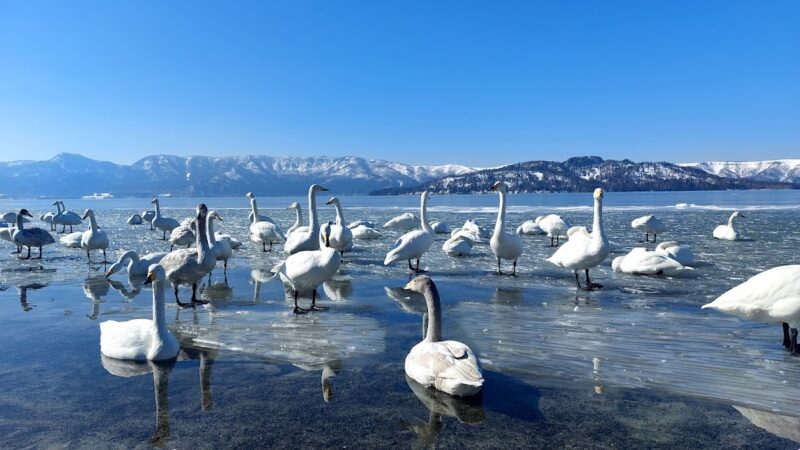
During winter, several hundred whooper swans migrate to this area where the lake remains unfrozen due to hot spring outflows, making it known as a winter habitat for these elegant birds. From November to April, visitors can observe hundreds of swans swimming in their natural habitat—a rare opportunity. Sunayutsu offers free foot baths, parking, and restroom facilities, making it easily accessible for a casual visit.
Kotan Onsen | Hot Spring with Secluded Atmosphere
Kotan Onsen sits in a small village on the southern shore of Lake Kusharo, known for a free open-air bath. Called “Kotan no Yu,” this open-air bath features an open location facing the lake and is co-ed (with swimwear encouraged).
Small inns and hotels dot the surroundings, offering a quiet lakeside atmosphere. The place name “Kotan” (village), deeply rooted in Ainu culture, indicates that this area was once inhabited by the Ainu people.
Hot Springs Around Lake Kusharo | Touring Rustic Hot Spring Gems
Characteristics and Mineral Composition of Lakeside Hot Springs
The lakeside of Lake Kusharo features abundant hot springs deriving from volcanic activity. The mineral composition is primarily acidic sulfate springs or simple hot springs, believed to be beneficial for neuralgia, muscle pain, and joint pain. The greatest characteristic of lakeside hot springs is that many feature rustic open-air baths.
The sense of openness from bathing while viewing the lake and the sense of unity with nature are unique charms of Lake Kusharo’s hot springs. Additionally, many hot springs can be used free or for a small fee—a delightful point for hot spring enthusiasts.
Natural Open-Air Bath Experience at Sunayutsu
At Sunayutsu, visitors can dig into the sandy beach to create their own hot spring. Digging approximately 30 centimeters deep produces warm water, completing an improvised open-air bath. Bring a swimsuit and towel to enjoy this unique hot spring experience.
However, depending on the lake water level and season, hot spring flow conditions may vary, making it uncertain whether appropriately warm water will be obtained. Also, given this is a public space, swimwear should be worn and consideration shown to others.
Kotan no Yu | Free Open-Air Bath by the Lake
Kotan no Yu is a free open-air bath set up along Lake Kusharo’s shores. With its open location facing the lake, bathing is possible 24 hours. Facilities are minimal with barely any changing rooms or roofing, truly offering a bath where one can experience unity with nature.
While co-ed, swimwear is recommended, making it accessible to women. However, in winter, the cold wind blowing from the lake requires considerable resolve for bathing.
Ike no Yu | Hidden Gem Hot Spring in the Forest
Ike no Yu is a free open-air bath that quietly sits deep within the forest along Lake Kusharo’s shores. Located about a 15-minute walk from Sunayutsu, it’s known as a secret hot spring popular among hot spring enthusiasts.
This small pond-like hot spring is surrounded by forest in a quiet environment. However, facilities are nearly nonexistent, left completely in nature’s state. When visiting, bring towels and a change of clothes, mindful of preserving the natural environment.
Kawayu Onsen Town | Full-Fledged Hot Spring Resort
Located about 15 minutes by car from Lake Kusharo, Kawayu Onsen Town is a hot spring resort with over 100 years of history. Characterized by strongly acidic sulfurous springs, many establishments feature “100% source water direct bath,” allowing proper hot spring therapy.
From large hotels to small inns, various accommodation types are available, making it ideal as a base for Lake Kusharo tourism. The hot spring town also features foot baths and day-use bathing facilities, allowing casual visits during sightseeing.
Activities Around Lake Kusharo | Ways to Enjoy All Seasons
Canoe and Kayak Experience
Lake Kusharo’s calm waters create ideal conditions for canoeing and kayaking. Multiple outdoor guide operators along the shore offer various programs, from beginner experience tours to advanced touring for experienced paddlers.
Early morning canoe tours are particularly popular, offering an exceptional experience paddling gently through morning mist. Views of the outer mountains from the water’s surface, encounters with waterfowl, and other natural connections unavailable from land create unforgettable memories.
Fishing | Rainbow Trout and Dolly Varden Fishing
Lake Kusharo offers excellent fishing for rainbow trout and Dolly Varden (Ezo iwana). Particularly spring and autumn are prime seasons for Dolly Varden, drawing many anglers.
Recreational fishing requires adherence to Hokkaido’s inland water fishing regulations, with certain species requiring fishing licenses. Restricted fishing periods and size limits apply, so check beforehand. Rental boat shops along the shore enable boat fishing.
Cycling | Lake Circumference Route
The approximately 57-kilometer circumference of Lake Kusharo is also popular as a cycling course. The round-the-lake route, with some elevation changes, suits intermediate cyclists, but cycling while enjoying grand scenery proves exhilarating.
Rental bicycles are available near Kawayu Onsen and Mashu Station, with electric-assist bikes available for those lacking confidence in their stamina. Taking breaks at Sunayutsu or Kotan Onsen, visitors can enjoy circling the lake at their own pace.
Water Sports | SUP and Windsurfing
Recently, SUP (stand-up paddleboard) has grown increasingly popular at Lake Kusharo. The calm water and high transparency make it ideal for SUP beginners. Guided SUP experience tours are frequently offered, allowing safe enjoyment.
Strong wind days are suitable for windsurfing as well. The vast lake and stable winds create an ideal environment for windsurfing enthusiasts.
Winter Activities | Swan Observation and Smelt Fishing
In winter Lake Kusharo, from November through April, several hundred whooper swans migrate and overwinter around Sunayutsu and Kotan Onsen areas. White swans gathering in non-freezing areas created by thermal spring outflows represent a winter spectacle enchanting many visitors.
Early morning and evening allow observation of swans taking off en masse or descending to the water surface. Additionally, smelt fishing is possible on the frozen lake surface (safety verification varies by year). Exploring the winter lakeside by snowshoe or cross-country ski amid the quiet provides another excellent experience.
Tourist Spots Around Lake Kusharo
Sulfur Mountain (Atosanupuri)
Sulfur Mountain, located approximately 3 kilometers southeast of Lake Kusharo, is an active volcano continuing to release steam actively. The distinctive sulfur smell and white smoke rising make one keenly sense being near a “living volcano.”
The mountainside is colored yellow by sulfur crystal deposits, and approaching the area shows the ground heated by geothermal energy. Well-maintained walking trails safely enable close observation of volcanic activity. The parking area includes “Sulfur Mountain Rest House,” where visitors can purchase the local specialty hot spring eggs and local products.
Lake Mashu | Mysterious Misty Lake
Approximately 30 minutes by car from Lake Kusharo lies Lake Mashu, boasting world-class transparency and a mystical atmosphere. Known as the “Misty Lake Mashu,” it’s famous for its fog-shrouded, fantastical scenery, though clear days reveal the distinctive deep blue “Mashu Blue” of the water surface.
Three observation decks—First, Third, and Back Mashu viewing platforms—offer different angles of Lake Mashu. Many tourists visit Mashu Lake while also visiting Lake Kusharo, making it a standard route in eastern Hokkaido tourism.
Lake Akan | Marimo and Hot Spring Lake
Approximately 1.5 hours by car from Lake Kusharo lies Lake Akan, famous for marimo (moss balls) designated as special natural monuments. The Akan Onsen town serves as an information center for Ainu culture, where “Ainu Kotan” offers encounters with Ainu traditional culture.
The “Three Lake Tour” visiting Lakes Akan, Mashu, and Kusharo is a popular eastern Hokkaido tourist course, allowing visits to three lakes with distinct characteristics in a single day.
Kushiro Wetlands | Japan’s Largest Marshland
The Kushiro River flowing from Lake Kusharo passes through Kushiro Wetlands, Japan’s largest marshland. Approximately 1.5 hours by car from Lake Kusharo, these special natural monument wetlands host endangered red-crowned cranes.
Various methods of experiencing the wetlands are available—observation decks, canoe river trips, and the Norokko scenic railway. Combining Lake Kusharo with the wetlands allows visitors to experience the full diversity of eastern Hokkaido’s nature.
Access Methods to Lake Kusharo Shores
Air Access
The nearest airports are “Memanbetsu Airport” and “Kushiro Airport.”
From Memanbetsu Airport:
- By car: approximately 40 minutes (approximately 30 km)
- Bus service: Approximately 1 hour from Memanbetsu Airport on buses heading to Kawayu Onsen, getting off at Sunayutsu
From Kushiro Airport:
- By car: approximately 1.5 hours (approximately 90 km)
- Bus service: Buses to Mashu Station or Kawayu Onsen from Kushiro Airport
Memanbetsu Airport is closer to Lake Kusharo with more convenient access. Car rentals are available at the airport.
JR and Bus Access
By JR:
- JR Senmo Main Line “Mashu Station” or “Kawayu Onsen Station” serve as nearest stations
- From Mashu Station to Sunayutsu by local bus: approximately 30 minutes
- From Kawayu Onsen Station to Sunayutsu by local bus: approximately 15 minutes
Long-Distance Buses:
- Use city-to-city buses heading toward Kushiro/Akan areas from Sapporo, transferring in Teshikaga Town
- Summer season sees special sightseeing shuttle buses operating
Since public transportation frequency is limited, confirming schedules beforehand and planning accordingly are essential.
Car Rental Access
Renting a car proves most convenient for efficiently touring the Lake Kusharo area.
From Memanbetsu Airport:
- Via National Routes 39 and 243: approximately 40 minutes
- The route via Bihorō Pass offers scenic enjoyment
From Kushiro Airport:
- Via National Routes 391 and 243: approximately 1.5 hours
- Stopping at Lake Mashu en route is also possible
From Sapporo:
- Via the Dō-Tō Expressway and national routes: approximately 5.5 hours
- Tourist routes stopping at Obihiro or Lake Akan en route are also popular
Winter driving requires snow tires (studless tires) due to snowfall and icy road conditions. Additionally, exercise caution regarding blizzard visibility and frozen road surfaces.
Accommodation Facilities at Lake Kusharo Shores
Lakeside Hotels and Resorts
The Lake Kusharo shores feature scenic hotels and resorts overlooking the lake. Hotels with all guest rooms facing the lake allow enjoying magnificent views from your room. Most hotels feature hot spring baths, with bathing while viewing the lake offering exceptional experiences.
Large resort hotels provide comprehensive amenities including restaurants, cafes, and shops, allowing leisurely stays. Dinners feature local ingredients, offering opportunities to savor Hokkaido cuisine.
Hot Spring Inns and Guesthouses
Small hot spring inns and guesthouses scatter around Kotan Onsen and Sunayutsu areas. The charm lies in their intimate atmosphere and opportunities to interact with locals. Relatively affordable rates make these suitable for extended stays and hot spring therapy visits.
Guesthouses offer homestyle cooking featuring locally foraged mountain vegetables, river fish, and venison. Learning local information and hidden spots from proprietors provides another appeal unique to small establishments.
Campgrounds
Multiple campgrounds line Lake Kusharo’s shores, allowing camping while enjoying lake views. Popular facilities include Sunayutsu Campground and Wakoto Peninsula Campground, bustling with campers during summer.
Campgrounds offer excellent lake access, serving as ideal base camps for canoe and kayak activities. Evening stargazing offers an experience unavailable in urban areas, providing genuine immersion in nature.
Dining and Restaurants at Lake Kusharo Shores
Local Ingredient Cuisine
The Teshikaga area surrounds visitors with opportunities to enjoy dishes using local ingredients: venison, river fish, and mountain vegetables. Venison, being low-fat and high-protein, has grown popular as wild game cuisine, offered as steaks, hamburgers, curries, and more.
Fresh river fish from Lake Kusharo—rainbow trout and Dolly Varden—also appear in specialty restaurant dishes. Salted grilled fresh fish and sashimi represent lakeside restaurant specialties.
Mashu Buckwheat Noodles and Teshikaga Ramen
Teshikaga Town earns recognition as a buckwheat-producing region, with “Mashu buckwheat noodles” featuring locally grown buckwheat. The clear water and temperature variations of the region nurture aromatic, flavorful buckwheat.
Kawayu Onsen area shops also serve “Teshikaga ramen,” beloved by locals. Why not sample local flavors during your visit?
Cafes and Sweets
Cafes dot the lakeside and Kawayu Onsen areas, allowing relaxed enjoyment of scenery. Hokkaido-signature sweets are available—soft serve ice cream and gelato made from local milk, along with homemade cakes.
Taking time to leisurely enjoy coffee while viewing the lake represents a travel luxury.
Best Season for Lake Kusharo Tourism and Appropriate Clothing
Spring (April-May)
Spring at Lake Kusharo brings new greenery following snowmelt. While snow may remain through early April, mid-April onward gradually warms. This season witnesses departing northern-bound swans.
Layered clothing accommodating morning and evening chills is recommended. Bring fleece or windbreakers as outerwear.
Summer (June-August)
Summer represents Lake Kusharo’s peak tourism season. With temperatures around 20-25°C, outdoor activities like canoeing and cycling prove ideal. Late June through early July showcases blooming Ezo day lilies on Mokoto Mountain, with beautiful floral scenery.
While daytime allows short sleeves, mornings and evenings cool considerably, making a long-sleeved layer helpful. Strong sunlight necessitates hats and sunscreen.
Autumn (September-October)
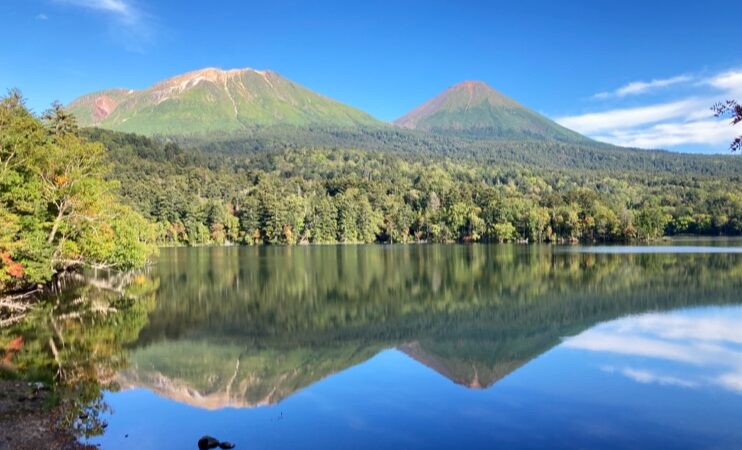
Autumn brings fall foliage, with outer mountain forests turning red and yellow. Late September through early October represents peak foliage season, with views from Bihorō Pass and Tsutsugi Pass proving spectacular. Autumn also favors sea of clouds formation, with dawn observation decks crowded with photographers.
With temperatures around 10-15°C and significant morning/evening chills, fleece or down jackets prove necessary.
Winter (November-March)
Winter Lake Kusharo becomes magical with visiting swans. Swan arrivals begin late November, with overwintering from December through March. The frozen lake surface sometimes displays “omiwatari” (ice ridge phenomena).
Temperatures often drop below -10°C, requiring thorough cold protection. Wear down jackets, thick gloves, hats, and insulated boots. Carry hand warmers. Frozen road surfaces demand non-slip footwear as essential.
Notes and Etiquette for Lake Kusharo Tourism
Natural Environment Protection
Lake Kusharo lies within Akan Mashu National Park, protecting precious natural environments. Always dispose of garbage properly, refrain from plant collection or animal feeding. At hot spring areas particularly, removing metal accessories prevents corrosion from sulfur components.
Wildlife Encounters
The Lake Kusharo area hosts Ezo deer, Arctic foxes, and brown bears. Bears especially require attention—hiking and trekking demand bear bells and group hiking. Upon encountering wildlife, maintain quiet distance without feeding or approaching.
Winter Safety Measures
Winter brings frozen roads and blizzard visibility issues. Drive carefully—winter tires are mandatory. During outdoor winter activities, guard against hypothermia with frequent warming breaks.
When walking on frozen lake surfaces, verify ice thickness and conditions, avoiding dangerous areas.
Hot Spring Etiquette
When using free open-air baths, remain considerate of surroundings. When changing facilities are absent, wear towels or swimwear as befits public spaces. Always verify hot spring temperature by hand before bathing.
Conclusion | Experience Hokkaido’s Grand Nature at Lake Kusharo Shores
Lake Kusharo shores captivate visitors through their overwhelming scale as Japan’s largest caldera lake, combined with abundant rustic hot springs scattered along the shore, spectacular scenic views throughout the seasons, and diverse activities. Experiences unique to Lake Kusharo include morning sea of clouds from Bihorō Pass and Tsutsugi Pass, beach hot spring digging at Sunayutsu, lake exploration by canoe, and winter swan observation.
Additionally, surrounding attractions like Lake Mashu, Lake Akan, Sulfur Mountain, and Kushiro Wetlands scatter throughout eastern Hokkaido, warranting several days of exploration.
Why not spend special Hokkaido time cradled by majestic nature at Lake Kusharo shores? Offering distinct seasonal charms, Lake Kusharo provides new discoveries and inspiration with each visit.