Ani Gondola Complete Guide|A Spectacular Aerial Walk in Akita Prefecture and How to Enjoy the Four Seasons
The Ani Gondola located in Kita-Akita City, Akita Prefecture, is a popular tourist destination where you can enjoy the magnificent nature of Mori-Yoshiyama from the air. This gondola offers an approximately 20-minute aerial walk to near the summit of Mori-Yoshiyama at an elevation of 1,167 meters, providing beautiful scenery throughout the four seasons and is loved by many tourists and hiking enthusiasts.
This article provides detailed information about the Ani Gondola, from basic information to seasonal activities, access methods, and surrounding tourist spots—everything you should know before your visit.
What is the Ani Gondola? The Charm of Mori-Yoshiyama
The Ani Gondola is a mountain gondola installed at the Mori-Yoshiyama Ani Ski Resort in Kita-Akita City, Akita Prefecture. Officially known as the “Mori-Yoshiyama Ani Gondola,” it operates as a ski lift during winter and as a sightseeing gondola during the green season.
Characteristics of Mori-Yoshiyama
Mori-Yoshiyama is one of Japan’s “Hundred Famous Mountains for Flowers” and is a representative mountain of Akita Prefecture. This mountain, with an elevation of 1,454 meters, is blessed with abundant alpine plants and primeval forests, and from the summit you can see at a glance famous peaks of northeastern Japan such as Chōkaisan, Iwakisan, and Hachimantai.
By using the Ani Gondola, even hiking beginners can easily reach the summit station at an elevation of 1,167 meters, and from there it takes approximately one hour of trekking to reach the summit.
Basic Information about the Ani Gondola
Operating Periods and Hours
The Ani Gondola operates during different periods depending on the season.
Green Season (Spring to Autumn)
- Operating period: Typically early June to early November
- Operating hours: 9:00–16:00 (Last ascent at 15:30)
- May change depending on weather and snow conditions
Winter Season (Winter)
- Operating period: Typically late December to late March
- Operating hours: 8:30–16:00
- Follows the ski resort’s operating days
※We recommend confirming the latest operating information on the official website or by phone.
Fares
Round-trip fares
- Adult: 1,800 yen
- Child (elementary school): 900 yen
- Preschoolers: Free
One-way fares
- Adult: 1,200 yen
- Child: 600 yen
Ticket booklets and season passes
Ticket booklets and season passes for repeat visitors are also available and offer good value for frequent visitors.
Gondola Specifications
- Total length: 3,350 meters
- Elevation gain: Approximately 600 meters
- Travel time: Approximately 20 minutes
- Gondola capacity: 6 people
- Operating speed: 5 meters per second
Enjoying the Ani Gondola Throughout the Four Seasons
The greatest charm of the Ani Gondola is the ability to experience the nature of Mori-Yoshiyama, which displays a different character with each season.
Spring (June–July): A Treasury of Alpine Plants
From spring to early summer, Mori-Yoshiyama becomes a paradise of alpine plants that begin to bloom all at once with the snowmelt.
Highlights
- Large colonies of Japanese false hellebore
- Alpine plants such as Japanese bistorta and Japanese false azalea
- Contrast of remaining snow and fresh greenery
- Fresh green foliage of beech trees
From late June to early July, Japanese false hellebore colors the area near the summit yellow, creating a spectacular view worthy of the name “Hundred Famous Mountains for Flowers.”
Summer (July–August): Refreshing High Plateau Trekking
Summer on Mori-Yoshiyama is charming for its cool alpine climate that makes you forget the heat of the lowlands.
Ways to enjoy
- Trekking to the summit
- Observation of alpine plants
- Bird watching
- Forest bathing
From the Ani Gondola summit station to the Mori-Yoshiyama summit, there is a well-maintained trail, allowing even beginners to safely enjoy trekking. The 360-degree panoramic view from the summit is spectacular.
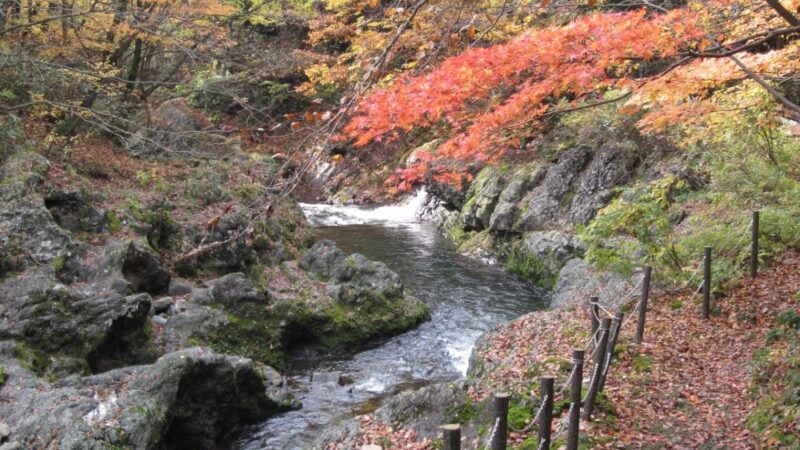
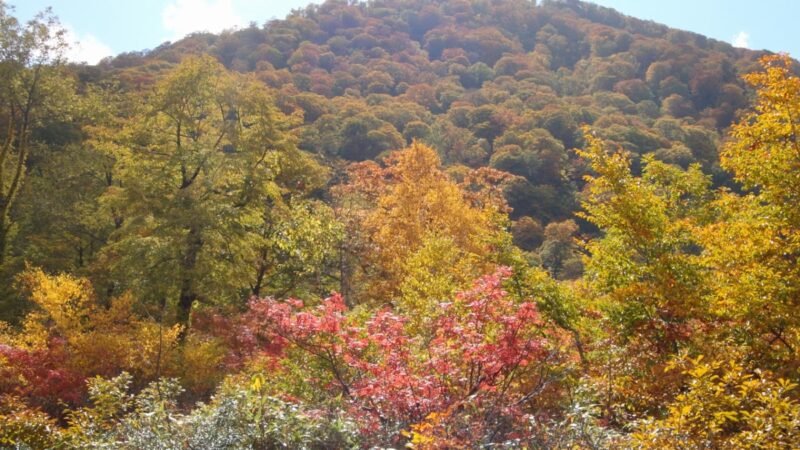
Autumn (September–November): Spectacular Fall Foliage
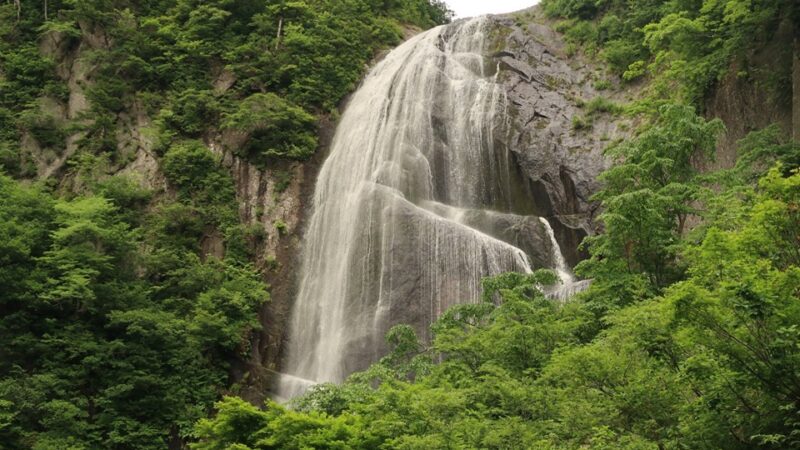
In autumn, the Ani Gondola is visited by many tourists as one of northeastern Japan’s premier autumn foliage viewing spots.
Peak foliage seasons
- Near the summit: Late September to early October
- Midslope: Early October to mid-October
- Mountain base: Mid-October to late October
Due to the elevation difference, fall foliage can be enjoyed for approximately one month. From the gondola, you can look down upon a colorful carpet of foliage woven by beech, mountain ash, and maple trees.
Tips for autumn foliage season
- Early morning is relatively uncrowded
- Weekends are crowded; weekdays are recommended
- On clear days, you can see as far as the Sea of Japan
Winter (December–March): Rime and Snowy Landscape
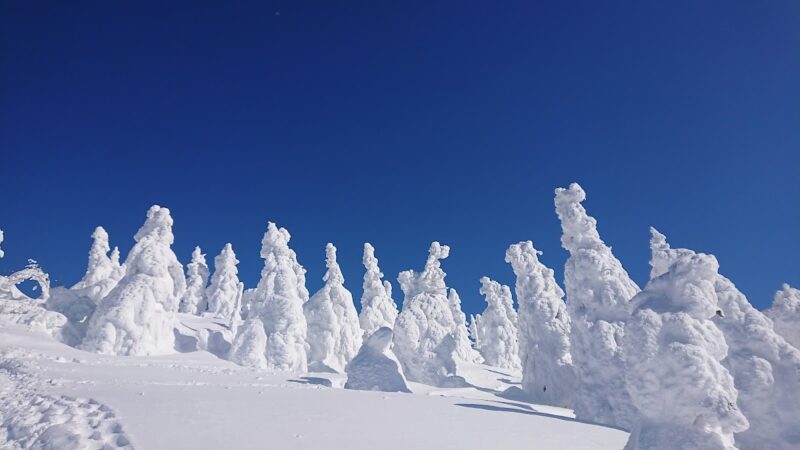
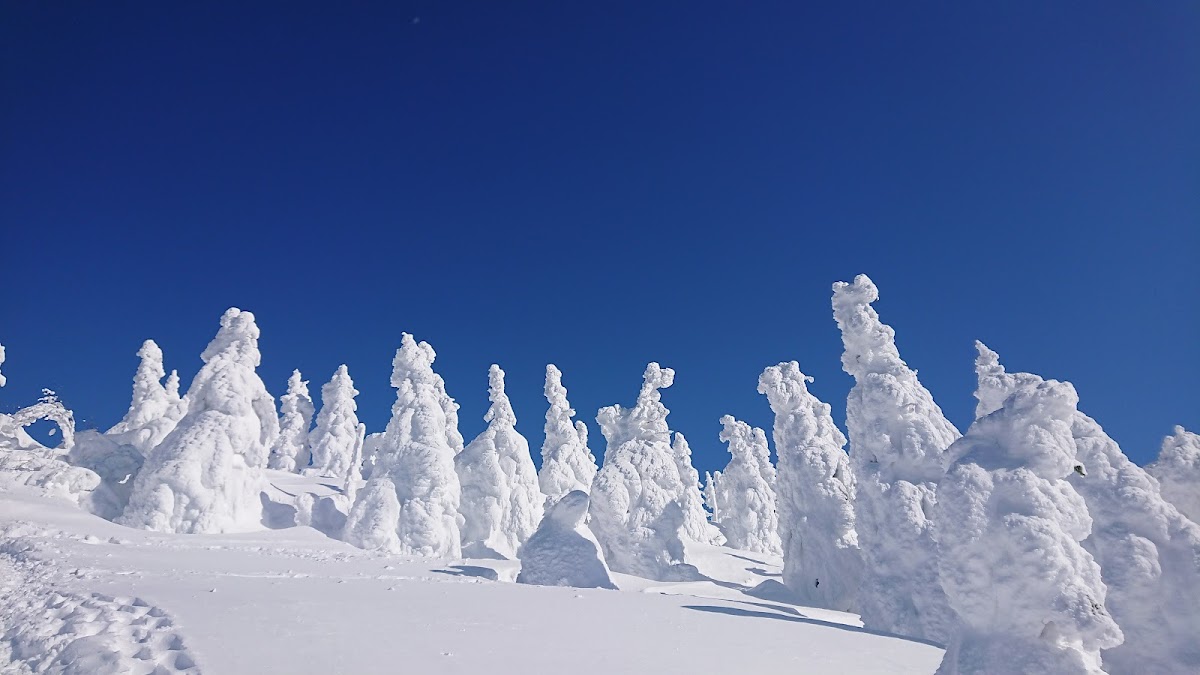
In winter, Mori-Yoshiyama reveals a fantastical landscape known as “Northeastern Japan’s rime.”
Winter highlights
- Rime (ice monsters)
- Pure white snowy landscape
- Skiing and snowboarding
- Snowshoe trekking
Mori-Yoshiyama’s rime is known for its scale and beauty second only to Zao. Particularly from late January to February, you can see magnificent rime formations when weather conditions align.
Access Methods
Access by Car
From Tokyo
- Approximately 40 minutes (approximately 30 km) from “Takasugi IC” on the Tohoku Expressway
- Travel time: Approximately 6 hours (from Tokyo)
From within Akita City
- Approximately 1 hour 30 minutes (approximately 70 km) via National Routes 7 and 105
Parking
- Free parking: Accommodates approximately 300 vehicles
- In winter, roads are cleared, but studless tires are essential
Access by Public Transportation
Train and Bus
- Get off at “Takanosu Station” on the JR Ou Main Line
- Take the Akihoku Bus to “Anikago” for approximately 45 minutes
- Approximately 20 minutes by taxi
Notes
- Public transportation has limited frequency, so please confirm the timetable in advance
- During the green season, temporary buses may operate
Tips for Enjoying the Ani Gondola
Clothing and Items to Bring
Basic clothing
- A jacket is essential, as the temperature near the summit is 5–10 degrees Celsius lower than in the lowlands
- Easy-to-move-in clothing
- Comfortable walking shoes (hiking shoes are best)
Items to bring checklist
- Beverages
- Sunscreen and hat (summer season)
- Rain gear (folding umbrella or rain jacket)
- Camera
- Binoculars (for bird watching and enjoying the scenery)
- Snacks (if trekking)
Photography Spots
From within the gondola
- Forest spreading below as you ascend
- Colorful mountain slopes during autumn foliage season
- Rime formations (winter season)
Near the summit station
- Panoramic view from the observation deck
- Close-ups of alpine plants
- Distant mountains
At the summit
- 360-degree grand panorama
- Summit marker
- Sea of clouds (early morning, if conditions are right)
Estimated Time Required
Gondola use only
- Round trip approximately 1–1.5 hours (including time spent at the summit station)
Trekking to the summit
- Round trip approximately 3–4 hours (including gondola travel time)
Nearby Tourist Attractions
When visiting the Ani Gondola, we recommend also enjoying nearby attractions.
Uchiatsu Hot Spring Mataginoyu
A day-use hot spring facility located approximately 15 minutes by car from the gondola. It is ideal for relaxing your tired body after hiking or trekking.
- Spring quality: Sodium chloride spring
- Operating hours: 10:00–21:00
- Admission: Adult 500 yen, Child 250 yen
Ani Matagi Museum
A museum where you can learn about “Matagi,” a traditional hunting culture of Akita. Valuable hunting tools and materials are on display.
Taihei Lake
An artificial lake formed by the Mori-Yoshiyama Dam, offering beautiful scenery during the fresh greenery and autumn foliage seasons. Lake excursions are also available.
Bear Farm
Akita Prefecture’s only bear farm where you can observe Asian black bears up close. It is popular with families with children.
Precautions When Using the Ani Gondola
Suspension Due to Weather
The gondola may be closed during bad weather such as strong winds, lightning, or heavy fog. Please note the following in particular:
- Operation may be suspended if wind speed exceeds 10 meters per second
- Operations will stop immediately if lightning occurs
- If the weather is unstable, check the operating status in advance
High-Altitude Sickness Precautions
Although the elevation of 1,167 meters is relatively low, caution is necessary for those in poor health or those with heart conditions.
Encounters with Wildlife
Wild animals, including Asian black bears, inhabit the Mori-Yoshiyama area.
- Carry a bear bell
- Avoid traveling alone
- Be careful with food management
- Extra caution is necessary in early morning and evening
Submission of Climbing Reports
When trekking to the summit, submission of a climbing report is recommended. A climbing report box is installed at the summit station.
History of the Ani Gondola
The Ani Gondola was installed along with the development of Mori-Yoshiyama Ani Ski Resort. Initially, its main purpose was to transport ski guests, but with the growing demand for green season tourism, it transitioned to year-round operation (winter and green season).
In recent years, it has been positioned as an important tourism resource for Akita Prefecture, and many tourists from within and outside the prefecture visit particularly during autumn foliage season.
Regional Cooperation and Environmental Protection
On Mori-Yoshiyama, local residents and related organizations cooperate to protect the natural environment.
Trail Maintenance
Hiking trails are periodically maintained and repaired to ensure safe and comfortable trekking.
Protection of Alpine Plants
To protect valuable alpine plants, restrictions on entry outside designated trails and awareness activities are conducted. Visitors are required to stay on the designated trail and not harvest plants.
Garbage Take-Back Movement
Based on the principle of “carry out what you carry in,” efforts are underway to preserve the beautiful natural environment.
Nearby Accommodations
Various types of accommodation are available near the Ani Gondola.
Hot Spring Inns and Hotels
- Inns near Uchiatsu Hot Spring
- Accommodations at Anikago Hot Spring
- Guesthouses around Mori-Yoshiyama
Campgrounds
- Campground near Mori-Yoshiyama Wildlife Center
- Camping sites near Taihei Lake
In summer, camping while enjoying an early morning gondola ride is a popular plan.
Annual Events
Various events are held at Mori-Yoshiyama and the Ani Gondola by season.
Mori-Yoshiyama Flower Festival (June–July)
Held during the alpine plant blooming season, guided trekking tours and other activities are organized.
Autumn Foliage Festival (October)
Special events and local craft fairs are held during peak foliage season.
Rime Viewing Tour (January–February)
A winter-only rime viewing tour is popular. Night tours featuring illuminated rime formations are sometimes held.
Conclusion: Enjoy Akita’s Great Nature at the Ani Gondola
The Ani Gondola in Kita-Akita City, Akita Prefecture, is a premier tourist destination in northeastern Japan where you can easily enjoy the beautiful nature of the four seasons.
From spring’s alpine plants, summer’s refreshing high plateau, autumn’s spectacular fall foliage, to winter’s fantastical rime formations, Mori-Yoshiyama displays a completely different face depending on when you visit. You can savor the mountain’s charm during an approximately 20-minute aerial walk.
While car access is convenient, it is also possible to visit by public transportation. The surrounding area is well-equipped with hot springs and attractions, allowing you to enjoy the area leisurely over a full day.
From beginners to experienced hikers, everyone can find a way to enjoy the Ani Gondola suited to their level. You can be satisfied simply riding the gondola to the summit station and enjoying the views, or you can take on the additional challenge of trekking to the summit.
When visiting Akita Prefecture, be sure to experience the magnificent nature of Mori-Yoshiyama at the Ani Gondola. It is sure to become an unforgettable memory.
Before your visit, check the latest operating information and weather forecast, and make sure to dress appropriately and bring proper equipment to ensure a safe and enjoyable experience.