Shirakami Mountains and Sobari Lake Area, Akita Prefecture Complete Guide | Sightseeing, Access, Autumn Leaves, Activity Information
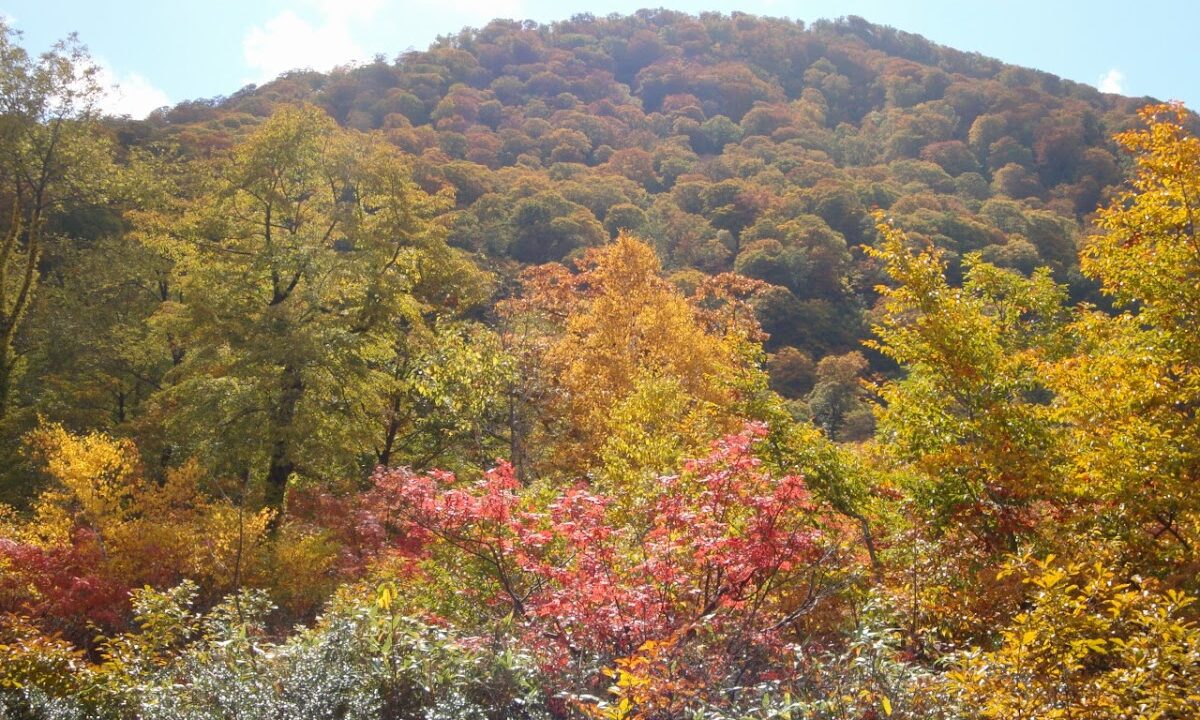
Located in the northwestern part of Akita Prefecture, Sobari Lake is known as an important gateway to the Shirakami Mountains, a UNESCO World Natural Heritage site, from the Akita side. Sobari Lake, developed as a reservoir dam, and the surrounding Sobari Park area are natural, richly scenic areas surrounded by pristine beech forests, offering diverse attractions throughout the four seasons. This article provides comprehensive information about attractions around Sobari Lake, access methods, autumn foliage information, activities, and nearby facilities—everything you should know before visiting.
Overview of the Shirakami Mountains and Sobari Lake
Shirakami Mountains: A UNESCO World Natural Heritage Site
The Shirakami Mountains are a vast mountainous region spanning approximately 130,000 hectares across northwestern Akita Prefecture and southwestern Aomori Prefecture. Of this area, 16,971 hectares in the central region were registered as Japan’s first UNESCO World Natural Heritage site in December 1993, along with Yakushima Island.
The defining characteristic of the Shirakami Mountains is the distribution of East Asia’s largest primordial beech forest, which has been minimally affected by human activity. Diverse flora and fauna inhabit this area, maintaining a precious ecosystem. The World Heritage-designated area is divided into “core areas” and “buffer zones,” and while entry into the core area requires permission, hiking and trekking can be enjoyed in the buffer zones.
Characteristics and History of Sobari Lake
Sobari Lake is a reservoir dam created by damming the Kasugekedake River, located in Fujisato Town, Akita Prefecture. Its official name is “Sobari Dam,” completed in 1965. Built for flood control and hydroelectric power generation, the lake now serves as the primary access point to the Shirakami Mountains from the Akita side and is enjoyed by many as a recreational area for experiencing nature.
The surrounding area is developed as a national recreation area, with various facilities arranged throughout Sobari Park. The landscape of broadleaf trees and Akita cedar spreading through beautiful valleys provides seasonal natural beauty to visitors. Particularly during autumn foliage season, the vibrant autumn leaves reflected on the lake surface create a spectacular sight.
Attractions and Activities in Sobari Park
Introduction to Sobari Park Facilities
Sobari Park is a comprehensive recreational facility developed alongside Sobari Lake. It is equipped to accommodate a wide range of visitors, from families to outdoor enthusiasts.
Main facilities:
- Campground: Located on the lakeside, the campground offers tent sites and bungalows for outdoor experiences in abundant nature.
- Play area: Features play equipment popular with families.
- Fun bicycles: An area where unique-shaped bicycles can be enjoyed by both children and adults.
- Workation facilities: Recently developed facilities providing environments for remote work in nature.
- Walking trails: Walking trails around the lake allow leisurely nature appreciation.
Activities and Experience Programs
Various activities can be enjoyed around Sobari Lake. Experience programs that allow visitors to experience the magnificent nature of the Shirakami Mountains are abundant, and can be selected according to visit season and purpose.
Popular activities:
- Canoe and kayak experiences: Canoeing and kayaking on the calm lake surface are safe and enjoyable even for beginners. The views of surrounding mountains from the lake are exceptional.
- Fishing: Fishing is popular at Sobari Lake, with char and stream trout known to be caught.
- Hiking and trekking: Multiple hiking courses are maintained in the surrounding area, allowing close experience of the Shirakami Mountains’ nature.
- Nature observation: Guided nature tours include bird watching and plant observation in beech forests.
- Winter activities: Winter allows snowshoeing and cross-country skiing against snowy landscapes.
Autumn Foliage Information Around Sobari Lake
Best Viewing Time and Characteristics
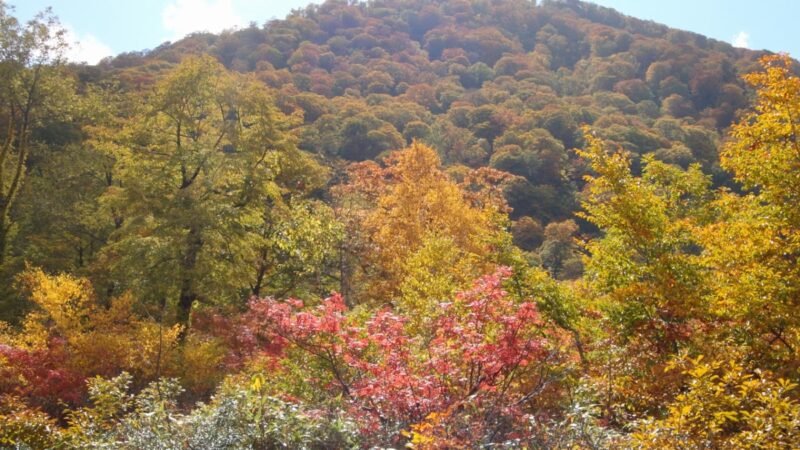
Sobari Lake’s surroundings are known as one of Akita Prefecture’s finest autumn foliage spots. The relatively high altitude and significant temperature differences between morning and evening create vibrant colors.
Foliage viewing period:
- Color beginning: Early to mid-October
- Peak season: Mid to late October
- End of foliage: Early November
Typically, from mid-October, cherry, maple, and katsura trees begin coloring, with late October offering the most beautiful foliage. The autumn leaves reflected on the lake, called “inverted foliage,” are popular with photographers, with early mornings on calm, clear days offering optimal photography timing.
Major foliage tree species:
- Beech (yellow to yellowish-brown)
- Maple varieties (red)
- Cherry (red to orange)
- Katsura (yellow)
- Rowan (red)
- Contrast with Akita cedar green
Ways to Enjoy Autumn Foliage and Best Spots
Recommended spots and methods for enjoying autumn foliage around Sobari Lake are introduced here.
Recommended foliage spots:
- Lake-side observation platform: The observation platform within Sobari Park offers panoramic views of the lake and autumn foliage.
- Dam embankment area: The view overlooking foliage and the lake from the dam embankment is impressive.
- Along walking trails: Walking trails around the lake allow close observation of autumn foliage.
- Campground area: Camping while enjoying foliage is possible, with nighttime collaboration of stars and foliage visible.
Expected busy times:
During peak foliage season, particularly mid to late October weekends, many tourists visit. Times with relatively less congestion are early morning (7:00-9:00) and evening (4:00 PM onward). Early morning offers good lighting conditions, ideal for photography. Weekdays are less crowded than weekends, allowing leisurely foliage appreciation.
Other Autumn Foliage and Sightseeing Spots Around the Shirakami Mountains
Takudai Natural Observation Education Forest Autumn Foliage
Located about 30 minutes by car from Sobari Lake, Takudai Natural Observation Education Forest is a popular spot for experiencing the Shirakami Mountains’ primordial beech forest easily. Massive beech trees over 400 years old dot the area, and foliage can be enjoyed while walking maintained wooden boardwalks.
Takudai’s foliage begins slightly earlier than Sobari Lake, with early to mid-October as the best viewing time. The golden-hued beech forest foliage represents a spectacular sight unique to the Shirakami Mountains. The walking course takes approximately one hour with relatively flat terrain, recommended for families.
Masegawa Gorge and Taratakyo Gorge
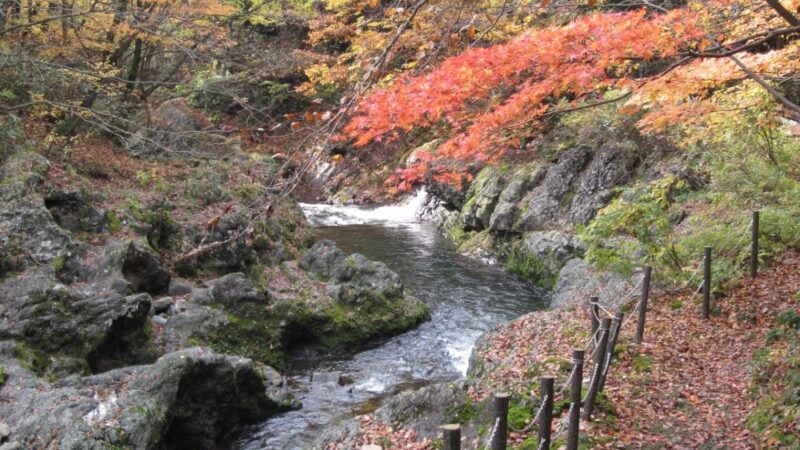
Masegawa Gorge is located in southern Fujisato Town, offering beautiful scenery combining the Shirakami Mountains’ clear streams and autumn foliage. Maintained pedestrian paths along the stream make foliage walking popular while hearing water sounds.
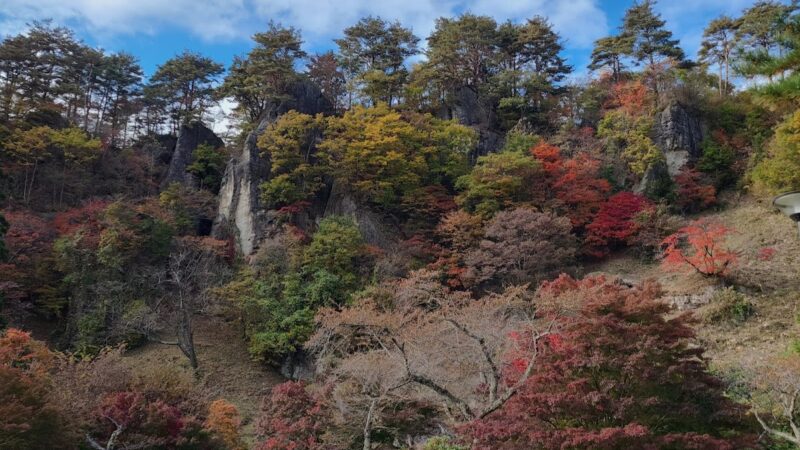
Taratakyo Gorge is a gorge in northern Fujisato Town where the contrast between unusual rock formations and autumn foliage is striking. The view from “Kumakera Bridge” in particular is known as spectacular.
Futatsumori and Koake
Futatsumori (elevation 1,086m), located in the Shirakami Mountains’ buffer zone, is popular as Akita Prefecture’s only mountain from which the World Heritage core area can be viewed. Accessible from Sobari Lake via forest roads, the summit offers vast panoramic views of the World Heritage core area and extending to the Japan Sea.
Koake, also in the buffer zone, is recommended for those seeking more serious mountaineering. Requiring approximately one hour approach via forest road from Sobari Dam Park, it offers mountaineering experiences in pristine natural environments.
Access Information
Access by Car
Car access to Sobari Lake is most convenient. Public transportation is limited, so rental car use is recommended.
Access from major cities:
- From Akita City: Approximately 90km, about 2 hours by car
- About 40 minutes via Akita Expressway “Futatsui-Shirakami IC,” National Route 7, and Prefectural Route 317
- From Odate City: Approximately 50km, about 1 hour 15 minutes by car
- Heading north on National Route 7 via Prefectural Route 317
- From Hirosaki City: Approximately 70km, about 1 hour 30 minutes by car
- Heading south on National Route 7 via Prefectural Route 317
Navigation settings:
Set the destination as “Sobari Park” or “Sobari Dam.” The address is “Fujisato Town, Yamamoto County, Akita Prefecture, Kasugekedake Shikanosetai National Forest.”
Access by Public Transportation
Using public transportation requires bus or taxi from the nearest station.
Train and bus:
- Get off at JR Ou Main Line “Futatsui Station”
- From the station, take Fujisato Town bus to “Fujisato Town Hall” for approximately 30 minutes
- Take a taxi from Fujisato Town Hall to Sobari Lake for approximately 20 minutes (about 15km)
※Bus frequency is limited; advance timetable confirmation is necessary.
※Temporary buses from Fujisato toward Sobari Lake may operate during peak seasons.
Parking Information
Multiple free parking areas are developed at Sobari Park.
- Capacity: Approximately 100 spaces (combined multiple parking areas)
- Fee: Free
- Hours: 24 hours (no nighttime lighting)
- Notes: Early arrival recommended due to weekend congestion during foliage season.
Nearby Facilities and Accommodation Information
Hot Spring Facilities
After enjoying tourism around Sobari Lake, relaxation at nearby hot springs is recommended.
Hot springs in Fujisato Town:
- Yutoria Fujisato
- About 20 minutes by car from Sobari Lake
- Municipal hot spring facility allowing day-use bathing
- Large bath, open-air bath, sauna complete
- Restaurant using local ingredients also available
- Fujisato Komagatake Hot Spring
- Located at the foot of the Shirakami Mountains
- Overnight accommodation available
Hot springs in surrounding areas:
- Toward Noshiro City: Noshiro Hot Spring, Hinokiyama Hot Spring, etc.
- Toward Yamori: Yamori Hot Spring YumerOn (about 40 minutes by car)
Accommodation Facilities
Accommodation options around Sobari Lake are introduced here.
Within Sobari Park:
- Sobari Park Campground
- Tent sites, bungalows
- Reservation required (early advance booking recommended for summer/foliage season)
- Camping equipment rentals available
Within Fujisato Town:
- Several inns and pensions
- Business hotels
Within Noshiro City:
- About 40 minutes by car from Sobari Lake
- Multiple business hotels, city hotels
- Abundant accommodation options
Dining Facilities and Local Products
Within Sobari Park:
- Shop/light meal corner (limited seasonal operation)
- Vending machines
Within Fujisato Town:
Local cuisine using local ingredients can be enjoyed in Fujisato Town. Particularly recommended are Akita regional dishes, mountain vegetable cuisine, and kiritanpo.
Local products:
- Natural water from the Shirakami Mountains
- Mountain vegetable processed goods
- Shirakami miso
- Akita cedar crafts
- Honey
At roadside station “Fujisato,” local fresh agricultural products and specialty items can be purchased.
Seasonal Enjoyment Methods
Spring (April-June)
With snowmelt, spring arrives in the Shirakami Mountains. The fresh green beech forest is known as a “green tunnel,” with pale green young leaves beautiful this season.
- Mountain vegetable picking: Experience safe wild vegetable picking with local guide accompaniment
- Bird watching: Migratory and summer bird observation season
- Remaining snow trekking: Remaining snow enjoyable until around May
Summer (July-August)
An ideal summer refuge season. High elevation keeps the area cool and comfortable even in midsummer heat.
- Camping: Camping under starry skies
- Canoeing and kayaking: Water sports on the lake
- Insect observation: Observation of beetles, stag beetles, and others
- Mountaineering: Hiking season for Futatsumori and Koake
Autumn (September-November)
The most popular season, with autumn foliage taking center stage.
- Foliage viewing: Lake-side walking or viewing platform enjoyment
- Photography: Foliage and lake collaboration
- Mushroom observation: Various mushrooms visible (expert accompaniment recommended for picking)
- Autumn flavors: Enjoying local autumn delicacies
Winter (December-March)
A snow-covered world of silence unfolds. While some facilities close seasonally, winter offers unique attractions.
- Snowshoeing: Snow-based walking
- Cross-country skiing: Maintained courses available
- Winter animal observation: Footprint observation of Japanese serows, wild rabbits
- Tree rime/rime observation: Winter-unique natural phenomena
Precautions and Etiquette When Visiting
Etiquette in World Natural Heritage Areas
The Shirakami Mountains are a World Natural Heritage site, making adherence to etiquette for protecting precious natural environments essential.
Basic etiquette:
- Always take trash with you: Essential for natural environment protection
- Do not collect plants or animals: Observe only; do not take home
- Walk only on designated paths: Avoid leaving maintained trails to protect vegetation
- Do not feed wild animals: Prevents ecosystem impacts
- Use fire cautiously: Never use fire outside designated areas
Safety Precautions for Enjoyment
Clothing and equipment:
- Comfortable, practical clothing and walking shoes (trekking shoes recommended)
- Season-appropriate warm clothing and rain gear
- Hat, sunscreen
- Drinking water, snacks
- Bear bells (bear precautions)
- Maps, compass, smartphone (note dead zones)
Bear precautions:
The Shirakami Mountains area is a habitat of Asian black bears. Always implement the following precautions.
- Carry items making noise, such as bear bells or radios
- Avoid solo hiking in early morning/evening
- Thoroughly manage food
- Confirm bear sighting information beforehand
- In case of encounter, calmly and quietly retreat
Weather confirmation:
Mountain areas experience changeable weather; particularly autumn through spring requires attention to sudden deterioration. Check weather forecasts in advance, and do not hesitate to modify plans during poor weather.
Entry Permits
Entry to the Shirakami Mountains’ core area requires advance permit application. General tourist spots around Sobari Lake or in buffer zones do not require permits, but serious mountaineering or remote area access planning requires prior confirmation.
Inquiry contacts:
- Fujisato Town Hall Tourism Department
- Shirakami Mountains World Heritage Center (Fujisato Museum)
- Tohoku Forest Management Bureau
Event Information
Various events are held year-round around Sobari Lake.
Regular Events
Shirakami Mountains Beech Forest Walk
- Schedule: Weekends May-October
- Content: Guided beech forest walking tours
- Registration: Advance reservation required
Sobari Lake Canoe Experience Meeting
- Schedule: June-September
- Content: Beginner-friendly canoe/kayak experiences
- Registration: Day-of registration possible (cancellation possible for weather)
Autumn Foliage Festival
- Schedule: Mid to late October
- Content: Local specialty sales, traditional arts performances
- Location: Within Sobari Park
Snowshoe Walk
- Schedule: January-March
- Content: Winter Shirakami Mountains walking tours
- Registration: Advance reservation required
Methods for Checking Latest Event Information
Event information may change seasonally. Latest information can be confirmed at:
- Fujisato Tourism Association official website
- Shirakami Mountains World Heritage Center (Fujisato Museum)
- Akita Prefecture Tourism Information Guide “Akita Fan”
Nearby Sightseeing Spots
When visiting Sobari Lake, consider stopping at these nearby spots.
Shirakami Mountains World Heritage Center (Fujisato Museum)
Located about 20 minutes by car from Sobari Lake, this information hub displays information about the Shirakami Mountains’ nature, history, and culture, and provides latest mountaineering path and event information. Visiting before your trip provides deeper understanding of the Shirakami Mountains.
Fujisato Komagatake
This 1,158-meter mountain is popular for being relatively easy to climb. The summit offers spectacular panoramic views extending to the Japan Sea across the Shirakami Mountains. The trailhead is about 30 minutes by car from Sobari Lake.
Kasugekedake Gorge
Located upstream of Sobari Lake, this beautiful gorge features clear streams and rocky areas. Maintained pedestrian paths along the gorge allow enjoyable walks with negative ion exposure.
Roadside Station Fujisato “Shirakami Museum”
Located along National Route 7 in Fujisato Town, this roadside station offers fresh local agricultural products and specialty items. It is ideal for gathering Shirakami Mountains information and taking breaks. The restaurant offers dishes using local ingredients.
Nature and Ecosystem Around Sobari Lake
Beech Forest Ecosystem
The Shirakami Mountains’ beech forest is a globally precious existence as East Asia’s largest primordial forest. Called the “mother of forests,” beech trees support diverse ecosystems.
Beech trees have high water retention, storing considerable water at their roots, earning them the title “green dam.” Fallen leaves become leaf mold, creating habitats for diverse organisms. Around Sobari Lake too, the benefits of this beech forest create abundant nature.
Fauna
Diverse animals inhabit the Shirakami Mountains area.
Mammals:
- Asian black bears
- Japanese serows (Special Natural Monument)
- Japanese monkeys
- Japanese martens
- Japanese squirrels
Birds:
- Black woodpeckers (National Monument)
- Golden eagles (National Monument)
- Northern goshawks
- Ruddy kingfishers
- Numerous summer and winter birds
Amphibians and reptiles:
- Japanese tree frogs
- Asian giant salamanders
- Yamakagashi snakes
Flora
Diverse plants centered on beech are visible.
Trees:
- Beech (dominant species)
- Mongolian oak
- Japanese maple
- Magnolia hypoleuca
- Akita cedar (artificial forest)
Lower vegetation:
- Chishima bamboo
- Lindera glauca
- Climbing hydrangea
Spring flowers:
- Erythronium japonicum
- Shortia uniflora
- Tofieldia nuda
- Trillium
Conclusion: Making the Most of the Sobari Lake Area
The Sobari Lake area, serving as the Akita Prefecture gateway to the Shirakami Mountains World Natural Heritage site, is a precious spot allowing easy experience of the heritage’s abundant nature. Particularly during the October mid to late autumn foliage season, vibrant leaves reflected on the lake create spectacular sights attracting many tourists.
In Sobari Park, diverse activities including camping, canoeing, and hiking can be enjoyed, satisfying both families and outdoor enthusiasts. Surrounding spots including Takudai Natural Observation Education Forest, Masegawa Gorge, and Futatsumori offer Shirakami Mountains nature experience opportunities, with multi-day exploration recommended.
When visiting, understanding the World Natural Heritage value and maintaining nature-protecting etiquette is essential. Trash removal, plant and animal protection, and designated route adherence represent basic rules to follow while maintaining awareness of preserving this precious nature for future generations.
Also remember the bear habitat, ensuring proper bear precautions including bear bell carrying and avoiding solo hiking. Attention to weather changes and careful planning are keys to safe enjoyment of the Sobari Lake area.
Sobari Lake’s surroundings reveal different faces in each season, offering continuous discoveries despite multiple visits. Through abundant nature, beautiful scenery, and diverse activities, fully experience the magnificence of the Shirakami Mountains. We hope your journey to Akita Prefecture’s pride, the Shirakami Mountains World Natural Heritage site, becomes an unforgettable memory.