Complete Guide to Gekkoukawa Dam Vicinity | Scenic Spots and Tourism Information in Yuza Town, Yamagata Prefecture
Gekkoukawa Dam, located in the mountainous area of Yuza Town in Yamagata Prefecture, is a hidden gem scenic spot where you can enjoy beautiful gorge landscapes of all four seasons with the majestic Mount Chokaisan as a backdrop. While serving as a flood control dam, it has become a popular area attracting many tourists during the seasons of fresh greenery and autumn foliage. This article provides a detailed explanation of the charm of the Gekkoukawa Dam vicinity, access methods, highlights, and surrounding spots.
Gekkoukawa Dam | Yamagata Prefecture’s First Dedicated Flood Control Dam
Dam Overview and History
Gekkoukawa Dam is a dam constructed upstream of Gekkoukawa River, which originates from the beautiful peak of Mount Chokaisan, also called the “Mt. Fuji of Dewa.” Completed in 1978 (Showa 53), it plays an important role as the prefecture’s first “flood control dam” built solely for flood control purposes.
Gekkoukawa is a distinctive river that flows rapidly down steep terrain and enters the Sea of Japan at Fukiura, with its basin encompassing most of Yuza Town. This river has long supported the town’s industries and nurtured regional culture as an important water source.
Structural Characteristics of the Dam
The greatest feature of Gekkoukawa Dam lies in its unique structure. It was constructed as a “composite dam (combined dam)” that combines concrete and rockfill sections, making it the first of its kind in Yamagata Prefecture.
The rockfill section employs asphalt-faced type waterproofing, which when combined with a gravity concrete dam design, realizes efficient flood control functions suited to the topography. This structure, reflecting the ingenuity of predecessors, holds high technical value, attracting the attention of dam enthusiasts.
Since flood adjustment is the primary purpose, the water level during normal conditions is maintained relatively low, and the appearance of the dam lake changes with seasons and rainfall.
Origin of the Name “Minonotsuma”
Gekkoukawa Dam is located at a point where three rivers converge. This geographical feature is the origin of the name “Minonotsuma (three confluences)” found upstream from the dam. The river extending northward continues toward the Minotsumi Gorge, forming a rich water system network in this region.
Scenic Points Around Gekkoukawa Dam
Appreciating the Gorge with Mount Chokaisan as Backdrop from the Bridge Over the Dam
The greatest charm of the Gekkoukawa Dam vicinity is undoubtedly the view from the bridge spanning the dam. From the bridge, you can enjoy a spectacular panoramic view where a deep gorge and mountain slopes in full color unfold against the backdrop of the majestic Mount Chokaisan.
Particularly, Mount Chokaisan appears so close from this viewpoint that it is said to be “within arm’s reach,” and you can sense its powerful presence intimately. On clear days, you can see details of Mount Chokaisan’s snow fields and rock faces, making it an excellent photography spot.
The vista from the bridge presents a different appearance with each season, revealing new discoveries with each visit. Early morning brings a dreamlike landscape enveloped in mist, daytime offers vivid contrast between blue sky and green, and sunset presents a beautiful scene where mountains are dyed golden.
Fresh Greenery Season | Mid-May to Early June
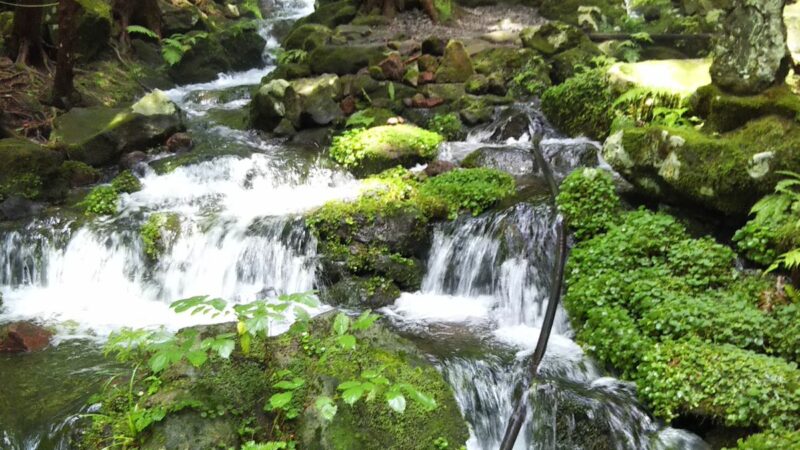
The fresh greenery period from spring through early summer is the season when Gekkoukawa Dam vicinity overflows with vitality. From mid-May through early June, mountainsides are covered with vibrant green, and trees along the gorge bud forth in unison.
During the fresh greenery season, various tree species display different shades of green, creating a landscape like a gradient. The subtle variations of green created by broadleaf trees such as Japanese beech, oak, and maple captivate viewers.
This season also offers mild temperatures, making it ideal for hiking and walks. You can fully enjoy nature in the fresh air, accompanied by the sight of new greenery and the sound of the stream.
Autumn Foliage Season | Mid-October to Early November
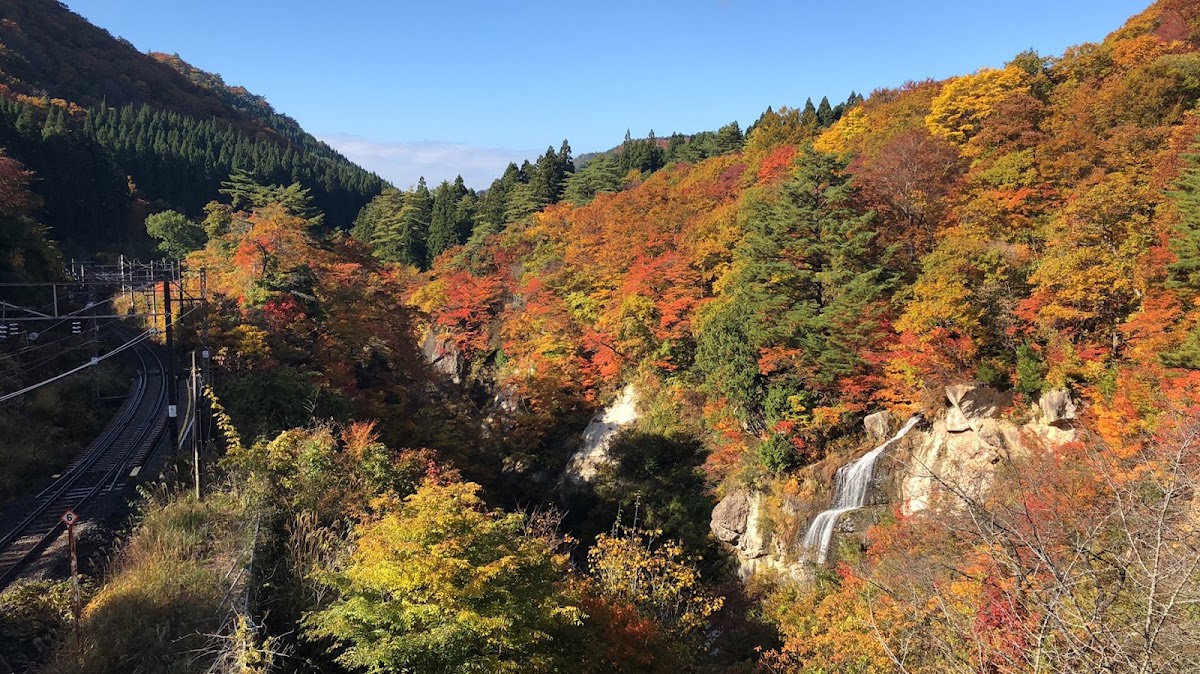
Gekkoukawa Dam vicinity is known as one of Yamagata Prefecture’s premier autumn foliage spots. From mid-October through early November, mountainsides are dyed in blazing reds and yellows, offering a dynamic autumn landscape.
During the foliage season, maples, nannyberries, and Japanese beech create vivid colors, and the entire gorge is enveloped in beauty reminiscent of a brocade painting. Particularly striking is the autumn foliage reflected on the dam lake surface, which has become a popular spot for photography enthusiasts.
In some years, the contrast between Mount Chokaisan’s first snow and autumn foliage can be observed, and the scenery woven by white, red, yellow, and green hues is truly worth seeing. Since the foliage peak varies slightly by year, it is recommended to check with local tourism associations for the latest information before visiting.
Tourist Spots Around Gekkoukawa Dam
Sanyuu | Popular Famous Spring Water Collection Spot
“Sanyuu,” located near Gekkoukawa Dam, is a famous spring water collection spot in the local area. This location, where you can collect groundwater from Mount Chokaisan, attracts many visitors seeking fresh and delicious water.
Sanyuu not only allows water collection but also operates a farm direct sales corner selling fresh local produce and specialty items, known as a “hidden gem direct sales spot.” Vegetables and fruits carefully cultivated by local farmers are available at reasonable prices, beloved by both tourists and locals.
Natural water filtered over many years from Mount Chokaisan’s snowmelt is smooth and pleasant-tasting, and is said to enhance the flavor of tea, coffee, and cooking.
Minotsumi Gorge
North of Gekkoukawa Dam, along the river running in that direction, lies Minotsumi Gorge. This gorge is blessed with abundant nature, and hiking courses are well-maintained along the river.
Various waterfalls of different sizes dot the gorge, allowing you to enjoy the natural beauty created by flowing water. Particularly during fresh greenery and autumn foliage seasons, the gorge beauty stands out, making it a popular spot for nature enthusiasts.
Stream Fishing in Gekkoukawa
Gekkoukawa is also known as a river where stream fishing targeting yamame (landlocked salmon) is possible. Before and after Gekkoukawa Dam, fishing for yamame inhabiting clear streams is available, making it a popular spot for fishing enthusiasts.
Fishing requires a fishing fee, with daily permits costing around 1,000 yen. Fishing must be enjoyed while following fishing regulations and showing consideration for the natural environment.
Mount Chokaisan Tourism
Mount Chokaisan, visible from the Gekkoukawa Dam vicinity, is itself an impressive tourist destination. This independent peak stands 2,236 meters high and is counted among Japan’s One Hundred Famous Mountains.
During climbing season, many mountaineers visit, and the views of the Sea of Japan and Shonai Plain from the summit are spectacular. Additionally, scenic drives like the Chokaisan Blue Line are developed, allowing visitors to reach partway up the mountain by car.
Tourist Spots in Yuza Town
Yuza Town, where Gekkoukawa Dam is located, has various charming tourist attractions scattered throughout.
Maruike-sama is a mysterious pond where Mount Chokaisan’s groundwater springs forth, characterized by beautiful emerald green water. Though a small pond with a diameter of about 20 meters and depth of about 5 meters, its transparency and mystical atmosphere have made it popular as a “power spot.”
Doubara Waterfall is a rare waterfall where cold and warm water flow from a single rock, allowing visitors to experience an unusual natural phenomenon.
Sixteen Rakan Rocks consists of Buddha statues carved into rocks sculpted by the rough waves of the Sea of Japan, offering impressive viewing combined with the coastal landscape.
Access Information and Basic Data
Access by Car
Car access to Gekkoukawa Dam is convenient.
- From JR Yuza Station: approximately 20 minutes by car
- From Sakata City Center: approximately 40 minutes by car
- From Tsuruoka City Center: approximately 60 minutes by car
- From Akita City: approximately 90 minutes by car
Access via National Route 7 and prefectural roads. A parking area is maintained around the dam and available for free use. However, roads may be closed due to snow during winter (December through early April), so advance confirmation is necessary.
Access by Public Transportation
Using public transportation, JR Uetsu Main Line “Yuza Station” is the nearest station. However, since no bus service operates from the station to the dam, taxi use is necessary. From Yuza Station, a taxi ride takes approximately 20 minutes with a fare of around 3,000 yen.
Car rental is available at shops near Yuza Station or in Sakata City.
Basic Information
Address: Fukiura, Yuza Town, Akumi County, Yamagata Prefecture
Hours: Available for viewing 24 hours (however, road closure possible during winter)
Admission: Free
Parking: Available (free)
Inquiries:
- General Incorporated Association Yuza Chokaisan Tourism Association TEL: 0234-72-5666
- Yamagata Sakata River and National Highway Office TEL: 0234-27-3111
Best Season:
- Fresh Greenery: Mid-May to Early June
- Autumn Foliage: Mid-October to Early November
Precautions for Visiting the Gekkoukawa Dam Vicinity
Road Conditions by Season
Roads leading to Gekkoukawa Dam are closed during winter (generally December through early April) due to heavy snow. Spring opening times vary depending on snow conditions, so it is recommended to check with road management authorities or tourism associations before visiting.
During autumn foliage season and spring fresh greenery season, weekends especially see many tourists; visiting early in the day helps secure parking.
Clothing and Supplies
As the area is in mountains, temperatures are lower than in flat areas. Especially early morning and evening can be chilly, so bringing an extra layer is recommended.
For hiking and walks, wear comfortable shoes and bring drinking water and light snacks. Insect repellent spray also makes for a more comfortable visit.
Mobile Phone Signal
As the dam vicinity is in mountains, mobile phone reception can be weak or nonexistent in some areas. In case of emergency, it is recommended to inform family or acquaintances of your visit plans in advance.
Attention to Wildlife
As a nature-rich area, bears, wild boars, and other wildlife inhabit the region. Particularly at dawn and dusk, encounters are more likely; bringing a bear bell, making loud noises while walking, and similar precautions are recommended.
Photography Tips for Gekkoukawa Dam Vicinity
Photography Points
The most popular photography point at Gekkoukawa Dam is the view from the bridge spanning the dam. With Mount Chokaisan as backdrop, the one-glance view of the dam lake and gorge is captivating.
During foliage season, angles looking down from the bridge alone, as well as impressive compositions looking up at the bridge and dam from below the dam, are striking. Also recommended are compositions targeting the reflection of foliage and Mount Chokaisan on the water surface.
Best Times
When morning light illuminates mountainsides (approximately 8:00 to 10:00 AM), Mount Chokaisan shines beautifully and the gorge gains shadows, allowing three-dimensional photography. Afternoon (approximately 4:00 PM to sunset) sees western sun dye mountains golden, enabling dramatic photography. However, sunset times vary by season, so checking in advance is helpful.
Even on cloudy days, soft light embraces the entire gorge, allowing moody and atmospheric photography.
Equipment and Technique
Wide-angle lenses allow capturing the entire dam and surrounding mountains in a single frame. Telephoto lenses suit detailed photography of Mount Chokaisan or cutting particular gorge sections impressively.
Using a tripod enables smooth expression of water flow and blur-free photography even in low light conditions of dawn and dusk. Particularly during foliage season, ND filters enable long-exposure techniques for dreamlike expression.
Nearby Lodging Facilities and Gourmet Information
Lodging Facilities
There are no lodging facilities near Gekkoukawa Dam, so accommodations in Yuza Town city center or Sakata City are typically used.
Lodging in Yuza Town includes hot spring inns and family-run lodges where you can enjoy cuisine using local ingredients. Hot springs fed by Mount Chokaisan’s groundwater are gentle on skin and soothe fatigue.
In Sakata City, options range from business hotels to luxury inns. Many establishments allow you to savor Sea of Japan seafood, making the city a convenient tourism base.
Local Cuisine
Yuza Town and Shonai region are treasure troves of ingredients nurtured by abundant nature.
Rock oysters are summer’s Sea of Japan specialty, featuring large size and creamy flavor. Fresh rock oysters can be savored at eating places near Fukiura Fishing Port.
Dadacha beans are edamame specialty of Shonai region, characterized by unique sweetness and aroma. Peaking from summer through autumn, they can be enjoyed at local direct sales shops and restaurants.
Mountain vegetables from Mount Chokaisan foothills are popular spring flavors. Various vegetable dishes including butterbur sprouts, aralia shoots, and ostrich ferns can be enjoyed seasonally.
Shonai rice is a nationally famous brand rice with varieties such as “Tsuyahime” and “Yukiwakamaru.” Local restaurants offer delicious rice alongside regional cuisine.
Gekkoukawa Dam’s Flood Control Function and Contribution to the Region
Flood Adjustment Function
Gekkoukawa Dam, as a dedicated flood control dam, plays an important role in mitigating flooding damage in the Gekkoukawa basin. Gekkoukawa, which flows rapidly down steep terrain from Mount Chokaisan, tends toward rapid swelling during heavy rains.
The dam temporarily stores water during floods and regulates downstream flow, protecting Yuza Town city center and farmland from flooding. It has demonstrated this function numerous times during heavy rains, contributing significantly to regional safety.
Impact on Regional Industry and Culture
Gekkoukawa has long been an important water source supporting Yuza Town’s industries and culture. It has nourished agriculture through irrigation water for rice cultivation and enriched people’s lives as a domestic water source.
Dam construction reducing flooding damage has enabled stable agricultural management and improved living environments in downstream areas. Additionally, the dam vicinity landscape has become a tourism resource contributing to regional development.
Events and Featured Information
Special Programs During Foliage Season
During foliage season, various tourism events are held in Yuza Town and throughout Shonai region. Local tourism associations distribute foliage spot driving maps and host photo contests.
Model courses efficiently visiting multiple foliage spots in the Mount Chokaisan foothills area including Gekkoukawa Dam vicinity are proposed, allowing visitors to experience multiple scenic points in a single day.
Regional Festivals and Events
Throughout the year, Yuza Town hosts various traditional events and programs.
Chokaisan Daimotsuimori Shrine Festival is held annually in May, a traditional celebration offering a precious opportunity to feel Mount Chokaisan worship history.
Yuza Town Industry Festival brings together local agricultural products and specialties for tasting and sales.
This event information is available on Yuza Chokaisan Tourism Association’s official website and social media.
Model Courses for Enjoying Gekkoukawa Dam Vicinity
Day Trip Course (Required Time: Approximately 5 hours)
8:00 AM: Depart from Yuza Station or Sakata City
8:30 AM: Arrive at Gekkoukawa Dam. Enjoy the view of Mount Chokaisan and gorge from the spanning bridge and take photographs (Stay: approximately 1 hour)
9:30 AM: Collect famous spring water at Sanyuu and shop at the farm direct sales corner (Stay: approximately 30 minutes)
10:30 AM: Walk around Minotsumi Gorge vicinity (Stay: approximately 1 hour)
12:00 PM: Lunch near Yuza Town city center or Fukiura Fishing Port. Savor local seafood and regional cuisine (Stay: approximately 1 hour)
1:30 PM: View Maruike-sama (Stay: approximately 30 minutes)
2:30 PM: View Sixteen Rakan Rocks (Stay: approximately 30 minutes)
3:30 PM: Arrive back at Yuza Station or Sakata City
1-Night 2-Day Course
On day one, follow the day trip course above, visiting Gekkoukawa Dam vicinity and Yuza Town tourist spots. In the evening, stay at a hot spring inn in Yuza Town or Sakata City, enjoying Sea of Japan sunset and local cuisine.
On day two, visiting Mount Chokaisan tourism or other Shonai region attractions (Yamoi Warehouse, Honma Art Museum, Kamo Aquarium, etc.) creates a more fulfilling journey.
Summary
Gekkoukawa Dam vicinity is a captivating tourism area where Yamagata Prefecture’s natural beauty and history converge. With beautiful gorge scenery against majestic Mount Chokaisan, changing seasonal expressions through fresh greenery and foliage, its important flood control role, and various surrounding tourist spots, it brimms with multifaceted charm.
Access is relatively easy, allowing enjoyment through various styles from day trips to 1-night 2-day journeys. Fresh water from the famous spring spot “Sanyuu,” farm direct sales items, local gourmet cuisine, and above all, overwhelming natural scenery will move all who visit deeply.
Gekkoukawa Dam vicinity showcases different appearances each season. Please actually visit and experience its charm. Particularly autumn foliage season from mid-October through early November and fresh greenery season from mid-May through early June are recommended as the times offering the year’s most beautiful scenery.
Confirming weather and road conditions in advance and preparing thoroughly for your visit will make your trip an unforgettable memory.