Takase Gorge Yamagata Prefecture | Complete Guide to Spectacular Trekking Course on the Foothills of Mt. Chokai 2024
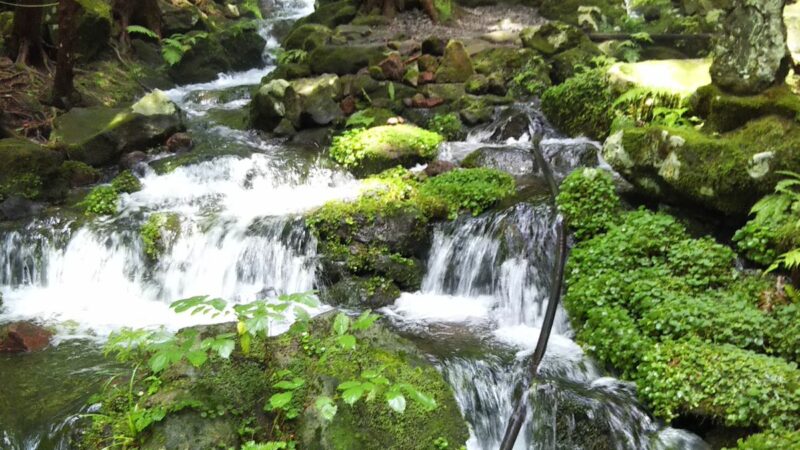
Takase Gorge, located in Yuza Town, Akumi County, Yamagata Prefecture, is a beautiful valley spread across the foothills of Mt. Chokai, one of Japan’s one hundred famous mountains. Spanning the areas of Hinoki Stream, Bababa Stream, and Kara Stream, this region is beloved by both locals and tourists as an accessible trekking course where you can enjoy waterfalls, mountain streams, and abundant forest bathing. Especially during the autumn foliage season, the entire gorge is painted in shades of red and yellow, revealing a breathtaking landscape.
The Appeal of Takase Gorge
The greatest attraction of Takase Gorge is the ability to enjoy the scenery of waterfalls and streams that appear one after another while walking along a well-maintained hiking trail spanning approximately 3.9 km. A round-trip distance of about 2 hours makes it an ideal spot where both beginners and experienced trekkers can enjoy hiking with ease.
The gorge, carved over long years by the Nozawa River originating from Mt. Chokai, presents different faces in each season. Fresh greenery in spring, cool streams in summer, autumn foliage, and winter’s serene snow scenery. The distinctive feature of Takase Gorge is the ability to enjoy completely different landscapes depending on when you visit.
Yamagata Prefecture: A Treasure Trove of Waterfalls
Yamagata Prefecture is known as the prefecture boasting the most waterfalls in Japan. Around Takase Gorge, numerous celebrated waterfalls are scattered, including those counted among the Akumi Three Great Waterfalls. The Takase Gorge trekking course allows you to efficiently tour these waterfalls, making it truly a holy land for waterfall enthusiasts.
Highlights of the Takase Gorge Trekking Course
The Takase Gorge trekking course features several points of interest scattered throughout. Each waterfall and scenic spot has its own character, never failing to captivate visitors.
Kage no Taki (Waterfall in the Shade)
Kage no Taki appears early in the trekking course, an elegant waterfall flowing down between trees. True to its name, its quiet presence in the forest shade is mystical, allowing you to absorb plenty of negative ions. The waterfall basin area is relatively open and makes an ideal rest stop.
Kami no Taki (Upper Waterfall)
Located in the middle of the course, Kami no Taki is characterized by a powerful water flow. The sound of water cascading down while carving away the rocky surface is impressive, allowing you to truly feel the force of nature. The surrounding rocky terrain and vegetation are also impressive, making it a popular spot for photography.
Takase Otaki (Great Takase Waterfall)
Positioned at the end of the hiking trail, Takase Otaki is a straight drop waterfall boasting a height of 20 meters, and is considered the highlight of Takase Gorge. This was once the site of a shugendo (mountain asceticism) practice location, and a sacred atmosphere still lingers today. The power of the waterfall combined with the surrounding landscape leaves a deep impression on all who visit.
Takase Otaki is a waterfall on the main stream of the Nozawa River with abundant water volume. Particularly during the snowmelt season or after rain, the water volume increases, displaying an even more impressive sight. An observation space in front of the waterfall allows you to fully appreciate its beauty.
Stream and Forest Landscape
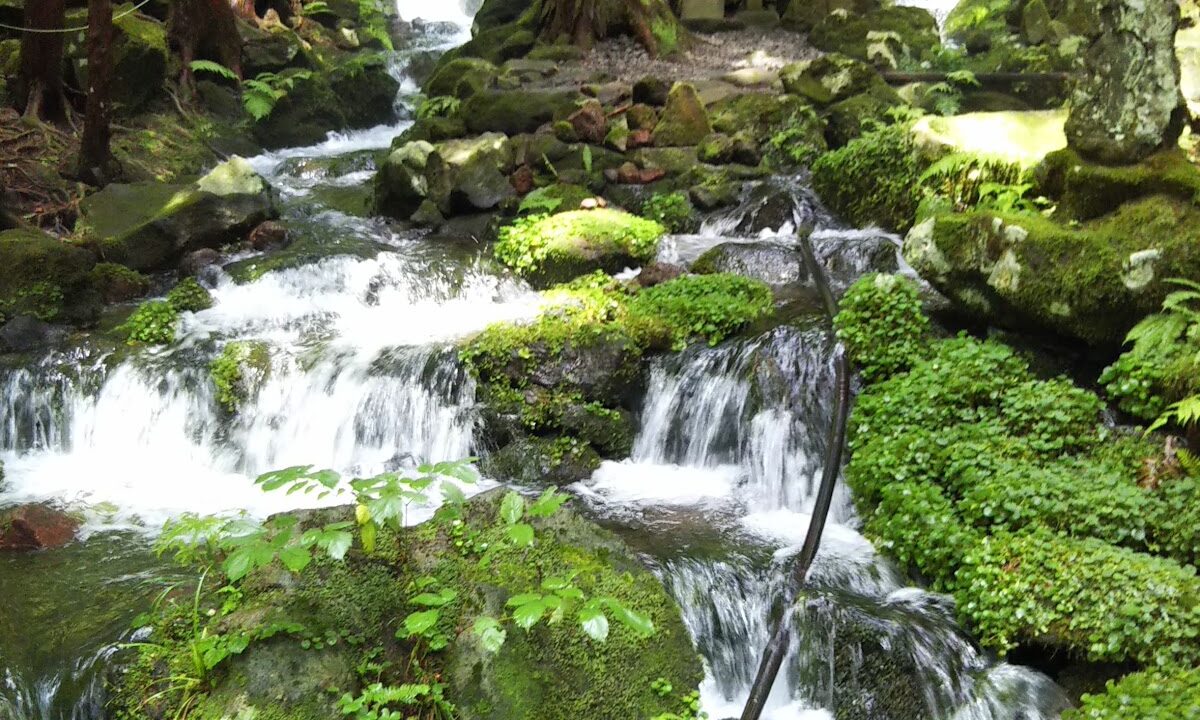
Beyond the waterfalls, the stream and forest landscape enjoyable throughout the entire course is also a major attraction of Takase Gorge. You can engage all five senses with nature—the clear water washing over rocks as it flows, the pleasant feeling of walking through the forest with dappled sunlight, the chirping of birds and the sound of the wind.
Various trees grow along the hiking trail, making it possible to enjoy plant observation as well. Beech and Mongolian oak broadleaf forests spread throughout, and depending on the season, you can see wild alpine flowers.
Takase Gorge During Autumn Foliage Season
Takase Gorge attracts the most tourists during the autumn foliage season. From late October through early November, the entire gorge is painted in red, yellow, and orange, presenting a beauty like a painting created by nature.
Best Foliage Viewing Period
The peak foliage season at Takase Gorge is typically from late October through early November. Depending on elevation and temperature, the timing may vary slightly, but visiting during this period will allow you to enjoy the finest autumn foliage. Beginning from near the summit of Mt. Chokai and gradually descending to the foothills, the foliage front advances, with Takase Gorge transforming beautifully in turn.
During foliage season, events such as “Autumn Foliage Takase Gorge Trekking Bus Tours” organized by the Yuza Chokai Tourism Association may be held. On guided tours, you can gain more profound knowledge of Takase Gorge’s attractions while listening to detailed explanations from locals.
Tips for Foliage Photography
There are several recommended locations for autumn foliage photography at Takase Gorge. First, at locations where you can photograph waterfalls and foliage together, you can capture beautiful photos with striking contrast between the white of the water and the red and yellow of the foliage. The area around Takase Otaki is particularly an excellent photography spot.
Also, don’t miss the foliage reflected in the stream. Where the water surface is calm, foliage reflects like a mirror, creating a mystical scene. Early morning or cloudy days offer softer light, providing better opportunities for beautiful reflections.
How to Access Takase Gorge
Here is detailed information about how to visit Takase Gorge. There are options for both public transportation and private vehicles, so choose according to your travel style.
Access by Public Transportation
JR Uetsu Main Line’s Yuza Station is the nearest station. From Yuza Station, take the town-operated bus heading to Hirono-Niden and arrive at Nagasaka-guchi bus stop in approximately 22 minutes. From there, it takes about 50 minutes on foot to reach the entrance of Takase Gorge.
Since bus frequency is limited, it is recommended to check the schedule in advance. Particularly during high tourist seasons such as autumn foliage season, temporary buses may operate, so check the latest information on the Yuza Chokai Tourism Association website.
Access by Private Vehicle
Private vehicle access is most convenient. From Sakata Minato IC on the Japan Sea East Hokuriku Expressway, it takes approximately 30 minutes, or about 25 minutes from Yuza IC. It is about 20 minutes by car from JR Yuza Station.
A parking lot is equipped near the Takase Gorge entrance and is available free of charge. However, during busy periods such as the foliage season, the lot may be full, so early arrival is recommended. It is just a short distance from the parking lot to the hiking trail entrance.
Address and Basic Information
Address: Nozawa Nagasaka, Yuza Town, Akumi County, Yamagata Prefecture
Inquiries: Yuza Chokai Tourism Association
Phone: 0234-72-5666
Admission: Free
Trekking Duration: Round-trip approximately 2 hours
Preparation and Precautions for Trekking
To safely enjoy trekking at Takase Gorge, confirm advance preparations and precautions.
Clothing and Equipment
While the hiking trail is well-maintained, you will be walking on mountain paths, so appropriate clothing and equipment are necessary.
- Shoes: Wear trekking shoes or non-slip athletic shoes. Sandals or heeled shoes are dangerous.
- Clothing: Wear comfortable clothes and take seasonal cold-weather precautions. Since mountain weather changes quickly, rainwear is reassuring.
- Items to bring: Drinking water, towel, light snacks, insect repellent spray (summer), camera, garbage bag, etc.
Safety Precautions
- Check weather: Always check the weather forecast before departure. The hiking trail becomes slippery during or after rain.
- Time management: While 2 hours round-trip is the estimate, accounting for photography and breaks, allow approximately 3 hours. Leave with enough time to descend before sunset.
- Avoid traveling alone: Travel in groups if possible, and be prepared for emergencies.
- Wildlife: This is an area where wild bears and other animals live. Carry a bear bell and take appropriate precautions.
- Carry out trash: For environmental protection, always take your garbage with you.
Best Seasons and Periods to Avoid
Takase Gorge can be enjoyed from spring through autumn, with each season having its characteristics.
- Spring (May–June): Fresh greenery is beautiful, and waterfalls have abundant water from snowmelt.
- Summer (July–August): Ideal for those seeking cool relief. However, insects are abundant during this period.
- Autumn (October–November): Autumn foliage is beautiful, making this the most popular season.
- Winter: Heavy snow makes the hiking trail impassable. Avoid visiting during winter.
Nearby Tourist Attractions
When visiting Takase Gorge, you can enjoy a more fulfilling trip by also visiting nearby tourist attractions.
Dohara Falls (Doharaki)
Located about 15 minutes by car from Takase Gorge, Dohara Falls is a mysterious waterfall where groundwater from Mt. Chokai surfaces. A rare phenomenon where cold water and warm water spring from a single rock can be observed, making it popular as a power spot. The spring water is drinkable, and many people visit to collect water.
Maruike-sama (The Round Pond)
A mystical emerald green pond formed by spring water from Mt. Chokai’s groundwater flow. Though small at approximately 20 meters in diameter and 5 meters deep, its high transparency and beautiful color enchant visitors. Locally, it is revered as a sacred place.
Tamasudare no Taki (Curtain Falls)
A straight drop waterfall with a height of 63 meters in Masuda, Sakata City, counted among the Akumi Three Great Waterfalls. Located about 30 minutes by car from Takase Gorge, it is known as one of Yamagata Prefecture’s most celebrated waterfalls. It is also famous as a “waterfall viewed from behind” where you can enter behind the cascade.
Juuni Falls (Twelve Falls)
A waterfall with a height of 30 meters in Kitamata, Sakata City, also counted among the Akumi Three Great Waterfalls. The name comes from its twelve steps, and its elegant appearance is characteristic.
First and Second Waterfalls
Located on a separate trekking course from Takase Gorge, these are also among the Akumi Three Great Waterfalls. Each has its own distinctive appearance and is highly regarded by waterfall enthusiasts. If time permits, visiting them along with Takase Gorge is recommended.
Chokai Omonoimi Shrine
An ancient shrine with Mt. Chokai as its object of worship, with multiple shrine buildings at the mountain’s base. Known as a power spot, many visit to pray for climbing safety or as part of sightseeing.
Michi no Eki Chokai Flat
A rest area in Yuza Town where you can purchase fresh local agricultural products and specialty items. There is also a dining facility where you can enjoy dishes made with local ingredients. It is a convenient place to stop before or after Takase Gorge sightseeing.
Accommodations and Cuisine Around Takase Gorge
There are various types of accommodations around Takase Gorge. You can also enjoy local cuisine.
Accommodations
Within Yuza Town and the adjacent Sakata City, there are various accommodation options including hotels, inns, and guest houses. Many hot spring inns are available to soothe a body tired from trekking. There are accommodations where you can enjoy views of Mt. Chokai’s foothills and inns where you can savor fresh seafood from the Sea of Japan, each with its own character.
During high tourism seasons such as autumn foliage season, reservations become difficult to obtain, so early booking is recommended. Using accommodations in Sakata City allows you to also enjoy Sakata sightseeing.
Local Cuisine
The Shonai region is known as a treasure trove of food. Fresh seafood from the Sea of Japan, rice and vegetables grown in the Shonai Plain, and dishes using spring water from Mt. Chokai’s foothills—there are many delicious offerings.
Shonai rice is particularly famous nationwide, and you can taste brand rice such as Tsuyahime and Haenuki. Edamame beans, bamboo shoots, and Chokai persimmons are also notable specialty products. Sakata ramen and mountain vegetable dishes from Mt. Chokai’s foothills are also popular.
History and Culture of Takase Gorge
Takase Gorge is not merely a tourist destination but a place with a long history and culture.
Connection with Shugendo
Mt. Chokai has long been revered as a sacred mountain for shugendo mountain asceticism. At the location of Takase Otaki are remains of a shugendo practice site where practitioners are said to have stood under the waterfall for practice. Even today, this sacred atmosphere can be felt, providing visitors with a serene time.
Local Nature Worship
In the Mt. Chokai foothills region, there is a deep-rooted tradition of nature worship where mountains, waterfalls, and large trees are revered as objects of worship. Waterfalls around Takase Gorge are not merely scenic spots to locals but entities deserving reverence and respect.
Understanding this cultural background allows you to appreciate Takase Gorge’s nature more deeply and treat it with respect.
Tips for Maximum Enjoyment of Takase Gorge
Here are tips to make your visit to Takase Gorge more fulfilling.
Recommendation for Early Morning Visits
Early morning at Takase Gorge is quiet with fewer people, allowing you to feel nature’s sounds more deeply. The sight of morning sunlight filtering through the trees and the beauty of plants wet with morning dew are privileges available only to those who wake early. Your chances of encountering wildlife also increase.
How to Enjoy Each Season
Takase Gorge offers different attractions in each season. Spring brings fresh greenery and abundant waterfalls from snowmelt; summer offers negative ion baths to seek cool relief; autumn brings foliage; and early winter offers crisp air and snowy landscapes. Visiting the same place in different seasons reveals completely different scenery. It’s no wonder that repeat visitors are common.
Interaction with Local People
The Yuza Chokai Tourism Association organizes guided tours. Hearing detailed information from local guides about geology, plants, and history provides understanding and emotion that cannot be obtained simply by viewing scenery.
Photography Tips
Takase Gorge is an excellent spot for photography. When photographing waterfalls, it is recommended to use a slow shutter speed to depict water flow smoothly. A tripod produces even more beautiful photos. In streams and forests, photography utilizing dappled sunlight is also lovely.
Environmental Conservation Efforts
To preserve Takase Gorge’s beautiful nature for the future, there are things each of us visitors can do.
Trash Removal and Etiquette
Not leaving artificial objects in nature is fundamental. Always take your trash with you, and be careful not to step off the hiking trail and trample vegetation. Also, shouting loudly or playing music inconveniences other visitors and wildlife.
Respect for Nature
Before being a tourist destination, Takase Gorge is a precious natural environment where diverse organisms live. Absolutely avoid collecting plants, writing on rocks or trees, or damaging them. Breaking or moving plants for photography purposes is strictly forbidden.
Contribution to the Community
Purchasing local specialty products and using local accommodations and restaurants contribute to the local economy, ultimately supporting nature conservation efforts. It is important to value interaction with local people and maintain attitudes of mutual respect.
Conclusion: A Memorable Experience at Takase Gorge
Takase Gorge in Yuza Town, Yamagata Prefecture, is a beautiful valley across Mt. Chokai’s foothills and an excellent trekking spot where you can enjoy waterfalls, streams, and forest bathing. You can walk the approximately 3.9 km hiking trail in a round-trip of about 2 hours, making it enjoyable for both beginners and experienced trekkers.
With waterfalls like Kage no Taki, Kami no Taki, and the terminal Takase Otaki, each with individual character appearing one after another, the landscape never grows tiresome. Especially from late October through early November during autumn foliage season, the entire gorge is painted in red and yellow, displaying breathtakingly beautiful scenery.
Access is convenient via bus and walking from JR Yuza Station or by private vehicle. Nearby are many tourist spots including Dohara Falls, Maruike-sama, and Tamasudare Falls, and visiting these together allows for a more fulfilling trip.
When trekking, wear appropriate clothing and equipment, enjoy nature while exercising safety precautions. And to preserve this beautiful nature for the future, visit with environmental conservation awareness.
Why not have a memorable natural experience at Takase Gorge? The beautiful gorge and waterfall scenery created by Mt. Chokai’s blessings await you.