
Sukagawa Peony Garden Fukushima Prefecture | Complete Guide to the Charm and Highlights of a Nationally Designated Scenic Beauty 2025
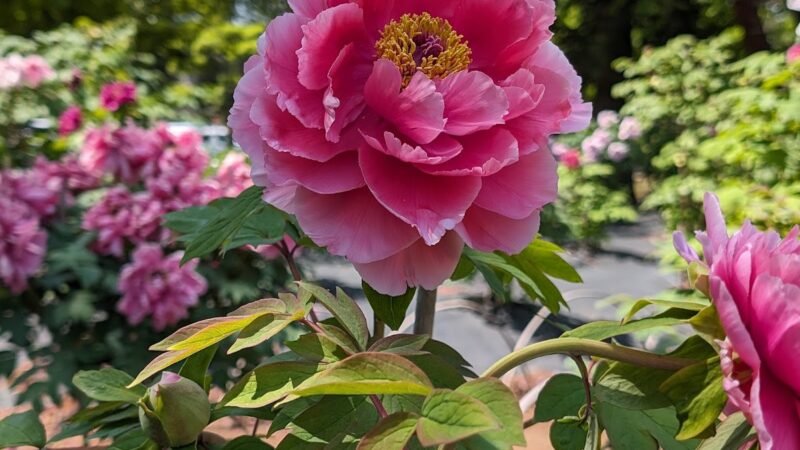
The Sukagawa Peony Garden, located in Sukagawa City, Fukushima Prefecture, is known as Japan’s only peony garden registered as a nationally designated scenic beauty. Within its vast grounds of approximately 10 hectares, 290 varieties and 7,000 peony plants are cultivated, and every May you can enjoy the spectacular sight of large flowers in full bloom. This article provides detailed information about the history of Sukagawa Peony Garden, highlights, flowering information, and access methods—everything you should know before visiting.
History and Origins of Sukagawa Peony Garden
A Peony Garden with Over 250 Years of Tradition
The history of Sukagawa Peony Garden dates back to Meiwa 3 (1766). At that time, Itō Suketomo (伊藤祐倫), a medicine merchant in Sukagawa, obtained seedlings from Yamamoto Village in Settsu Province (present-day Takarazuka City, Hyōgo Prefecture) to cultivate peonies for medicinal purposes.
While initially cultivated as a medicinal plant, ornamental cultivation gradually became popular among people fascinated by the beauty of peonies. The history and tradition continuing from the Edo period are carefully preserved today by the Public Interest Incorporated Foundation Sukagawa Peony Garden Preservation Society.
Japan’s Only Nationally Designated Scenic Beauty for a Peony Garden
Sukagawa Peony Garden is the only peony garden nationwide to be registered as a nationally designated scenic beauty. This designation reflects a comprehensive evaluation not only of the beauty of the flowers but also of its long history, cultural value, and aesthetic landscape qualities. Ancient peony trees over 200 years old still exist within the garden, attesting to its high historical value.
Charm and Highlights of Sukagawa Peony Garden
A Collection of 290 Varieties and 7,000 Peony Plants
The greatest attraction of Sukagawa Peony Garden is its overwhelming variety and number of peonies. Within the garden, 290 varieties and approximately 7,000 peony plants are cultivated, allowing visitors to see many rare varieties including named cultivars and antique peonies.
Peonies are also called the “king of flowers” and have long been treasured in China and Japan. They appear in numerous literary works including “The Pillow Book” and in paintings, deeply rooted in Japanese culture. At Sukagawa Peony Garden, you can enjoy peonies in diverse colors all at once—white, red, pink, yellow, purple, and more.
Ancient Peony Trees Over 200 Years Old
Within the garden, there are several ancient peony trees boasting ages exceeding 200 years. These old trees symbolize the long history of Sukagawa Peony Garden and bloom with beautiful large flowers year after year. The contrast between the dignified trunk peculiar to old trees and the vivid flowers blooming from it is a must-see.
Year-Round Enjoyment
Sukagawa Peony Garden offers different charms throughout the seasons, not just during peony season.
Spring (Late April to Mid-May)
This is the peak season for peonies. During this period, admission is charged, but you can enjoy the spectacular sight of the entire garden filled with large colorful flowers.
Early Summer (Late May to June)
After the peonies, wisteria trellises burst into bloom with purple and white flowers. The fragrant scent of white wisteria particularly captivates visitors. Stone rhododendrons also come into their prime.
Autumn (October to November)
This is the season when the green of the ancient pine tree in front of the main entrance contrasts beautifully with brilliant red maples. The maple tunnel around the large pond and in the rear fields is popular as an autumn foliage viewing spot. You can enjoy maple and Japanese maple foliage throughout the garden, experiencing autumn’s unique charm.
Winter (Late November Onward)
This is when winter peonies begin to bloom. Peonies blooming in a snowy landscape have a different aesthetic than spring, offering quiet beauty.
Facilities and Scenic Spots Within the Garden
Peony Hall
There is a peony hall within the garden that serves as a rest area and information center.
Around the Large Pond
The area around the large pond within the garden is beautiful with flowers and autumn foliage reflected on the water’s surface and is also popular as a photography spot.
Stone Statues and Shrine
The garden contains stone statues conveying a sense of history and a shrine with red torii gates in succession, creating a Japanese garden atmosphere.
Swing
A swing is installed within the garden, showing consideration for family visitors’ enjoyment.
Flowering Information and Best Time to Visit
Best Time to View Peonies
The best viewing season for peonies at Sukagawa Peony Garden is typically late April to mid-May. However, the flowering period may vary depending on weather conditions each year.
The time when the most varieties bloom together is around early May during Golden Week, when the entire garden is filled with blooming peonies. When planning a visit, it is recommended to check the flowering information on the official website in advance.
Enjoying Winter Peonies
Winter peonies can be enjoyed from autumn through winter. Winter peonies begin blooming around late November and blossom delicately in winter cold. They have a different character than spring peonies and can be enjoyed while strolling through the quiet winter garden.
Usage Information and Admission Details
Hours of Operation and Admission Fee
Hours of Operation
Generally open during daytime hours, though specific times may vary by season.
Admission Fee
- Peak peony season (late April to mid-May): Paid admission
- Other times: Free admission
During the peony’s peak season, admission is charged, but during other times you can enjoy the garden free of charge. There are abundant things to enjoy during free periods, including autumn foliage, winter peonies, and wisteria flowers.
Location and Contact Information
Address
〒962-0843 Sukagawa City, Peony Garden, Fukushima Prefecture
Managing Organization
Public Interest Incorporated Foundation Sukagawa Peony Garden Preservation Society
For detailed information on operating hours, admission fees, and events, it is recommended to contact the official website or by phone.
Access Methods
By Train
From JR East Honsen Sukagawa Station
- Distance: Approximately 3.5 km
- By taxi: Approximately 10 minutes
- On foot: Approximately 40-50 minutes
From JR Tohoku Shinkansen Koriyama Station
- Distance: Approximately 15 km
- By taxi: Approximately 30 minutes
- Car rental is also convenient
From Sukagawa Station, bus or taxi is convenient. If walking, plan with extra time.
By Car
From the Tohoku Expressway
- About 10 minutes from Sukagawa IC
- About 30 minutes from Koriyama IC
From Fukushima Airport
- Distance: Approximately 8.5 km
- By car: Approximately 15 minutes
Parking is available within the garden or in nearby areas, but congestion is expected during peak peony season, so early arrival is recommended.
Tips for Using Public Transportation
During the peak peony season, shuttle buses may operate from Sukagawa Station. Check for details on the Sukagawa City Tourism Association website or the official website.
Nearby Tourist Attractions
When visiting Sukagawa Peony Garden, you can also enjoy nearby attractions.
Nearby Flower Spots
Hanamiyama (Fukushima City)
A representative flower spot in Fukushima Prefecture where plum blossoms, peach blossoms, and cherry blossoms bloom simultaneously in spring.
Iizaka Onsen Momo no Sato
Peach blossoms bloom beautifully around the Iizaka hot spring area, which is also famous as a hot spring destination.
Chigane-mori Park
Known as the UFO Village, Chigane-mori Park is a scenic walking spot rich in nature.
Kumagaisoū no Sato
A natural habitat of the rare Kumagaisoū, which comes into bloom around May.
Flower Centers and Botanical Gardens
Fukushima Prefecture has multiple flower centers and botanical gardens where you can enjoy various flowers throughout the year. A “flower tour” visiting these locations together with Sukagawa Peony Garden is also recommended.
Photography Tips and Etiquette
Recommended Times for Photography
Early morning soft light is best for photographing peonies. Overcast days are also ideal as light is uniform and flower colors photograph beautifully. The area around the large pond offers excellent spots to photograph peonies and autumn foliage reflected on the water’s surface.
Etiquette Within the Garden
- Be careful not to damage peony plants or branches
- Do not enter restricted areas
- If using a tripod, be considerate of other visitors
- Take all trash with you
- Check in advance regarding pet entry
Event Information
Sukagawa Peony Garden hosts various events during peak peony season, including sales of local specialties, peony-related lectures, and guided tours.
For details on events and the latest information, check the official website’s announcements and staff blog. Checking before your visit allows for a more fulfilling experience.
Important Notes When Visiting Sukagawa Peony Garden
Clothing and What to Bring
- Comfortable walking shoes: The garden is large with many walking paths, so sneakers or similar comfortable shoes are recommended
- Sun protection: May has strong sunshine, so bring a hat and sunscreen
- Rain gear: Weather can be changeable at this time of year, so a folding umbrella is reassuring
- Camera: Bring a camera or fully charged smartphone to photograph the beautiful peonies
Tips for Avoiding Crowds
The period around Golden Week is particularly crowded. Visiting on weekdays or right after opening allows for relatively leisurely viewing. Also, even mid-to-late May peonies (when past their peak) are still beautiful enough to enjoy, so choosing different timing is another option.
History and Culture of Sukagawa
Sukagawa City has a rich history and culture beyond the peony garden. It is also known as a place visited by the haiku poet Matsuo Bashō during his journey for “The Narrow Road to the Deep North,” and sites connected to Bashō are scattered throughout the area.
When visiting the peony garden, touching the history and culture of Sukagawa enables a deeper travel experience. Local food culture and traditional crafts are also appealing.
Conclusion: Fully Enjoying the Charm of Sukagawa Peony Garden
Sukagawa Peony Garden in Sukagawa City, Fukushima Prefecture, is a special peony garden with over 250 years of history, registered as Japan’s only nationally designated scenic beauty. The spectacular sight of 290 varieties and 7,000 peonies in bloom during spring is something every person should see at least once in their lifetime.
While the best viewing period is late April through mid-May, the garden offers seasonal beauty year-round through wisteria, autumn foliage, and winter peonies. Particularly appealing is that admission is free outside the peak peony season, making visitors want to return repeatedly.
When planning a visit, check the official website in advance for flowering and event information, and research access methods and crowding conditions. Why not plan a trip to Fukushima Prefecture combining nearby tourist spots to fully enjoy the region’s nature and culture?
Sukagawa Peony Garden is a representative tourist destination in Fukushima Prefecture where you can simultaneously experience Japan’s traditional beauty and the richness of nature. I hope many people will experience the luxury of spending leisurely time surrounded by the beautiful large blooms of peonies.
-800x450.jpg)
-800x450.jpg)