National Museum of Nature and Science, Attached Natural Education Garden Tokyo Complete Guide | Enjoying the Four Seasons of Nature at an Urban Oasis
Despite being in central Tokyo, the “National Museum of Nature and Science, Attached Natural Education Garden” retains rich nature that feels like another world. Despite its excellent location just a 10-minute walk from Meguro Station on the Yamanote Line, approximately 20 hectares of land are covered with forests bearing traces of Musashino, home to over 1,400 plant species and more than 2,800 animal species. This article provides detailed information about the charm of this urban oasis, from its history and highlights to access methods.
What is the National Museum of Nature and Science, Attached Natural Education Garden?
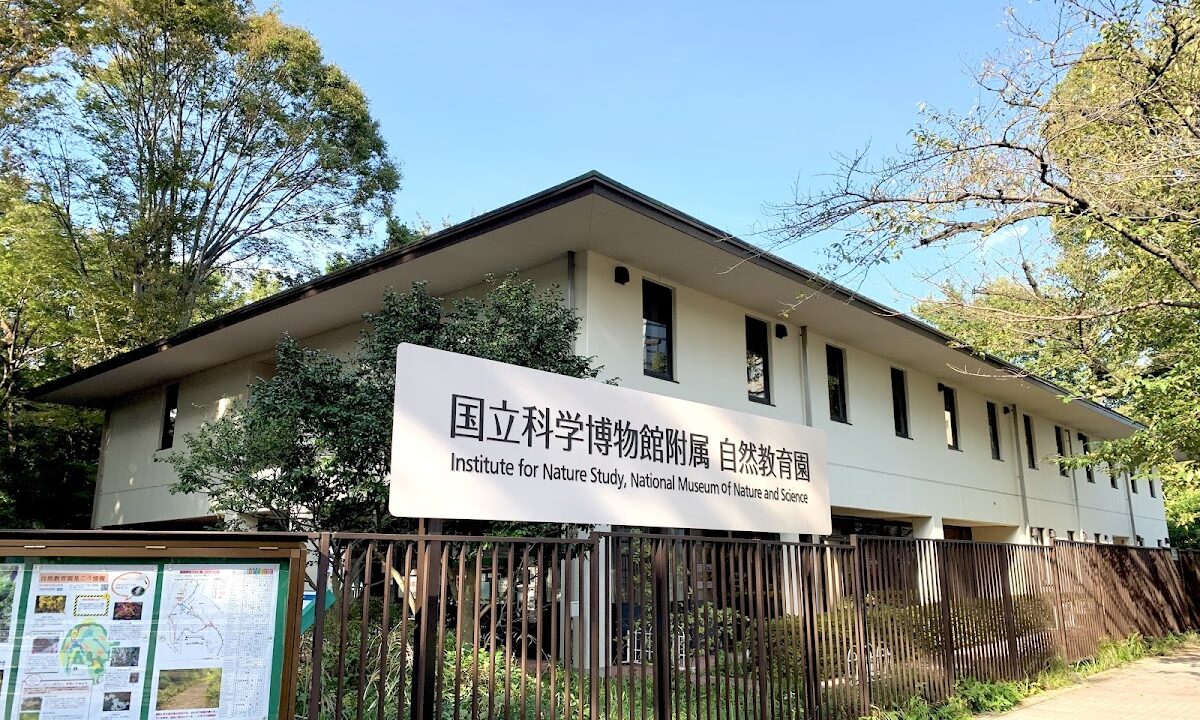
The National Museum of Nature and Science, Attached Natural Education Garden (Kokuritsu Kagaku Hakubutsukan Fuzoku Shizen Kyoiku En) is a green space facility managed by the National Museum of Nature and Science, located in Shirokanedai, Minato Ward, Tokyo. Its official name is “Institute for Nature Study,” and it was opened to the public in 1949 as an educational facility where visitors can learn while enjoying nature.
The site spans approximately 200,000 square meters (approximately 20 hectares), preserving deciduous trees such as konara oak, zelkova, and dogwood, as well as evergreen trees such as shii oak, castanopsis, and pines in their natural state. Serving as an oasis in the urban desert, it is a precious location cherished by many researchers and nature enthusiasts.
Designation as a Natural Monument and Historic Site
In 1949, it was designated as a “Natural Monument and Historic Site” under the Cultural Properties Protection Law. This dual designation signifies recognition not only of the natural environment’s value but also of its historical importance. It is extremely rare to find such extensive natural forests preserved in urban areas, and it holds extremely high academic value.
History of the Attached Natural Education Garden
The land of the natural education garden has been used for various purposes throughout a long history. Understanding these transitions helps us comprehend how the current rich natural environment has been protected.
From the Medieval Period to the Edo Period
In the medieval period, it is said there was a stronghold of a feudal lord, and from the Muromachi through the Sengoku periods, it was used as a samurai residence. During the Edo period, it was used as a secondary residence of Matsudaira Sanuki no Kami, the daimyo of Takamatsu, and later became the residence of a samurai. During this era, the property was developed as a garden, with ponds and artificial hills constructed. The “Hyotan Pond” and “Waterbird Swamp” that remain in the garden today are remnants of this period.
From the Meiji Period to Pre-War
During the Meiji period, it was used as an explosives magazine for the Imperial Army and Navy. Ironically, this military use restricted public access and contributed to the preservation of the natural environment. During the Taisho period, it came under the jurisdiction of the Imperial Household Ministry and was called the Shirokanedai Imperial Estate.
From the Post-War Period to Present
In 1949 (Showa 24), it was designated as a “Natural Monument and Historic Site” under the jurisdiction of the Ministry of Education, and the National Natural Education Garden was opened to the public. In 1962, it became an attached facility of the National Museum of Nature and Science, acquiring its current name, “National Museum of Nature and Science, Attached Natural Education Garden.” Since then, it has been cherished by many people as a place for nature conservation, education, and research.
Highlights and Facilities within the Garden
The garden is maintained in its natural state while being developed for visitors to safely enjoy nature walks. We introduce the main highlights and facilities.
Educational Administration Building
The first thing visitors see upon entering is the Educational Administration Building. Here, you can view garden maps and display panels, and learn about the history and ecosystem of the natural education garden. Information about seasonal highlights and observation points is also provided, so it is recommended to check before taking a walk.
Roadside Botanical Garden
The Roadside Botanical Garden is an area where you can observe wildflowers that grow by roadsides in mountains and fields. Common plantain, dandelions, houttuynia, and other plants that are usually overlooked can be carefully observed with accompanying explanatory panels. In our modern era of urbanization, this is a precious place to learn about the ecology of plants commonly called “weeds.”
Musashino Botanical Garden
The Musashino Botanical Garden is an area that preserves the scenery of grassland reminiscent of old Musashino. Grasslands thick with susuki grass and reed grass shine golden in autumn, offering a landscape as if visiting a rural satoyama. In spring, various violet species greet visitors; in summer, bellflower and maidenflower display their blooms.
Aquatic Plants Garden
The Aquatic Plants Garden allows observation of plants and animals living in wetlands and waterside environments. Aquatic plants such as skunk cabbage, Japanese iris, and water pepper bloom beautifully with each season. Dragonflies, frogs, waterfowl, and other creatures are frequently seen, making it an ideal place to learn about aquatic ecosystems.
Hyotan Pond and Waterbird Swamp
Hyotan Pond is a pond bearing traces of an Edo period garden, and as its name suggests, has the shape of a gourd. The green trees and autumn leaves reflected on the water surface are beautiful and popular as photography spots. At the Waterbird Swamp, you can observe wild birds such as mallards and kingfishers.
Forest Areas
The forest areas occupying most of the garden contain a mixture of evergreen and deciduous broadleaf forests. Diverse tree species including shii oak, arakashi, konara oak, and zelkova grow in natural conditions, creating an atmosphere of deep forest beyond what one would expect in an urban area. Walking trails through dappled sunlight present different expressions throughout the four seasons.
Observable Flora and Fauna
The Attached Natural Education Garden allows observation of remarkably diverse organisms. The biological community confirmed through past surveys is exceptionally rich, demonstrating the importance of biodiversity in urban areas.
Flora
The garden has recorded 1,473 plant species in total, including seed plants, ferns, and fungi. Major plants include the following:
Trees
- Evergreens: shii oak, arakashi, white oak, akagashi, black pine, red pine
- Deciduous trees: konara oak, tupelo, zelkova, dogwood, Japanese hornbeam, Japanese hackberry
Herbaceous Plants
- Spring: trout lily, violet species, false hellebore, single-flower hellebore
- Summer: balloon flower, maiden flower, daylily, Japanese turk’s-cap lily
- Autumn: susuki grass, maiden flower, eupatorium, gentian
Aquatic Plants
- Skunk cabbage, Japanese iris, water pepper, purple loosestrife, cattail
The plants in the garden are equipped with name plates and explanatory signs, allowing visitors to learn about plants while taking a walk.
Fauna
Approximately 2,800 animal species have been observed, with the breakdown as follows:
Insects
Over 2,100 insect species have been confirmed. Diverse insects including butterflies, dragonflies, Japanese beetles, stag beetles, cicadas, and grasshoppers inhabit the area. Particularly in summer, Japanese beetles and stag beetles can sometimes be observed, making them popular with children.
Birds
Approximately 130 bird species have been recorded. Resident birds include great tit, Japanese white-eye, Japanese pygmy woodpecker, and kingfisher, with many migratory birds also flying in. Early morning walks allow visitors to hear beautiful birdsong.
Mammals
Despite being in an urban area, mammals such as raccoon dogs and weasels have been confirmed. Being nocturnal, they are rarely seen during the day, but their existence is confirmed through traces such as footprints and droppings.
Amphibians and Reptiles
Ponds and wetlands are home to frog species such as Japanese tree frog and Tokyo daruma pond frog, as well as lizards and Oriental garden lizards.
Enjoying Each Season
The Attached Natural Education Garden presents different faces throughout the four seasons. We introduce highlights for each season.
Spring (March–May)
Spring is the season when the garden is most vibrant. From late March to early April, Somei Yoshino and mountain cherry blossoms bloom, with cherry blossoms reflecting on water creating a picturesque sight. On the forest floor, trout lilies and violets bloom, and the beauty of fresh green foliage is exceptional. From April to May, various bird songs echo throughout, making it an ideal time for birdwatching.
Summer (June–August)
During the rainy season, hydrangea and Japanese iris bloom beautifully, and the aquatic plants garden comes into its prime. From July to August, the area is enveloped in deep green, and the shade is remarkably cool for an urban setting. Summer is ideal for insect observation, with cicada cries resounding and opportunities to spot Japanese beetles and stag beetles.
Autumn (September–November)
Autumn is the season of colored leaves. From late October through November, deciduous trees such as konara oak, zelkova, and dogwood display brilliant fall colors. The susuki grass in the Musashino Botanical Garden shines golden, and autumn wildflowers can be enjoyed. As temperatures drop, migratory birds arrive, offering birdwatching opportunities.
Winter (December–February)
Winter is a season when deciduous trees shed their leaves, making the forest structure clearly visible. The green of evergreen trees stands out, making it suitable for observing winter birds. Natural phenomena unique to winter, such as frost formations and frozen ponds, can be observed. The appeal of winter also lies in the ability to enjoy quiet walks with fewer visitors.
Entry Restrictions and Environmental Conservation Efforts
The Attached Natural Education Garden has implemented unique entry restrictions to protect its precious natural environment.
Visitor Number Limits
A maximum capacity of 300 concurrent visitors is set within the garden. This measure minimizes environmental impact and allows visitors to quietly enjoy nature. During peak seasons such as cherry blossom and autumn foliage periods, when congestion is expected, queuing for entry may occur when capacity is reached.
Survey and Research Activities
The Attached Natural Education Garden conducts ongoing biological surveys. Regular monitoring of plants, insects, birds, and other organisms records ecosystem changes in urban environments and accumulates important data for nature conservation. These survey results are published as academic papers and utilized in environmental education.
Educational Programs and Events
The Attached Natural Education Garden offers various programs for visitors to enjoy nature while learning.
Free Guided Tours
Free guided tours led by experts are held on weekends. Specialists in plants, insects, birds, and other subjects guide visitors through the garden while explaining seasonal highlights. Participation offers discoveries that one might not make alone, allowing deeper understanding of nature.
Planned Exhibitions
Seasonal exhibitions are held in the Educational Administration Building. Photography exhibitions, specimen displays, and other exhibitions to deepen knowledge of the garden’s nature are regularly updated.
Publications
The Natural Education Garden publishes works about the garden’s flora, fauna, and natural environment. In addition to academic publications such as “Natural Education Garden Reports,” general-purpose guidebooks and leaflets are also sold and are popular as souvenirs and learning materials.
Access Information
Access to the Attached Natural Education Garden is extremely convenient.
By Train
JR Yamanote Line and Tokyu Meguro Line
- Approximately 9 minutes walk from Meguro Station East Exit
- Proceed along Meguro-dori toward Shirokanedai after exiting the station
Tokyo Metro Namboku Line and Toei Mita Line
- Approximately 7 minutes walk from Shirokanedai Station Exit 1
- The nearest station offering convenient access
Location
〒108-0071 Shirokanedai 5-21-5, Minato Ward, Tokyo
Parking
There is no dedicated parking lot. Public transportation is recommended. Coin parking is available in the vicinity, though spaces are limited.
Opening Hours and Admission
Opening Hours
- September 1 – April 30: 9:00 AM – 4:30 PM (entry until 4:00 PM)
- May 1 – August 31: 9:00 AM – 5:00 PM (entry until 4:30 PM)
Closed Days
- Every Monday (if Monday is a national holiday, the garden is open and closed on Tuesday instead)
- The day after a national holiday (open if Saturday or Sunday)
- Year-end and New Year period (December 28 – January 4)
Admission
- General and University Students: 320 yen (260 yen for groups)
- High school students and younger: Free
- 65 years and older: Free (age-confirming ID required)
Free admission for those with a National Museum of Nature and Science admission ticket or combined ticket.
Precautions for Visiting
Please note the following when visiting the Attached Natural Education Garden:
Rules within the Garden
- Collecting plants and animals is prohibited
- Pets are not allowed (except service animals such as guide dogs)
- Eating and drinking are permitted only in designated areas
- Photography with tripods requires consideration to avoid inconveniencing other visitors
- Bicycles, kick scooters, and similar vehicles are not permitted
Clothing and Items
- Walking shoes are recommended
- Insect repellent spray is useful during summer
- Umbrellas should be used modestly during crowded periods
- Binoculars are convenient for bird observation
- Cameras are recommended for recording nature observations
Nearby Tourist Attractions
There are other attractive spots near the Attached Natural Education Garden.
Tokyo Metropolitan Teien Art Museum
Located immediately adjacent to the Natural Education Garden, it offers beautiful Art Deco architecture and gardens. It is recommended to visit both together.
Happoen
A Japanese garden in the Shirokanedai area, also famous as a wedding venue. Visitors can enjoy walking through the beautiful garden.
Platinum Dori
A fashionable street lined with luxury boutiques and restaurants offering shopping and strolling opportunities.
Summary
The National Museum of Nature and Science, Attached Natural Education Garden is a precious location where rich nature remains despite being in central Tokyo. With over 1,400 plant species and more than 2,800 animal species inhabiting approximately 20 hectares, it presents different faces throughout the four seasons.
Having evolved from an Edo period residence through military use to its current designation as a natural monument and historic site, this location serves as an educational space for contemplating the coexistence of city and nature. By restricting visitor numbers, it protects the natural environment while providing visitors with quiet, high-quality nature experiences.
Located within walking distance of Meguro and Shirokanedai stations, yet offering another world when entering the garden that makes one forget urban bustle, it is a sanctuary for nature lovers. Joining the free guided tour on weekends allows deeper understanding of nature through expert explanations.
With cherry blossoms in spring, deep green in summer, autumn foliage in fall, and quiet in winter, there is value in visiting each season. This location has become an urban oasis for those who love nature. When visiting Tokyo, be sure to stop by. The healing time surrounded by nature will help you forget daily fatigue.