Okutama and Lake Okutama Shores, Tokyo Complete Guide | Access, Sightseeing Spots, and How to Enjoy All Four Seasons
The Okutama and Lake Okutama Shores area, accessible in about 2 hours from central Tokyo, serves as an important water source for Tokyo residents while offering abundant nature and scenic landscapes throughout the seasons. Located within the Chichibu-Tamakai National Park, centered around Lake Okutama created by the Ogouchi Dam, visitors can enjoy diverse experiences such as hiking, gorge walks, and hot springs.
This article provides comprehensive information about the charm of Lake Okutama’s shores, offering guidance suitable for first-time visitors and repeat visitors alike, so you can enjoy a fulfilling time there.
What is Lake Okutama (Okutama-ko)?
Tokyo’s Precious Water Source
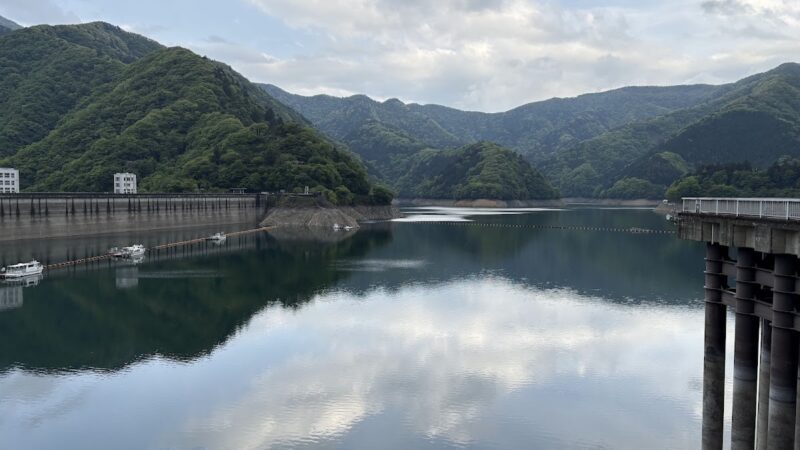
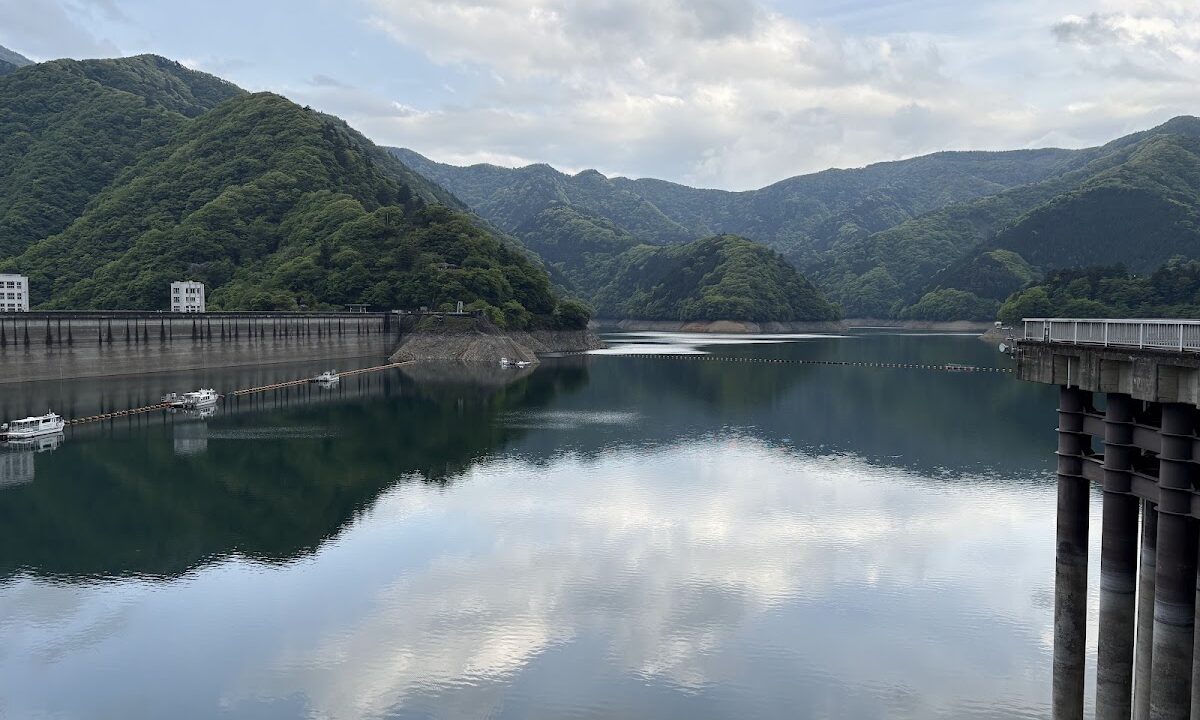
Lake Okutama, officially called the “Ogouchi Reservoir,” is an artificial lake created by damming the Tamagawa River with the Ogouchi Dam. With a total storage capacity of approximately 185.4 million cubic meters, it supplies about 20% of the water used by Tokyo residents, making it an important water source for Tokyo.
Located in Okutama Town, Tokyo, it is about 65 km from central Tokyo. Its watershed spans four municipalities: Okutama Town, plus Tanba Village, Kosuge Village, and Koshu City in Yamanashi Prefecture, covering an area of 26,288 hectares, equivalent to about 40% of Tokyo’s 23 wards.
History of the Ogouchi Dam (Ogouchi-dam)
The Ogouchi Dam began construction in 1938 (Showa 13), and after a pause due to war, was completed in 1957 (Showa 32). The construction took 19 years, during which 945 households in the existing settlement were forced to relocate, and 87 precious lives were lost during the project.
The dam stands 149 meters high with a crest length of 353 meters. When completed, it was one of Japan’s largest water-supply-only dams and continues to support Tokyo’s water supply as one of the country’s largest water-supply reservoirs today.
Part of Chichibu-Tamakai National Park
The Lake Okutama area is designated as part of Chichibu-Tamakai National Park, with forests spanning the foothills of the Okutama Mountains and the Okushinano Mountains. The Lake Okutama and Nihara River source areas were selected as “Water Source Forests Hundred Selections,” and in 2017, the Tokyo Metropolitan Waterworks Bureau designated seven locations including the Ogouchi Reservoir (Lake Okutama) and its water source forests as “Tokyo Waterworks Famous Sites.”
Despite being an artificial lake, it harmonizes beautifully with the surrounding nature, creating scenic beauty throughout the four seasons.
Main Sightseeing Spots around Lake Okutama Shores
Mugiyama Floating Bridge (Mugiyama-no-Ukihashi)
One of two floating bridges spanning Lake Okutama, this 220-meter-long pedestrian-only bridge uses drums as its floating structure. Walking across the bridge while feeling the lake’s undulation beneath your feet allows you to enjoy a 360-degree panorama of the surrounding mountains and lake scenery.
In spring, the bridge is surrounded by cherry blossoms, and in autumn, by autumn foliage, making it a popular photography spot. However, during winter (December to March), closures may occur due to freezing and snow, so confirmation before your visit is necessary.
Tozura Floating Bridge (Tozura-no-Ukihashi)
The other floating bridge, Tozura Floating Bridge, spans approximately 250 meters, making it slightly longer than Mugiyama’s bridge. This unique floating structure also sways subtly with each step, providing a non-everyday experience.
Both floating bridges change position as the dam adjusts water levels, so you can enjoy different scenery with each visit. They are also used as part of a hiking course that circles the lakeside.
Yama no Furusato Village (Tokyo Metropolitan Okutama Lake Shores Park)
Officially named “Tokyo Metropolitan Okutama Lake Shores Park Yama no Furusato Village,” this nature park facility is affectionately called “Yama-furu” by users. It opened in October 1990 to meet residents’ healthy recreation needs and to introduce Okutama’s rich nature.
Facilities
- Visitor Center: Displays and information about Okutama’s nature and history
- Craft Center: Nature experience programs including woodworking
- Campground: Tent sites and cabins (accommodations)
- Restaurant: Dishes using local ingredients
- Nature trails: Walking paths and bird-watching spots
You can enjoy diverse activities such as camping, hiking, and craft experiences while feeling the nature of each season up close.
Inquiries: Yama no Furusato Village Visitor Center 0428-86-2551
Ikoi no Michi and Lakeside Path
Walking trails have been developed around Lake Okutama’s perimeter. “Ikoi no Michi” and “Lakeside Path” are courses where you can leisurely stroll while enjoying lake views, with particularly beautiful scenery during new greenery and autumn foliage seasons.
These well-maintained trails are accessible to families and beginners. Depending on the route chosen, popular courses take about 1 to 3 hours.
Ogouchi Shrine (Ogouchi-jinja)
This shrine was relocated from the tutelary shrine of the old Ogouchi Village that was submerged by the dam construction. It stands quietly on the lake shores, serving as a place that conveys the history of dam construction and the feelings of those forced to relocate. Many visitors come to pay their respects.
From the shrine grounds, you can overlook Lake Okutama and the dam, contemplating history in the silence.
Hato-no-Su Gorge (Hato-no-Su-Keikok)
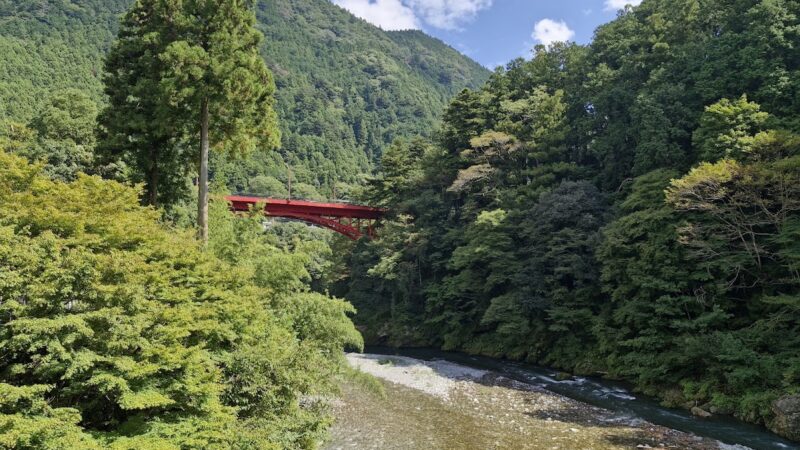
Located about a 40-minute walk from Okutama Station or about a 5-minute walk from Hato-no-Su Station, this is a beautiful gorge. The clear water of the Tamagawa River carves through rock, with emerald-green pools and white-water rapids creating a landscape of natural beauty you wouldn’t expect to find in Tokyo.
Well-developed walking trails allow you to enjoy suspension bridges, unusual rock formations, and waterfalls along the gorge. The new greenery and autumn foliage seasons are particularly beautiful, making it popular among photography enthusiasts.
Tsuru-no-Yu Hot Spring and Spa Facilities
Various hot springs including “Tsuru-no-Yu Hot Spring” are scattered throughout the Okutama area. The abundance of spa facilities to relax after hiking and sightseeing is part of its charm.
Many facilities offer day-use bathing, allowing you to enjoy a luxurious soak in hot springs after satisfying your Okutama nature experience.
Fumon Temple (Fumon-ji)
A historic temple in Okutama Town located in a quiet mountain setting. Within the grounds stand giant cedar trees hundreds of years old, creating a solemn atmosphere.
Visitors come throughout the year, particularly during autumn foliage when the temple grounds are painted red and yellow, creating beautiful scenery.
The Charm of Lake Okutama Through the Four Seasons
Spring: Season of Cherry Blossoms and New Greenery
From late March to early April, cherry blossoms bloom abundantly around Lake Okutama’s shores. The contrast between the cherry blossoms reflected on the lake and the surrounding mountains is truly painterly in its beauty. The area around Mugiyama Floating Bridge is particularly famous for its cherry blossoms.
From April to May, the new greenery season arrives, with mountains turning a vibrant green. Hiking surrounded by fresh air and the scent of young leaves is exceptional.
Summer: Deep Green and Coolness
Summer Lake Okutama is enveloped in deep green, with cool breezes from the lake being pleasant. The temperature is several degrees lower than central Tokyo, attracting many visitors seeking an escape from the heat.
Camping and stays at Yama no Furusato Village, river play in gorges, forest bathing, and other nature activities are abundant. Early morning brings mist over the lake surface, sometimes offering a fantastical landscape.
Autumn: Spectacular Autumn Foliage
From mid-October to late November, the area around Lake Okutama reaches peak autumn foliage season. Maples, oaks, beeches, and other trees turn red and yellow, and the foliage reflected in the lake is breathtakingly beautiful.
Especially the views from the floating bridges and walking the lakeside path create magnificent autumn foliage scenery, making it one of Tokyo’s premier foliage viewing spots. Weekends are busy with many tourists.
Winter: Silence at the Lake Shores
Winter at Lake Okutama is visited by few people, offering a fantastical atmosphere wrapped in silence. When snow accumulates on surrounding mountains, the contrast with the lake is beautiful, allowing you to enjoy snow scenery in clear air.
Floating bridges are often closed for winter, but around the dam and Yama no Furusato Village, winter-specific nature observation is possible. Be sure to take proper cold-weather precautions for your visit.
Access Methods
Train and Bus Access
Using JR Ome Line
- From Shinjuku Station, take the JR Chuo Line to Tachikawa or Ome Station
- Transfer to JR Ome Line toward Okutama Station (about 2 hours from Shinjuku)
- From Okutama Station, take Nishi-Tokyo Bus toward “Lake Okutama,” “Tanba,” or “Kosuge” for approximately 15-25 minutes
- Exit at “Lake Okutama Bus Stop”
Main Bus Stops
- Lake Okutama Bus Stop: Nearest to Ogouchi Dam and Lake Okutama
- Yama no Furusato Village Bus Stop: Nearest to Yama no Furusato Village
Buses run about 1-2 times per hour, so checking the schedule in advance is recommended. Be sure to confirm return bus times beforehand.
Car Access
Using Central Expressway
- From “Hachioji IC” on the Central Expressway, approximately 1 hour 30 minutes via National Route 411 (Ome Kaido)
- From “Ome IC” on the Kanto Ring Expressway, approximately 1 hour via National Route 411
Parking Information
- Around Ogouchi Dam: Free parking available (approximately 50 spaces)
- Yama no Furusato Village: Parking available (paid, approximately 150 spaces)
- Around Floating Bridges: Small parking spaces available
Parking lots get congested on weekends and during foliage season, so arriving early is recommended.
Gourmet in the Okutama Area
Cuisine Using Local Ingredients
The Okutama area offers gourmet experiences featuring local specialties like yamame and iwana fish from the clear streams, locally-grown wasabi, and wild vegetables.
Recommended Gourmet
- Grilled yamame: Fresh yamame from clear streams grilled over charcoal, a local specialty
- Hand-made soba: Fragrant soba noodles made with locally-grown soba flour
- Wasabi rice bowl: A bowl generously topped with fresh Okutama wasabi
- Venison dishes: Game meat from Okutama gaining attention as wild game
- Wild vegetable dishes: Tempura and stewed dishes featuring seasonal mountain vegetables
Dining Spots
Restaurants and eateries using local ingredients are scattered around Okutama Station and the lake shores. There’s also a restaurant at Yama no Furusato Village where you can enjoy meals with a view.
Some establishments accept advance reservations, which are recommended especially on weekends and during tourism seasons.
Experience Programs and Activities
Hiking and Trekking
The Okutama area features diverse hiking courses enjoyable by everyone from beginners to advanced hikers.
Popular Courses
- Lake Okutama Circuit Course: A 3-4 hour course circling the lake shores
- Hato-no-Su Gorge Walking Path: A 1-2 hour course enjoying gorge beauty
- Mount Mitake Climbing: A popular mountain course with cable car option
- Mount Kumotori Climbing: A full-scale mountaineering course targeting Tokyo’s highest peak (2,017m)
Camping and Overnight Stays
Yama no Furusato Village offers overnight stays in tent sites and cabins. You can enjoy a night under starlit skies, experiencing nature unavailable in the city.
Craft Experiences
Yama no Furusato Village’s Craft Center offers woodworking and nature-material craft experience programs. Suitable for both children and adults, they’re perfect for creating travel memories.
Bird Watching and Nature Observation
The Okutama area within Chichibu-Tamakai National Park is a haven for birdwatchers. You can observe diverse birds including varied tits, narcissus flycatchers, and crested kingfishers. Yama no Furusato Village also hosts nature observation programs.
Notes and Manners for Your Visit
Clothing and What to Bring
- Clothing: Comfortable, easy-to-move clothes, comfortable walking shoes (sneakers or hiking boots)
- Season-appropriate: Summer hats and sunscreen; winter cold-weather clothing and gloves
- Items to bring: Drinking water, light snacks, rainwear, maps, mobile phone
Nature Protection Manners
- Always take your trash with you
- Do not collect plants and animals
- Stay on designated walking paths
- Do not feed wildlife
- Keep noise down and enjoy nature quietly
Safety Measures
- Be aware of sudden weather changes (mountain weather changes rapidly)
- Avoid solo travel; travel in groups
- Submit mountaineering registration (for serious climbing)
- Check mobile phone coverage in advance
- Head down and depart before sunset
Nearby Sightseeing Spots
Mount Mitake
Accessible about 20 minutes by train from Okutama Station to Mitake Station, this 929m mountain is a center of mountain faith. A cable car operates to the summit area where Musashi Mitake Shrine is located. The Rock Garden scenic route along the streamside is also popular.
Nichiharaso Stalactite Cave
About 35 minutes by bus from Okutama Station, this is one of the largest stalactite caves in the Kanto region. The 800-meter cave interior is a fantastical world of stalactites. The cave stays cool even in summer, making it popular as a summer refuge.
Hikawa Gorge
A gorge around Okutama Station with developed walking trails. The landscape of clear stream and massive rock formations is beautiful, allowing easy enjoyment of gorge scenery.
History and Culture of Lake Okutama Shores
Dam Construction and Village Relocation
The Ogouchi Dam construction was a major project to solve Tokyo’s serious water shortage. However, its realization came at great cost.
When Ogouchi Village was submerged by the dam lake, 945 households with about 2,500 residents were forced to relocate. The decision to leave ancestral land, homes, fields, and memory-filled hometowns brought immeasurable suffering to residents.
Casualties of Construction
During 19 years of difficult construction, 87 workers lost their precious lives. Memorials stand near the dam, conveying the history of dam construction and gratitude for those sacrifices to the present day.
Water Source Forest Protection
Water source forests around Lake Okutama are strictly managed by the Tokyo Metropolitan Waterworks Bureau. Forests play a crucial role in storing and purifying water, essential for protecting Tokyo residents’ safe water supply.
Today, both water source forest protection and tourism development are being pursued, with sustainable regional development underway.
Seasonal Events
Spring: Okutama Cherry Blossom Festival
Held in early April, this festival features events around Okutama Lake’s cherry blossom viewing sites. Local specialty product sales and folk performing arts are also featured.
Summer: Okutama Cooling Fireworks Display
During summer, fireworks displays are held in Okutama Town, with sounds echoing through the mountains and light dancing across the night sky creating a fantastical sight.
Autumn: Okutama Moegi Festival
Held during autumn foliage season, this event features sales of local agricultural products and specialties, plus stage events.
Winter: Nature Observation Sessions
Yama no Furusato Village holds winter-specific programs such as winter bird-watching and snow nature observation sessions.
Photography Spots
Ogouchi Dam Structure
There are points where you can photograph the dam face directly, with the contrast between the massive structure and surrounding nature being impressive.
Mugiyama Floating Bridge
Photographing from the bridge or from the opposite shore including the bridge in the composition captures Okutama Lake’s characteristic landscape.
Lakeside Autumn Foliage
Beautiful autumn foliage can be photographed from anywhere around the lake in fall, but areas near the floating bridges and along the lakeside path are especially recommended.
Morning Mist at Lake Okutama
When conditions align in early morning, mist rises from the lake surface, creating a fantastical landscape. This time is particularly popular with photography enthusiasts.
Accommodations
Yama no Furusato Village
Offers overnight stays in cabins or tent sites, providing nature accommodation experiences.
Inns and Minshuku in Okutama Town
Around Okutama Station and throughout the town are scattered hot-spring inns and family-run guesthouses. You can enjoy meals featuring local ingredients.
Accommodations in Surrounding Areas
Nearby areas such as Aome City and Hinohara Village also have abundant accommodation options.
Model Courses for Maximizing Your Okutama Lake Shores Experience
Day Trip Course (Beginner-Friendly)
9:00 Arrival at Okutama Station
9:20 Bus to Lake Okutama
9:45 Visit Ogouchi Dam
10:30 Stroll across Mugiyama Floating Bridge
12:00 Lunch (at Yama no Furusato Village or lakeside eatery)
13:30 Hike the Lakeside Path
15:00 Craft experience at Yama no Furusato Village
16:30 Bus back to Okutama Station
17:00 Hot spring and shopping around Okutama Station
18:00 Return
2-Day, 1-Night Course (Comprehensive Plan)
Day 1
Morning: Arrive at Okutama Station → Hato-no-Su Gorge walk
Afternoon: Move to Lake Okutama → Visit dam → Floating bridge stroll
Evening: Check in to Yama no Furusato Village
Night: Campfire and stargazing
Day 2
Early morning: Photograph morning mist at Lake Okutama
Morning: Lakeside hike
Afternoon: Craft experience → Hot spring → Return
Conclusion
Okutama and Lake Okutama Shores is a natural treasure accessible in just 2 hours from central Tokyo. Lake Okutama, created by the Ogouchi Dam, serves as an important water source for Tokyo residents while remaining a beloved tourist destination offering beautiful scenery throughout the four seasons.
Lake Okutama Shores display different faces with each season—spring’s cherry blossoms, summer’s fresh greenery, autumn’s foliage, and winter’s snowy landscape. Cross the floating bridges, walk the lakeside paths, and enjoy nature experiences at Yama no Furusato Village. Be healed by the clear water of gorges and soothe your fatigue in hot springs. Savor local cuisine.
While day trips are fully enjoyable, overnight stays allow even deeper connection with Okutama’s nature. Escaping urban bustle, you can refresh both body and mind in abundant natural surroundings. Why not visit Okutama and Lake Okutama Shores this coming weekend?
Protecting nature while following conservation manners is an important responsibility for those of us visiting, ensuring this beautiful landscape of Okutama is preserved for future generations.