Mukojima Hyakkaen Garden, Tokyo | Complete Guide to the Four-Season Flower Garden Preserving Edo Atmosphere Today
Mukojima Hyakkaen Garden, located in Higashi-Mukojima, Sumida Ward, Tokyo, is a precious Japanese garden that preserves the history and culture continuing from the Edo period to the present day. More than 200 years have passed since its establishment in Bunka 1 (1804), and it continues to be beloved by many people as a healing space where seasonal flowers bloom amidst the hustle and bustle of the city. This article introduces all the attractions of Mukojima Hyakkaen Garden.
Mukojima Hyakkaen Garden | Flower Paradise Loved by Edo Intellectuals
Mukojima Hyakkaen Garden was established around Bunka 1 (1804) in the Edo period by Sahara Kikuu, who ran an antique dealership. The name “Hyakkaen” (Hundred Flower Garden) means “a garden where a hundred flowers bloom in disorder through the four seasons,” and as the name suggests, visitors can enjoy various flowers and plants throughout the year.
Characteristics of the Garden Imbued with Intellectual Taste
The greatest characteristic of Mukojima Hyakkaen Garden lies in its “intellectual taste,” which differs from typical daimyo gardens. This place, where Edo-period literati and scholars gathered to compose poetry and enjoy refined pleasures, has a unique atmosphere that takes advantage of nature’s rustic beauty. Numerous stone monuments, including haiku stones by Bashō, stand throughout the garden, conveying the cultural fragrance of Edo to the present day.
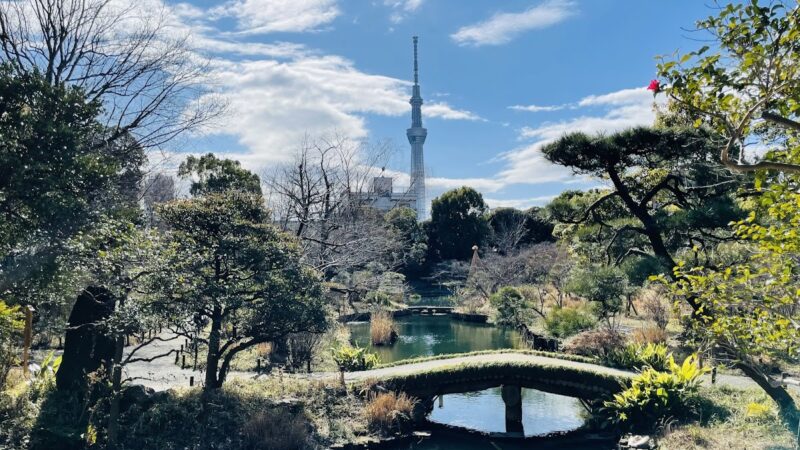
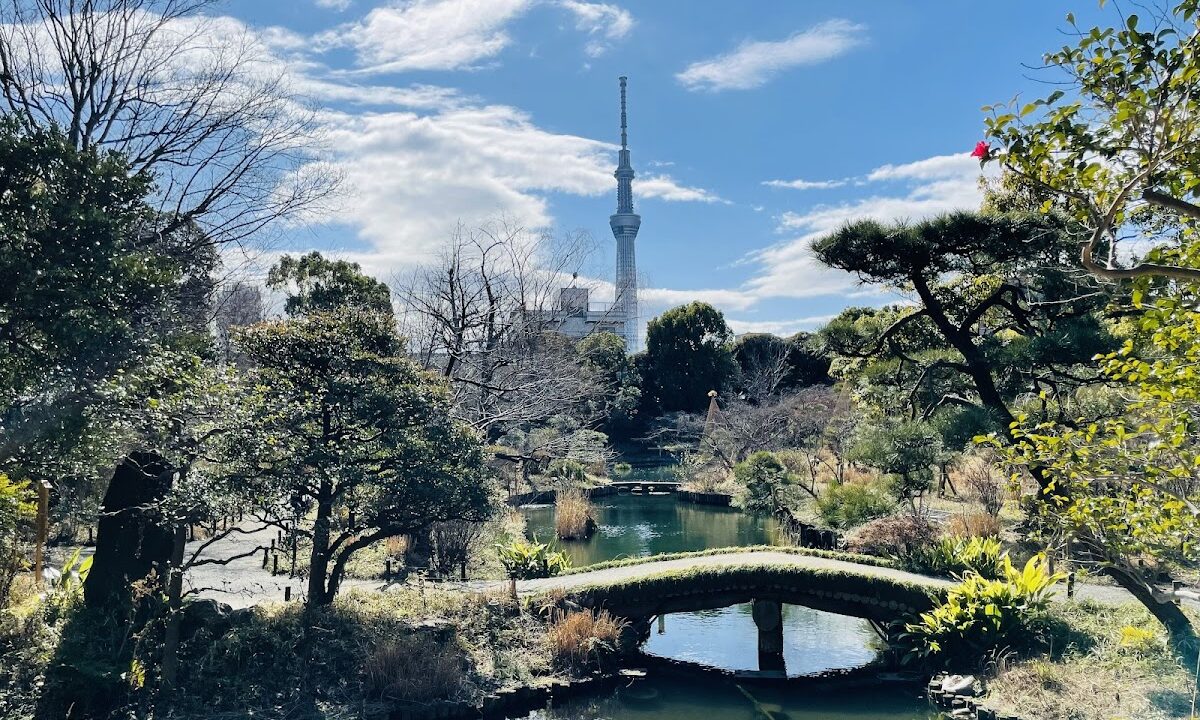
The garden style is a stroll garden, and visitors can feel the changes of the seasons while walking around the garden centered on a pond. Despite being in the heart of the city, it is designated as a scenic site of Tokyo as a precious cultural property that retains the atmosphere of the Edo period.
Historical Background and Cultural Value
The founder, Sahara Kikuu, had deep connections with the literati of his time, and famous cultural figures such as Kameda Hōsai, Okubo Shibutsu, and Sakai Hōitsu cooperated in creating the Hyakkaen. During the Meiji period, it temporarily declined but was preserved by local volunteers and donated to Tokyo City in Showa 14 (1939). Having survived wartime destruction, it is now managed by Tokyo as a metropolitan garden and continues to be enjoyed by many people.
Basic Information | Opening Hours, Admission Fee, Closed Days
Here is a summary of basic information you should know before visiting Mukojima Hyakkaen Garden.
Opening Hours and Closed Days
Opening Hours: 9:00 AM to 5:00 PM (admission until 4:30 PM)
Closed Days: Year-end and New Year period (December 29 through January 3 of the following year)
Opening hours are the same throughout the year, but special evening openings may be held during special events. Events such as the summer “Insect Listening Gathering” and the autumn “Moon Viewing Gathering” allow visitors to enjoy the atmosphere of the garden at night, which differs from usual.
Admission Fee
- General: 150 yen
- 65 years old and over: 70 yen
- Elementary school children and younger: Free
- Junior high school students residing or studying in Tokyo: Free (student ID required)
Annual passports and combination tickets with other metropolitan gardens are also available, offering good value for frequent visitors. Additionally, admission is free on Greenery Day (May 4) and Tokyo Metropolitan Residents’ Day (October 1).
Address and Contact Information
Address: 3-18-3 Higashi-Mukojima, Sumida Ward, Tokyo
Phone: Mukojima Hyakkaen Garden Service Center 03-3611-8705
Access | How to Get There by Train and Bus
Access to Mukojima Hyakkaen Garden is convenient by public transportation. There is no parking lot, so please use trains or buses.
Access by Train
Using Tobu Skytree Line
- Get off at “Higashi-Mukojima Station” and walk approximately 8 minutes (nearest station)
From Higashi-Mukojima Station, head northeast from the station. After passing through the residential area, the entrance to Hyakkaen comes into view. Directional signs are posted from the station, so first-time visitors can find their way without difficulty.
Using Keisei Electric Railway Oshiage Line
- Get off at “Keisei Hikifune Station” and walk approximately 13 minutes
While it’s a bit farther from Hikifune Station, the route allows you to feel the atmosphere of the downtown area.
Access by Bus
Toei Bus
- Get off at “Hyakkaen-mae” (Riku 22 line between Kameido-Nippori) and walk approximately 2-3 minutes
This is the closest to the garden and most convenient access. Since bus frequency is limited, it is recommended to check the timetable in advance.
Access from Surrounding Areas
It is relatively close to the Tokyo Skytree area, taking only a few minutes by train from Oshiage Station to Higashi-Mukojima Station. Many tourists visit Hyakkaen along with Skytree sightseeing, and it has become increasingly popular as a hidden gem in Tokyo tourism.
Seasonal Highlights | Flowers to Enjoy Throughout the Year
The greatest attraction of Mukojima Hyakkaen Garden is the diverse flowers and plants that bloom in each season. Here are the highlights for each season.
Spring at Hyakkaen (March–May)
Spring at Hyakkaen begins with plum blossoms. From late February through March, approximately 30 varieties of plums bloom throughout the garden, making it known as a plum blossom viewing spot. Since the Edo period, it has been called “Shin-Ume-Ya-Shiki” (New Plum House), and many people visited for plum viewing.
From late March, cherry blossoms also come into season, and there are times when both plum and cherry blossoms can be enjoyed simultaneously. In April, wisteria flowers bloom, and visitors can be seen resting under the wisteria trellises. In May, fresh greenery is beautiful, and the entire garden is enveloped in an atmosphere full of vitality.
Summer at Hyakkaen (June–August)
In early summer in June, Japanese irises come into season. The purple and white flowers blooming along the pond reflect on the water’s surface, creating a cool landscape.
From July through August, the “Hagi (bush clover) Tunnel,” a summer tradition of Hyakkaen, begins to form. The approximately 30-meter hagi tunnel gradually comes into flower from summer into autumn, entertaining visitors.
In the summer nights, the “Insect Listening Gathering” is held with evening openings. Visitors can experience the refined pleasure of strolling through the night garden while listening to the sounds of insects such as bell crickets.
Autumn at Hyakkaen (September–November)
Autumn is the season when Hyakkaen becomes most splendid. In September, bush clover reaches full bloom, and the hagi tunnel enters its most beautiful period. Small white and purple flowers swaying in the breeze perfectly capture the essence of autumn atmosphere.
The “Moon Viewing Gathering” is also an autumn tradition, with evening openings held around the time of the Autumn Moon Festival. Visitors can enjoy a refined time strolling through the garden in moonlight while savoring dumplings and sake.
From October through November, the trees in the garden change color, with leaves turning red and yellow, deepening the sense of autumn. The Japanese maple and ginkgo autumn colors in particular are stunning, attracting many photography enthusiasts.
Winter at Hyakkaen (December–February)
Winter at Hyakkaen is a season when visitors can appreciate the beauty of nature amid quiet stillness. In January, early-blooming plum blossoms begin to appear, displaying dignified forms amid winter cold.
In the winter garden, bird watching is also enjoyable. Various wild birds such as Japanese white-eyes and brown-eared bulbuls visit, making it a popular birdwatching spot. Despite being in the city, you can realize that rich nature remains.
Facilities and Services in the Garden
Mukojima Hyakkaen Garden offers various facilities and services so that visitors can spend their time comfortably.
Service Center and Shop
The Service Center, located just after entering the garden, provides information about the garden and distributes pamphlets. The shop also sells seasonal flower seedlings, gardening supplies, and souvenirs.
Garden Guide
Free garden guides are offered on Saturdays and Sundays at 11:00 AM and 2:00 PM (approximately 30 minutes each). Volunteer guides lead visitors through the garden and provide detailed explanations of flowers and the garden’s history. The meeting place is behind the Service Center, and advance reservations are not required. Tours may be canceled in bad weather.
Rest Areas and Facilities
Multiple rest areas are provided throughout the garden, allowing visitors to sit on benches and leisurely view the garden landscape. Restrooms are also available, including barrier-free restrooms.
Garden Map
A garden map is distributed upon entry. The map indicates major highlights, locations of flowers and plants, and facility locations, allowing efficient exploration of the garden. The garden is neither too large nor too small; a leisurely walk around the entire garden takes approximately 30 minutes to one hour.
Events and Activities
Mukojima Hyakkaen Garden hosts various events and activities according to the seasons.
Insect Listening Gathering (Summer)
Held from late August through early September, this is a summer tradition. Evening openings are held to enjoy the sounds of autumn insects such as bell crickets and pine crickets. Lanterns illuminate the garden, creating a fantastic atmosphere where visitors can listen to insect sounds. During the event period, the garden stays open later than usual.
Moon Viewing Gathering (Autumn)
An event held around the time of the Autumn Moon Festival. Evening openings allow visitors to stroll through the garden in moonlight. Rice dumplings and tea are sold, allowing visitors to enjoy a refined autumn evening. If the moon is not visible due to weather, that too is appreciated as part of the charm, embodying a refined way of enjoying the experience.
Spring and Autumn Seven Herbs Exhibition
Exhibitions of the seven herbs are held in spring and autumn. Visitors can see the actual seven herbs grown in the garden, and explanatory panels provide a good opportunity to learn about plants.
Other Seasonal Events
Events such as plum blossom festivals and bush clover festivals are also held according to seasonal flowers. Event information can be found on the official website or bulletin boards in the garden.
Recommended Photography Spots
Mukojima Hyakkaen Garden is also popular with photography enthusiasts. Here are particularly recommended shooting locations.
Hagi (Bush Clover) Tunnel
The bush clover tunnel, which forms from summer into autumn, is the most popular photography spot. Visitors can enjoy various angles, such as photographing the view from inside the tunnel looking outward or capturing the entire tunnel.
Pond and Bridge Scenery
The bridge over the pond in the garden is a location where photographs with Japanese garden-like atmosphere can be taken. Water reflections of trees and flowers, the curved beauty of the bridge—all the elements for a picturesque scene are present.
Collaboration of Stone Monuments and Seasonal Flowers
Photographs combining the stone monuments scattered throughout the garden with seasonal flowers create a perfect shot unique to Hyakkaen with its refined intellectual taste.
Photography Etiquette
Photography is free, but use of tripods requires consideration for other visitors. Also, be careful not to damage flowers or enter restricted areas.
Combining with Nearby Tourist Attractions
There are numerous tourist attractions around Mukojima Hyakkaen Garden where visitors can feel Tokyo’s downtown culture.
Tokyo Skytree
The nearest major tourist facility to Hyakkaen. Just a few minutes by train away, combining Edo atmosphere at Hyakkaen with a visit to modern Tokyo’s symbol offers an interesting tourism route.
Yanaka and Nippori Area
Using the Toei Bus Riku 22 line provides access to the Yanaka and Nippori area. Combining a visit with exploration of the Yanaka Ginza shopping street, which retains downtown atmosphere, and temple towns allows visitors to fully enjoy Tokyo’s downtown culture over a day.
Asakusa
Asakusa, also located in Sumida Ward, is relatively close, and many tourists visit in combination with Sensoji Temple and Nakamise shopping street. Strolling along the Sumida River while traveling is also recommended.
Points to Note and Advice for Visiting
Here are important points to know when visiting Mukojima Hyakkaen Garden.
Clothing and Items to Bring
While the garden has paved paths, there are also gravel paths and stairs, so comfortable walking shoes are recommended. In summer, sunlight is strong, so bringing a hat, parasol, and drinks is advisable. In winter, prepare well for cold weather.
Peak Seasons
The plum viewing season (late February through March), bush clover viewing season (September), and autumn foliage season (November) see relatively more visitors. However, since it is not a large-scale garden, extreme crowding is uncommon, allowing for calm exploration. Weekday mornings are particularly uncrowded and recommended.
Pet Accompaniment
Pets are not allowed in the garden. Service animals such as guide dogs are exceptions.
Dining
Dining in the garden is only permitted in designated rest areas. Trash must be taken with you. The shop sells light meals and drinks, but selection is limited, so it may be good to bring necessary items.
Cultural Significance of Mukojima Hyakkaen Garden
Mukojima Hyakkaen Garden is not merely a tourist attraction but an important cultural heritage preserving Edo culture today.
Succession of Edo Intellectual Culture
While daimyo gardens symbolized power and wealth, Hyakkaen is a garden expressing the spirituality and aesthetic sensibility of literati. The culture of appreciating flowers’ beauty while valuing nature’s rustic charm carries universal value applicable to contemporary society.
Conservation of Green Space in Urban Areas
The existence of Hyakkaen, which has preserved greenery from the Edo period amid urban development, demonstrates the importance of nature conservation in cities. The environment where diverse flowers grow contributes to conservation of biodiversity.
Community Space
For local residents, Hyakkaen is a place of relaxation and an important location to feel seasonal changes. Through the cooperation of garden volunteers and the community, this precious cultural property is preserved and passed on to future generations.
Conclusion | Experience Edo Refinement at Mukojima Hyakkaen Garden
Mukojima Hyakkaen Garden is a historic Japanese garden in Higashi-Mukojima, Sumida Ward, Tokyo, established in Bunka 1 (1804). With seasonal flowers blooming throughout the year, it is a precious place beloved by many as it preserves Edo intellectual culture today.
At a reasonable admission price of 150 yen (general), visitors can spend quiet time away from city noise. The excellent accessibility—an 8-minute walk from Tobu Skytree Line’s Higashi-Mukojima Station—is also an attraction.
Mukojima presents different faces throughout the year with plum blossoms, cherry blossoms, wisteria, Japanese irises, bush clover, and autumn foliage. Traditional events such as the summer “Insect Listening Gathering” and autumn “Moon Viewing Gathering” are valuable opportunities to experience Edo refinement.
By combining a visit with nearby attractions such as Tokyo Skytree and Asakusa, visitors can more deeply appreciate Tokyo’s charm where tradition and modernity coexist. Whether you are a Tokyo resident or visiting tourist, please experience the refinement of Edo and the beauty of four seasons at Mukojima Hyakkaen Garden.