Jindai Botanical Garden Tokyo Complete Guide | Exploring the Attractions and Highlights of Tokyo’s Only Botanical Garden
About Jindai Botanical Garden – History and Overview of Tokyo’s Representative Botanical Garden
Jindai Botanical Garden (じんだいしょくぶつこうえん) is located in Fukuooji Motomachi, Chofu City, Tokyo, and is Tokyo’s only botanical garden. On a vast 480,000 square meter site that retains remnants of the Musashino landscape, approximately 4,800 species and 100,000 plants and trees are cultivated, allowing visitors to experience the beauty of plants and flowers throughout the four seasons.
History of Jindai Botanical Garden
This garden was originally established as a nursery for cultivating street trees in Tokyo. After being opened to the general public as Jindai Green Space in the postwar period, it was officially reopened in 1961 (Showa 36) as Jindai Botanical Garden, becoming Tokyo’s only botanical garden. For over 60 years since its opening, it has been cherished by many visitors as Tokyo’s representative botanical garden. In 2009, the rose garden received the World Federation of Rose Societies Award of Garden Excellence (WFRS Award), gaining high international recognition.
Garden Composition and Characteristics
The garden is divided into approximately 30 blocks according to plant types and forms, with themed sections such as the rose garden, azalea garden, plum garden, Japanese bush clover garden, and peony/herbaceous peony garden. Walking along the tour paths and visiting each block allows visitors to deepen their plant knowledge while enjoying seasonal scenery. The adjacent location to Fukuooji Temple is also attractive, making it popular to combine plant viewing with temple visits for a full day of sightseeing.
Basic Information about Jindai Botanical Garden – Operating Hours, Admission, and Access
Operating Hours and Closed Days
Operating Hours:
- 9:30 AM to 5:00 PM (admission until 4:00 PM)
Closed Days:
- Every Monday (following day if Monday is a holiday)
- Year-end and New Year (December 29 to January 1)
※Operating days may change due to special events or extended opening days. Please check the official website for details.
Admission Fees
Main Garden (Jindai Botanical Garden):
- General: 500 yen
- Age 65 and over: 250 yen
- Junior high school students: 200 yen (free for students residing or studying in Tokyo)
- Elementary school students and under: free
Large Greenhouse:
- General: 500 yen
- Age 65 and over: 250 yen
- Junior high school students: 200 yen (free for students residing or studying in Tokyo)
- Elementary school students and under: free
※Separate fees apply for admission to the main garden and the large greenhouse.
※Annual passes and group discounts are available.
Plant Diversity Center:
- Admission: free
- Operating hours: 9:30 AM to 5:00 PM
- Closed days: Every Monday (following day if Monday is a holiday), year-end and New Year
Access Information
Access by Train and Bus:
- From Keio Line:
- From Chofu Station, take the Odakyu Bus bound for Kichijoji or Mitaka Station and get off at “Jindai Botanical Garden Mae”
- From Tsutsujiigaoka Station, take the Keio Bus bound for Fukuooji and get off at “Jindai Botanical Garden”
- From JR Chuo Line:
- From Mitaka or Kichijoji Station, take the Odakyu Bus bound for Chofu Station North Exit or Fukuooji and get off at “Jindai Botanical Garden Mae”
Access by Car:
- Approximately 20 minutes from Chofu IC on the Chuo Expressway
- Paid parking available (300 yen per hour for regular vehicles)
Location and Contact Information
Address:
〒182-0017 Jindai Motomachi 5-31-10, Chofu City, Tokyo
Administrative Office (Service Center):
Located in the Plant Hall, available for various inquiries.
Main Attractions – 30 Blocks and Seasonal Flowers
Rose Garden Winner of the World Federation of Rose Societies Award
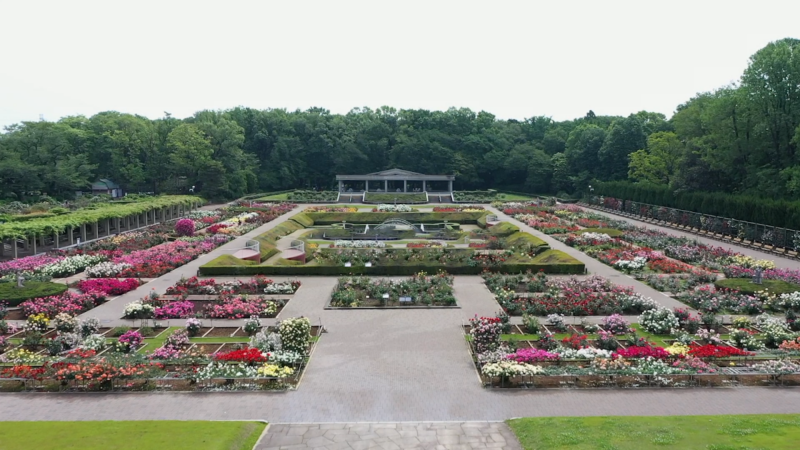
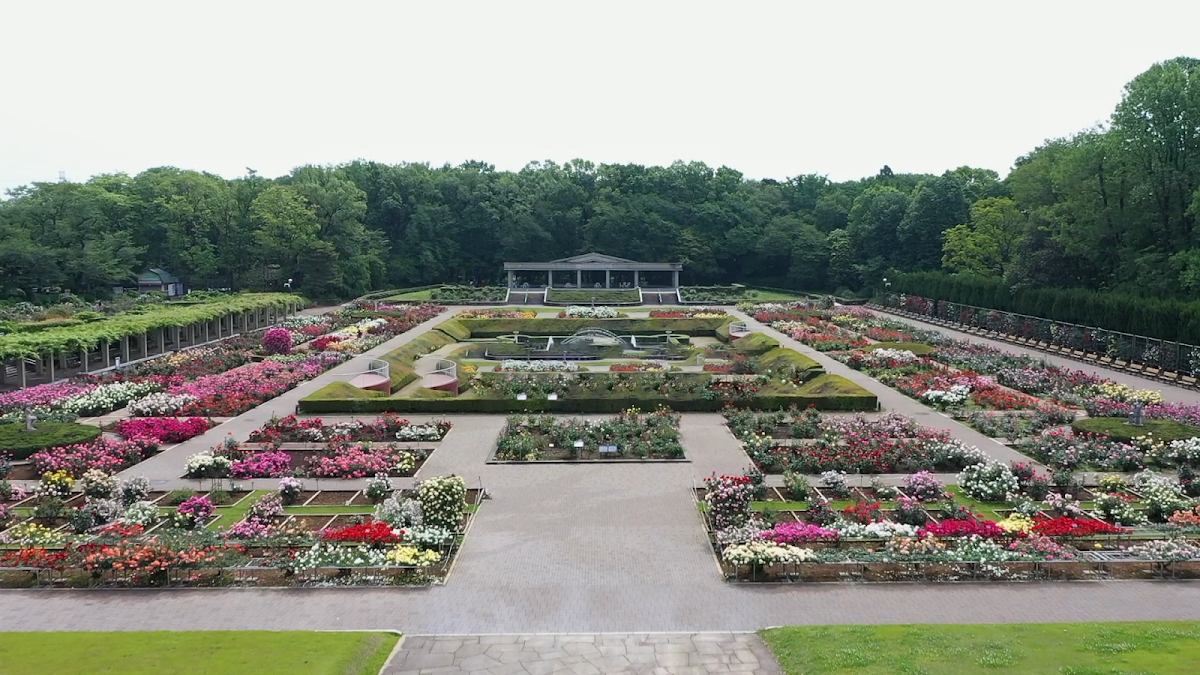
The main attraction of Jindai Botanical Garden is the “rose garden,” which won the World Federation of Rose Societies Award of Garden Excellence in 2009. With approximately 400 varieties and 5,200 rose plants, the garden becomes filled with vibrant colors and fragrance during spring and autumn peak seasons.
Peak Seasons for the Rose Garden:
- Spring: mid-May to late June
- Autumn: mid-October to late November
The design, arranged radially around a fountain, is carefully crafted to maximize the beauty of the roses and is popular as a photography spot.
Large Greenhouse – A Paradise of Tropical and Subtropical Plants
The large greenhouse offers year-round viewing of rare tropical and subtropical plants. Many foreign plants such as orchids, begonias, carnivorous plants, and tropical water lilies that are difficult to see in Japan are displayed. The greenhouse maintains controlled temperature and humidity, allowing comfortable plant viewing even in cold seasons, making it ideal for winter visits.
Specialized Gardens for Each Season
Spring Highlights:
- Plum Garden: February to March, approximately 70 varieties of 180 plum trees bloom
- Cherry Blossom Garden: Late March to early April, Somei Yoshino and other cherry varieties
- Peony/Herbaceous Peony Garden: Mid-April to May, magnificent peonies and herbaceous peonies
- Azalea Garden: Late April to mid-May, colorful azaleas
- Wisteria Pergola: Late April to early May, spectacular wisteria flowers
Summer Highlights:
- Japanese Iris Garden: June, various Edo and Higo varieties
- Hydrangea Garden: June to early July
- Water Plant Garden: Water lilies, lotuses, and more
Autumn Highlights:
- Japanese Bush Clover Garden: September, Miyagi bush clover and others
- Dahlia Garden: September to October
- Chrysanthemum Display: Late October to November, large chrysanthemums and cascading chrysanthemums
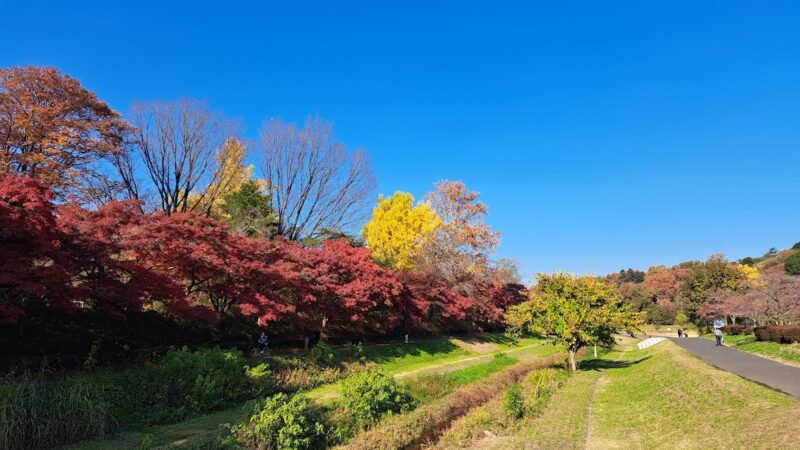
- Fall Foliage: Mid-November to early December, maple trees turn color
Winter Highlights:
- Wintersweet: January to February
- Camellia and Sasanqua: December to March
- Large Greenhouse: Tropical plants available year-round
Other Notable Areas
Plant Hall:
The exhibition room features special exhibitions and plant-related displays, while the assembly room hosts various lectures and events. The Service Center (Administrative Office) is also located here.
Broadleaf Forest Area:
Precious broadleaf forest that retains the Musashino landscape is preserved, where visitors can observe trees such as konara, Japanese beetle tree, and hornbeam, as well as forest floor plants.
Maple Garden:
With approximately 40 varieties of maple trees, spectacular autumn foliage can be enjoyed.
Plant Diversity Center – Tokyo’s Wild Plant Conservation Facility
The Plant Diversity Center, adjoining the north side of Jindai Botanical Garden, is an important facility dedicated to the conservation of wild plants native to Tokyo. Admission is free, and visitors can learn about Tokyo’s plant diversity.
Three Zones in the Learning Garden
1. Okutama Zone:
Recreates the environment of high-altitude mountain areas, displaying plants native to Okutama such as beech and Sakhalin fir.
2. Musashino Zone:
Recreates the broadleaf forest and grassland environment of the former Musashino Plateau, conserving and displaying plants such as dogtooth violet, golden orchid, and Yamayuri lily.
3. Izu Islands Zone:
Recreates the oceanic island climate environment, displaying endemic plants of the Izu Islands such as Hachijo pampas grass and Oshima azalea.
Learning Center for Biodiversity
Approximately 1,000 species of wild plants native to Tokyo are conserved and displayed, allowing visitors to enjoy observing the year-round changes of plants and the animals living around them. The facility plays a central role in Tokyo’s plant diversity conservation, conducting research investigations and educational outreach activities.
Facilities and Services – For Comfortable Plant Viewing
Dog Run
The dog run at Jindai Botanical Garden is located in an open area on the east side outside the main garden. It is a valuable facility for those visiting with their pets.
※Please note that pets cannot be brought into the main garden except in the dog run area.
Garden Map and Guides
Pamphlets and garden maps are available at the entrance. It is recommended to check which areas you wish to visit beforehand to efficiently navigate through the vast garden divided into approximately 30 blocks.
Barrier-Free Information
The garden is accessible by wheelchair and baby stroller. Main garden paths are paved, and multipurpose restrooms are installed. Wheelchair rentals are also available (limited in number).
Dining and Rest Facilities
Rest areas and benches are scattered throughout the garden. Vending machines are available, though full-service dining is limited. Using restaurants in the surrounding Fukuooji area is also a good option.
Events and Lectures – Citizens’ College for Green and Water
Jindai Botanical Garden hosts various events and lectures throughout the year.
Regular Events
Spring Rose Festival:
Held from mid-May to early June, featuring rose cultivation lectures and guided tours.
Autumn Rose Festival:
Held from mid-October to early November, fully showcasing the charm of autumn roses.
Chrysanthemum Exhibition:
October late to November, featuring magnificent large and cascading chrysanthemums.
Citizens’ College for Green and Water
Hosted by the Tokyo Metropolitan Parks Association, the “Citizens’ College for Green and Water” offers specialized plant lectures and gardening classes. A wide range of courses from basic horticulture to specialized knowledge are available.
Volunteer Activities
Volunteer plant guidance and garden maintenance activities are conducted at Jindai Botanical Garden. Those interested in plants can deepen their connection with the botanical garden by participating in volunteer activities.
About Tokyo Metropolitan Parks Association – Park Management and Public Interest Services
Jindai Botanical Garden is managed and operated by the Public Interest Incorporated Foundation Tokyo Metropolitan Parks Association.
Management of Parks, Gardens, and Botanical Gardens
The Tokyo Metropolitan Parks Association manages and operates many parks, gardens, and botanical gardens throughout Tokyo. It provides high-quality park management as places of recreation for residents and as bases for biodiversity conservation.
Water Bus and River Projects
The Tokyo Metropolitan Parks Association not only manages parks but also operates water buses and engages in river projects utilizing Tokyo’s waterfront.
Cemetery and Funeral Hall Operations
Managing municipal cemeteries and operating funeral halls are important business operations of the Tokyo Metropolitan Parks Association.
Subsidy and Public Interest Programs
The association conducts subsidy programs related to greening promotion and environmental conservation, as well as public interest projects, contributing to creating a green environment in Tokyo.
Volunteer and Fund Activities
The association supports volunteer activities and conducts fund activities to protect and nurture green spaces and water. It promotes citizen participation in park development.
Sightseeing Spots Around Jindai Botanical Garden
Fukuooji Temple
Adjacent to Jindai Botanical Garden, Fukuooji Temple is known as the second oldest temple in Tokyo after Senso-ji Temple. Fukuooji soba is also famous, and visitors can enjoy both temple visits and dining. It is recommended to visit both the botanical garden and temple.
Fukuooji Soba
Many soba restaurants line the area around Fukuooji Temple, known as “Fukuooji soba.” Enjoying the famous soba after plant viewing is one of the pleasures of Chofu sightseeing.
Musashino Nature
The area surrounding Jindai Botanical Garden preserves valuable natural environment retaining the Musashino landscape. Walking paths along Nogawa River are also developed for nature observation.
Information and Etiquette to Know Before Visiting
Clothing and What to Bring
Since the vast garden requires walking, comfortable shoes are recommended. A parasol, hat, and drinks are also good to bring along. Bringing a camera allows for photographing beautiful plants throughout the seasons.
Garden Etiquette
- Collecting or damaging plants is prohibited
- Smoking is prohibited outside designated areas
- Pets cannot be brought into the main garden (except in the dog run area)
- Photography using tripods requires consideration for other visitors
Crowded Periods
Peak rose seasons (May, October to November), cherry blossom season (late March to early April), and fall foliage season (November) are particularly crowded. Weekday mornings are recommended for a leisurely viewing experience.
Annual Pass
For frequent visitors, purchasing an annual pass is economical. Visiting multiple times throughout the seasons allows you to enjoy the changes in plants.
Maximizing the Charm of Jindai Botanical Garden
Jindai Botanical Garden, as Tokyo’s only botanical garden, is home to approximately 4,800 species and 100,000 plants, making it a representative facility of Tokyo. From the rose garden that won the World Federation of Rose Societies Award to seasonal flowers, tropical plants in the large greenhouse, and the Musashino broadleaf forest, there are countless attractions to see in a single day. The Plant Diversity Center allows visitors to learn about Tokyo’s wild plants and appreciate the importance of biodiversity conservation. Under high-quality management by the Tokyo Metropolitan Parks Association, the enriched events and lectures ensure new discoveries with each visit.
Taking advantage of its location adjacent to Fukuooji Temple, a full day of sightseeing combining temple visits and Fukuooji soba is popular. Easy access from the city center makes it a valuable spot for day trips combining nature and culture.
Jindai Botanical Garden presents a different face each season: spring cherry blossoms and peonies, early summer roses and Japanese irises, autumn roses and fall foliage, winter camellias and plums. Visiting in each season allows you to fully experience the beauty and vitality of plants.
This botanical garden, a source of pride for Chofu City in Tokyo, is the perfect place to connect with nature and refresh your spirit amid urban life. Please visit at least once.