
Akikawa Gorge, Tokyo | Complete Guide to the Natural Attractions and How to Enjoy This Wilderness Just 60 Minutes from the City Center
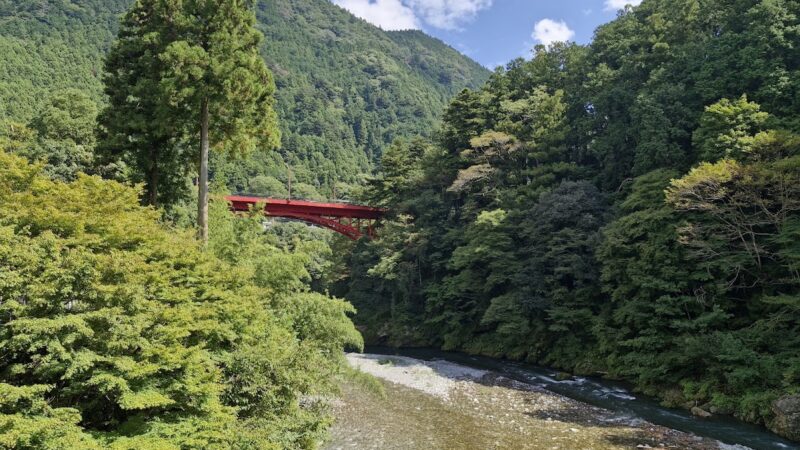
Akikawa Gorge spreads across an abundance of nature that you wouldn’t expect to find within Tokyo. Despite being just 60 minutes from central Tokyo by train or car, it offers a different world surrounded by clear streams and verdant mountains. This article provides detailed information about the charm of Akikawa Gorge, specific ways to enjoy it, access methods, and local cuisine—everything you should know before visiting.
What is Akikawa Gorge? Tokyo’s Natural Sanctuary
Akikawa Gorge is a ravine created by the Akikawa River, said to be the largest tributary of the Tamagawa River. Spanning approximately 20 kilometers from Akiruno City to Hinohara Village, it is known as one of Tokyo’s finest natural areas to fully enjoy nature.
Geography and Characteristics of Akikawa Gorge
Akikawa Gorge extends from the area around Ajiro Bridge to the Minami-Akikawa and Kita-Akikawa areas in Hinohara Village. Characterized by gentle terrain, it is easy to walk even for beginners. The water quality of the clear Akikawa River is excellent, and in summer, it becomes crowded with families and groups enjoying river activities and barbecues.
The landscape changes with the seasons—fresh greenery in spring, cool summer, autumn foliage, and serene winter—captivating the hearts of visitors. Particularly from mid-November to early December during the autumn foliage season, the entire gorge turns red and yellow, offering spectacular scenery.
The Appeal of Its Convenient Location 60 Minutes from the City Center
One of the greatest attractions of Akikawa Gorge is its excellent accessibility. From Shinjuku Station, you can reach it in about 60 minutes by transferring between the JR Chuo Line and the Gotanichi Line. By car, using the Chuo Expressway, you can arrive in a little over an hour from the city center. As a sightseeing spot where you can easily enjoy nature in a single day, it’s perfect for weekend refreshment.
Highlights and Sightseeing Spots in Akikawa Gorge
Ishifune Bridge (石舟橋)
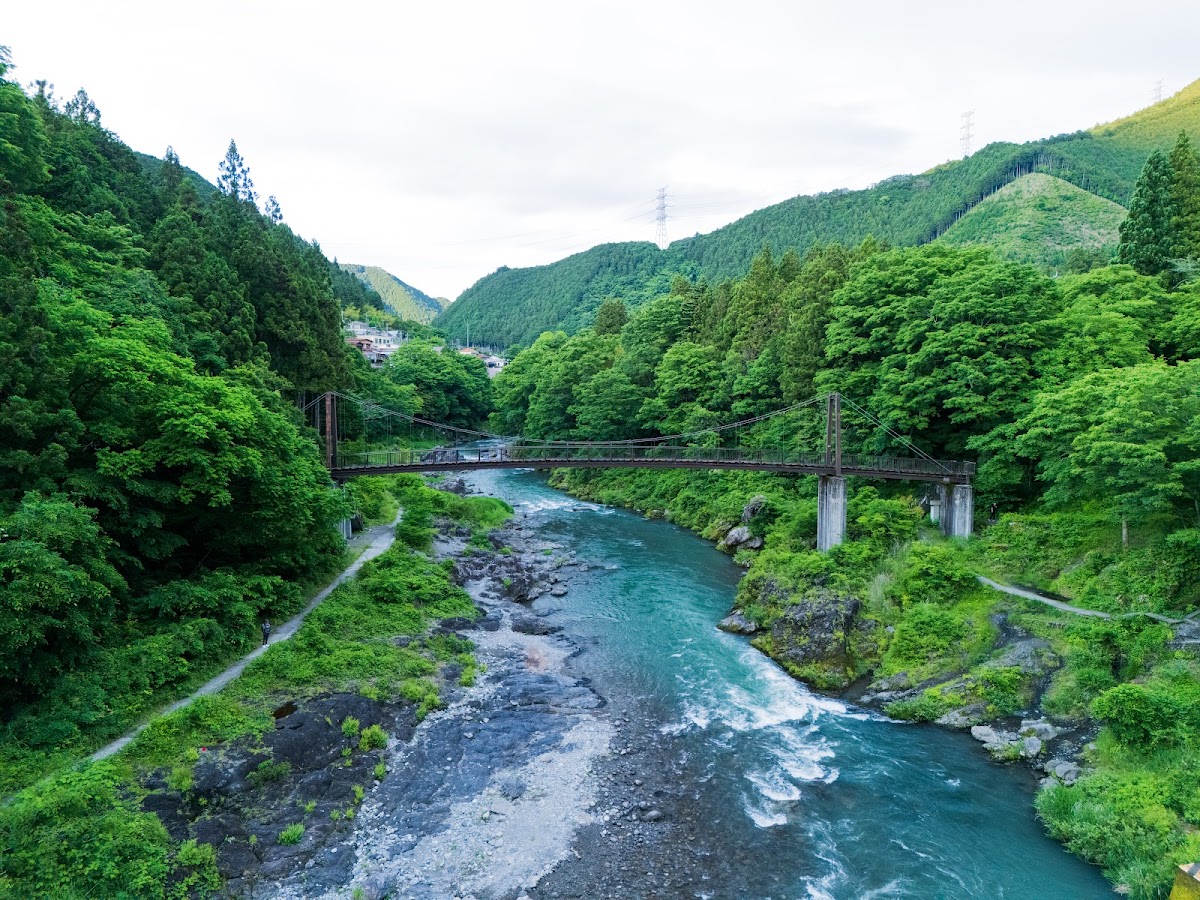
The Ishifune Bridge, virtually a symbol of Akikawa Gorge, is a 96-meter-long pedestrian-only suspension bridge spanning the Akikawa River. With its sturdy construction, you can cross with confidence, and the gorge scenery viewed from the bridge is spectacular. Especially during the autumn foliage season, the carpet of fallen leaves visible from the bridge is beautiful, attracting many visitors.
As you cross the bridge with its gentle swaying, you can enjoy the view of the clear stream below and the surrounding mountains—truly an experience unique to Akikawa Gorge. It’s also popular as a photography spot and offers different scenes throughout the seasons.
Other Recommended Scenic Spots
Akikawa Gorge has several other bridges where you can enjoy spectacular views besides Ishifune Bridge.
- Owada Bridge: A spot where you can enjoy gorge scenery in a quiet atmosphere
- Katsuki Bridge: A bridge that is particularly atmospheric when visited on moonlit nights
- Aoki-daira Bridge: An access point to hiking courses in the surrounding area
Walking while visiting these bridges is another way to enjoy Akikawa Gorge.
Akikawa Gorge Seon-no-Yu
Not to be missed when visiting Akikawa Gorge is “Seon-no-Yu.” The open-air bath overlooking the gorge is exceptional, perfect for refreshing your body tired from hiking or barbecuing. The facility also has a dining area using local ingredients, ideal for ending your day.
The hot spring features source water with no additional heating, and its alkaline mineral quality is expected to have beauty benefits for the skin. With indoor baths, outdoor baths, and saunas, the facilities are well-equipped, allowing you to spend relaxing time.
Activities and Attractions in Akikawa Gorge
Barbecue (BBQ)
The riverbanks of Akikawa Gorge are known as one of Tokyo’s finest barbecue spots. Barbecuing while listening to the babbling of clear streams, surrounded by greenery, is an extraordinary experience.
During summer season, it’s crowded with families and groups. The riverbank has adequate flat areas, making it easy to set up tents and tarps. However, some locations may require reservations or charge usage fees, so it’s recommended to check in advance.
River Play and Water Activities
The clear Akikawa River is ideal for water play in summer. With many shallow areas, even families with small children can enjoy water play safely. The river current varies by location, so select safe areas for swimming and consider wearing a life jacket.
Popular river play spots include the area around Ishifune Bridge and the Tori-ki area. In the transparent water, small fish swim, and children can chase fish or enjoy underwater observation.
Stream Fishing
Akikawa is known as a mecca for stream fishing. It’s home to yamame and iwana (types of trout), making it an attractive field for fishing enthusiasts. To fish, you need a fishing permit, so purchase one in advance.
Spring through autumn is the best fishing season, with early summer offering particularly pleasant fishing amid fresh greenery. Some campgrounds allow you to cook and eat your catch on site.
Hiking and Trekking
Various hiking courses suitable for beginners to advanced hikers are maintained around Akikawa Gorge. From trails along the gorge that are easy to walk to full-scale trekking courses up mountains, you can choose according to your fitness level and experience.
Popular hiking courses include:
- Gorge-side Walking Course: Flat and easy to walk, suitable for families
- Komine Park Course: A nature-rich course where you can also enjoy birdwatching
- 养沢Direction Course: A moderately challenging trekking experience
During the fresh greenery season and autumn foliage season, you can feel the seasons changing with your senses as you hike.
Camping
Several campgrounds around Akikawa Gorge offer full-scale outdoor experiences. Campgrounds such as “Shizenjin Village” provide not only tent sites but also bungalows and cottages, allowing even camping beginners to use them with confidence.
At night, you can view the starlit sky, experiencing a sense of unity with nature impossible to feel in the city. You wake to birdsong in the morning and enjoy breakfast in fresh air—a luxury time.
Recommended Cuisine and Sightseeing Spots Around Akikawa Gorge
Kuro-chaya
A must-visit when touring Akikawa Gorge is “Kuro-chaya,” a popular restaurant in a renovated traditional house. It serves kaiseki cuisine and set meals using local ingredients, with the traditional building and garden also being sights to see. It’s recommended to make a reservation and enjoy your meal leisurely.
Dishes made with seasonal local ingredients are delightful both to the eye and palate. Mountain vegetable and river fish dishes, in particular, offer flavors unique to Akikawa Gorge.
Aburayya Ryokan
The historic hot spring inn “Aburayya Ryokan” also offers day-trip bathing. Its retro atmosphere and source spring water are appealing features. A dining area is also available, serving dishes made with local ingredients.
Otake Stalactite Cave
Worth visiting by taking a detour from Akikawa Gorge is “Otake Stalactite Cave.” Designated as a natural monument of Tokyo, it offers exploration of a mysterious underground world. Even in summer, the cool cave interior is perfect for escaping the heat.
Cafés in the Surrounding Area
The Akikawa Gorge area has charming cafés scattered throughout. There are cafés serving menus featuring local vegetables and fruits, as well as retro-atmosphere cafés in renovated traditional houses—a variety of distinctive shops.
Stopping by during a hiking break or between sightseeing to spend relaxed time is also recommended.
Access to Akikawa Gorge
By Train
Nearest Station: JR Gotanichi Line “Musashi-Itsukaichi Station”
- From Shinjuku Station on the JR Chuo Line to Tachikawa Station (approximately 40 minutes)
- Transfer to the JR Gotanichi Line at Tachikawa Station to Musashi-Itsukaichi Station (approximately 30 minutes)
- From Musashi-Itsukaichi Station, use Nishi-Tokyo Bus
Main Bus Routes (Bus Stop 1 from Musashi-Itsukaichi Station):
- Kazuma, Ohzawanoaki Entrance, Fujikura bound: toward Ishifune Bridge and Akikawa Gorge Seon-no-Yu
- Kamiyosozawa bound: toward Tokuin Temple and Yosozawa areas
Being only about 60 minutes from the city center, transfer between train and bus allows relatively smooth access. Weekend and holiday traffic may cause congestion, so a plan with extra time is recommended.
By Car
Main Routes:
- Approximately 40 minutes from “Hachioji IC” on the Chuo Expressway
- Approximately 20 minutes from “Akiruno IC” on the Kanto-Oukai Expressway
Parking is available around Ishifune Bridge and Seon-no-Yu, but may become congested on holidays and during autumn foliage season. Try to arrive early or consider using public transportation.
Setting your car navigation to “Akikawa Gorge Seon-no-Yu” (Address: 565 Otsu, Akiruno City, Tokyo) is convenient.
Seasonal Enjoyment Methods and Events
Spring (March to May)
Spring at Akikawa Gorge is when fresh greenery is beautiful. The vivid green of budding trees contrasts beautifully with the clear stream. Comfortable temperatures make it ideal for hiking.
Some areas allow mountain vegetable picking, letting you directly experience nature’s bounty. Remember that picking is prohibited on private land or restricted areas—enjoy while following rules.
Summer (June to August)
Summer is Akikawa Gorge’s busiest season. The riverbanks are lively with people enjoying river play and barbecues, with families and groups in full celebration.
The Akikawa Gorge Hydrangea Festival is also held, with hydrangeas blooming along the gorge becoming early summer features. The combination of cool gorge air and beautiful hydrangeas makes you forget the city heat.
Autumn (September to November)
The autumn foliage at Akikawa Gorge peaks from mid-November to early December. The entire gorge turns red, yellow, and orange—an incredible sight you wouldn’t expect in Tokyo.
The autumn foliage view from Ishifune Bridge is particularly popular, with many photographers and tourists visiting. Hiking while collecting autumn leaves is also recommended, with changing scenery at each step.
Winter (December to February)
Winter at Akikawa Gorge is wrapped in silence with a calm atmosphere. With fewer tourists, it’s an off-season spot for those wanting to savor nature leisurely.
Clear air allows views of distant mountains with spectacular scenery. Warming yourself in hot spring facilities while viewing winter gorge scenery is winter’s special luxury.
Model Courses for Akikawa Gorge Tourism
Day Trip by Train Course (6 hours)
9:00 Arrive at Musashi-Itsukaichi Station, move to Ishifune Bridge by bus
9:30 Explore Ishifune Bridge, photography
10:30 Gorge-side hiking
12:00 Lunch at Kuro-chaya
14:00 Hot spring at Akikawa Gorge Seon-no-Yu
15:30 Relax at nearby café
16:30 Return to Musashi-Itsukaichi Station
Family Outdoor Adventure Course (1 night, 2 days)
Day 1
11:00 Arrival, campground check-in
12:00 Barbecue lunch
14:00 River play
18:00 Dinner and campfire at campground
20:00 Star gazing
Day 2
8:00 Breakfast
9:00 Light hiking
11:00 Check-out
12:00 Hot spring at Seon-no-Yu
14:00 Return trip
Points and Precautions When Visiting Akikawa Gorge
Clothing and Belongings
- Comfortable Clothing: Easy-to-walk shoes are essential for hiking and exploring
- Seasonal Equipment: Sunscreen and hats for summer, warm clothing for fall and winter
- Rain Gear: Mountain weather changes quickly, so rain wear provides peace of mind
- Drinks and Snacks: Recommended to bring as vending machines and shops are limited in some areas
Safety for Enjoyment
- River Play Caution: Avoid during flooding; check weather conditions
- Hiking Planning: Plan with time to return before sunset
- Trash Removal: For nature protection, take all trash with you
- Fire Safety: Use barbecues only in designated areas and extinguish carefully
Tips for Avoiding Crowds
Crowding is expected on weekends and during foliage season. Arriving early in the morning or visiting on weekdays allows you to enjoy Akikawa Gorge leisurely. Since Ishifune Bridge is a popular spot, early morning is best for photography.
Accommodations Around Akikawa Gorge
While Akikawa Gorge can be fully enjoyed as a day trip, staying overnight lets you immerse yourself more deeply in nature.
Inns and Minshuku
Historic inns like Aburayya Ryokan offer hot springs and local cuisine. Staying in traditional buildings provides a special time that makes you forget daily life.
Campgrounds and Cottages
Campgrounds like Shizenjin Village offer various accommodations from tent camping to cottage stays. Overnight experiences like nighttime star observation and morning forest bathing await.
Conclusion: Great Nature 60 Minutes from the City Center, Akikawa Gorge
Akikawa Gorge is a precious sightseeing spot where you can fully enjoy abundant nature while remaining within Tokyo. With excellent accessibility—approximately 60 minutes by train from the city center or a little over an hour by car—you can visit for a day trip with ease.
Beautiful scenery changing with seasons, river play in clear streams, full-scale hiking, and relaxation in hot springs—the ways to enjoy are endless. Whether visiting with family, friends, or traveling solo, each style can experience nature’s connection.
If seeking a weekend refreshment spot where you can escape city hustle and soothe your spirit, Akikawa Gorge is an ideal choice. Check the Akiruno City Tourism Association’s official website for the latest information and event details, and plan your trip to Akikawa Gorge. The babbling of clear streams and verdant mountains await, beckoning you to this heartwarming natural sanctuary.