Hatonomsu Gorge, Tokyo | Complete Guide to Access, Autumn Leaves, and Hiking 2025
What is Hatonomsu Gorge
Hatonomsu Gorge is a scenic spot located in Okutama Town, Nishi-Tama District, Tokyo, representing the upper reaches of the Tamagawa River. With a cliff approximately 40 meters high and the Tamagawa River flowing beneath it, weaving through massive and oddly-shaped rocks, it evokes a sense of deep mountain atmosphere that seems unimaginable within Tokyo.
This gorge is a natural formation created by the Tamagawa River eroding the Chichibu sedimentary rocks over a long period, and it has become one of the most popular tourist destinations in the Okutama area. The gorge beauty extending approximately 500 meters from Hatonomsu Station to Shiromaru Station continues to captivate hikers, nature enthusiasts, and photographers.
The origin of the gorge’s name has various theories, but it is said to have been named after the many pigeons that once nested in this area. Today, it is cherished by many tourists as a precious natural heritage of Tokyo.
Highlights of Hatonomsu Gorge
Spectacular Views from Hatonomsu Small Bridge (Suspension Bridge)
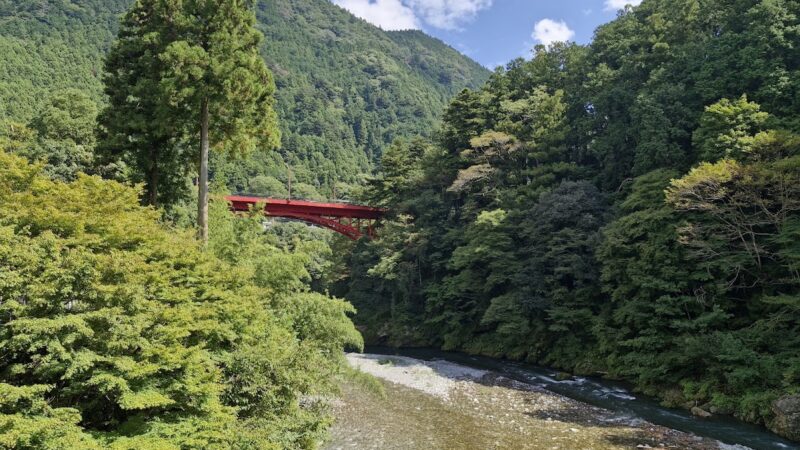
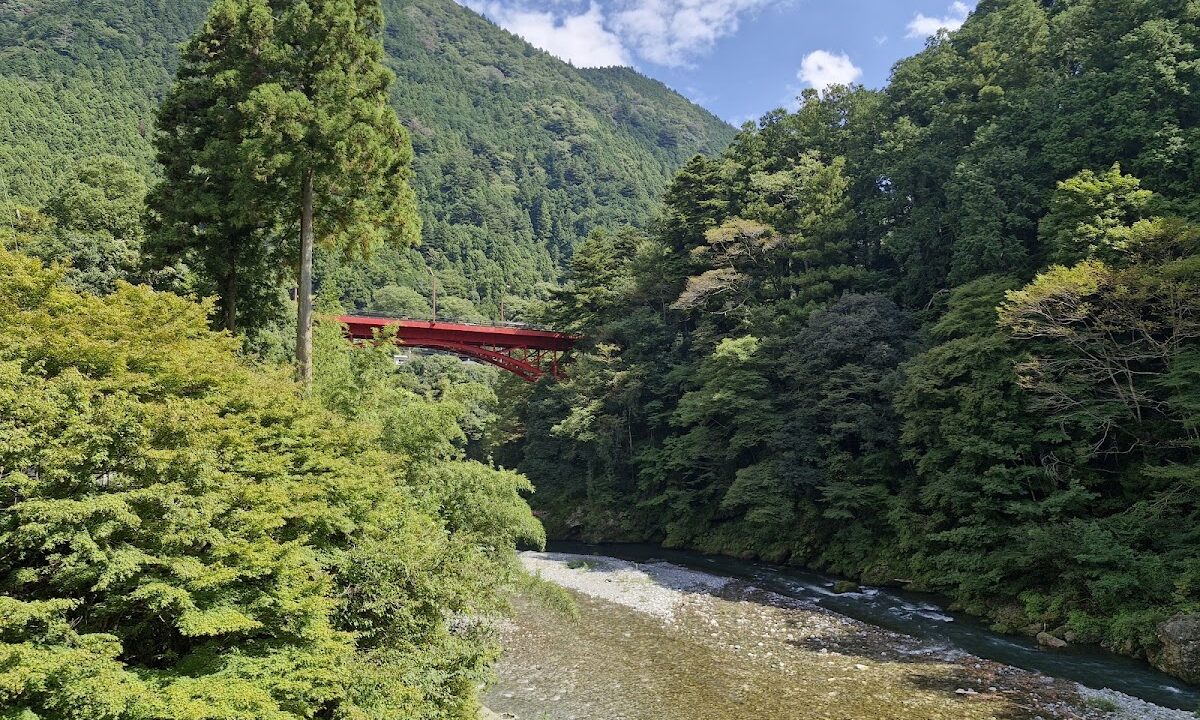
The greatest highlight of Hatonomsu Gorge is the suspension bridge spanning the gorge. The view from this bridge is breathtaking, offering a panoramic view of the clear stream and massive rocks below. From the bridge, you can hear the refreshing sound of the Tamagawa River’s rapids hitting the rocks, allowing you to feel nature with all five senses.
The suspension bridge sways, so you can enjoy the spectacular view while experiencing thrills. It’s a popular photo spot, and especially during the autumn foliage season, many photographers visit.
Gorge Beauty Created by Massive and Oddly-Shaped Rocks
The characteristic of Hatonomsu Gorge is, above all, its unique rock formations. Massive and oddly-shaped rocks sculpted by long-term water flow can be seen throughout the gorge, allowing you to experience the power of nature. The contrast between the rough rock surface and the clear stream flowing between them creates a unique landscape found only in this gorge.
Especially during periods of high water flow, the water spray hitting the rocks is beautiful, and you can observe a dynamic side of nature.
Beauty of the Clear Stream and Tamagawa River
The clear stream of the Tamagawa River flowing through Hatonomsu Gorge has high transparency, allowing you to see rocks on the riverbed. The water flow varies by area, displaying various expressions from gentle pools to violent rapids.
In summer, many people visit seeking coolness, and the sound of the stream provides pleasant healing. However, swimming is prohibited, so enjoy viewing only.
Hatonomsu Gorge Through the Four Seasons
Spring’s Fresh Greenery
In spring, Hatonomsu Gorge is enveloped in vivid green as new buds sprout. The way nature regains its vitality after the harshness of winter is full of life force. From late April to May, mountain cherry blossoms also bloom, and the contrast between soft pink and fresh green is beautiful.
The Tamagawa River, with increased snowmelt water, displays a more powerful flow, allowing you to enjoy dynamic scenery unique to spring.
Summer’s Lush Green Gorge
Summer at Hatonomsu Gorge is the season when greenery is most abundant. The gorge covered in deep green provides a coolness that makes you forget the heat of the urban area. Walking along the forest trail beside the gorge, you can enjoy comfortable hiking even in midsummer with shade and cool breeze from the river.
The sound of the clear stream and the green tunnel function as a natural cooler mitigating summer heat. However, thunderstorms can occur in the afternoon during summer, so weather forecast confirmation and early action are recommended.
Autumn Foliage Season
Hatonomsu Gorge is most beautiful from early to mid-November during the autumn foliage season. Both sides of the gorge are colored in crimson and yellow, creating a breathtakingly beautiful contrast with the clear stream.
The foliage season is when Hatonomsu Gorge is busiest with tourists. Especially on weekends and holidays, it becomes crowded, so visiting on weekdays or early morning is recommended. Since the peak foliage period varies slightly year to year, it’s advisable to confirm the latest foliage information before your visit.
The gorge’s autumn leaves viewed from the suspension bridge are truly spectacular. Bring a camera and record the beauty unique to this season.
Winter’s Quiet Landscape
In winter, Hatonomsu Gorge is enveloped in silence with fewer tourists. The contrast between rock faces visible through bare trees and the clear stream has a different charm from other seasons. Sometimes you can see the gorge covered in snow, allowing you to enjoy a fantastical landscape.
Winter has low temperatures, and forest trails can freeze, so cold protection and slip-resistant shoes are necessary. However, it can also be said to be an off-the-beaten-path season where you can quietly savor nature.
Access to Hatonomsu Gorge
Access by Train
Public transportation is convenient for accessing Hatonomsu Gorge. The nearest station is Hatonomsu Station on the JR Ome Line, located conveniently about a 5-minute walk from the station.
Access Example from Tokyo Station:
- From Tokyo Station to Tachikawa Station via JR Chuo Line (approximately 40 minutes)
- Transfer to JR Ome Line at Tachikawa Station to Hatonomsu Station (approximately 60 minutes)
- Total travel time: approximately 2 hours
Access Example from Shinjuku Station:
- From Shinjuku Station to Tachikawa Station via JR Chuo Line (approximately 30 minutes)
- Transfer to JR Ome Line at Tachikawa Station to Hatonomsu Station (approximately 60 minutes)
- Total travel time: approximately 1.5 to 2 hours
Hatonomsu Station is an unmanned station, but IC cards are accepted. From the station to the gorge is about 40 meters down the Ome Kaido street. With well-maintained signs, you’re unlikely to get lost.
Access by Car
When visiting by car, use the Chuo Expressway.
Main Routes:
- From Hachioji IC on the Chuo Expressway via National Route 411 (Ome Kaido) in approximately 60 minutes
- From Ome IC on the Ken-O Expressway via National Route 411 in approximately 40 minutes
There are small-scale parking lots around Hatonomsu Station, but with limited spaces, early arrival is necessary during busy periods like foliage season. Alternatively, you can use parking at Okutama Station and take the train to Hatonomsu Station from there.
Roads become congested on weekends and foliage season, so it’s recommended to plan with extra time.
Parking Information
The following parking areas are available around Hatonomsu Gorge:
- Hatonomsu Station Parking Lot: Small parking lot with only a few spaces
- Okutama Town Parking Lots: Multiple lots near Okutama Station with train access available
Parking lots often fill up during foliage season and weekends, so using public transportation is strongly recommended.
Hatonomsu Gorge Hiking Courses
Hatonomsu Station to Shiromaru Station Course (Beginner-Friendly)
The most popular hiking course runs about 2 kilometers from Hatonomsu Station to Shiromaru Station, taking approximately 1 hour. This course is relatively flat and suitable for beginners and families.
Course Highlights:
- Start from Hatonomsu Station
- Cross the Hatonomsu Small Bridge (suspension bridge)
- Hike along the gorge forest trail
- Visit Shiromaru Dam
- End at Shiromaru Station
The forest trail is well-maintained, but some scars remain from the impact of Typhoon 19 in 2019. While currently passable, the trail may be closed during rainy weather or when water levels are high, so advance confirmation is necessary.
Course Toward Furusato Station
Taking a left before the Hatonomsu Small Bridge, there’s also a course toward Furusato. This route is longer but recommended for those wanting to experience deeper nature.
Hiking Precautions
- Clothing: Wear comfortable clothing and slip-resistant hiking shoes
- Items to Bring: Drinking water, light snacks, rain gear, map (smartphone map apps are also effective)
- Weather Confirmation: Always check the weather forecast before departure; don’t push yourself during rain or high water
- Time Management: Plan to return to the station before sunset with time to spare
- Trash: Always take it with you; help protect the natural environment
- Swimming Prohibited: Swimming in the Tamagawa River is prohibited
Shiromaru Dam and Surrounding Facilities
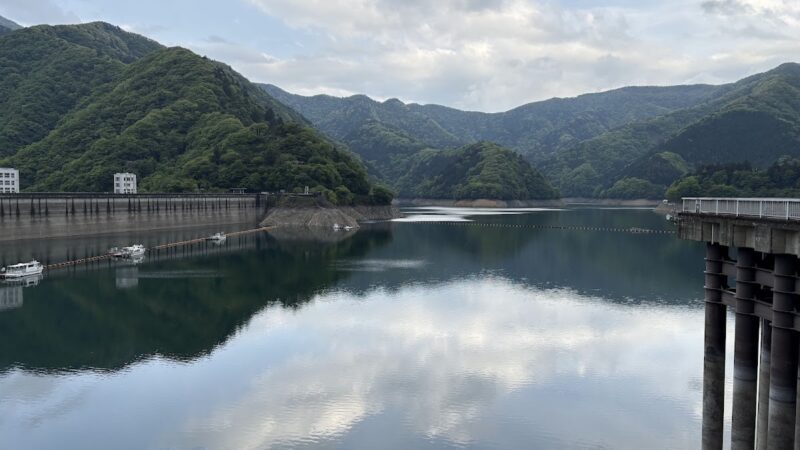
As you progress through the Hatonomsu Gorge hiking course, you’ll reach Shiromaru Dam. This dam, built on the Tamagawa River for power generation, has beautiful dam lake scenery that’s another highlight.
Shiromaru Dam has a fish passage observation room where you can observe fish such as ayu and yamame ascending. Especially from spring through early summer, fish activity is active, allowing for interesting observations.
There’s also a rest area around the dam, ideal for taking a break during hiking.
Tourist Spots Around Hatonomsu Gorge
Okutama Lake
About 20 minutes by car from Hatonomsu Gorge, Okutama Lake is an artificial lake known as Tokyo’s water reservoir. Forest trails are maintained around it, allowing you to enjoy lakeside walks and autumn foliage viewing. It’s also popular as a driving course, with spectacular views from the road circling the lake.
Mount Mitake
Mount Mitake is a sacred mountain long revered in mountain worship traditions, accessible via cable car. The summit features Musashi Mitake Shrine and is popular as a power spot. With abundant hiking courses, you can fully enjoy Okutama’s nature combined with Hatonomsu Gorge.
Okutama Onsen Moegi no Yu
A day-use hot spring facility about 10 minutes walk from Okutama Station. It’s ideal for soothing tired bodies after hiking, and the outdoor bath offers views of Okutama’s mountains. It also has a restaurant serving local cuisine.
Nippara Stalactite Cave
One of the largest stalactite caves in the Kanto region, maintaining a year-round temperature of about 11 degrees Celsius. Cool in summer and warm in winter, it’s a strange space. You can enjoy the aesthetic beauty of mystical stalactite formations.
Okutama no Kaze Hatonomsu-so
Near Hatonomsu Gorge is “Okutama no Kaze Hatonomsu-so,” an accommodation facility. Recommended for those wanting to fully experience Okutama’s nature after enjoying the gorge.
This inn allows you to experience Okutama’s four seasons while relaxing, and meals using local ingredients are highly praised. Within walking distance from Hatonomsu Station, it’s a convenient base for hiking. Staying overnight allows you to enjoy the quiet gorge scenery at dawn and dusk, experiencing Okutama’s charm that day visitors can’t fully appreciate.
Gourmet Information Around Hatonomsu Gorge
Okutama Soba
The Okutama area is blessed with high-quality water and is known for delicious soba. Hand-pulled soba shops using locally-produced soba flour are scattered around Hatonomsu Station and Okutama Station. After hiking, refreshing yourself with cold buckwheat noodles or warm noodle soup is recommended.
River Fish Cuisine
Dishes using river fish caught in the Tamagawa River are local specialties of Okutama. You can enjoy yamame and iwana (sweetfish) salted and grilled, or candied preparations. River fish raised in clear streams have no unpleasant odors and firm, delicious meat.
Cafes and Rest Areas
Around Okutama Station, cafes and light food establishments using local ingredients are available. Convenient for breaks before and after hiking or souvenir shopping.
Basic Information About Hatonomsu Gorge
Location: Tanasawa, Okutama Town, Nishi-Tama District, Tokyo
Access: About 5 minutes walk from JR Ome Line Hatonomsu Station
Operating Hours: Always open (though nighttime visits are not recommended)
Admission: Free
Parking: Available (limited spaces; may be full during busy times)
Inquiries: Okutama Town Tourist Information Center (0428-83-2152)
Precautions:
- Swimming prohibited
- Always take trash with you
- Forest trails may close during high water or bad weather
- Confirm the latest information on Okutama Town’s official website
Precautions and Etiquette When Visiting Hatonomsu Gorge
Safety Precautions
As Hatonomsu Gorge is in a natural area, the following points require attention:
- Danger from High Water: The Tamagawa River can rise rapidly after heavy rain or during typhoons. Avoid approaching the forest trail when water levels are high.
- Slippery Areas: Rocks and forest trails become slippery when wet. Caution is especially needed after rain.
- Danger of Falling Rocks: Falling rocks are possible along the gorge. Stay on designated trails.
- Wildlife: Bears and wild boars inhabit the area. Carry a bear bell and avoid solo hiking.
Environmental Protection Etiquette
- Take Out All Trash: There are no garbage bins around the gorge. Always take all trash with you.
- Do Not Harvest Plants: Don’t damage or harvest wild plants or trees.
- Be Mindful of Noise: This is a place to enjoy natural silence. Avoid loud conversations and music.
- Follow Designated Routes: Entering outside the forest trail risks environmental destruction.
History and Geology of Hatonomsu Gorge
The formation of Hatonomsu Gorge took millions of years. The geological layers in this region, called the Chichibu Paleozoic Layer, were formed during the Paleozoic Era approximately 300 to 250 million years ago.
The Tamagawa River’s flow eroded this hard Paleozoic layer over a long period, creating the deep gorge visible today. The massive and oddly-shaped rocks visible in the gorge are natural works of art born from this erosion.
During the Edo period, this area flourished as a timber-producing region, with timber transport via the Tamagawa River (raft floating) occurring. It’s hard to imagine from today’s peaceful tourist destination, but this was once a thriving forestry area.
Photography Tips
Hatonomsu Gorge is an excellent photography spot for enthusiasts. The following points are particularly recommended:
Photography from Hatonomsu Small Bridge
From the suspension bridge, you can photograph the gorge looking down. During foliage season, you can capture beautiful photos with vibrant trees and clear stream contrasts. Early morning light is especially recommended.
From the Gorge Forest Trail
The trail allows close-up shots of clear streams and massive rocks. Slow shutter photography effectively expresses water flow. Bringing a tripod enables broader creative expression.
Best Photography Seasons and Times
- Foliage Season (Early to Mid-November): Most colorful photos possible
- Fresh Greenery Season (Late April to May): Vivid green is beautiful
- Early Morning: Fewer tourists and mystical atmosphere with morning light
- Cloudy Days: Soft light well expresses gorge texture
Event Information
Throughout the year, various events are held in Okutama Town. Main events enjoyable around Hatonomsu Gorge include:
Okutama Fureai Festival (Autumn)
A festival featuring local specialty sales and folk performing arts, allowing you to experience Okutama’s attractions. Often coinciding with Hatonomsu Gorge’s foliage season, you can enjoy both nature and events.
Hiking Events
Regularly held guided hiking events hosted by the Okutama Town Tourism Association. Local guides provide insights into the gorge’s history and nature, allowing deeper learning.
For event details and dates, check Okutama Town’s official website or tourism association homepage.
Okutama Tourism Model Courses Including Hatonomsu Gorge
Day Trip Course (Beginner-Friendly)
9:00 Arrive at Hatonomsu Station
9:10 Begin Hatonomsu Gorge exploration, photograph at Hatonomsu Small Bridge
10:30 Arrive at Shiromaru Dam, view fish passage observation room
11:00 Travel by train from Shiromaru Station to Okutama Station
11:30 Lunch around Okutama Station (soba or river fish cuisine)
13:00 Drive or take bus to Okutama Lake
14:00 Walk around Okutama Lake
15:30 Bathe at Okutama Onsen Moegi no Yu
17:00 Return home from Okutama Station
1 Night 2 Day Course (Thorough Enjoyment)
[Day 1]
Morning Hatonomsu Gorge Hiking
Afternoon Mount Mitake Tourism (cable car and hiking)
Evening Check in at Okutama no Kaze Hatonomsu-so or similar accommodations
Night Enjoy local cuisine
[Day 2]
Morning Visit Nippara Stalactite Cave
Afternoon Explore around Okutama Lake
Evening Bathe at hot springs, then return home
This way, using Hatonomsu Gorge as a starting point, you can fully enjoy Okutama area attractions.
Seasonal Clothing and Items to Bring
Spring (March to May)
- Clothing: Long-sleeved shirt, light jacket, long trousers
- Items: Hat, sunscreen, drinking water, light snacks
- Notes: Early mornings and evenings can be cool; wear adjustable clothing
Summer (June to August)
- Clothing: Breathable long-sleeved shirt, quick-dry trousers
- Items: Hat, sunscreen, insect repellent spray, towel, plenty of water
- Notes: Sun protection and heat stroke prevention are crucial. Watch for afternoon thunderstorms
Autumn (September to November)
- Clothing: Long-sleeved shirt, fleece or windbreaker, long trousers
- Items: Hat, camera, drinking water, light snacks
- Notes: Foliage season is crowded; arrive early. Early mornings and evenings are cool
Winter (December to February)
- Clothing: Warm coat, fleece, down jacket, gloves, knit hat
- Items: Hand warmers, hot drinks, slip-resistant shoes
- Notes: Watch for path freezing. Plan with extra time as sunset is early
Conclusion: The Charm of Hatonomsu Gorge
Hatonomsu Gorge offers a precious natural landscape evoking deep mountain atmosphere while being within Tokyo. Its convenient access—just a 5-minute walk from Hatonomsu Station—is another attraction, allowing easy experience of great nature.
The landscape created by the Tamagawa River’s massive and oddly-shaped rocks and clear stream displays different expressions through the seasons. Especially during early to mid-November’s foliage season, the gorge displays its most beautiful colors, drawing many visitors.
With abundant sights including the view from Hatonomsu Small Bridge, the hiking course to Shiromaru Dam, and nearby tourist destinations, there’s plenty to enjoy. While day visits are sufficient, staying at accommodations like Okutama no Kaze Hatonomsu-so to slowly savor Okutama’s nature is also recommended.
With convenient access of approximately 2 hours from Tokyo’s city center, experiencing such natural beauty is precious. Please visit Hatonomsu Gorge for weekend getaways or when wanting to escape daily life and refresh. The stream’s murmuring and gorge beauty will surely heal both body and mind.
By protecting the natural environment and following etiquette, we can preserve this beautiful gorge for future generations. When visiting, please remember environmental considerations like taking trash with you and staying on designated trails.