.jpg)
Hakone and Lake Ashi (Kanagawa Prefecture) Complete Guide | Tourism, Access, History, and the Charm of the Four Seasons Explained in Detail
What is Lake Ashi? Basic Information About Kanagawa Prefecture’s Largest Lake
Lake Ashi (Ashinoko) is located in Hakone Town, Ashigara Shimogun, Kanagawa Prefecture, and is the largest lake by area in Kanagawa Prefecture. Known as a caldera lake of the Hakone volcano, it is situated at a high altitude of 724 meters above sea level. The lake’s circumference is approximately 19 kilometers, its area is approximately 7.1 square kilometers, and its maximum depth reaches approximately 43.5 meters.
As a central hub of Hakone tourism, it is a scenic spot visited by numerous tourists throughout the year. On clear days, the majestic Mount Fuji can be seen beyond the lake’s surface, making it one of the most popular scenic spots in the Kanto region.
Formation and Geological Characteristics of Lake Ashi
Lake Ashi was formed approximately 3,000 years ago as a dammed lake when Mount Kamiyama of the Hakone volcano collapsed, and the resulting sediment blocked the Hayakawa River. Located in the crater plain of the Hakone Caldera, it is also a precious natural heritage that conveys the history of volcanic activity.
The lake water is highly transparent, and fish species such as Himemasu and black bass inhabit it, making it known as a fishing spot. Additionally, hot springs well up from the lake bottom in some areas, testament to Hakone’s abundant geothermal activity.
How to Access Lake Ashi
Access by Train and Bus
From Tokyo:
- From Shinjuku Station, approximately 85 minutes by Odakyu Romance Car to Hakone-Yumoto Station
- From Hakone-Yumoto Station, approximately 40 minutes by Hakone Tozan Bus to Motohakone Port or Hakone Town Port
- From Hakone-Yumoto Station, approximately 90 minutes via Hakone Tozan Railway, cable car, and ropeway connections to Townsendai Port
From Yokohama and Odawara areas:
- From Odawara Station, approximately 60 minutes by Hakone Tozan Bus to Motohakone Port
Using the Hakone Free Pass is highly economical, as it includes unlimited round-trip Odakyu line travel and all transportation within the Hakone area.
Access by Car
From Tokyo:
- Approximately 30 minutes from Gotemba IC on the Tomei Expressway via National Route 138
- Approximately 60 minutes from Atsugi IC on the Tomei Expressway via the Odawara-Atsugi Road
From Shizuoka:
- Approximately 30 minutes from Gotemba IC on the Tomei Expressway
Multiple parking lots are available around Lake Ashi, but they tend to be crowded during holidays and peak tourist seasons, so early arrival is recommended. Paid parking lots are provided near Motohakone Port, Hakone Town Port, and Townsendai Port.
Complete Guide to Lake Ashi Tourist Attractions
Enjoy a Lake Cruise on the Hakone Pirate Ship
The classic Lake Ashi sightseeing experience is a lake cruise aboard a sightseeing boat. Particularly popular for its distinctive appearance is the “Hakone Pirate Ship” (operated by Odakyu Hakone Group). Its luxurious hull, modeled after European battleships, looks like a theme park attraction.
Operating Routes:
- Connects three ports: Townsendai Port ⇔ Hakone Town Port ⇔ Motohakone Port
- Travel time: Approximately 25 minutes between Townsendai Port and Motohakone Port; approximately 40 minutes between Townsendai Port and Hakone Town Port
From the ship, you can enjoy 360-degree views of Lake Ashi surrounded by Hakone’s mountains, and on fine days, you can also see Mount Fuji’s majestic peak. It’s enjoyable not only as a means of transportation but also as a full sightseeing activity.
Meanwhile, the “Lake Ashi Sightseeing Boat” (operated by Hakone Yusen and Fuji Kyuko Group) also operates, with different departure piers and applicable discount tickets, so it’s best to choose based on the transportation pass you’re using.
Open Good Fortune Prayer at Hakone Shrine and Hakone Shrine
A representative power spot on Lake Ashi’s shore is “Hakone Shrine.” Founded in 757 (Tenpyo Hoji 1) by Buddhist monk Bankan, this ancient shrine served as the center of Hakone mountain faith and boasts a history of over 1,200 years.
Highlights of Hakone Shrine:
- A crimson torii gate standing in Lake Ashi—the “Peace Torii”—is an excellent photo spot
- A cedar tree-lined approach path with trees over 800 years old
- Known for benefits of traffic safety, wish fulfillment, and good fortune/fortune dispelling
Within walking distance of Hakone Shrine is “Hakone Shrine (New Shrine),” with its main shrine nestled in the forest along the Lake Ashi shore. The Hakone Shrine has long enshrined the guardian deity of Lake Ashi, the Nine-Headed Dragon Deity, known as “Hakone Gongen Mitarashi no Ike (Hakone Gongen Hand-Washing Pond),” and is said to confer benefits for business prosperity, wealth protection, wish fulfillment, and especially romantic fulfillment, attracting many visitors.
Monthly rites are performed at the main shrine on the 13th of each month, with dedicated sightseeing boats operating.
Travel Back in Time at Hakone Checkpoint
The “Hakone Checkpoint” is a precious historical site and the only one completely restored among over 50 checkpoints that existed throughout Japan during the Edo period. Established in 1619 (Genwa 5), it served as an important defensive position for the Edo shogunate, strictly monitoring “incoming firearms and outgoing women.”
Highlights:
- Buildings such as the main guard station, upper guard rest area, and foot soldier guard station are faithfully recreated
- The checkpoint museum displays period travel permits and weapons
- The view of Lake Ashi from the lookout station is spectacular
- The cobblestone old Hakone highway retains vestiges of the era
Both history enthusiasts and those unfamiliar with history can enjoy the atmosphere full of Edo charm.
Experience Mountain Faith at Hakone Genshrine
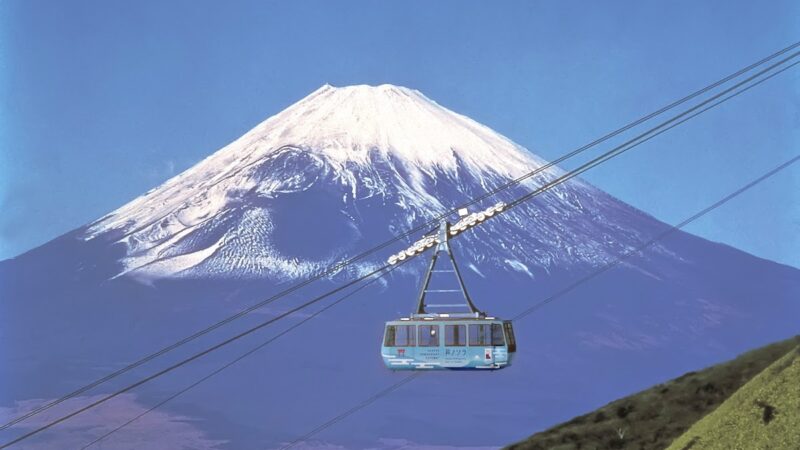
Perched at the summit of Mount Hakone Komagatake (elevation 1,356 meters) is “Hakone Genshrine,” the inner shrine of Hakone Shrine and a sacred site of ancient mountain faith. It’s accessible via approximately 7 minutes of aerial travel on the Komagatake Ropeway.
From the summit, a vast panorama unfolds with Lake Ashi below and views extending to Mount Fuji, Sagami Bay, and Suruga Bay. The vista on clear days is breathtaking. Visiting “Hakone’s Three Shrines” together with Hakone Shrine and Hakone Shrine has become a popular pilgrimage route.
Enjoy Nature and History at Onshi Hakone Park
Kanagawa Prefectural Onshi Hakone Park occupies the former site of the “Hakone Detached Palace,” built during the Meiji period, which was presented to the prefecture by the imperial family for public access in 1946 (Showa 21).
Park Features:
- Expansive grounds spanning approximately 15.9 hectares
- An observation deck with panoramic views of Lake Ashi and Mount Fuji
- Gardens where seasonal flowers bloom throughout the year
- The Lake House exhibits the history of Hakone Detached Palace
- Free admission
Perfect for picnicking and strolling, it’s also recommended for families.
Discover Marine Life at Hakone Garden Aquarium
“Hakone Garden Aquarium” is located at Hakone Garden on the Lake Ashi shore—Japan’s aquarium at the highest elevation. Divided into saltwater and freshwater sections, it’s particularly famous for its Baikal seal shows.
Additionally, Hakone Garden houses the Komagatake Ropeway station, allowing you to enjoy both the aquarium and ropeway together. As a family-friendly leisure facility, it offers a full day’s worth of entertainment.
Hot Springs, Hotels, and Inns Around Lake Ashi
Characteristics of Lake Ashi Hot Springs
For years, Hakone had a saying: “Where Mount Fuji can be seen, no hot spring flows.” However, Lake Ashi Hot Spring was created in 1966 (Showa 41) by drawing water from the Yunohana Sawai hot spring. Since then, the combination of the two great landmarks—Lake Ashi and Mount Fuji—along with its appeal as a summer retreat, has captivated many tourists.
The mineral composition is primarily alkaline simple hot spring water, gentle on the skin with expected beauty effects. At accommodations along the lake shore, guests can experience the luxury of soaking in hot springs while enjoying views of Lake Ashi.
Ashiyuyu Hot Spring Area
Located in the mountains slightly away from Lake Ashi, Ashiyuyu Hot Spring is counted among the Seven Hot Springs of Hakone, a historic spa destination. In 2023, it was designated as a national health and recuperation hot spring, with its spring quality officially recognized.
Characteristics of Ashiyuyu Hot Spring:
- Sulfur spring with white turbid water
- Quiet, remote mountain atmosphere
- Historic inns continuing from the Edo period
- Said to be effective for skin conditions and neurological pain
Recommended Accommodations
The area around Lake Ashi offers diverse lodging options, from luxury resort hotels to traditional hot spring inns and casual hotels.
Luxurious Lakeside Resorts:
- Rooms with spectacular views of Lake Ashi and Mount Fuji
- Many rooms feature hot spring open-air baths
- Fine dining including French cuisine and kaiseki
Hot Spring Inns:
- Japanese spaces reflecting Hakone tradition
- Hot springs with water directly from the source
- Multi-course dinners prepared with local ingredients
Casual Hotels:
- Affordable pricing
- Convenient locations as sightseeing bases
- Ideal for families and group travel
When selecting accommodations, consider the view of Lake Ashi, whether hot springs are available, and the convenience of access.
The Charm of Lake Ashi Through the Four Seasons
Spring (March to May)
Lake Ashi in spring comes alive with cherry blossoms, marking the full start of the tourism season. Due to its high elevation, Hakone’s cherry blossoms bloom 1-2 weeks later than in the lowlands, with peak bloom from mid to late April.
Around Onshi Hakone Park and Hakone Shrine, cherry blossoms and Lake Ashi create beautiful combinations. During the fresh greenery season, Hakone’s mountains become vibrantly green, perfect for leisurely walks in the crisp air.
Summer (June to August)
Lake Ashi in summer is popular as a summer retreat. Due to its high elevation, temperatures are 5-7 degrees Celsius cooler than in central Tokyo, providing cool and comfortable conditions. Lakeside terrace lunches and sightseeing boat cruises are particularly pleasant during this season.
On July 31st, the “Lake Ashi Summer Festival” is held, with a fireworks display on the lake becoming a summer tradition. The beauty of fireworks reflected on the lake surface is exceptional.
Autumn (September to November)
Autumn is arguably the most beautiful season at Lake Ashi. From late October through early November, Hakone’s mountains are painted in fall colors, and the sight of red and golden trees reflected in the lake’s surface is breathtakingly beautiful.
Taking the Komagatake Ropeway from Hakone Garden to the summit reveals a spectacular panorama of Lake Ashi adorned with autumn leaves and Mount Fuji. With clearer air, the probability of seeing Mount Fuji increases.
Winter (December to February)
Winter at Lake Ashi sees fewer tourists, allowing for quiet, leisurely sightseeing. The air is most transparent during this season, and it’s also the best time to see Mount Fuji at its most beautiful.
The combination of snow-capped Mount Fuji and Lake Ashi is truly among Japan’s most stunning vistas. Guests can enjoy winter Hakone while warming themselves in hot spring accommodations. With good fortune, you might encounter the magical sight of snow-covered shores.
Activities to Enjoy at Lake Ashi
Fishing
Lake Ashi is known as a fishing spot where Himemasu (a type of smelt), black bass, rainbow trout, and other fish can be caught. A fishing license is required, available at tackle shops and accommodations along the shore.
Both boat and shore fishing are available, with Himemasu fishing particularly popular from April to September. Many fishing enthusiasts visit during this season.
Cycling
The Lake Ashi area is also popular for cycling. The approximately 19-kilometer course around the lake offers moderate elevation changes and stunning scenery.
Rental bicycle facilities are available, and electric-assist bicycles make it safe for beginners.
Canoeing and Kayaking
During summer, water sports such as canoeing and kayaking are available. The view of Hakone’s mountains and Mount Fuji from the lake offers a different kind of charm.
Facilities offering beginner experience programs allow families and couples to try these activities easily.
Hiking
Multiple hiking courses are developed around Lake Ashi. Options include trails through the historic Hakone Old Road with stone pavement and waterside promenades, allowing choices based on fitness level and time.
The old Hakone highway in particular features historic stone pavement and offers historical exploration opportunities.
Cuisine and Shopping Around Lake Ashi
Local Cuisine
The Lake Ashi area offers distinctive Hakone dining experiences.
Recommended Cuisine:
- Hakone Soba: Buckwheat noodles prepared with Hakone’s pure water are exceptional
- Lakeside Cafes: Afternoon tea with views of Lake Ashi
- Fuji Mountain Beer: Local craft beer for toasting
- Hot Spring Buns: A classic Hakone souvenir
- Black Eggs: An Owakudani specialty available in the Lake Ashi area
Lakeside restaurants offer creative cuisine using local ingredients and Himemasu dishes caught from Lake Ashi.
Souvenirs and Shopping
Shops line the port areas, offering Hakone’s traditional crafts and confections.
Popular Souvenirs:
- Hakone Yosegi-Zaiku: Representative traditional crafts
- Hakone Rusks: Popular for crispy texture
- Tsuki no Usagi: Hakone specialty confection
- Hakone Beer: Local craft beer souvenirs
- Hot Spring Cosmetics: Products containing Hakone spring ingredients
Model Courses for Lake Ashi Sightseeing
Day Trip Course (Duration: Approximately 6-7 hours)
9:00 Arrival at Hakone-Yumoto Station
9:30 Travel by Hakone Tozan Bus to Motohakone Port
10:00 Visit Hakone Shrine and Hakone Shrine
11:30 Lunch at a lakeside restaurant
13:00 Lake Ashi Pirate Ship cruise to Townsendai Port
13:40 Hakone Garden Aquarium or Komagatake Ropeway
15:30 Hakone Checkpoint visit
16:30 Souvenir shopping
17:00 Head home
1-Night, 2-Day Course
[Day 1]
- Morning: Arrival at Hakone-Yumoto, visit Hakone Shrine
- Afternoon: Hakone Pirate Ship cruise, Hakone Checkpoint visit
- Evening: Check into a hot spring inn on the lake shore
- Night: Enjoy hot springs and kaiseki dinner
[Day 2]
- Morning: Visit Hakone Genshrine via Komagatake Ropeway
- Afternoon: Explore Onshi Hakone Park, purchase souvenirs
- Head home
With extra time, combining other Hakone attractions like Owakudani or Hakone Open-Air Museum creates a more fulfilling trip.
Precautions and Best Season for Lake Ashi Sightseeing
Weather and Clothing
Lake Ashi, at 724 meters elevation, is cooler than lower elevations. Particularly in spring and autumn, temperature differences between morning and evening are significant, so bringing a light jacket is recommended.
Even in summer, shaded areas are cool, and winter can drop below freezing, so dress according to the season.
Best Season to View Mount Fuji
To enjoy Mount Fuji views from Lake Ashi, autumn through winter (October to February) offers the best season when the air is clearest. Early morning particularly increases the probability of viewing Mount Fuji.
Summer clouds often obscure Mount Fuji, so if scenic views of the mountain are a priority, autumn and winter visits are recommended.
Tips to Avoid Crowds
Hakone is a popular tourist destination, with significant crowding during Golden Week, summer vacation, and fall foliage season weekends.
Crowd Avoidance Tips:
- Visit on weekdays
- Start sightseeing early in the morning
- Plan overnight trips with flexible schedules
- Confirm transportation and facility operating hours in advance
History of Lake Ashi and Hakone
A Sacred Site Since Ancient Times
Lake Ashi has long been revered as “Hakone Gongen Mitarashi no Ike,” the target of mountain faith. Hakone Mountain as a whole was worshipped as a sacred peak and served as a training ground for ascetic practitioners.
When Buddhist monk Bankan founded Hakone Shrine in 757, Lake Ashi became increasingly recognized as a sacred lake, inspiring numerous legends including the Nine-Headed Dragon legend.
A Key Transportation Point During the Edo Period
During the Edo period, Hakone was where an important checkpoint was established. The Hakone Checkpoint, founded in 1619, monitored “incoming firearms and outgoing women” strictly, contributing to the Edo shogunate’s stability.
For travelers crossing Hakone’s treacherous eight-ri mountain passes, Lake Ashi was a beautiful landscape encountered during the journey and a source of comfort from travel fatigue.
Tourism Development After the Meiji Era
With the start of the Meiji period, Hakone underwent development as a summer retreat and health resort. In 1878 (Meiji 11), Hakone Detached Palace was built, becoming an imperial summer retreat.
In 1919 (Taisho 8), the Hakone Tozan Railway opened, dramatically improving access. In the Showa period, sightseeing boats began operating, and Lake Ashi developed into the center of Hakone tourism.
Today, it attracts approximately 20 million visitors annually, becoming one of Japan’s premier tourist destinations.
Other Attractions Around Lake Ashi
Cedar Grove and Old Highway
Along the Hakone Old Road, cedar groves planted during the Edo period remain today. The cobblestone path lined with giant cedars over 400 years old creates an atmosphere of time travel.
Particularly the section from Motohakone to Hakone Town retains strong period characteristics and is popular as a hiking course.
Hakone Visitor Center
The Hakone Visitor Center offers opportunities to learn about Hakone’s nature and history. Dioramas and video displays help visitors understand how Hakone volcano formed and Lake Ashi’s ecosystem.
Free admission makes it ideal for preparing for Hakone sightseeing.
Narikawa Museum of Art
The Narikawa Museum of Art, located on the Lake Ashi shore, features approximately 4,000 pieces of contemporary Japanese paintings. Its top-floor viewing lounge offers spectacular panoramic views of Lake Ashi and Mount Fuji, allowing visitors to enjoy both art and nature.
Events Experienced at Lake Ashi
Lake Ashi Summer Festival Week (Late July to Early August)
During Hakone’s summer season, fireworks displays are held nightly. Fireworks launched from the lake creating reflections on its surface create a magical atmosphere, attracting numerous visitors.
Different ports hold events on different dates, so overnight guests can enjoy fireworks over multiple nights.
Hakone Ekiden (January 2-3)
Held annually on January 2-3, the Hakone Ekiden (relay marathon) features Lake Ashi’s shore as its goal and starting line. The往路 (outbound leg) finish and復路 (return leg) start attract many fans.
New Year’s Hakone is absorbed in ekiden excitement with unique energy throughout.
Hakone Shrine Monthly Rites (13th of Each Month)
Monthly rites are performed at Hakone Shrine’s main shrine on the 13th of each month on the Lake Ashi shore. Dedicated sightseeing boats operate, offering a rare experience of worshipping from the lake.
Particularly popular for romantic fulfillment prayer, attracting many visitors.
Conclusion: Experience the Charm of Hakone and Lake Ashi
Lake Ashi is a premier tourist destination representing Japan, where magnificent nature, rich history, and diverse activities converge. The stunning vista of Mount Fuji, power spots like Hakone Shrine, hot springs, cuisine, and beautiful seasonal landscapes continue to captivate visitors.
Its proximity to Tokyo—approximately 2 hours away—is equally appealing, offering enjoyment for both day trips and overnight stays. Lake Ashi rewards repeated visits with new discoveries, revealing different faces with each season.
Why not plan a trip to Hakone and Lake Ashi for your next day off? A healing experience awaits, where you can escape urban hustle and bustle and touch nature and history.
-800x450.jpg)
-800x450.jpg)
(神奈川県)-800x450.jpg)
-800x450.jpg)