.jpg)
Nagatoro (Saitama Prefecture) Complete Guide | Thoroughly Explaining the Charm of Gorge Beauty, Activities, and Four Seasons
Nagatoro Town, Saitama Prefecture’s Chichibu District, is a nature-rich tourist destination accessible in approximately two hours from central Tokyo. Centered around the nationally designated scenic site and natural monument “Nagatoro Iwatatatami,” it captivates visitors with the gorge beauty created by the Arakawa River, abundant outdoor activities, and flowers that bloom with the changing seasons. Having prospered as a tourist destination since the Meiji era, it has become Saitama Prefecture’s representative scenic spot, now attracting approximately 3 million visitors annually.
Basic Information and Geography of Nagatoro Town
Nagatoro Town is located in the northwestern part of Saitama Prefecture in Chichibu District, with a population of approximately 6,000 people. Positioned at the northern end of the Chichibu Basin, it borders Misato Town, Yorii Town, Minano Town, and Honjo City (formerly Kodama Town). The Arakawa River flows north-south through the center of the town, which is surrounded by mountains including Fudouyama to the north, Jinmiyama, and Hotorikusan to the southwest, forming the Nagatoro Gorge.
The entire Nagatoro Town is designated as the Nagatoro Tamayodo Prefectural Natural Park, with its rich natural environment protected. This region is also extremely important geologically, known as the “birthplace of Japanese geology.” The crystalline schist rock formations were created by the uplift of geological layers from approximately 80 million years ago, representing precious natural heritage that tells the story of Earth’s history.
Access Methods
Access by Train
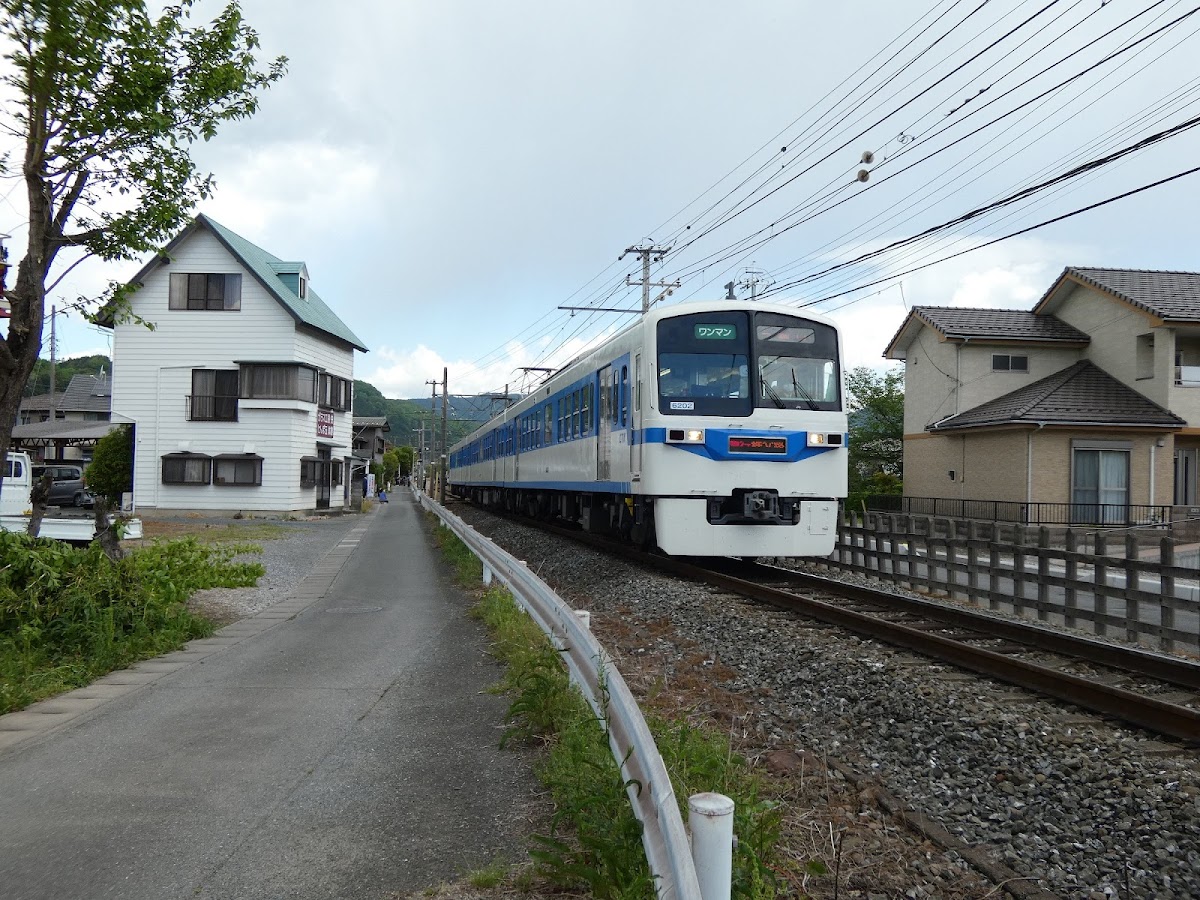
- From Ikebukuro Station, approximately 80 minutes on the Seibu Railway Limited Express Red Arrow to Seibu-Chichibu Station, then transfer to Chichibu Railway for approximately 20 minutes to Nagatoro Station
- From Ueno Station, approximately 60 minutes on the JR Takasaki Line to Kumagaya Station, then transfer to Chichibu Railway for approximately 50 minutes to Nagatoro Station
- Chichibu Railway has multiple stations including Nagatoro Station, Kami-Nagatoro Station, Nokami Station, and Higuchi Station
Access by Car
- From Hanazono Interchange on the Kanetsu Expressway via National Route 140 for approximately 18km (approximately 30 minutes)
- Approximately 2 hours from central Tokyo
Parking Information
Multiple paid parking lots are available around Nagatoro Station. Early arrival is recommended, as these lots tend to become congested during tourist seasons and weekends.
Nagatoro Iwatatatami | Nationally Designated Scenic Site and Natural Monument’s Spectacular View
Nagatoro Iwatatatami is the centerpiece of Nagatoro tourism. The crystalline schist rocks carved by the Arakawa River’s flow spread magnificently for approximately 80 meters in width and approximately 600 meters in length—truly a work of art created by nature.
You can walk on top of the rock formations, and strolling while feeling the river surface close by is exhilarating. Striped patterns are visible on the rock surface, created by different types of rocks layered upon each other. It also holds high geological value and is called the “window of the Earth.”
Highlights of Iwatatatami
Chichibu Red Cliff
A reddish-brown cliff standing across from the rock formations, reaching several tens of meters in height. Particularly beautiful during the autumn foliage season, the combination of red cliff rock and red autumn leaves is spectacular.
Tiger Rock
A spot where rock layers resembling a tiger’s stripes can be observed. A precious location for observing stratum inclination and folding, it’s a must-see point for geology enthusiasts.
Pothole (Ouketsu)
A round hole carved in the rock by river flow, also called a pothole. You can observe close-up the natural sculptural beauty formed over many years.
Nagatoro Line Boat Rides | Enjoying the Arakawa Gorge Beauty
Nagatoro Line boat rides are a traditional tourist activity continuing since the Meiji era. The experience of boarding a traditional boat piloted by a boatman to enjoy the Arakawa’s rapids and gorge beauty is the highlight of Nagatoro tourism.
Course Introductions
Course A (Oyahana Bridge to Iwatatatami)
Approximately 3km in length with a required time of approximately 20 minutes. With relatively gentle flow, it’s safe and enjoyable even for families with small children. You can spend a luxurious time viewing the magnificent Iwatatatami landscape from the river surface.
Course B (Iwatatatami to Takasago Bridge)
Approximately 3km in length with a required time of approximately 20 minutes. There’s a rapid called Kotaki no Se, offering a thrilling experience. The boat ride through water spray is exhilarating.
Full Course (Oyahana Bridge to Takasago Bridge)
A combined course of Courses A and B, approximately 6km in total length with required time of approximately 40 minutes. You can thoroughly enjoy Nagatoro’s gorge beauty.
Operating Information
- Operating Period: Year-round (winter closure from early December to early March, closed during storms, high water, and low water conditions)
- Operating Hours: 9:00 AM to 4:00 PM approximately (varies by season)
- Fares: 1,800 yen per adult per section, 900 yen per child (subject to change)
- Reservations: Advance reservations recommended for groups, day-of reservations available for individuals
The boatman’s skillful piloting technique and explanations about Nagatoro’s history and points of interest are among the pleasures. You can enjoy scenery changing with the seasons, but particularly extraordinary are the cherry blossom season and autumn foliage season.
Nagatoro Rafting and Kayak Experience
Nagatoro is also known as one of the Kanto region’s premier rafting spots. The Arakawa’s clear water and moderate rapids provide an ideal environment enjoyable by both beginners and experienced paddlers.
Outdoor Center Nagatoro
The largest outdoor facility in the Nagatoro area, providing diverse activities including rafting, kayaking, and SUP (stand-up paddleboarding). With experienced guides in attendance, beginners can participate with confidence.
Rafting’s Appeal
- Thrilling experience descending rapids in 6-8 person rubber boats
- Spring snowmelt season offers more water and greater excitement
- Summer combines river play for refreshing tours
- Autumn offers graceful rafting while viewing fall foliage
Canoe Village Nagatoro
A facility specializing in kayak experiences, where you can freely paddle single or two-person kayaks down the Arakawa. Since you descend at your own pace, it’s recommended for those wanting to leisurely enjoy the scenery.
Nature Navigator Nagatoro BASE
A facility providing SUP experiences and kayak tours. SUP experiences in gentle flow areas are popular with beginners and families. Standing and paddling on the water surface allows you to enjoy Nagatoro’s nature from a new perspective.
Big Smile Nagatoro Rafting
Specializing in small-group tours with meticulous service. Photography services are also comprehensive, allowing you to preserve memories.
Hotorikusan and Hotorikusan Shrine
Hotorikusan, standing at 497 meters, is the symbolic presence of Nagatoro. From the summit, you can overlook the Chichibu Basin and Kanto Plain, and on clear days, you can see distant Mount Fuji.
Hotorikusan Shrine
Located at the foot of Hotorikusan, this historic shrine is said to have been founded in 110 CE. It is revered for protection against fire, theft, and various calamities.
Highlights
- Main Hall: A beautiful shrine building in Gongenzukuri style
- Inner Sanctuary: Located on the summit of Hotorikusan, popular as a power spot
- Sculptures: Intricate sculptures on the main hall and prayer hall are must-sees
- Treasure Museum: Displaying precious cultural properties
Hotorikusan Ropeway
A about 5-minute aerial ride from the base station to the summit station. You can view seasonal scenery from the gondola, with the cherry blossom and autumn foliage seasons being particularly spectacular.
Operating Information
- Operating Hours: 9:40 AM to 5:00 PM (varies by season)
- Fares: 830 yen round trip for adults, 420 yen for children (subject to change)
- Required Time: Approximately 5 minutes one way
Highlights at Hotorikusan Summit
Hotorikusan Small Animal Park
A small zoo at the summit where you can interact with animals such as Japanese macaques, deer, and rabbits. Popular with families with children.
Plum Hundred Flower Garden and Wintersweet Garden
From late December through late February, approximately 3,000 wintersweet plants bloom, and from mid-February through late March, approximately 170 varieties of 500 plum trees bloom. A stroll enveloped in sweet fragrance is extraordinary.
Azalea Garden
In May, approximately 5,000 azaleas color the summit. The sight of red, pink, and white azaleas is magnificent.
Nagatoro’s Museums and Cultural Facilities
Saitama Prefectural Museum of Natural History
A museum where you can learn about Nagatoro’s geology and natural environment. The restored model of the giant ancient shark “Carcharocles megalodon,” which inhabited 17 million years ago, is impressive and hugely popular with children.
Exhibition Contents
- Saitama’s geology and rocks
- The formation of Nagatoro
- Flora and fauna of the Chichibu region
- Fossil collection
- Interactive exhibition corners
Usage Information
- Opening Hours: 9:00 AM to 4:30 PM (until 5:00 PM in July and August)
- Closed: Mondays (if a holiday, the following day), year-end and new year
- Admission: 200 yen for adults, 100 yen for high school and university students, free for middle school students and younger
Nagatoro Town Local History Museum
A facility exhibiting Nagatoro’s history, culture, and folk materials. You can learn about Nagatoro’s life through displays of sericulture history continuing from the Edo period and materials from the era when the town prospered through river transportation.
Nagatoro Experience Facilities
Glass Workshop Kai
A workshop offering glassblowing experiences. Under craftspeople’s guidance, you can create original glasses and vessels. A piece is perfect as a souvenir.
Experience Menu
- Glassblowing experience (glasses, single-flower vases, etc.)
- Dragonfly bead making experience
- Sandblasting experience
Nagatoro Pottery Experience Workshop
You can experience pottery making using electric wheels or hand-building. Beginners receive careful instruction, so participation is accessible.
Fruit Picking
Various fruit picking experiences are available seasonally around Nagatoro.
- Strawberry picking: January to May
- Grape picking: August to October
- Mandarin orange picking: October to December
Nagatoro’s Charm Throughout the Four Seasons
Spring (March to May)
Cherry Blossom Viewing Sites
Nagatoro is also famous as a cherry blossom destination, selected in “Japan’s 100 Best Cherry Blossom Viewing Spots.”
- North Cherry Blossom Street: A cherry blossom tunnel of approximately 400 Somei Yoshino cherry trees extending approximately 2.5 km
- South Cherry Blossom Street: A beautiful tree-lined path of approximately 200 double-flowering cherry trees
- Hotorikusan: Various cherry varieties from the base to the summit
- Iwatatatami vicinity: The contrast between rock formations and cherry blossoms is spectacular
During cherry blossom season, the “Nagatoro Cherry Blossom Festival” is held with night illumination.
Moss Phlox
From mid-April through early May, the moss phlox at Hitsuji Mountain Park (Chichibu City) comes into bloom. Located approximately 30 minutes by car from Nagatoro, many tourists visit both.
Summer (June to August)
River Play and Water Fun
Summer Nagatoro is a mecca for river play. You can swim in the Arakawa’s clear water or enjoy barbecue by the riverbank.
- Peak season for rafting and kayaking
- Riverside campgrounds are popular
- Calm areas like natural pools allow small children to enjoy safely
Nagatoro Funadama Festival
Held on August 15, this traditional event features a water safety prayer ceremony and fireworks display. Approximately 3,000 fireworks light up the Arakawa stage, and reflections in the river are magical.
Autumn (September to November)
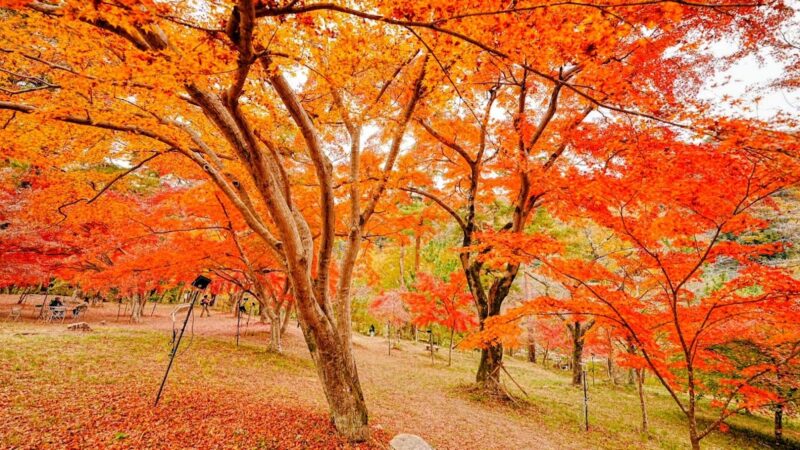
Autumn Foliage
Nagatoro’s autumn foliage peaks from early to late November, centered around “Moon Stone Maple Park.”
- Moon Stone Maple Park: Night illumination is also offered, allowing you to enjoy foliage in darkness
- Iwatatatami vicinity: Beautiful contrast between rock formations and foliage
- Nagatoro Gorge: Viewing foliage from boat rides is exceptional
- Hotorikusan: Enjoy both foliage and panoramic views simultaneously from the summit
Nagatoro Autumn Foliage Festival
Held in November with folk performances and special product sales.
Winter (December to February)
Wintersweet and Plums
- Hotorikusan Wintersweet Garden: December late through late February, approximately 3,000 wintersweet plants emit sweet fragrance
- Hotorikusan Plum Hundred Flower Garden: Mid-February through late March, approximately 170 varieties of 500 plum trees bloom
Ice Formations (Icicles)
In the coldest season, “Misoji Ice Formations” (Chichibu City), one of Chichibu’s three great ice formations, are visible. Located approximately 40 minutes by car from Nagatoro, it’s popular as a winter spectacle.
Nagatoro Cuisine and Specialty Products
Pork Miso Rice Bowl
Popular as Nagatoro’s local specialty cuisine, this pork miso bowl features pork seasoned with special sauce using Chichibu regional miso served over rice. “Pork Miso Rice Bowl Specialist Yurin” is said to be its origin, and currently many establishments serve it.
Natural Ice Shaved Ice
The Chichibu region is famous as a natural ice producing area, and Nagatoro also offers shaved ice made with natural ice. Characterized by fluffy texture and natural sweetness, it has become a summer spectacle.
Soba and Udon
The Chichibu region is a quality soba producing area. Many Nagatoro establishments serve hand-made soba, and soba-making experiences while viewing the Arakawa’s clear water are popular.
Chichibu Wine
Wine produced in the Chichibu region has recently improved in quality and gained attention. More Nagatoro dining establishments now offer Chichibu wine.
Specialty Products
- Shakushi Greens Pickles: Traditional Chichibu pickles
- Miso: Chichibu miso has high koji content with a sweet taste
- Local Sake: Local fine sake such as Chichibu Nishiki
- Game Meat: Venison and wild boar dishes are also available
Nagatoro Accommodations
Inns and Hotels
Various inns and hotels throughout Nagatoro offer views of the Arakawa riverside. Some accommodations feature hot springs to soothe bodies tired from activities.
Major Accommodations
- Inns offering Nagatoro hot springs
- Accommodations featuring riverside scenery
- Reasonable business hotels
- Guesthouses in renovated traditional houses
Campgrounds and Glamping
Multiple campgrounds along the Arakawa allow simultaneous enjoyment of river play and camping. Recently, glamping facilities have increased, making outdoor experiences more accessible.
Popular Campgrounds
- Auto campgrounds (vehicle entry possible)
- Bungalow-equipped campgrounds
- Glamping facilities (fully equipped)
- Campgrounds enabling river play
Tourist Spots Around Nagatoro
Chichibu City Center
Located approximately 30 minutes by car from Nagatoro, Chichibu City offers abundant attractions including Chichibu Shrine, Chichibu Matsuri Museum, and Chichibu Muse Park. The “Chichibu Night Festival,” one of Japan’s three major yama matsuri (mountain festivals), is held in December.
Minano Town
Adjacent Minano Town features “Ryokami Mountain,” one of Japan’s 100 Famous Mountains, popular with climbers. It also offers natural scenery including the Chichibu Kegon Waterfall.
Yorii Town
To the north, Yorii Town features Hachigata Castle ruins and attractions like Fufugawa and Japan’s Village where you can enjoy history and nature.
Nagatoro Tourism Model Courses
Day Trip Course (Train Travel)
9:00 Arrival at Nagatoro Station
9:15 Nagatoro Iwatatatami stroll (60 minutes)
10:30 Nagatoro Line boat ride experience (40 minutes)
12:00 Lunch (pork miso bowl, etc.)
13:30 Hotorikusan Ropeway to summit
14:00 Hotorikusan Shrine inner sanctuary visit, summit exploration
15:30 Descent, main shrine visit
16:30 Souvenir shopping
17:00 Departure from Nagatoro Station
One Night, Two Day Course (Car Travel)
Day 1
10:00 Nagatoro arrival, Iwatatatami stroll
12:00 Lunch
13:30 Rafting experience (approximately 3 hours)
17:00 Check-in at accommodation, relax in hot spring
18:30 Dinner
Day 2
9:00 Hotorikusan Ropeway to summit
10:30 Saitama Prefectural Museum of Natural History tour
12:00 Lunch
13:30 Glassblowing experience at workshop
15:00 Souvenir shopping
16:00 Departure from Nagatoro
Nagatoro Tourism Precautions and Advice
Clothing and Belongings
- Iwatatatami stroll: Non-slip shoes (sneakers recommended)
- Rafting: Clothes that can get wet, spare clothes, towel essential
- Hiking: Comfortable clothing, hat, beverages
- Seasonal considerations: Sunscreen and insect repellent for summer, warm clothing for winter
Peak Seasons
- Spring: Cherry blossom season (late March to early April)
- Summer: Summer vacation period (late July to August)
- Autumn: Autumn foliage season (mid to late November)
- Weekends and Holidays: Year-round congestion tendency
To avoid crowds, visiting on weekdays or early morning is recommended.
Safety Precautions
- River Play: Check weather conditions, as high water is dangerous
- Rock Formations: Wet rocks are slippery, requiring caution
- Hiking: Choose courses appropriate for fitness level
- Heat Prevention: Frequent hydration during summer
Money-Saving Information
Chichibu Railway Discount Tickets
- Nagatoro Exploration Ticket: Roundtrip fare and coupon set
- Chichibu-ji Leisure Pass: Unlimited travel on entire Chichibu Railway
Facility Combination Tickets
Combo tickets combining Hotorikusan Ropeway and Natural History Museum admissions are sold at discounted prices.
Nagatoro’s History and Culture
Nagatoro’s history dates back to the founding of Hotorikusan Shrine in 110 CE. During the Edo period, it prospered as a waystation along the Chichibu route, and in the Meiji era, geologists took notice of Nagatoro’s distinctive geology, making it known as the “birthplace of Japanese geology.”
Development as a tourist destination progressed from the late Meiji period, and Nagatoro Line boat rides became established in the Taisho period. During the Showa era, it was designated as a national scenic site and natural monument, solidifying its status as a tourist destination.
Today, while preserving traditional tourism resources, it embraces new activities like rafting, continuing development as a tourist destination beloved by diverse age groups.
Conclusion
Nagatoro Town, Chichibu District, Saitama Prefecture, is a captivating tourist destination centered on the nationally designated scenic site and natural monument of Nagatoro Iwatatatami, offering gorge beauty created by the Arakawa River, abundant outdoor activities, and flowers blooming with the seasons.
Accessibility in approximately two hours from central Tokyo, diverse tourist resources enjoyable both as day trips and overnight stays, and scenery harmonizing nature and history attract 3 million tourists annually.
Whether visiting in spring’s cherry blossoms, summer’s river play, autumn’s foliage, or winter’s wintersweet, Nagatoro reveals new charms with each visit. Line boat rides, rafting and other activities, cultural experiences at Hotorikusan Shrine and museums, and enjoying local cuisine offer limitless enjoyment possibilities.
From weekend getaways and family trips to outdoor enthusiasts’ adventures and solo nature exploration, Nagatoro accommodates diverse travel styles. Please visit this beautiful gorge town at least once. You’re sure to create unforgettable memories.
-800x450.jpg)
-800x450.jpg)