Mt. Ishizuchi Ehime Prefecture | Complete Guide to Climbing Routes, Access, and Highlights of Japan’s Highest Peak in Western Japan
Mt. Ishizuchi is a mountain with an elevation of 1,982m standing on the border between Saijo City and Kuma Kogen Town in Ehime Prefecture. It is the highest peak in the western Sanuki Mountains and is known as the highest peak in western Japan west of the Kinki region. Counted among Japan’s 100 Famous Mountains and Japan’s Seven Sacred Mountains, it is a sacred peak that has been revered as a subject of mountain worship since ancient times. This article provides detailed explanations of the charm of Mt. Ishizuchi, climbing routes, access methods, and highlights by season.
Basic Information about Mt. Ishizuchi
Geographical Characteristics and Elevation
Strictly speaking, a single peak called Mt. Ishizuchi does not exist. Rather, “Mt. Ishizuchi” is a collective name for three main peaks: Tengu Peak (elevation 1,982m), Miiyama (elevation 1,974m), and Minami Senpo (elevation 1,982m). The highest point is Tengu Peak, which boasts the elevation of the highest peak in western Japan.
It spans Saijo City in Ehime Prefecture and Kuma Kogen Town in Kamiukenamori District, and is protected as a central mountain of the Ishizuchi Quasi-National Park. Its magnificent appearance can be seen from afar from the Seto Inland Sea and is cherished as a scenic landscape representing Shikoku.
Mountain Worship and Historical Background
Mt. Ishizuchi has been revered as a sacred site of mountain worship since ancient times. It is counted as one of Japan’s Seven Sacred Mountains and is said to have been founded by En no Ozunu, the founder of Shugendo (mountain asceticism). A summit shrine of Ishizuchi Shrine stands near the summit, and many ascetics and pilgrims continue to visit today.
During the “Mountain Opening” period from July 1st to 10th each year, a traditional event is held in which believers dressed in white visit the summit, passing down the faith culture of Mt. Ishizuchi to the present day.
Why Mt. Ishizuchi Was Selected as One of Japan’s 100 Famous Mountains
Mt. Ishizuchi was selected in Hisao Fukada’s “Japan’s 100 Famous Mountains” for its high evaluation not only for its elevation but also for its steep rocky terrain, long chain sections, rich natural environment, and cultural value of mountain worship. As the highest peak in western Japan, it is a mountain of aspiration for climbers in Shikoku, and many climbers from across the country visit this famous mountain.
Main Climbing Routes of Mt. Ishizuchi
There are multiple climbing routes up Mt. Ishizuchi, but the main ones are the following three. Each differs in difficulty level, required time, and highlights.
Jojusha Route (Front Approach Course)
The most popular climbing route, accessed using the Ishizuchi Mountain Ropeway.
- Trailhead: Jojusha Station (elevation approximately 1,450m)
- Required Time: Approximately 2.5 to 3 hours one way
- Elevation Gain: Approximately 530m
- Difficulty Level: Intermediate
This route targeting the summit via Jojusha is famous for having four chain sections: Trial Chain (approximately 33m), First Chain (approximately 33m), Second Chain (approximately 65m), and Third Chain (approximately 68m). Since there are detour routes around the chain sections, general climbers can also climb safely.
When climbing the chains, it is important to grasp the chains firmly with both hands and aim for three-point support. In particular, the Third Chain is a nearly vertical rock face and is known as a rare long chain section in Japan.
Tsuchishoyu Route (Back Approach Course)
The route that allows reaching the summit in the shortest time and is recommended for beginners.
- Trailhead: Tsuchishoyu (elevation approximately 1,492m)
- Required Time: Approximately 1.5 to 2 hours one way
- Elevation Gain: Approximately 490m
- Difficulty Level: Beginner to Intermediate
Since you can access Tsuchishoyu by car using the Ishizuchi Skyline, the climbing time is short and it is an easy route for those without confidence in their strength. Although there are no chain sections, rocky terrain climbs continue, so proper climbing equipment is necessary.
From the summit, you can see a panoramic view of the Seto Inland Sea and the mountains of the Ishizuchi range, and on clear days you can see far into the Chugoku region.
Omogo Route (Southern Approach Route)
The longest distance route for experienced climbers.
- Trailhead: Omogo Gorge
- Required Time: Approximately 4 to 5 hours one way
- Elevation Gain: Approximately 1,400m
- Difficulty Level: Advanced
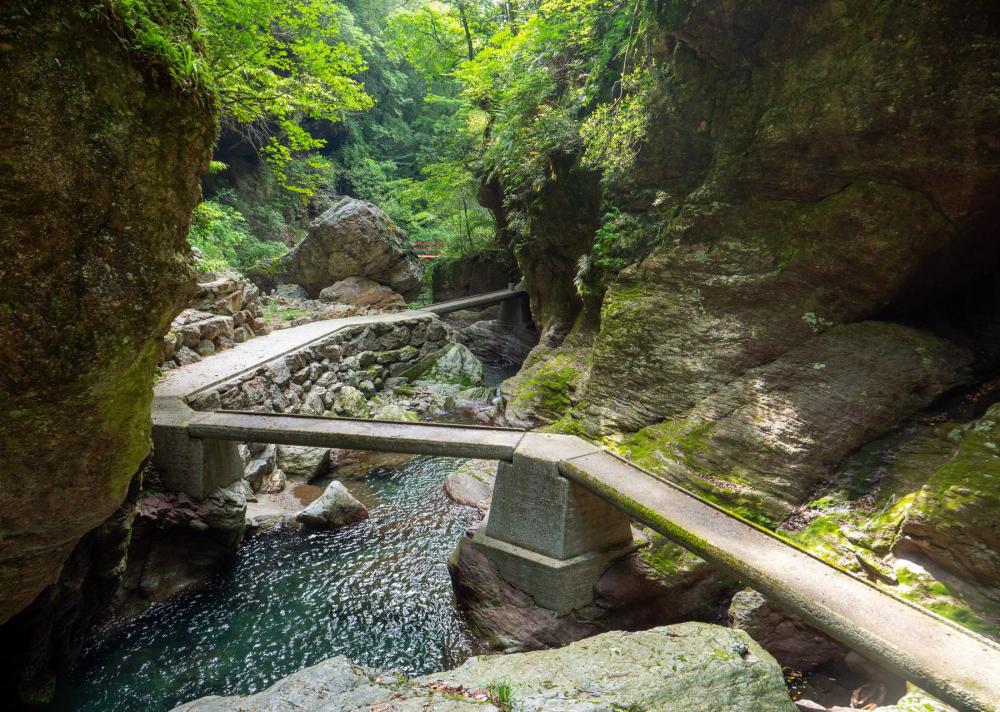
This route, which allows you to enjoy the beautiful nature of Omogo Gorge while climbing, is long and requires stamina, but you can enjoy quiet mountain walking. There are mountain huts along the way, and it is also possible to climb with leisure over a two-day, one-night itinerary.
Access Methods to Mt. Ishizuchi
When Using the Ishizuchi Mountain Ropeway
This is the main access method when climbing the Jojusha Route.
By Car:
- Approximately 40 minutes from “Iyo-Saijo IC” on the Matsuyama Expressway
- Parking: Free parking lot at Ropeway Shimotani Station (approximately 600 spaces)
By Public Transportation:
- Approximately 60 minutes by bus from “Iyo-Saijo Station” on the JR Yosan Line
- Temporary buses also operate during the climbing season
Ropeway Information:
- Operating Hours: Usually 8:40~17:00 (varies by season)
- Travel Time: Approximately 8 minutes
- Fare: 2,000 yen round trip (adults)
When Using the Ishizuchi Skyline
When climbing the Tsuchishoyu Route, access to Tsuchishoyu by car via the Ishizuchi Skyline.
- Approximately 1 hour from “Iyo-Saijo IC” on the Matsuyama Expressway
- Parking: Free parking lot at Tsuchishoyu (approximately 200 spaces)
- Toll: Free
- Winter Closure: Closed from early December to mid-April
The Ishizuchi Skyline is a mountain road approximately 18km long with many curves and narrow sections in places, so drive safely.
Access to the Omogo Route
- Approximately 1 hour 30 minutes from “Matsuyama IC” on the Matsuyama Expressway via Route 33
- Parking lot at Omogo Gorge
Charm of Mt. Ishizuchi by Season
Spring (April to June): New Greenery and Alpine Plants
As snow melts, the mountains are covered with fresh greenery, and from late May through June, alpine plants such as Rhododendron and Ishizuchi Cherry bloom in profusion. The Ishizuchi Cherry, an endemic species of Mt. Ishizuchi, is a must-see.
This season has mild temperatures suitable for climbing, but there may still be snow, so check climbing information beforehand.
Summer (July to August): Mountain Opening and Seeking Coolness
The period from July 1st to 10th, the “Mountain Opening,” is the busiest time on Mt. Ishizuchi. Believers dressed in white aim for the summit, and various religious ceremonies are held at mountain huts and shrines.
Due to its high elevation, it remains relatively cool even in mid-summer and is ideal for summer climbing. However, thunderstorms are likely in the afternoon, so plan to start early and descend by early afternoon.
Autumn (September to November): Spectacular Autumn Foliage
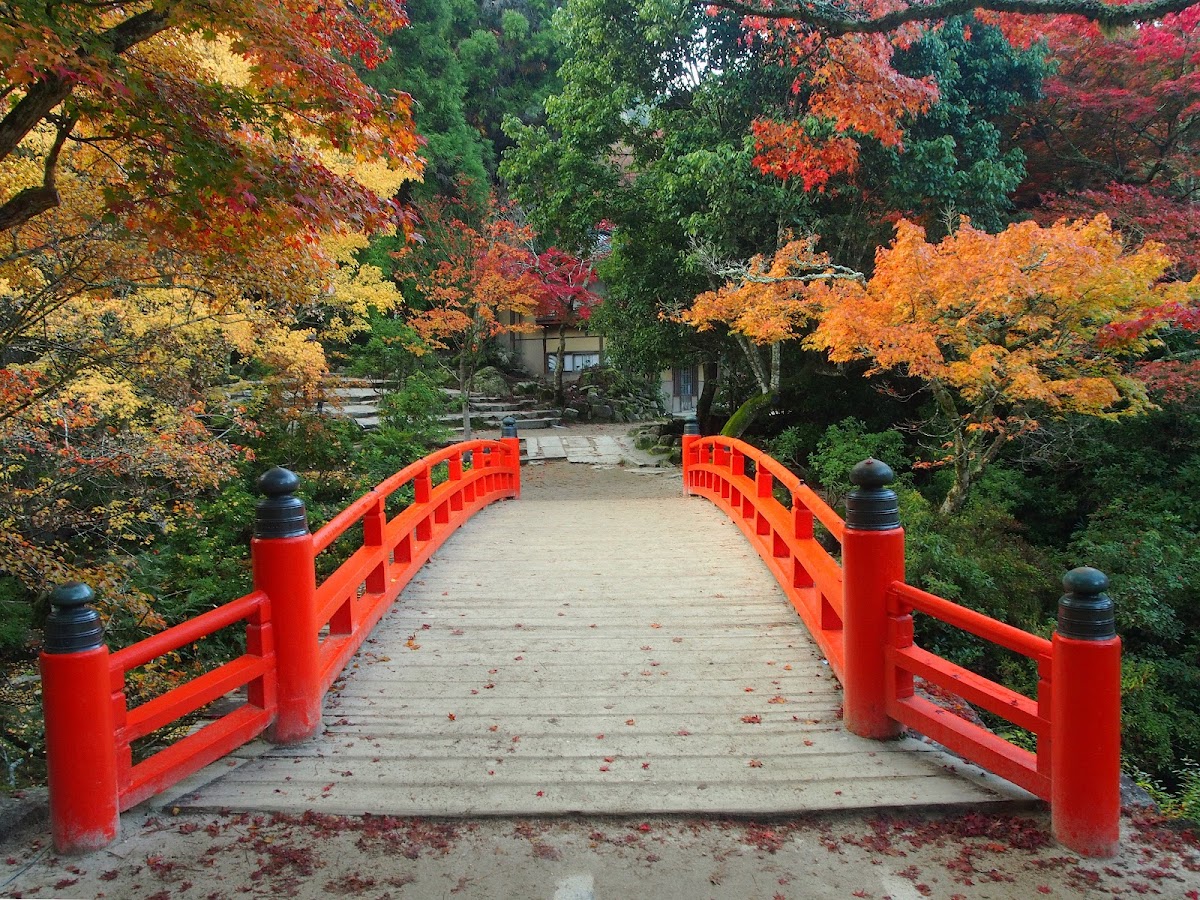
The autumn foliage of Mt. Ishizuchi is known as among the most beautiful in Shikoku.
- Peak Season: Late September to mid-October (varies by elevation)
- Trees That Change Color: Beech, Nanakamado, Maple, Miyoshidake Birch, etc.
The foliage begins at the summit area and gradually spreads to lower elevations. The scenery from the ridge between Miiyama and Tengu Peak is particularly magnificent, with the contrast between the red and yellow colored mountains and blue sky being breathtaking.
During the foliage season, many climbers visit, so early morning departure or weekday climbing is recommended.
Winter (December to March): Snow Mountain Climbing and Rime
Winter on Mt. Ishizuchi becomes serious alpine climbing, requiring advanced climber experience.
- Crampons, ice axes, and other winter alpine equipment essential
- Ishizuchi Skyline is closed in winter
- Access from the Jojusha Route is typical
On clear days, tree ice and rime are visible, creating a white snowy world. However, weather conditions are severe and the risk of accidents increases, so sufficient experience, equipment, and detailed planning are necessary. Winter climbing is recommended with experienced climbers.
Precautions and Equipment for Mt. Ishizuchi Climbing
Necessary Equipment
Basic Equipment:
- Hiking boots (high-cut with waterproof properties)
- Rain wear upper and lower
- Warm clothing (fleece or down jacket)
- Hat, gloves
- Headlamp
- Map, compass (or GPS)
- Sufficient water and trail snacks
- First aid kit
Chain Section Countermeasures:
- Work gloves or climbing gloves (for grasping chains)
- Helmet (recommended for falling rock protection)
Precautions During Climbing
- Weather Check: Mountain weather changes quickly, so check weather information beforehand and have the courage to cancel climbing in bad weather.
- Early Start, Early Return: Afternoon weather tends to deteriorate, so start early and plan to descend early in the afternoon.
- Route Selection According to Strength: Choose a route that is suitable for your strength and experience without overexertion.
- Submission of Climbing Notice: Submit a climbing notice before entering the mountain in case of emergency.
- Caution for Solo Climbing: While climbing with multiple people is preferable, if climbing alone, inform family or friends of your itinerary.
Safe Way to Climb Chain Sections
Mt. Ishizuchi’s signature chain sections are safe when climbed with proper technique.
- Three-Point Support: Always support your body with three points and move one point at a time
- Chain Grip: Grip firmly with both hands without putting too much weight on them
- Foot Position Check: Confirm the next place to step before moving
- Don’t Rush: Even when crowded, don’t rush and maintain distance from the person ahead
- Use Detour Routes: If unsure, use detour routes without force
Facilities and Mountain Huts Near Mt. Ishizuchi
Facilities Near the Summit
Ishizuchi Shrine Summit Mountain Lodge:
- Located near Miiyama summit
- Overnight stay available (reservation required)
- Meals provided
- Shop, restroom equipped
The summit lodge is located at 1,974m elevation and allows you to enjoy sunset, starry sky, and sunrise. By staying overnight, you can avoid crowds and leisurely enjoy the summit.
Facilities Along the Climbing Path
Jojusha:
- Middle Shrine of Ishizuchi Shrine
- Prayer and rest available
- Restroom available
Tsuchishoyu:
- Parking lot, restroom equipped
- Shop, dining room available (limited operating period)
- Climbing information available
Mountains in the Mt. Ishizuchi Range
Various charming mountains are connected around Mt. Ishizuchi in the Ishizuchi Range.
Mt. Binzugamori (elevation 1,896m)
Located to the east of Mt. Ishizuchi, it is a mountain with gentle terrain and beautiful bamboo grass. It is often climbed together with Mt. Ishizuchi, and traversing courses are also popular.
Mt. Nino-no-Mori (elevation 1,929m)
The second highest peak in the Ishizuchi Range, connected to Mt. Ishizuchi by a traverse route. The primeval beech forest is beautiful, and quiet mountain walking can be enjoyed.
Mt. Sasagamine (elevation 1,860m)
Located to the west of Mt. Ishizuchi, you can see the majestic form of Mt. Ishizuchi from the summit.
Mt. Ishizuchi and the Seto Inland Sea Landscape
One of the major charms of Mt. Ishizuchi is the 360-degree panorama viewed from the summit. Especially on clear days, you can enjoy spectacular views of the Seto Inland Sea and its islands to the north and the mountains of the Shikoku Mountains to the south.
Sea of clouds often spreads at dawn, and the fantastic sight of islands floating above the clouds makes you forget the fatigue of climbing. Also, at dusk, the sunset sinking into the Seto Inland Sea colors the mountains red, showing an impressive scene.
Natural Environment and Ecosystem of Mt. Ishizuchi
Mt. Ishizuchi has a large elevation difference, so diverse vegetation can be seen from low mountains to alpine zones.
Flora
- Low Mountain Zone: Evergreen broadleaf forests
- Mountain Zone: Beech, Mizunara and other deciduous broadleaf forests
- Subalpine Zone: Shirabe, Conifers such as Komaruba
- Alpine Zone: Dwarf shrubs, Japanese dwarf pine, alpine plants
Many endemic and rare species are found, making it botanically valuable.
Fauna
Japanese serow, Japanese deer, Asian black bear and other mammals, as well as golden eagles and mountain hawk-eagles and other raptors inhabit the area. You may encounter wild animals while climbing, but avoid feeding and approaching, respecting nature as it is.
Mt. Ishizuchi and Shugendo Culture
Mt. Ishizuchi is a sacred site of Shugendo, and many ascetics continue to visit for training. The sight of ascetics dressed in white and blowing conch shells while climbing the mountain is a landscape unique to Mt. Ishizuchi.
Shugendo is a uniquely Japanese religion that fuses mountain worship and Buddhism, seeking enlightenment through training in harsh natural environments. The steep rocky terrain and chain sections of Mt. Ishizuchi are truly fitting environments as places of ascetic practice.
Climbers can also have a deeper mountain experience by respecting this faith culture and feeling the sacredness of the mountain while climbing.
Model Courses for Mt. Ishizuchi Climbing
Day Hike (Jojusha Route)
Required Time: Approximately 6 hours
- 6:00 Depart from Ropeway Shimotani Station
- 6:10 Board ropeway
- 6:20 Arrive at Jojusha Station, begin climbing
- 7:00 Visit Jojusha
- 8:00 Begin traversing chain sections
- 9:30 Arrive at Miiyama, rest
- 10:00 Round trip to Tengu Peak (approximately 30 minutes)
- 11:00 Depart Miiyama, begin descent
- 12:30 Arrive at Jojusha Station
- 12:40 Descend by ropeway
Day Hike (Tsuchishoyu Route)
Required Time: Approximately 4 hours
- 7:00 Depart Tsuchishoyu
- 8:30 Arrive at Miiyama
- 9:00 Round trip to Tengu Peak
- 10:00 Depart Miiyama, begin descent
- 11:00 Arrive at Tsuchishoyu
One Night, Two Days (Mountain Lodge Stay)
Day 1:
- Begin climbing in the afternoon
- Arrive at mountain lodge by evening
- Observe sunset and starry sky
Day 2:
- Early morning sunrise viewing
- Mountain walking around Tengu Peak after breakfast
- Descend in the morning
Conclusion: Making the Most of Mt. Ishizuchi’s Charm
Mt. Ishizuchi in Ehime Prefecture possesses multifaceted charm including not only its geographical value as the highest peak in western Japan, but also its cultural value as a sacred site of mountain worship, rich natural environment, varied climbing routes, and beautiful scenery throughout the four seasons.
As one of Japan’s 100 Famous Mountains and a representative peak of Shikoku, it is a mountain that everyone should climb at least once. The ability to choose routes suited to your level from beginner to advanced climber is another major attraction of Mt. Ishizuchi.
When climbing, do not forget thorough preparation and equipment, and respect for nature and faith culture, experiencing Mt. Ishizuchi with safety first. The spectacular view of the Seto Inland Sea from the summit, the mountains colored by autumn foliage, and the sense of accomplishment from the long chain sections will surely become unforgettable memories.
Mt. Ishizuchi awaits you. Enjoy a mountain trip on Shikoku’s sacred peak where you can feel the grandeur of nature and the depth of Japan’s mountain culture.