.jpg)
Omoto Shinoen Ayabe (Kyoto Prefecture) Complete Guide|20th Century’s Largest Wooden Architecture and the Beauty of Four Seasons
Omoto Shinoen, located in Ayabe City, Kyoto Prefecture, is the headquarters of Omoto, a religious corporation founded in 1892 (Meiji 25), and is known as one of Japan’s largest and most expansive sacred gardens. Within the serene grounds situated in the heart of the city stand numerous precious buildings designated as National Registered Tangible Cultural Properties and Important Cultural Properties, including “Choseisaden,” the largest wooden structure of the 20th century, captivating visitors with the natural beauty that changes with the seasons.
This article provides detailed information about Omoto Shinoen’s history, highlights, access methods, and how to enjoy it throughout the seasons—everything you should know before visiting.
About Omoto Shinoen|The Sacred Ground of Omoto, a Religious Corporation Founded in Ayabe
The History of Omoto and the Background of Its Founding
Omoto is a Shinto-based folk religion founded in Ayabe, Kyoto Prefecture, in 1892 (Meiji 25) by Deguchi Nao. It began when Deguchi Nao became possessed by a kami and received divine messages proclaiming “the reconstruction of the three-thousand worlds.” Subsequently, Deguchi Onisaburo systematized the teachings of the religious organization, and Omoto developed rapidly.
From the Taisho through the early Showa period, Omoto spread nationwide as a religious movement advocating social reform but came into conflict with state Shinto and faced persecution twice—in 1921 (Taisho 10) and 1935 (Showa 10)—in what became known as the Omoto Incidents. After World War II, when freedom of religion was guaranteed, Omoto was rebuilt and currently operates as a religious corporation with a focus on world peace and cultural activities.
The Significance of Ayabe and Umematsu Garden
Umematsu Garden (Omoto Headquarters Ayabe Saishi Center), spread across Motomiya Town in Ayabe City, serves as the birthplace of Omoto and an important “center of religious ceremonies.” The sanctuary encompasses the area around Mt. Motomiya and sprawls across approximately 150,000 tsubo (about 50 hectares), with numerous shrine halls, cultural properties, and beautiful gardens arranged throughout.
At Umematsu Garden, monthly festivals (held on the first Sunday of each month), Setsubun Grand Festival, and spring and autumn grand festivals are conducted, and it serves as a venue for various religious activities including Shinto wedding ceremonies, prayers for healing of illness, and ancestor veneration rites for believers.
Main Buildings of Omoto Shinoen|Thorough Explanation of Highlights
Choseisaden|The Largest Wooden Structure of the 20th Century
Choseisaden was built in 1992 (Heisei 4) to commemorate the 100th anniversary of Omoto’s founding and is known as the largest wooden structure of the 20th century. It is a magnificent building constructed using traditional Japanese architectural techniques combined with the pinnacle of modern wooden building technology.
The scale of the building is impressive, with a total floor area of approximately 3,000 square meters. Inside is a vast worship hall where grand ceremonies are conducted in a solemn atmosphere. The architectural style features a hip-and-gable roof, and Japanese domestic materials, primarily cypress, are abundantly used, enveloping visitors in the warmth and fragrance of wood.
The construction of Choseisaden brought together master carpenters and craftsmen selected from across Japan, who completed it using traditional techniques. The traditional joinery methods that minimize the use of nails and the precise wood-joining techniques are highly regarded from the perspective of preserving Japanese wooden building culture.
Miroku-den|National Registered Tangible Cultural Property
Miroku-den is an important building designated as a National Registered Tangible Cultural Property. It is a shrine hall constructed from the Taisho period through the early Showa period and is preserved as a precious building that tells the history of Omoto.
The architectural style is based on Shinmei-zukuri design with distinctive ornamental elements reflecting Omoto’s religious perspective and aesthetic sense. Inside is a sacred seat where ceremonies are conducted in a solemn atmosphere.
The name Miroku-den derives from Omoto’s teachings of the realization of the Maitreya world (an ideal world), with the building itself serving as a symbol of faith.
Ki-no-Hana-an|Important Cultural Property Designated Historic Residence
Ki-no-Hana-an is an old residence designated as an Important Cultural Property. Originally built as a residence for a wealthy farmer in the Tanba region, it retains the typical architectural style of farmhouses from the mid-Edo period.
With its thatched roof in a hip-and-gable style, the thick beams and pillars speak to the high level of building techniques of that era. The interior, including the earthen floor, hearth, and sitting rooms, is preserved as it was, allowing visitors to catch a glimpse of traditional Japanese living.
By relocating and preserving this old residence, Omoto contributes to the transmission of Japanese traditional culture. Ki-no-Hana-an has become a place visited by many researchers and cultural heritage enthusiasts, as it is a valuable resource from both architectural and folklore perspectives.
Other Shrine Halls and Facilities
Omoto Shinoen contains numerous other shrine halls and facilities besides the above.
Kinryu-den is a building with ties to Deguchi Onisaburo and features distinctive architectural style. Tenon-kyo is located in a separate area within the vast grounds, with facility clusters arranged emphasizing harmony with nature.
Additionally, the Omoto Museum displays materials related to Omoto’s history, artifacts concerning Deguchi Nao and Onisaburo, records from periods of persecution, and other items, allowing visitors to learn about Omoto’s journey.
The Beauty of Four Seasons|Nature at Omoto Shinoen
Spring Blossoms and Fresh Greenery
Spring at Omoto Shinoen is also known as a location for cherry blossoms. The grounds are planted with approximately 300 Somei Yoshino and wild cherry trees that bloom in unison from late March through early April.
The cherry blossoms blooming against the backdrop of Choseisaden and various shrine halls create a unique landscape blending solemnity with vibrancy. Additionally, as the cherry blossoms begin to bloom, fresh greenery also sprouts, creating beautiful contrast between delicate pink and vivid green.
Summer’s Deep Green and Coolness
In summer, Omoto Shinoen becomes a refreshingly cool space enveloped in deep green. The expansive garden is planted with a diverse variety of trees, and shade provides pleasant breezes.
Particularly around Kinryu Lake (pond), the coolness of the water and the beauty of the greenery harmonize, creating a place of respite that helps one forget the summer heat. When lotus flowers bloom, the lotus leaves and flowers floating on the pond create a scenic view with artistic appeal.
Autumn Foliage|Exceptional Beauty
Autumn at Omoto Shinoen is visited by many tourists as a famous location for autumn foliage. From mid to late November, the trees throughout the grounds turn red and yellow, dyeing the entire sacred garden in autumn colors.
Particularly noteworthy is the foliage around Kinryu Lake (pond). The autumn leaves reflected on the lake’s surface create a spectacular sight known as “inverted foliage,” attracting many photography enthusiasts. In quiet early morning hours, mist rising over the pond creates an ethereal atmosphere for the foliage.
The autumn foliage set against Choseisaden and various shrine halls is also spectacular, allowing visitors to appreciate the harmony of traditional architecture and natural beauty. During the foliage season, the “Momiji Matsuri” (maple festival) is held, and nighttime illumination is sometimes provided, allowing visitors to appreciate a fantastical autumn foliage different from daytime viewing.
Winter’s Silence and Snowy Landscape
Winter at Omoto Shinoen is imbued with a solemn atmosphere of silence. When snow falls, the grounds become a world of white, with shrine halls and gardens cloaked in white.
Particularly when snow accumulates on Choseisaden, it resembles a Japanese painting in beauty, allowing one to enjoy a landscape unique to winter. With fewer visitors, this season allows for quiet, contemplative worship.
Access to Omoto Shinoen|Detailed Transportation Information
Access by Train
JR Sanin Line “Ayabe Station” is the nearest station.
- From Kyoto Station: Approximately 1 hour by JR Sanin Line Express
- From Osaka Station: Approximately 1.5 to 2 hours via JR Fukuchiyama Line and Sanin Line
From Ayabe Station’s south exit to Omoto Shinoen is approximately a 15-minute walk. Heading east from the station toward Motomiya Town, directional signs along the route make navigation relatively easy.
If using a taxi, it is approximately 5 minutes from Ayabe Station with fares around 1,000 yen.
Access by Car
Approximately 10 minutes from Maizuru-Wakasa Expressway “Ayabe IC”.
- From Kyoto area: Approximately 1 hour via Kyoto Vertical and Maizuru-Wakasa Expressways
- From Osaka area: Approximately 1.5 hours via Chugoku Expressway and Maizuru-Wakasa Expressway
From Ayabe IC, proceed toward Ayabe city center on National Route 27 and follow directional signs toward Motomiya Town.
Parking Information
Omoto Shinoen has free parking facilities for visitors. Parking for approximately 100 regular vehicles is available, and large buses are also accommodated.
During peak seasons such as autumn foliage, the parking lot may reach capacity, so using public transportation is also worth considering.
Worship Information and Viewing Tips
Open Hours and Admission Fee
- Open Hours: 9:00–17:00 (hours may vary by season)
- Admission Fee: Basically free (some facilities require confirmation)
- Closed Days: Normally open year-round (restrictions may apply on festival days)
Notes for Visiting
As Omoto Shinoen is a religious facility, it is important to visit with respect befitting a sanctuary.
- Interior access to shrine halls is prohibited during times other than ceremonies in some areas
- Photography is generally permitted, but may be restricted inside buildings or during ceremonies
- Maintain quiet and be considerate of other visitors
- While no specific dress code applies, attire befitting a religious facility is recommended
Recommended Time to Spend
Given the expansive grounds, allowing 2 to 3 hours to leisurely view major buildings and gardens is advisable. During peak seasons such as autumn foliage, when enjoying photography at length, reserving about half a day is recommended.
Nearby Tourist Attractions|Attractions of Ayabe City
Autumn Foliage at Ankoku-ji Temple
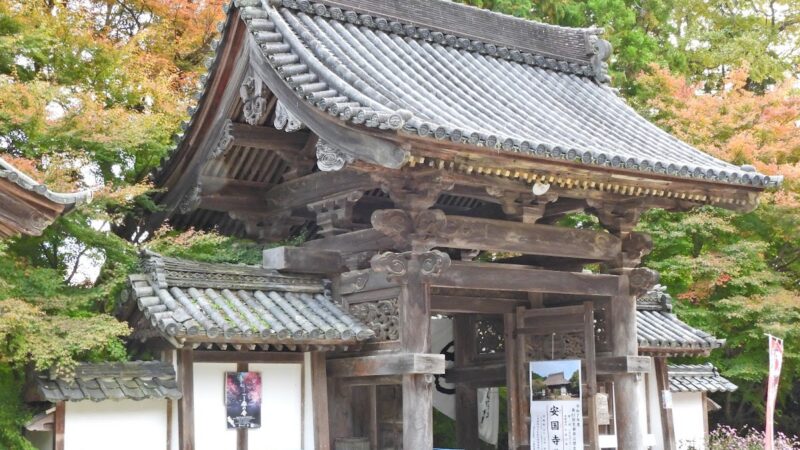
Located approximately 15 minutes by car from Omoto Shinoen, Ankoku-ji Temple is an ancient temple with connections to Ashikaga Takauji and is known as a location for autumn foliage. Particularly famous is the foliage viewed from the main hall as “framed foliage,” making it a popular spot visited together with Omoto Shinoen.
Gunze Museum Garden
In Ayabe, the birthplace of fiber manufacturer Gunze, there is the Gunze Museum Garden. This facility allows visitors to learn about the history of sericulture in the Meiji era and the process of Gunze’s corporate development, with retro buildings also serving as points of interest.
Ayabe Onsen
To relax after sightseeing, Ayabe Onsen is recommended. The spring water is believed to have beauty benefits, and day-trip bathing is available.
Omoto’s Cultural Activities and Social Contributions
Commitment to Arts and Culture
Omoto is committed not only to religious activities but also to advancing arts and culture. Since Deguchi Onisaburo himself possessed superior talents in calligraphy, pottery, and Japanese poetry, Omoto operates various cultural activities under the principle that “art is the mother of religion.”
Regular art exhibitions and concerts are held on the grounds, contributing to regional cultural development.
Activities for World Peace
Omoto is a religious organization that has advocated for world peace since before World War II. Currently, it actively participates in international religious cooperation and peace movements, engaging in activities such as the World Conference of Religions for Peace (WCRP).
Additionally, it pursues organic agriculture promotion and environmental protection activities, contributing to building a sustainable society.
Annual Events and Festivals
Major Festivals
- New Year Festival (January 1): Festival celebrating the new year
- Setsubun Grand Festival (around February 3): Festival for warding off evil and inviting good fortune
- Spring Grand Festival (late April): Festival offering thanks for spring
- Monthly Festival (First Sunday of each month): Festival of monthly gratitude and prayer
- Autumn Grand Festival (late October): Festival offering thanks for harvest
Momiji Matsuri
During the autumn foliage season, the “Momiji Matsuri” (maple festival) is held, with nighttime illumination sometimes provided. As a popular event allowing visitors to enjoy fantastical foliage different from daytime viewing, dates vary yearly, so advance confirmation is recommended.
Best Season to Visit Omoto Shinoen
Omoto Shinoen offers beautiful scenery throughout the year, but particularly recommended times are as follows:
Spring (late March to early April)
The cherry blossom blooming period, when the grounds are vividly colored. Fresh greenery is also beautiful, making it a refreshing season.
Autumn (mid to late November)
The foliage peak, when the most visitors come. The foliage around Kinryu Lake is a must-see and ideal for photography.
Early Summer (May–June)
The time when fresh greenery is most beautiful, allowing leisurely walks through grounds enveloped in verdant green. Relatively few tourists make it possible to visit unhurriedly.
Ayabe City’s History and Connection to Omoto
Ayabe City, located in central Kyoto Prefecture, is a local city with a population of approximately 30,000, but the presence of Omoto’s headquarters gives it an aspect as a religious city.
Following Omoto’s founding in the Meiji era, Ayabe developed alongside Omoto, with believers and visitors coming from across Japan. After enduring persecution during the Omoto Incidents, it was rebuilt as a religious corporation after the war and currently serves as an important cultural resource for Ayabe City.
As the birthplace of Gunze, Ayabe has a unique history in which fiber industry and religious culture coexist, making it a worthwhile place to visit.
Conclusion|Experience the Charm of Omoto Shinoen
Omoto Shinoen in Ayabe is a cultural and tourist destination representing Kyoto Prefecture, where precious buildings including Choseisaden, the largest wooden structure of the 20th century, harmonize with beautiful natural scenery changing through the seasons.
Since its founding in 1892 (Meiji 25), Omoto has existed as a sacred ground for over 130 years, loved by many people not only for its religious significance but also as a place to enjoy architectural culture, garden beauty, and the natural beauty of foliage.
The easy accessibility—a 15-minute walk from JR Ayabe Station—is also appealing, making day trips from Kyoto City possible. Particularly during autumn foliage season, the beauty is exceptional, and the inverted foliage reflected in Kinryu Lake is well worth seeing.
While maintaining respect befitting a religious facility, why not visit Omoto Shinoen as a journey to enjoy traditional Japanese architecture, beautiful gardens, and nature’s four seasons?
Basic Information
- Name: Omoto Shinoen (Umematsu Garden)
- Address: 1-1 Motomiya-cho, Ayabe City, Kyoto Prefecture
- Phone: 0773-42-0187
- Open Hours: 9:00–17:00
- Admission Fee: Free
- Access: 15-minute walk from “Ayabe Station” on JR Sanin Line; 10 minutes by car from “Ayabe IC” on Maizuru-Wakasa Expressway
- Parking: Free (approximately 100 spaces)
- Official Website: Check the official Omoto website for the latest information
-800x450.jpg)
-800x450.jpg)
-800x450.jpg)