.jpg)
Complete Guide to Jakukoin in Inuyama, Aichi | History, Highlights, and Access Information for Maple Leaf Temple
Jakukoin, nestled on Tsugao Mountain in Inuyama City, Aichi Prefecture, is a historic Shingon Buddhist temple affectionately known as “Owari’s Maple Leaf Temple.” Founded in 654 (Hakuchi 5), it stands as the oldest temple in the Owari region with over 1,360 years of history, welcoming numerous pilgrims and tourists. This article comprehensively covers everything you need to know before visiting Jakukoin, including its history, highlights within the temple grounds, cultural properties, autumn foliage information, and access details.
History and Significance of Jakukoin
Origins and Formal Name
The formal name of Jakukoin is “Tsugao Mountain Eight-Leaf Lotus Pedestal Temple Jakukoin (継鹿尾山八葉蓮台寺寂光院).” The mountain name, Tsugao, was once called “Sacred Mountain” and is designated as part of the Hida-Kiso River National Park, a scenic area.
According to tradition, in 654 (Hakuchi 5), by imperial decree of Emperor Kotoku, Dosho, a high priest from Gangonji Temple in Nara who studied under Xuanzang in Tang China, established seven main temple buildings. Dosho is known as the founder of the Hosso sect in Japan and was a distinguished monk who traveled to China and studied under the famous monk Xuanzang.
Nicknames: “Tsugao Kannon” and “Maple Leaf Temple”
Jakukoin is locally known by the affectionate name “Tsugao Kannon.” The principal image, a Thousand-Armed Avalokitesvara, is said to have been created from the spirit of Yamato Takeru, the legendary Japanese hero, and has long been worshipped as a sacred site for warding off misfortune.
With approximately 1,000 maple trees adorning the temple grounds, it is also called “Maple Leaf Temple.” Particularly during autumn foliage season, large numbers of pilgrims visit. The beauty of the autumn colors is considered among the finest in Aichi Prefecture.
Connection with Oda Nobunaga
Records from 1565 (Eiroku 8) during the Sengoku period indicate that Oda Nobunaga made donations to Jakukoin, designating it as a sacred site for protecting the northeastern direction of Kiyosu Castle. As Nobunaga unified Owari, he placed strategic importance on temples and shrines in the Inuyama area, and Jakukoin was one of them.
Development from Edo Period Onward
During the Edo period, Jakukoin received patronage from the Owari Tokugawa clan and developed in connection with mountain worship on Tsugao. The current main hall and other major structures were built and maintained during this period. While affected by the Meiji period’s anti-Buddhist movements, it remained a center of local faith, and several of its buildings were designated as registered tangible cultural properties during the Showa period.
Highlights of the Temple Grounds
Main Hall
The main hall is the central building of Jakukoin, positioned on the middle slope of Tsugao Mountain. From the trailhead entrance along the Kiso River, visitors climb approximately 15 minutes via winding stone steps to reach the main hall. Along these steps, numerous stone Buddha statues line the path, evoking the quiet atmosphere of a mountain temple.
The principal image of Thousand-Armed Avalokitesvara is enshrined in the main hall, believed to bring benefits for warding off misfortune and good fortune. The interior is filled with a solemn atmosphere, allowing visitors to pray quietly.
Zuikyu Hall
Zuikyu Hall is one of the important structures within the temple grounds alongside the main hall. This hall enshrines Zuikyu Bodhisattva and is believed to hear the various wishes of worshippers, drawing considerable faith. The architectural style is remarkable, well-preserving characteristics of Edo period temple architecture.
Stone Buddha Statues and Trails
Numerous stone Buddha statues stand along the winding pathways. These sculptures span different eras and creators, each displaying unique expressions. Viewing these statues while ascending the trail is one of the great pleasures of visiting Jakukoin.
Some stone Buddhas are moss-covered, others weathered by time, conveying the weight of history. Particularly during autumn foliage season, the contrast between the colored maple leaves and the stone statues creates stunning scenery.
Observation Points and Views of the Kiso River
From areas around the main hall, there are scenic viewpoints overlooking the Kiso River and surrounding mountains. Unique to Jakukoin’s location in the scenic Japanese Line area along the Kiso River, visitors can enjoy natural beauty that changes with the seasons.
Particularly during autumn foliage season, the view of a sea of colored leaves spreading below combined with the Kiso River’s flow is spectacular. On clear days, distant mountain ranges are visible, allowing visitors to feel the grandeur of nature.
Slope Car for Visitors
For those with mobility concerns or elderly visitors, a slope car is available within the temple grounds. This allows those who find climbing stone steps difficult to reach the main hall for worship. However, usage may have conditions, so it is recommended to confirm with the temple office beforehand.
Cultural Properties and Registered Tangible Cultural Properties
Jakukoin contains structures designated as registered tangible cultural properties of Japan. These well-preserve characteristics of temple architecture from the Edo through Meiji periods and are historically and architecturally valuable.
The temple’s buildings maintain traditional Shingon temple layouts while adapting to the unique topography of Tsugao Mountain. Major structures such as the main hall and Zuikyu Hall combine the beauty and durability of wooden architecture.
Additionally, temple treasures including ancient documents, Buddhist statues, and ritual implements are preserved, serving as important materials documenting Jakukoin’s long history.
Jakukoin as a Pilgrimage Temple
Jakukoin serves as an important sacred site in the Owari region, designated as a station on multiple pilgrimage routes. With Thousand-Armed Kannon as its principal image, it is strongly characterized as an Avalokitesvara pilgrimage site, having long drawn pilgrims seeking to ward off misfortune and attain good fortune.
Many visitors come as part of pilgrimage route circuits, and those seeking goshuin (temple seals) are frequently seen. The temple office graciously provides goshuin seals as commemorations of visits.
Renowned Maple Leaf Viewing Site
Foliage Season and Scale
The reason Jakukoin is called “Owari’s Maple Leaf Temple” is the approximately 1,000 maple trees planted throughout the grounds and surrounding area. Typically from mid-November through early December, the foliage reaches peak coloring, with the entire mountain turning brilliant red and yellow.
A distinctive feature is the abundance of large, mature trees. The maple leaf tunnels created by these ancient, towering trees are spectacular. The fine leaves color vividly, making the display well worth viewing.
Maple Festival
The “Maple Festival” is held annually from early November through early December. In 2025, it is scheduled to run from November 8 (Saturday) through December 7 (Sunday).
During the festival period, more visitors than usual are drawn to the grounds, and the temple becomes crowded with maple leaf viewers. Special events such as illuminations vary by year, so it is recommended to check official information before visiting.
Tips for Enjoying Maple Foliage
To maximize enjoyment of Jakukoin’s autumn colors, consider the following points:
- Trail Foliage: The maple leaves viewed while ascending the stone steps are exceptional.
- Main Hall Area: The temple grounds surrounding the main hall are surrounded by maples, making it one of the most beautiful spots.
- Observation Points: Scenic locations offering simultaneous views of the Kiso River and autumn foliage.
- Early Morning Visits: Avoid crowds and enjoy the foliage in quiet, serene atmosphere.
Jakukoin in Spring and Summer
Spring Flowers
Though famous for autumn foliage, Jakukoin displays spring flowers including cherry blossoms and azaleas adorning the grounds. During cherry blossom season, delicate pink flowers blanket the mountain, revealing a different beauty than autumn.
Summer Green Maple Leaves
Recently gaining attention is summer’s “green maple leaves.” During the fresh greenery season, approximately 1,000 maple trees gleam in vibrant green, creating a refreshing landscape. With fewer crowds than during foliage season, visitors can enjoy leisurely worship and walks.
The trail through dappled sunlight remains relatively cool even in summer, making it ideal for forest bathing.
Annual and Monthly Events
Annual Events
Jakukoin, as a Buddhist temple, conducts various annual observances:
- New Year Worship and Prayers: Numerous pilgrims visit during the new year to pray for safety throughout the year.
- Spring and Autumn Equinox Services: Buddhist memorial services for ancestors are conducted.
- Thousand-Armed Kannon Commemoration Day: Special services are held on the principal image’s commemoration day.
Monthly Events
Regular monthly observances include fire ritual prayers and dharma talks. For specific dates and details, contact the temple office directly or check official information.
Access Information
Address
Location: 12 Suginodani, Tsugao, Inuyama City, Aichi Prefecture
Phone: 0568-61-0035
FAX: 0568-61-5953
Access by Train
From Meitetsu Inuyama Line “Inuyama Yuen Station”:
- Approximately 25 minutes on foot (about 2km)
- Approximately 5 minutes by taxi
From Meitetsu Inuyama Line “Inuyama Station”:
- Approximately 30 minutes on foot
- Approximately 10 minutes by taxi
From the Nagoya area, it takes approximately 30-40 minutes on the Inuyama Line from Meitetsu Nagoya Station to Inuyama Yuen Station. This station is the closest, and the walk from there offers scenic views along the Kiso River.
Access by Car
From the Nagoya area:
- Approximately 25 minutes from Komaki IC on the Meishin Expressway via National Route 41
- Approximately 20 minutes from Komaki-Higashi IC on the Chuo Expressway
From the Kanto region:
- Approximately 20 minutes from Komaki-Higashi IC on the Chuo Expressway via National Route 41
Parking:
Visitor parking is available on temple grounds. However, the foliage season (mid-November through early December) experiences heavy traffic, so using public transportation is recommended. Temporary parking may be provided during peak times, but arriving early is advisable.
Combining with Other Inuyama Attractions
Inuyama has numerous other tourist attractions besides Jakukoin:
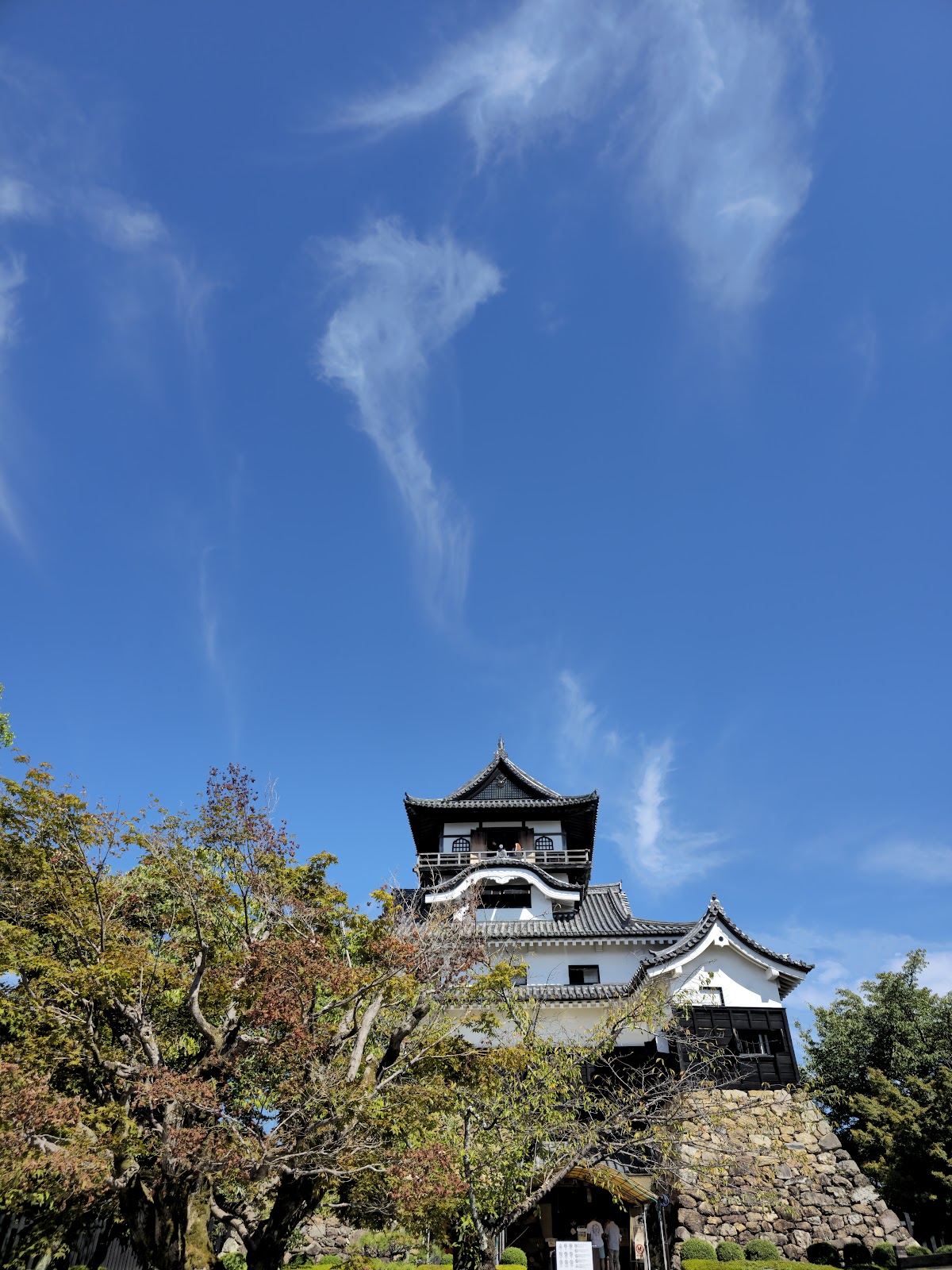
- Inuyama Castle: A National Treasure with an existing original donjon
- Inuyama Castle Town: Traditional streets preserving Edo period atmosphere
- Meiji Mura: An outdoor museum preserving and displaying Meiji period buildings
- Little World: A theme park offering cultural experiences from around the world
Visiting these spots alongside Jakukoin can make your Inuyama sightseeing more enriching.
Etiquette and Precautions for Worship
Visiting Hours
The grounds are generally open during daylight, though temple office reception hours and main hall viewing hours may be limited. If seeking special prayers or goshuin seals, it is recommended to call ahead for confirmation.
Clothing and Supplies
Since the trail features mountain stone steps, the following preparations are recommended:
- Comfortable Walking Shoes: Sneakers or trekking shoes are ideal
- Loose Clothing: Wear comfortable clothing suited for climbing steps
- Hydration: Especially in summer, bring a water bottle or thermos
- Rain Gear: Mountain weather changes quickly, so an umbrella is helpful
Manners and Precautions
- Maintain Quiet Atmosphere: Remember this is a temple; avoid loud conversations
- Photography: Photographing the grounds is generally permitted, though some areas like the main hall interior may be off-limits
- Trash Disposal: For environmental protection, take all trash with you
- Stone Buddha Care: Avoid touching or damaging the stone Buddha statues along the path
Jakukoin’s Appeal and Its Nature as a Power Spot
With over 1,360 years of history, Jakukoin has long possessed the character of a “power spot.” Its location on Tsugao, a sacred mountain, overlooking the clear waters of the Kiso River below, is a place where natural energy can be felt.
The principal image, Thousand-Armed Avalokitesvara, is believed to bring benefits for warding off misfortune and good fortune, with many worshippers offering prayers with sincerity. In the quiet atmosphere of this mountain temple, visitors can escape daily bustle and achieve peace of mind—a major attraction of Jakukoin.
The natural beauty changing with seasons, particularly the stunning autumn foliage, soothes the heart and moves visitors deeply. Jakukoin, where history, nature, and faith converge, is a representative tourist destination of Aichi Prefecture and a special place for those seeking spiritual peace.
Conclusion
Jakukoin in Inuyama City, known as “Owari’s Maple Leaf Temple,” is a historic Shingon Buddhist temple. Founded in 654 (Hakuchi 5), it boasts over 1,360 years of history, with its principal image of Thousand-Armed Avalokitesvara revered as a site for warding off misfortune.
The autumn foliage created by approximately 1,000 maple trees is among Aichi Prefecture’s finest, attracting numerous tourists from mid-November through early December. However, beyond autumn leaves, the temple displays different faces throughout the seasons—spring cherry blossoms, summer green maples.
Positioned on Tsugao Mountain’s slope overlooking the Kiso River, with scenic vistas, stone Buddha-lined paths, and registered tangible cultural property structures, there is much to see. Access is excellent, approximately 25 minutes on foot from Meitetsu Inuyama Yuen Station or about 30 minutes by car from Nagoya, allowing visitors to combine it with other Inuyama attractions like Inuyama Castle.
Jakukoin, where history, nature, and faith harmonize, is recommended for all seeking spiritual peace. Why not visit this oldest sacred site in Owari?
-800x450.jpg)
-800x450.jpg)
-800x450.jpg)