
Yoro Waterfall Gifu Prefecture Complete Guide | Detailed Explanation of Japan’s Selected Waterfall and Famous Water
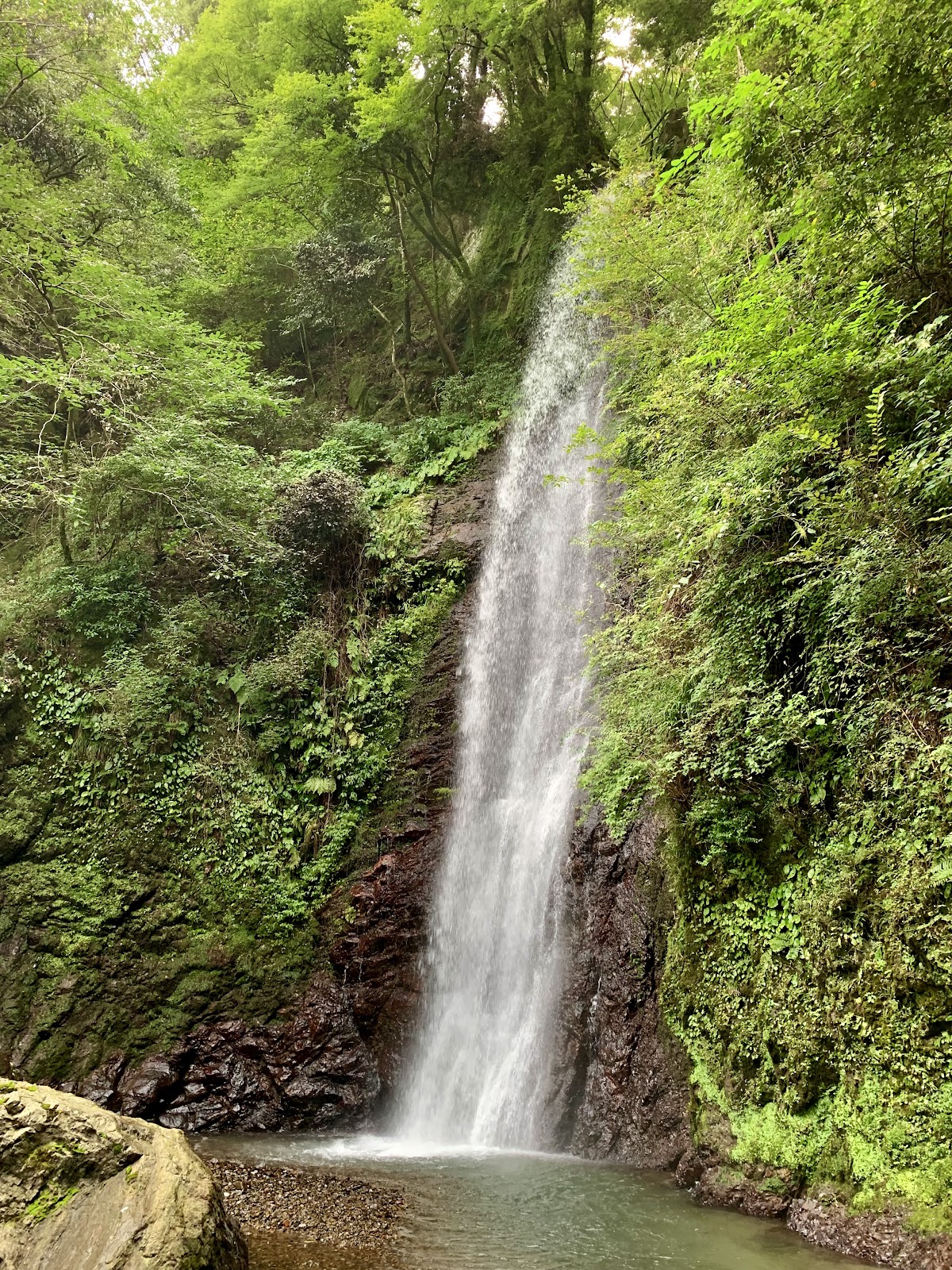
Yoro Waterfall, located in Yoro Town, Yoro District, Gifu Prefecture, is a magnificent waterfall with a drop of approximately 30 meters and width of approximately 4 meters, selected as one of Japan’s One Hundred Waterfalls and One Hundred Famous Waters. Surrounded by the abundant nature of the Yoro Mountains, this waterfall has captivated many literary figures since ancient times, and continues to move the hearts of visitors through the touching tale of filial devotion legend.
This article provides a thorough explanation of the charm of Gifu Prefecture’s representative tourist destination, from the historical background of Yoro Waterfall to practical visiting information, seasonal highlights, and surrounding attractions.
What is Yoro Waterfall | Overview of Gifu Prefecture’s Celebrated Waterfall
Yoro Waterfall is located in Takabayashi, Yoro Town, Yoro District, Gifu Prefecture, and is a waterfall belonging to the Kiso River water system. Positioned deep within Yoro Park, it forms part of the Ibi-Sekigahara-Yoro Quasi-National Park. The waterfall measures approximately 30 meters in drop (some sources cite 32 meters) and approximately 4 meters in width, with water flowing down between giant rocks and old trees, displaying crystalline clarity. Its magnificent and beautiful appearance overwhelms all who visit.
The special significance of Yoro Waterfall lies not only in its natural beauty. In addition to being selected as one of Japan’s One Hundred Waterfalls, it is also designated as one of the nation’s One Hundred Famous Waters as “Yoro Waterfall and Chrysanthemum Spring,” making it a rare existence nationwide with dual value as both a celebrated waterfall and famous water.
Geological Characteristics of Yoro Waterfall
The Yoro Mountains consist of strata formed from the Paleozoic to Mesozoic eras, and hard bedrock is exposed around Yoro Waterfall. This geological structure creates the waterfall’s beautiful straight cascade formation. The sound of water flowing down and striking rock corners makes visitors feel both the power and delicacy of nature.
The water forming the waterfall is rainwater that has fallen on the Yoro Mountains, infiltrated underground, and been filtered over long periods. Because of this, it is exceptionally clear and has been prized since ancient times as “water of rejuvenation.”
Yoro Waterfall’s Filial Devotion Legend | The Tale of Emperor Gensho and Era Name Change
The filial devotion legend, called “Yoro no Takikoiji,” is an essential tale when discussing Yoro Waterfall. This legend is the origin of the place name Yoro and is deeply connected to Japanese history.
The Content of the Filial Devotion Story
Long ago, in the Yoro region, there lived a poor woodcutter named Genjounai with his elderly father. Genjounai was a dutiful son who daily cut firewood in the mountains, sold it, and used his meager earnings to support his father.
One day, Genjounai wished to give his sake-loving elderly father alcohol but, being poor, could not afford to buy it. While gazing at water flowing down from a steep cliff deep in the valley, he wished, “If only this water were sake.” In that moment, his foot slipped on a rock, and he fell from the cliff, losing consciousness.
Upon awakening, he found a clear spring beside him. Tasting the water, it miraculously tasted like sake. Genjounai joyfully gave this water to his father, and the elderly man became young again and regained his vigor.
The Journey of Emperor Gensho and the “Yoro” Era Name Change
News of this miraculous event reached the capital, and in September 717 (Yoro 3), Empress Gensho made a royal visit to this location. The empress actually drank and bathed in this water, and impressed by its efficacy, praised it as “water that nourishes old age and rejuvenates.”
On November 17 of the same year, Empress Gensho changed the era name from “Reiki” to “Yoro.” This is one of the few examples in Japanese history where a local event directly became the reason for an era name change. This historical fact gives Yoro Waterfall and Chrysanthemum Spring value beyond that of mere tourist destinations, establishing them as Japanese historical heritage.
Chrysanthemum Spring and Continuation to the Present
The “water transformed into sake” that appears in the filial devotion legend currently flows as “Chrysanthemum Spring” within the grounds of Yoro Shrine. The spring water remains freely available for visitors to drink, allowing people to actually taste the legendary water. Of course, in modern times it does not taste like sake, but as clear and delicious water, it is cherished by many pilgrims and tourists.
Access Methods to Yoro Waterfall | How to Get to Yoro Town, Gifu Prefecture
There are options for reaching Yoro Waterfall by both public transportation and private vehicle. Detailed access methods for each are provided below.
Access by Train
Yoro Station on the Yoro Railway Line is the nearest station.
- From Nagoya area: Take the JR Tokaido Main Line to Ogaki Station, then transfer to the Yoro Railway Line
- From Ogaki Station to Yoro Station: Approximately 30 minutes
- From Yoro Station to Yoro Waterfall: Approximately 50 minutes walk (approximately 3.2 km)
- From Yoro Station to Yoro Park entrance: Approximately 10 minutes walk
Since the distance from Yoro Station to the waterfall is considerable, those without confidence in their physical abilities, families with small children, may consider using paid shuttle buses within Yoro Park or taxis. Particularly in summer and autumn foliage season, shuttle buses from the station to the park may operate.
Access by Automobile
Yoro IC on the Tokai Loop Expressway or Ogaki IC on the Meishin Expressway are convenient.
- From Yoro IC: Approximately 10 minutes (approximately 6 km)
- From Ogaki IC: Approximately 20 minutes (approximately 12 km)
Multiple parking areas are provided at Yoro Park:
- Yoro Waterfall Entrance Parking Area (closest to the waterfall): Can accommodate approximately 300 vehicles
- Yoro Park No. 1 Parking Area: Approximately 280 vehicles
- Yoro Park No. 2 Parking Area: Approximately 150 vehicles
Parking fees are approximately 300 yen for regular vehicles (may vary depending on season). Traffic is expected to be heavy during autumn foliage season and major holidays, so early arrival is recommended.
From Yoro Waterfall Entrance Parking Area to the Waterfall
The distance from Yoro Waterfall Entrance Parking Area to the waterfall itself is approximately 1.2 km, a walk of approximately 30 minutes. This walking trail passes through a nature-rich forest, with attractions scattered along the way including Yoro Temple, Chrysanthemum Spring, and seven bridges. While the trail is well-maintained, it is recommended to wear easy-walking shoes as it continues uphill.
Yoro Park Facility Guide and Business Hours
Yoro Waterfall is part of Yoro Park, with the entire park developed as an extensive nature park.
Business Hours and Admission
- Business Hours: 9:00–17:00 (final entry 16:30)
- Admission: Entry to Yoro Waterfall itself is free
- Closed Days: Generally open year-round (however, walking trails may be closed due to weather or seasonal conditions)
※Other facilities within Yoro Park (Yoro Tenmeihanten, Gifu Prefectural Children’s Country, etc.) have separate admission fees and business hours.
Major Facilities in Yoro Park
Yoro Park covers a vast area of approximately 786,000 square meters with various facilities scattered throughout:
- Yoro Waterfall: The symbolic feature of the park
- Yoro Tenmeihanten: An experiential contemporary art facility
- Gifu Prefectural Children’s Country: Children’s play facilities
- Yoro Shrine: A shrine associated with the filial devotion legend
- Yoro Temple: A historic temple
- Park Golf Course: Enjoy sports in nature
- Tennis Courts: Sports facilities
By combining these facilities, you can create a full day of enjoyment and activities.
Yoro Waterfall in All Four Seasons | Charms of Spring, Summer, Autumn, and Winter
The appeal of Yoro Waterfall lies in the different expressions it presents in each season. You can enjoy completely different landscapes depending on when you visit.
Yoro Waterfall in Spring (March–May)
Spring Yoro Park is also known as a cherry blossom viewing destination. Approximately 3,000 cherry blossoms are planted, with peak bloom occurring from late March to early April. The collaboration of cherry blossoms and waterfall is a landscape symbolizing spring in Japan.
During new growth season (late April–May), young leaves sprout and the entire forest is wrapped in bright green. During this period, the waterfall’s water volume is abundant due to snowmelt, allowing you to enjoy forceful water spray.
Yoro Waterfall in Summer (June–August)
Yoro Waterfall in summer attracts those seeking natural cooling. Because the waterfall area is surrounded by forest, temperatures remain low even in midsummer, and the air full of negative ions provides pleasant coolness.
Near the waterfall basin, water spray is refreshing and makes you forget the heat. During summer vacation periods, families flock to the area, and children’s cheerful voices echo. However, as summer has many insects, bringing insect repellent spray is recommended.
Yoro Waterfall in Autumn (September–November)
Yoro Waterfall is said to be most beautiful during the autumn foliage season. Typically reaching peak color from mid to late November, maple and Japanese maple trees turn red and yellow, vividly coloring the waterfall area.
During autumn foliage season, many tourists visit, and Yoro Park becomes bustling with autumn leaf viewing. The contrast between the waterfall and autumn leaves is ideal for photography, attracting many photographers. This period sees heavy parking lot congestion, so visiting on weekdays or early in the morning is recommended.
Yoro Waterfall in Winter (December–February)
Winter Yoro Waterfall exudes a mystical atmosphere enveloped in silence. On days when temperatures drop below freezing, the waterfall’s surroundings may freeze, becoming an ice waterfall. Complete freezing is rare, but partially frozen waterfalls display fantastical beauty.
Winter sees fewer visitors, making it ideal for leisurely waterfall viewing. However, as walking trails may be icy, non-slip shoes and cold-weather protection are essential.
History and Cultural Value of Yoro Waterfall
Yoro Waterfall possesses historical and cultural value far beyond that of a mere natural landscape.
A Celebrated Waterfall Beloved by Literary Figures
Since ancient times, Yoro Waterfall has captivated many literary and artistic figures. Most notably, Hokusai Katsushika, an Edo period ukiyo-e artist, depicted Yoro Waterfall in his series “Various Waterfalls Throughout Japan.” His works remain highly regarded today.
Hokusai’s rendering of Yoro Waterfall, while based on the actual landscape, is artistically stylized, magnificently expressing both the mystique and power of the waterfall. Through this ukiyo-e, Yoro Waterfall became nationally renowned as a noted destination from the Edo period onward.
Yoro in the Manyoshu
The Yoro region appears in the Manyoshu, Japan’s oldest anthology of poetry. A poem transmitted as being composed at the time of Yoro’s era name change reads, “Yoro no taki no mizu wa kamiyori taezuso hito no oioyasumemu,” demonstrating that Yoro’s water has been specially regarded since ancient times.
Yoro Waterfall as an Object of Worship
Yoro Shrine’s sacred object is said to be Yoro Waterfall itself, making it an object of veneration since ancient times. In particular, the water of Chrysanthemum Spring has been revered as “water of rejuvenation” and “water of longevity,” drawing many pilgrims.
Today, pilgrims continue to visit Yoro Shrine wishing for health, longevity, and household safety. Seven bridges are found along the path to the waterfall, each said to hold meaning, and many visit with pilgrim-like feelings.
Attractions Around Yoro Waterfall
By visiting nearby attractions while at Yoro Waterfall, you can create a more fulfilling tourism experience.
Yoro Shrine and Chrysanthemum Spring
Yoro Shrine, located along the walking path to Yoro Waterfall, is a shrine associated with the filial devotion legend. Within its grounds flows Chrysanthemum Spring, selected as one of Japan’s One Hundred Famous Waters, where visitors may freely drink the clear water.
According to legend, Chrysanthemum Spring’s water transformed into sake, and many visitors currently bring bottles to take it home. The shrine also provides omamori (amulets), making it recommended for those collecting shrine seals.
Yoro Tenmeihanten
Located within Yoro Park, Yoro Tenmeihanten is an interactive contemporary art facility designed by world-renowned artist Shusaku Arakawa and his partner Madeline Gins.
Mysterious spaces such as “House of the Extremely Similar” and “Elliptical Field” unfold, stirring visitors’ senses. In contrast to Yoro Waterfall’s natural beauty, this artificial yet philosophical space captivates many tourists.
Admission: Adults ¥770, High School ¥510, Elementary/Middle School ¥310
Yoro Temple
Yoro Temple is an ancient temple said to have been established at the behest of Empress Gensho. It is an important temple preserving the history of Yoro’s era name change, with historical structures and monuments remaining in its grounds.
The quiet temple grounds are ideal for meditation and walks, and it is also popular as a rest stop along the path to the waterfall.
Gifu Prefectural Children’s Country
Recommended for families is Gifu Prefectural Children’s Country within Yoro Park. The facility features large play equipment, obstacle courses, and open grass fields where children can play freely.
With free admission and full-day enjoyment possible, combining it with Yoro Waterfall tourism allows families to spend a day with fun for all ages.
Yoro Hot Spring
The Yoro hot spring region surrounds Yoro Waterfall. It is ideal for relaxing tired bodies after waterfall tourism, with day-use bathing facilities available.
“Takimotikan Yuuki no Sato,” a representative hot spring inn, is located just a 3-minute walk from Yoro Waterfall, allowing you to enjoy hot springs in this legendary land. Day-use bathing plans are available in addition to overnight stays, making it recommended as a fitting conclusion to tourism.
Recommended Model Courses for Yoro Waterfall Tourism
Recommended tourism model courses centered on Yoro Waterfall are provided below.
Half-Day Course (Approximately 4 hours)
- 9:00 Arrival at Yoro Station or Yoro Waterfall Entrance Parking Area
- 9:30 Visit Yoro Shrine, taste Chrysanthemum Spring water
- 10:00 Arrive at Yoro Waterfall, photograph and view the waterfall
- 11:00 Descend via Yoro Temple
- 12:00 Lunch within Yoro Park or nearby
- 13:00 Departure
Full-Day Course (Approximately 7 hours)
- 9:00 Arrival at Yoro Station or Yoro Waterfall Entrance Parking Area
- 9:30 Visit Yoro Shrine, taste Chrysanthemum Spring water
- 10:00 Arrive at Yoro Waterfall, photograph and view the waterfall
- 11:00 Descend via Yoro Temple
- 12:00 Lunch within Yoro Park
- 13:00 Experience Yoro Tenmeihanten (approximately 2 hours)
- 15:00 Rest at Gifu Prefectural Children’s Country (for families with children)
- 16:00 Day-use bathing at Yoro Hot Spring
- 17:00 Departure
Overnight Course (1 Night, 2 Days)
Day 1:
- Arrive in Yoro in the afternoon
- Yoro Waterfall tourism
- Overnight stay at Yoro Hot Spring
Day 2:
- Yoro Tenmeihanten tourism in the morning
- Stroll through Yoro Park
- Lunch and then visit nearby attractions (Ogaki Castle, Sekigahara Ancient Battlefield, etc.)
Photography Tips at Yoro Waterfall
Yoro Waterfall is also popular as a photography spot. Tips for taking beautiful photographs are provided below.
Best Photography Times
- Early morning (8:00–10:00): Few people present, with morning sun illuminating the forest creating a mystical scene
- Cloudy days: The waterfall’s white water stands out with beautiful contrast
- Autumn foliage season mornings: Brilliant foliage and waterfall contrast is exceptional
Photography Spots
- Directly in front of waterfall basin: Standard angle capturing the entire waterfall
- From bridges on the walking trail: Looking down from walking path bridges offers beautiful angles
- Waterfall’s side profile: Rock surface and water flow are emphasized
- Combined with autumn foliage: In autumn, including foliage in the foreground emphasizes Japanese beauty
Camera Setting Tips
- Slow shutter: Using a tripod, express water flow smoothly at shutter speeds of 1/4 second to 1 second
- Use ND filter: Enables slow shutter even on bright days
- Keep ISO sensitivity low: ISO 100–400 maintains image quality
- Aperture F8–F11: Keeps entire waterfall in focus
Precautions and Preparation When Visiting Yoro Waterfall
Explanations of precautions and preparations for enjoying Yoro Waterfall comfortably follow.
Clothing and Supplies
- Easy-walking shoes: While the walking trail is maintained, continuous uphill walking makes sneakers or trekking shoes ideal
- Easy-movement clothing: Easy-movement clothing is necessary for stairs and slopes
- Jacket (autumn/winter): As waterfall areas have low temperatures, bring something to layer
- Rain gear: As weather changes easily, bring a collapsible umbrella or raincoat
- Drinking water: Especially in summer, water intake is important
- Insect repellent spray (summer): Essential when walking through forest
- Towel: You may get wet from waterfall spray
Physical Ability and Required Time
From Yoro Waterfall Entrance Parking Area to the waterfall is approximately 30 minutes one way, or about 1 hour round trip. As there are steep stairs and slopes along the way, those who do not exercise regularly, elderly visitors, or families with small children should plan with ample time margins.
Benches for rest are available along the way, so walking at your own pace without overexertion is important.
Safety Precautions
- Slippery areas: Areas around the waterfall and walking trails become wet and slippery, requiring care
- Do not go beyond fences: For safety, do not go beyond installed fences
- Weather-related closures: Walking trails may be closed after heavy rain or typhoons. Check the official website beforehand
- Wild animals: Boars and monkeys may appear. If encountered, avoid stimulating them and quietly maintain distance
Dining and Souvenirs Around Yoro Waterfall
The enjoyment of Yoro tourism extends beyond the waterfall. Local cuisine and souvenirs are also appealing.
Famous Yoro Cuisine
Yoro Yakiniku Street
Yoro Town is also famous as a barbecue town, with numerous yakiniku restaurants lining National Route 258. Barbecue using locally-sourced Hida beef or Yoro beef is excellent and recommended for dining after tourism.
Yoro Ham
Yoro Ham, a specialty of Yoro Town, is a traditional flavor continuing from the Meiji period. You can purchase and enjoy it at shops and restaurants around Yoro Park.
Yoro Cider
Yoro Cider made using Chrysanthemum Spring water is popular as a souvenir. With refreshing sweetness, it is ideal after waterfall tourism.
Recommended Souvenirs
- Chrysanthemum Spring water: Many take bottles home; it is a famous water
- Yoro specialty confections: Japanese and Western sweets featuring Yoro Waterfall
- Yoro Ham: Enjoy traditional flavor at home
- Yoro Cider: The retro bottle design is also appealing
- Yoro Waterfall merchandise: Postcards and key chains as mementos
Gift shops are scattered within Yoro Park and near Yoro Station, where you can purchase local specialties.
Event Information Around Yoro Waterfall
Various events are held throughout the year in Yoro Town.
Major Events
Yoro Park Summer Cool Waterfall Festival (Late July–Early August)
Held as a summer tradition, the waterfall area is illuminated at night, offering a fantastical atmosphere. Food stalls are set up, drawing many tourists.
Yoro Park Autumn Foliage Festival (Mid to late November)
Held during autumn foliage season with illumination, local specialty sales, and musical events.
New Year’s First Sunrise Climbing (January 1)
An event to watch the new year’s first sunrise from Yoro Mountain. Climbers heading to the summit via Yoro Waterfall make the event lively.
Event information may change depending on timing, so checking the latest information on Yoro Park’s official website or Yoro Town Tourism Association’s website before visiting is recommended.
Yoro Waterfall and Japan’s One Hundred Waterfalls and One Hundred Famous Waters
The value of the selections of Yoro Waterfall in “Japan’s One Hundred Waterfalls” and “One Hundred Famous Waters” are explained.
What is Japan’s One Hundred Waterfalls?
Japan’s One Hundred Waterfalls is a selection of 100 waterfalls representing Japan chosen in 1990 by the Environment Agency (currently Environment Ministry) and Japanese waterfall enthusiasts. From waterfalls submitted nationwide, those meeting criteria including beauty, scale, surrounding environment, and accessibility were comprehensively evaluated and selected.
Yoro Waterfall was selected for its historical value, beauty, and cultural background of the filial devotion legend. Besides Yoro Waterfall, Gifu Prefecture also has Neio Waterfall and Hirayu Grand Waterfall among the selections.
What is One Hundred Famous Waters?
One Hundred Famous Waters is a selection of nationwide excellent spring water and rivers chosen in 1985 by the Environment Agency. Selection criteria include not only water quality excellence but also conservation efforts by residents and the role the water plays in regional life and culture.
Yoro Waterfall and Chrysanthemum Spring were selected for their clear water quality, historical and cultural value since the filial devotion legend, and role as a regional symbol.
Conclusion: Fully Enjoy Yoro Waterfall’s Charm
Yoro Waterfall in Yoro Town, Gifu Prefecture, selected for Japan’s One Hundred Waterfalls and One Hundred Famous Waters, is a celebrated waterfall with a touching filial devotion legend and deep history, representing Japan’s premier tourist destinations.
The magnificent waterfall with its approximately 30-meter drop presents different expressions in each season—spring cherry blossoms, summer coolness, autumn foliage, and winter tranquility. Within Yoro Park, other charming facilities such as Yoro Tenmeihanten and Gifu Prefectural Children’s Country allow full-day enjoyment.
The convenience of public transportation access from Yoro Station on foot and the ease of automobile access are also appealing. Surrounding attractions include Yoro Hot Spring and yakiniku street with excellent dining options, allowing visitors to fully experience Gifu Prefecture’s charm alongside tourism.
Where history, nature, culture, and dining converge—Yoro Waterfall. Please visit in person and experience its charm. Surely you will re-experience the beauty of Japan and the depth of its history.
-800x450.jpg)
-800x450.jpg)
-800x450.jpg)