.jpg)
Tensho Prefectural Natural Park (Gifu Prefecture) Complete Guide | Beech Primeval Forest, Wetlands, Autumn Foliage and Access Information
What is Tensho Prefectural Natural Park?
Tensho Prefectural Natural Park is a natural park centered around Tensho Pass at an elevation of approximately 1,300 meters, located on the border between Kawai Town, Hida City and Shirakawa Village, Ono County in Gifu Prefecture. This region, closed off by snow for half the year, has been designated as a “Treasure of Gifu,” preserving pristine and magnificent natural landscapes.
The park contains diverse natural environments including wetlands with alpine flowers in full bloom, primeval forests of Japanese beech and Japanese katsura trees hundreds of years old, deep ravines, and Momiguma Mountain with panoramic views of the Northern Alps. It is also known as the setting for Izumi Kyoka’s novel “The High Priest” and the masterpiece painting “Mountain Cloud” by Japanese painter Kaiui Higashiyama, and has captivated people for ages.
The Value of “Treasure of Gifu” Designation
Tensho Prefectural Natural Park, selected as “Treasure of Gifu,” Gifu Prefecture’s proud regional attraction recognized nationwide, has been highly evaluated for the richness of its ecosystem and the beauty of its landscape. In particular, the primeval beech forest spreading across highlands above 1,000 meters in elevation is a precious presence even in Honshu and has become an important natural heritage from an academic perspective.
The Four Seasons Appeal of Tensho Prefectural Natural Park
Spring (Late May to June): Season of Snowmelt and Alpine Plants
When National Route 360 (Tensho Pass) typically closes to traffic from early November to late May reopens in spring, the park welcomes the long-awaited season. In the wetlands where snowmelt water flows, colonies of Asian skunk cabbage can be seen from late May through June. The sight of pure white spathes filling the wetlands moves all who visit.
Following the Asian skunk cabbage, yellow flowers of marsh marigold color the wetlands, and Tensho Wetland becomes a treasure trove of spring alpine plants. This season is also beautiful for the contrast between remaining snow and fresh greenery, making it popular among photography enthusiasts.
Summer (July to August): Lush Beech Forest and Alpine Plants
Summer at Tensho Prefectural Natural Park is a completely different world wrapped in deep green. The primeval beech forest provides cool shade, allowing comfortable trekking even in midsummer. In July, Japanese false hellebore yellows the wetlands, and various alpine plants bloom one after another.
In the primeval forest where large beech and katsura trees stand, you can encounter gigantic trees said to be 300 to 500 years old. Walking through the forest, you hear birdsong and the murmur of clear streams, making you forget urban hustle and bustle. The three waterfalls known as Tensho Falls are particularly impressive when visited during the summer period with abundant water volume.
Autumn (Late September to October): A Famous Autumn Foliage Spot in Hida
Tensho Pass is known as a renowned autumn foliage site representing the Hida region. It begins to color from late September, reaching its peak from early to mid-October. The autumn colors of beech, maple, and rowan trees display a multifaceted color gradient from yellow to red.
The autumn foliage viewed from Momiguma Mountain is especially spectacular, and the contrast between the colorful forest spreading below and the Northern Alps mountains in the distance is breathtaking. During autumn foliage season, many climbers and hikers visit to fully enjoy nature’s autumn display.
Winter (November to May): A Silent World Closed in Snow
From early November, National Route 360 closes for winter, and Tensho Prefectural Natural Park is sealed in deep snow. During this period, access to the park is restricted, but for snowshoe and backcountry skiing enthusiasts, it becomes a special season to enjoy untouched snowy plains. However, winter mountaineering requires sufficient equipment and experience.
Highlights of Tensho Prefectural Natural Park
Tensho Wetland
Tensho Wetland is a place maintaining a precious ecosystem as a high-level peatland. Asian skunk cabbage, marsh marigold, and Japanese false hellebore bloom in succession depending on the season. Boardwalks have been installed, allowing visitors to enjoy the wetland without damaging it.
Around the wetland, amphibians such as Japanese tree frogs and Alpine salamanders also inhabit the area, making it an important region from the perspective of biodiversity. At dawn, you may encounter a mystical landscape enveloped in morning mist.
Beech Primeval Forest
One of the greatest attractions of Tensho Prefectural Natural Park is its untouched beech primeval forest. This forest spreading across highlands above 1,000 meters in elevation is dotted with giant trees hundreds of years old, providing an ideal environment for forest bathing.
Beech trees are also called “Mother of the Forest” and store abundant water while nurturing diverse life. Walking through the forest, you encounter landscapes unique to primeval forests, such as moss-covered fallen trees and dappled sunlight filtering between trees. The autumn yellowing is also magnificent, and the golden-shining beech forest is stunning in its beauty.
Giant Katsura Trees
Several giant katsura trees estimated to be 300 to 500 years old exist in Tensho Prefectural Natural Park. These colossal trees, with trunks several meters in circumference, stand as proof of having lived in this place through long years.
In autumn, katsura trees emit a sweet fragrance, and their scent is described as “like cotton candy.” The sight of turning yellow with this distinctive aroma leaves a deep impression on visitors.
Tensho Falls
Within Tensho Prefectural Natural Park, three waterfalls collectively known as Tensho Falls are located. Positioned deep within the forest, these falls each display distinctive characteristics and serve as spots to enjoy ravine beauty.
From spring through summer when water volume is abundant, you can fully appreciate the power of the waterfalls. The area around the falls is filled with negative ions, and the cool air refreshes body and mind.
Momiguma Mountain
At 1,744 meters in elevation, Momiguma Mountain is a representative mountain of Tensho Prefectural Natural Park. From the summit, a magnificent panorama of the Northern Alps unfolds, with views of peaks such as Yari Mountain and the Hotaka Range.
The climbing course from Tensho Wetland to Momiguma Mountain is relatively well-maintained and popular as an intermediate-level hiking route. The trail is home to many alpine plants, allowing for plant observation while climbing. The view from the summit is so wonderful it makes you forget the fatigue of climbing.
Trekking Course Introductions
At Tensho Prefectural Natural Park, multiple courses are set up according to fitness level and experience.
Beginner Level: Tensho Wetland Loop Course (Approximately 1 hour)
Departing from the Tensho Pass parking area and making a full loop around Tensho Wetland. Boardwalks are installed, making it easy to walk and safe even for families with small children. You can observe seasonal flowers such as Asian skunk cabbage and Japanese false hellebore up close.
Intermediate Level: Beech Primeval Forest Stroll Course (Approximately 2-3 hours)
Proceeding deeper from Tensho Wetland to tour the primeval forest of beech and katsura trees. You can visit giant katsura trees and Tensho Falls, fully enjoying forest bathing. With moderate ups and downs, trekking shoes are recommended.
Advanced Level: Momiguma Mountain Climbing Course (Approximately 4-5 hours)
A course aiming for the Momiguma Mountain summit from Tensho Wetland. With an elevation gain of approximately 400 meters, some physical fitness and mountaineering experience are necessary. The view of the Northern Alps from the summit is exceptional, and you can also savor a sense of achievement. Pay attention to weather changes and approach with sufficient equipment.
Access to Tensho Prefectural Natural Park
Access by Car
From Nagoya area
- Approximately 60km via National Routes 472 and 360 from the Hida Kiyomi IC of the Tokai-Hokuriku Expressway (approximately 90 minutes)
- Or approximately 30km via National Routes 156 and 360 from the Shirakawa-go IC (approximately 45 minutes)
From Toyama area
- Approximately 90km via National Routes 41 and 360 from Toyama IC of the Hokuriku Expressway (approximately 120 minutes)
From Takayama area
- Approximately 70km via National Routes 158, 472, and 360 (approximately 100 minutes)
A free parking area (approximately 50 spaces) is maintained at Tensho Pass. During busy seasons such as autumn foliage, early morning arrival is recommended.
Access by Public Transportation
Access by public transportation is limited. The nearest station is Hida Furukawa Station on the JR Takayama Main Line, but it is approximately 40km from Tensho Pass, and no route buses operate. Taxi use is necessary, but fares are over 10,000 yen one way.
Temporary buses and tours may operate from Hida City or Shirakawa Village during tourist seasons, so it is recommended to contact the Hida City Tourism Association or Shirakawa-go Tourism Association in advance.
Winter Road Closure
National Route 360 (Tensho Pass) typically closes for winter from early November to late May of the following year. The exact dates of opening and closure vary depending on snow conditions, so please check the latest information on the Gifu Prefecture Road Management Division website or Hida City website before visiting.
In 2024, it opened on May 24 (Friday) at 3 p.m. Shortly after opening, there is still considerable remaining snow, making it a special time to simultaneously enjoy spring alpine plants and snowy landscapes.
Basic Information (Operating Hours, Fees, Facilities)
Operating Period
- Open season: Early June to mid-November (subject to National Route 360 opening period)
- Visiting hours: 24 hours (night mountaineering is not recommended)
- Closed days: Open every day during season
Fees
- Admission: Free
- Parking: Free (approximately 50 spaces)
Facility Information
- Restrooms: Public restrooms near parking area (flush toilets)
- Rest area: Tensho Pass rest shelter (simple pavilion)
- Shops/dining: None (no vending machines)
- Mobile phone: May be out of service in some locations
Precautions
- There are no shops or dining facilities in the park, so please prepare drinking water and food in advance
- Always take your trash with you (no garbage bins are provided)
- Wild animals (bears) inhabit the area, so carrying a bear bell is recommended
- Prepare rain gear and warm clothing in case of sudden weather changes
- Submitting a mountaineering report is recommended (for Momiguma Mountain climbing)
Utilizing Natural Guide Tours
To enjoy Tensho Prefectural Natural Park more deeply, the use of natural guide tours by the “Hida City and Shirakawa-go Natural Guide Association” is recommended. Experienced guides provide detailed explanations about plants, geology, history and more while guiding you.
Natural guide tours allow you to learn about small flowers, insects, and forest ecosystems that general tourists often overlook, enabling deeper understanding of Tensho’s nature. It is especially ideal for first-time visitors or those interested in nature observation.
Tour bookings are by advance reservation, so please contact the Hida City Tourism Association or the Hida City and Shirakawa-go Natural Guide Association.
Recommended Nearby Spots
Shirakawa-go Gassho-style Farmhouse Village
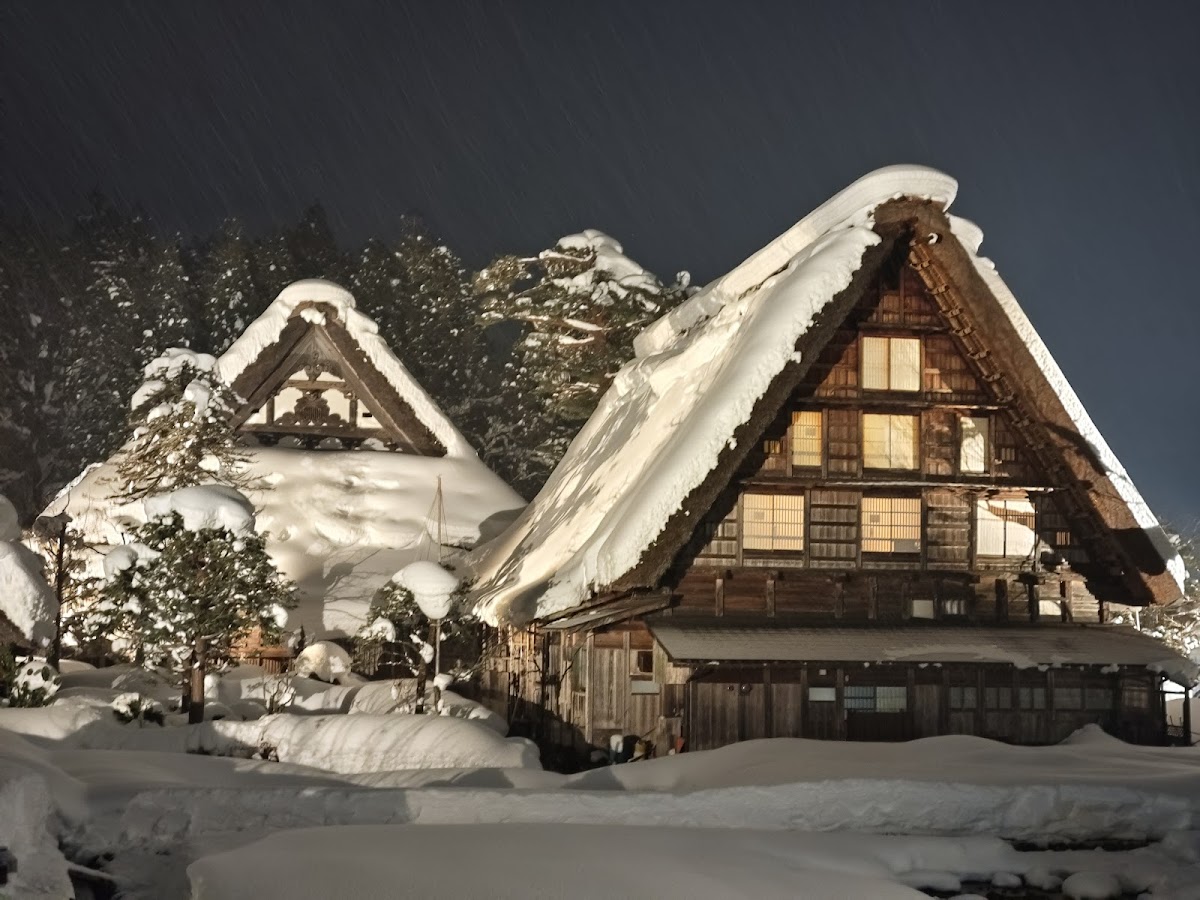
Located about 30 minutes by car from Tensho Prefectural Natural Park, this UNESCO World Heritage site of Shirakawa-go features traditional gassho-style farmhouses that represent the original Japanese landscape. Many tourists visit Shirakawa-go along with nature hiking at Tensho, enjoying both mountain nature and rural culture in a single day.
Hida Furukawa Town
Hida Furukawa, the center of Hida City, is also known as the setting for the movie “Your Name.” The white-walled earthen storehouse townscape and walking paths along the Seto River create an atmospheric and charming environment. It is approximately 50 minutes by car from Tensho Prefectural Natural Park.
Miboro Dam
Located between Shirakawa-go and Tensho Pass, Miboro Dam is one of Japan’s leading rockfill dams. The landscape around the dam lake is also beautiful, and in spring the Shogawa cherry trees transplanted along the lakeside bloom magnificently.
Nearby Accommodation
Hida City Kawai Town Area
The area closest to Tensho Prefectural Natural Park. There are private inns and small hotels where you can enjoy local cuisine made with local ingredients. Recommended for those wanting to head to Tensho Pass early in the morning.
Shirakawa-go Area
You can experience the rare opportunity of staying in a gassho-style house. By staying within the World Heritage village, you can enjoy Shirakawa-go during quiet night and early morning hours. Tensho Pass is approximately 30 minutes by car.
Hida Furukawa Area
The area around Hida Furukawa Station has diverse accommodations from business hotels to hot spring inns. Many lodgings allow you to enjoy Hida’s food culture, including Hida beef and local sake, making it convenient as a tourism base.
Best Season to Visit Tensho Prefectural Natural Park
Tensho Prefectural Natural Park has appeal in all four seasons, but there are best seasons depending on your purpose.
To see Asian skunk cabbage: Late May to early June
To see Japanese false hellebore: Early to mid-July
To enjoy autumn foliage: Early to mid-October
For comfortable trekking: Late June to September (after rainy season ends)
To avoid crowds: Mid-June to early July, mid to late September
Weekends during autumn foliage season are especially crowded, so planning a weekday visit or early morning arrival is advisable.
Photography Spots and Photogenic Landscapes
Tensho Prefectural Natural Park is a treasure trove for photography enthusiasts.
Morning mist over Tensho Wetland: The mystical landscape of wetland enveloped in morning mist at dawn is a perfect photography opportunity. Using a tripod for long exposure can express the flow of mist.
Dappled sunlight in beech forest: The light filtering through the forest in the morning is mystical. Using backlighting creates dramatic photographs.
Northern Alps from Momiguma Mountain summit: On clear days, the mountains of the Northern Alps stretching in the distance are magnificent. Capture the grand panorama with a wide-angle lens.
Autumn foliage gradient: The colorful forest of autumn is picturesque wherever you frame. Soft light on overcast days renders colors vibrantly.
History and Culture of Tensho Prefectural Natural Park
Tensho Pass has been an important traffic junction connecting Hida and Etchu since ancient times. The steep mountain road was a difficult route for travelers, giving birth to many stories and legends.
In Izumi Kyoka’s novel “The High Priest,” the mystical atmosphere of this region is depicted, with a traveling monk experiencing strange occurrences as the setting. Additionally, master Japanese painter Kaiui Higashiyama was moved by the deep green forest and mist-enshrouded landscapes of Tensho and created the masterpiece “Mountain Cloud.”
These literary and artistic works convey to us today the mystical nature and beauty of Tensho. Learning about this cultural background when visiting the park allows for even deeper emotional appreciation.
Environmental Conservation Efforts
At Tensho Prefectural Natural Park, various conservation activities are conducted to pass precious natural environments to the next generation.
Boardwalk maintenance prevents treading on wetlands and protects vegetation. Additionally, to conserve the primeval beech forest, visitors are asked to refrain from walking off the trails.
Each visitor following the principle of “leaving it more beautiful than when I arrived,” by observing rules such as taking trash with them and refraining from plant collection, contributes to protecting this precious nature.
Summary: The Appeal of Tensho Prefectural Natural Park
Tensho Prefectural Natural Park is Gifu Prefecture’s natural treasure trove. The wetland where Asian skunk cabbage blooms, the primeval forest of beech and katsura trees hundreds of years old, Tensho Pass as a renowned autumn foliage site in Hida, and Momiguma Mountain with panoramic Northern Alps views—all are concentrated within a single park.
Because this region is sealed off by snow for half the year, the nature during the open season is full of vitality and moves visitors deeply. The ability to choose trekking courses suited to each person’s level, from beginner to advanced, is also appealing.
During the open period of National Route 360 (early June to mid-November), be sure to visit Tensho Prefectural Natural Park and feel Gifu Prefecture’s magnificent nature with your entire being. Time spent in the silence of primeval forest, away from urban hustle and bustle, refreshes body and mind and rekindles appreciation for nature’s importance.
-800x450.jpg)
-800x450.jpg)
-800x450.jpg)