.jpg)
Fukiwari Falls (Gunma Prefecture) Complete Guide | Charm of the Oriental Niagara and Tourism Information
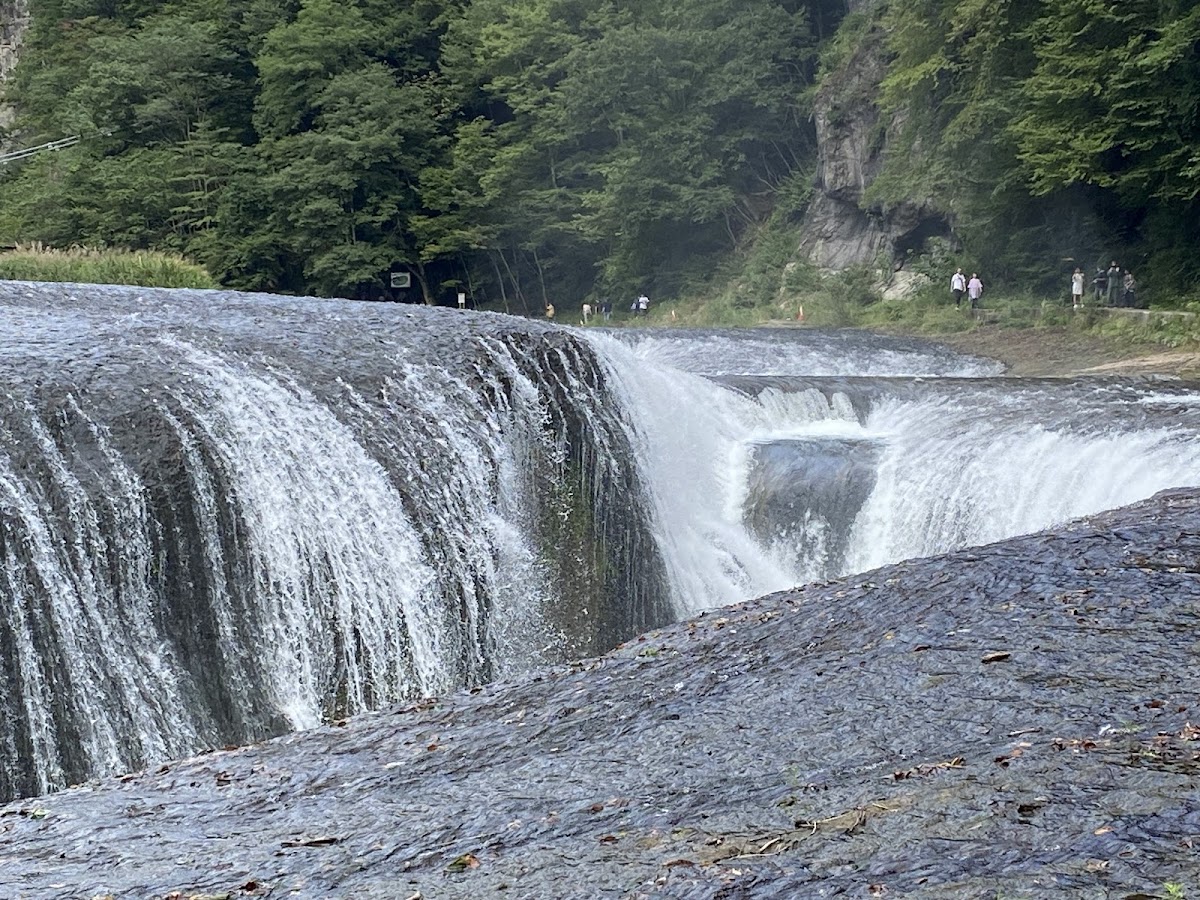
Located in Toshima Town, Numata City, Gunma Prefecture, Fukiwari Falls is one of Japan’s most renowned waterfalls, known by the epithet “Oriental Niagara.” Designated as a National Natural Monument and Scenic Beauty, and selected as one of Japan’s Top 100 Waterfalls, this waterfall is renowned for its magnificent scenery with water flowing powerfully across a width of approximately 30 meters and a height of approximately 7 meters. This article provides detailed information about the attractions of Fukiwari Falls, tourism information, and surrounding spots.
About Fukiwari Falls | Spectacular Scenery Created by Natural Monuments
Overview and History of Fukiwari Falls
Fukiwari Falls is a natural formation created by unique topography formed in the middle reaches of the Katashina River. On December 16, 1936 (Showa 11), it was designated as a Natural Monument and Scenic Beauty by the former Ministry of Education as “Fukiwari Gorge and Fukiwari Waterfall.” In 2000 (Heisei 12), it appeared in the opening images of the NHK historical drama “Aoi: Tokugawa Ieyasu,” gaining nationwide recognition.
Fukiwari Gorge is located approximately 3 kilometers north of Oijin Hot Spring and the surrounding area has been developed as a scenic spot. As a tourist destination managed by Numata City, it has become a representative natural tourism site in Gunma Prefecture, attracting many tourists throughout the year.
Etymology of “Fukiwari” and Geological Characteristics
The name “Fukiwari Falls” comes from its unique topography. The clear waters of the Katashina River flowing through a riverbed composed of tuff and granite have eroded the softer rock over many years, creating numerous cracks. This erosion created a landscape that appears as if giant rocks had been blown apart, hence the name “Fukiwari Falls.”
The way water flows into the V-shaped deeply eroded rock cracks appears to be sucked in, creating a unique scenery not found in other waterfalls. The water flow falling while spraying water and roaring with a thunderous sound is truly a magnificent spectacle where you can experience the power of nature.
Why It Is Called the Oriental Niagara
The reason Fukiwari Falls is called the “Oriental Niagara” lies in its wide waterfall shape. While typical waterfalls are characterized by their height, Fukiwari Falls is a waterfall that spreads horizontally, spanning approximately 30 meters wide, similar to Niagara Falls on the border between the United States and Canada.
During periods of abundant water volume, the sight of water flowing from the entire waterfall is truly spectacular. Particularly during spring when snow melt flows in, or during the rainy season, water volume increases, allowing you to enjoy an even more impressive landscape. However, note that hiking trails may be closed during high water periods.
Highlights of Fukiwari Falls | Spectacular Scenery Through the Four Seasons
Spring’s Fresh Greenery and the Power of Snowmelt
Spring at Fukiwari Falls is the season when water volume increases due to snowmelt, displaying the most powerful appearance of the year. From April to May, the surrounding trees are enveloped in fresh green leaves, creating a beautiful landscape of contrast between the refreshing verdure and the magnificent water flow.
During this period, the water temperature is also low, and the water spray brings cool air, allowing you to experience a refreshing tourism experience amidst the spring weather. However, during periods of high water volume, some parts of the hiking trail may be closed, so it is recommended to check official information from Numata City in advance.
Summer’s Cool Retreat | Appeal as an Escape from the Heat
Fukiwari Falls in summer is popular as one of the premier heat-escape spots in the Kanto region. Due to its high altitude location, it remains relatively cool even in the height of summer, and the water spray rising from the falls creates an additional sense of coolness.
From July to August, the foliage is at its deepest, and the waterfall’s landscape surrounded by rich green exudes a mysterious atmosphere. While strolling along the hiking trail, you can absorb plenty of negative ions and forget the hustle and bustle of the city, making it a place where many tourists visit to refresh themselves.
Autumn Foliage | A Spectacular Autumn Leaves Viewing Spot
Fukiwari Falls displays its most vibrant appearance during the autumn foliage season. From mid-October through early November, the surrounding trees turn red and yellow, creating a breathtaking beauty with the contrast between the white water flow and the autumn leaves.
The entire Fukiwari Gorge is enveloped in autumn foliage, and you can enjoy the combination of foliage and waterfalls from various angles while walking along the hiking trail. The view from the First Observation Platform is particularly spectacular, offering a panoramic view of the waterfall and autumn leaves, making it a popular photography spot. As tourist numbers peak during this period, early morning visits are recommended.
Winter’s Silence | A Fantastical World of Frozen Waterfall
Winter at Fukiwari Falls offers a fantastical atmosphere enveloped in silence with fewer visitors. During severe winter, parts of the waterfall may freeze, creating an ice waterfall that displays a completely different appearance from summer.
However, during winter (roughly from mid-December through late March), hiking trails are frequently closed, and for safety reasons, you may not be able to approach the waterfall. Before visiting, be sure to check the hiking trail status information on Numata City’s official website.
Fukiwari Falls Hiking Trail Guide | Viewing Routes and Major Spots
Overall Hiking Trail and Time Required
Well-maintained hiking trails surrounding Fukiwari Falls allow you to enjoy the waterfall from various angles. Walking the entire 1.5-kilometer hiking trail at a leisurely pace takes approximately 1 to 1.5 hours. With multiple observation platforms and points of interest along the way, planning for around 2 hours when taking photographs while strolling is advisable.
The hiking trail is generally well-maintained, though some sections have stairs and narrow passages, so visiting in shoes suitable for walking is recommended. Additionally, the trail becomes slippery in rain or during high water periods, requiring careful attention.
Masutobi Falls | Prelude to Fukiwari Falls
Masutobi Falls, located in the early part of the hiking trail, is the first point of interest encountered on the way to Fukiwari Falls. As its name suggests, in the past, trout could be seen leaping up and crossing the waterfall, leading to this name.
While not as large as Fukiwari Falls, you can enjoy the beautiful gorge scenery created by clear streams carving through rocks. From here, the genuine gorge landscape begins, heightening anticipation for what lies ahead.
Hannya Rock | Unusual Rock Formation Created by Nature
Hannya Rock is a uniquely shaped rock formed by years of erosion, named for its resemblance to a Hannya (demon) mask. As a product of nature’s creative power, it ranks among the main attractions alongside Fukiwari Falls.
From the Hannya Rock area, you can overlook the clear waters of the Katashina River and the surrounding gorge beauty, making it a popular photography spot where you can experience the seasonal changes of nature.
Fukiwari Falls Observation Platform | Best Viewpoint
The First Observation Platform is the ultimate viewpoint from which to see Fukiwari Falls closest and in its entirety. From here, you can take in the complete view of the waterfall and observe in striking detail how water is sucked into the rock crevices.
From the observation platform, you can feel the thunderous roar of the waterfall and water spray throughout your entire body, truly experiencing nature’s power. When photographing, be cautious to prevent your camera from getting wet from the spray.
Floating Island Bridge and Floating Island Kannon Hall | History of Faith
Floating Island Bridge spans the Katashina River, beyond which lies Floating Island Kannon Hall. This hall has long been an object of local religious devotion, adding historical and cultural depth to Fukiwari Falls’ landscape.
From Floating Island Bridge, you can view the river flow and surrounding nature, and it also serves as a place to rest during hiking trail exploration.
Fukiwari Bridge and Poetry Path
Fukiwari Bridge is located near the end of the hiking trail and allows you to enjoy the landscape of the upper reaches of the waterfall. Near the bridge is a walking path called “Poetry Path,” where you can leisurely stroll and appreciate the gorge’s beauty.
The Poetry Path is relatively flat and easy to walk, and as you observe seasonal grasses, flowers, and trees, it remains popular among nature enthusiasts.
Basic Information (Operating Hours, Access, etc.)
Operating Hours and Admission Fee
Fukiwari Falls is a natural scenic site and is generally accessible for viewing 24 hours a day. Admission is free, and anyone can visit easily. However, there are restrictions on hiking trail usage hours, and exploration after sunset is not recommended for safety reasons.
The hiking trail is typically open from early April through early December. During winter (roughly from mid-December through late March), trails are closed due to snow and ice. Additionally, during high water periods or bad weather, temporary closures may occur for safety, so it is recommended to check the latest information on Numata City’s official website before visiting.
Car Access Methods and Parking Information
Access from Kan’etsu Expressway:
- Approximately 20 km from Numata IC via Route 120, approximately 30 minutes by car
- Input “Fukiwari Falls” or “Oigai, Toshima Town, Numata City, Gunma Prefecture” into your navigation system
Parking:
Multiple parking lots are available around Fukiwari Falls. During tourist seasons (especially autumn foliage season), paid parking lots (approximately 500 yen) are in operation. From the parking lot to the waterfall is approximately 5 to 10 minutes on foot.
Parking lots become crowded on weekends during autumn foliage season, so arriving early (before 8 AM) is recommended. Additionally, surrounding roads may experience congestion, requiring a schedule with adequate time allowance.
Public Transportation Access
Train and Bus:
- From “Numata Station” on the JR Joetsu Line, take the Kanetsutsu Bus bound for “Kamata/Oijin Hot Spring” for approximately 40 minutes, exit at “Fukiwari Falls” bus stop, 5 minutes on foot
- As bus service is limited, confirming the schedule in advance is essential
Day Trip Access from Tokyo:
Day trips from the Kanto region are certainly possible. A typical route involves taking the Joetsu Shinkansen from Tokyo Station to Takasaki or Kamigohara Station, transferring to the JR Joetsu Line to Numata Station, and continuing by bus to Fukiwari Falls. One-way travel time is approximately 3 hours.
Precautions When Visiting
To safely enjoy Fukiwari Falls, please note the following:
- Beware of Falls from Hiking Trail: The trail runs close to the waterfall, and some sections lack railings. Special caution is needed when traveling with children
- Slippery Surfaces: Rock areas and waterside locations are slippery, so wear shoes suitable for hiking
- Danger During High Water: After heavy rain or during snowmelt season, water volume increases and the trail may become submerged. Check weather before visiting
- Dispose of Trash Properly: For environmental conservation, always take your trash with you
- Drone Photography Restrictions: Due to visitor safety concerns, drone usage is restricted
Recommended Spots Around Fukiwari Falls
Oijin Hot Spring | Historic Hot Spring Resort
Approximately 10 minutes by car from Fukiwari Falls lies Oijin Hot Spring, a hot spring resort with approximately 1,300 years of history. Ryokans and hotels line the Katashina River, and day-bathing facilities are well-equipped. Combining Fukiwari Falls sightseeing with a leisurely soak in the hot spring is recommended.
Oijin Hot Spring’s mineral water is weakly alkaline and known as “beauty water” due to its skin-friendly properties. Additionally, the hot spring town features foot bath spots where you can easily enjoy hot springs.
Michi-no-Eki “Shirasawa” | Local Cuisine and Souvenirs
Michi-no-Eki “Shirasawa” in Shirasawa Town, Numata City, is approximately 20 minutes by car from Fukiwari Falls. You can purchase fresh local vegetables and fruits as well as Gunma Prefecture specialties, and restaurants serve dishes made with local ingredients.
Particularly popular are fruits such as apples and blueberries, which can be purchased at bargain prices at the farm stand during seasons. It’s an ideal spot to visit on the way back from Fukiwari Falls sightseeing.
Tambara Lavender Park | Summer Flower Field
For summer visits to Fukiwari Falls, Tambara Lavender Park is also recommended. Approximately 40 minutes by car from Fukiwari Falls, at an elevation of 1,300 meters, approximately 50,000 lavender plants spread across a highland plateau creating a spectacular sight.
The park features a lift allowing you to enjoy a panoramic view of the flower field while breathing in the fresh highland air. Lavender soft-serve ice cream and other culinary delights are available.
Tamahara Highland | Beech Primeval Forest and Hiking
For nature enthusiasts, Tamahara Highland is recommended. Approximately 30 minutes by car from Fukiwari Falls, at elevations of 1,200 to 1,500 meters, a precious beech primeval forest spreads across the highland.
Well-maintained hiking courses allow you to enjoy the natural beauty of each season—spring’s fresh growth, summer’s alpine plants, and autumn’s foliage—for serious nature hiking. It also operates as a ski resort during winter.
Numata Castle Ruins Park | History and Cherry Blossoms
Numata Castle Ruins Park in Numata City, located on the site of the famous Sengoku-period castle Numata Castle, is approximately 30 minutes by car from Fukiwari Falls.
Known as a famous cherry blossom viewing spot where approximately 200 cherry trees bloom in spring, the park also houses a historical museum related to the Sanada clan. Its hilltop location provides a panoramic view of Numata City and surrounding mountains, making it a popular observation point.
Recommended Cuisine Around Fukiwari Falls
Restaurant Shirakaba no Mori (Taki no Eki Fukiwari) | Local Ingredient Set Meals
Restaurant Shirakaba no Mori inside “Taki no Eki Fukiwari,” located right next to Fukiwari Falls, is a popular dining spot for tourists. It serves set meals, udon, and soba made with local ingredients, allowing casual stops during sightseeing.
Particularly popular are tempura set meals with abundant locally-grown vegetables and dishes using local konjac. You can enjoy meals while viewing natural scenery from inside the restaurant.
Tsukushi | Famous Hand-Made Soba Shop
“Tsukushi,” a locally acclaimed hand-made soba restaurant, is approximately 15 minutes by car from Fukiwari Falls. It specializes in fragrant soba made with locally-sourced flour, with its tempura zaru soba being the popular menu item.
With a calm atmosphere and frequent local patrons, it is a hidden gem restaurant. As operating hours are limited, confirming before visiting is recommended.
Apple Sweets Around Michi-no-Eki
As an apple-producing region, Numata City’s surrounding michi-no-eki and cafes offer sweets featuring apples. Apple pie, apple soft-serve ice cream, apple juice, and other products showcase fresh apple deliciousness.
Particularly during autumn apple season (September through November), each shop offers sweets made with freshly-harvested apples, which become a highlight of sightseeing.
Hotel and Accommodation Information Around Fukiwari Falls
Oijin Hot Spring Ryokans and Hotels
The most suitable base for Fukiwari Falls sightseeing is accommodations in Oijin Hot Spring. Approximately 20 ryokans and hotels line the Katashina River, offering options to suit various budgets and preferences.
Recommended Points:
- Excellent access to Fukiwari Falls (approximately 10 minutes by car)
- Ability to relax and ease fatigue in hot springs
- Kaiseki cuisine using local ingredients
- Early reservations necessary during autumn foliage season
Minakami Hot Spring Resort | Diverse Accommodation Options
Minakami Hot Spring Resort, approximately 30 minutes by car from Fukiwari Falls, is also a popular accommodation choice. With diverse facilities from large hotels to small ryokans, options suit various budgets.
Minakami Hot Spring serves as a base for Tanigawa Peak sightseeing and is ideal for combining Fukiwari Falls with surrounding attractions in a two-day tour plan.
Business Hotels in Numata City
For budget-conscious visitors, business hotels in Numata City are also recommended. Approximately 30 minutes by car to Fukiwari Falls, with affordable accommodation rates and abundant restaurants and convenience stores in the city center.
When using a rental car, using a hotel near Numata Station as a base allows efficient touring of Fukiwari Falls and surrounding attractions.
Model Courses for Enjoying Fukiwari Falls
Day Trip Course | Tokyo to Fukiwari Falls
8:00 Depart Tokyo (by car or train)
11:00 Arrive at Fukiwari Falls, hiking trail exploration (approximately 1.5 hours)
12:30 Lunch at Taki no Eki Fukiwari
13:30 Day bathing at Oijin Hot Spring
15:00 Purchase souvenirs at michi-no-eki
16:00 Begin return journey
19:00 Arrive in Tokyo
1 Night, 2 Day Course | Fukiwari Falls and Surrounding Sightseeing
Day 1:
10:00 Arrive at Numata IC
10:30 Visit Numata Castle Ruins Park
12:00 Lunch in Numata City
14:00 Arrive at Fukiwari Falls, hiking trail exploration
16:00 Check in to Oijin Hot Spring, hot spring and dinner
Day 2:
9:00 Depart hotel
9:30 Hiking at Tamahara Highland (summer: Tambara Lavender Park)
12:00 Lunch at michi-no-eki and souvenir shopping
14:00 Begin return journey
Summary | Key Points for Fukiwari Falls Sightseeing
Fukiwari Falls is a natural monument of which Gunma Prefecture is proud, offering a magnificent landscape worthy of the epithet “Oriental Niagara.” The powerful waterfall, spanning 30 meters wide and 7 meters high, displays different characteristics with each season, offering new discoveries with each visit.
Particularly beautiful during autumn foliage season (mid-October through early November), spring’s fresh greenery, summer’s cooling refuge, and winter’s silence each possess their own charm. By strolling the hiking trail while enjoying surrounding attractions such as Masutobi Falls, Hannya Rock, and Floating Island Kannon Hall, you can create a more fulfilling tourism experience.
With excellent access from the Kanto region, day trips are possible, though staying overnight at Oijin Hot Spring to leisurely enjoy surrounding attractions is also recommended. Be sure to confirm the waterfall scenery created by nature’s power with your own eyes. Before visiting, check Numata City’s official website for hiking trail opening information and weather conditions to ensure safe enjoyment of your sightseeing experience.
-800x450.jpg)
-800x450.jpg)
-800x450.jpg)