.jpg)
Ozegahara, Oze (Gunma Prefecture) Complete Guide | The Charm and Four Seasons of Honshu’s Largest Wetland
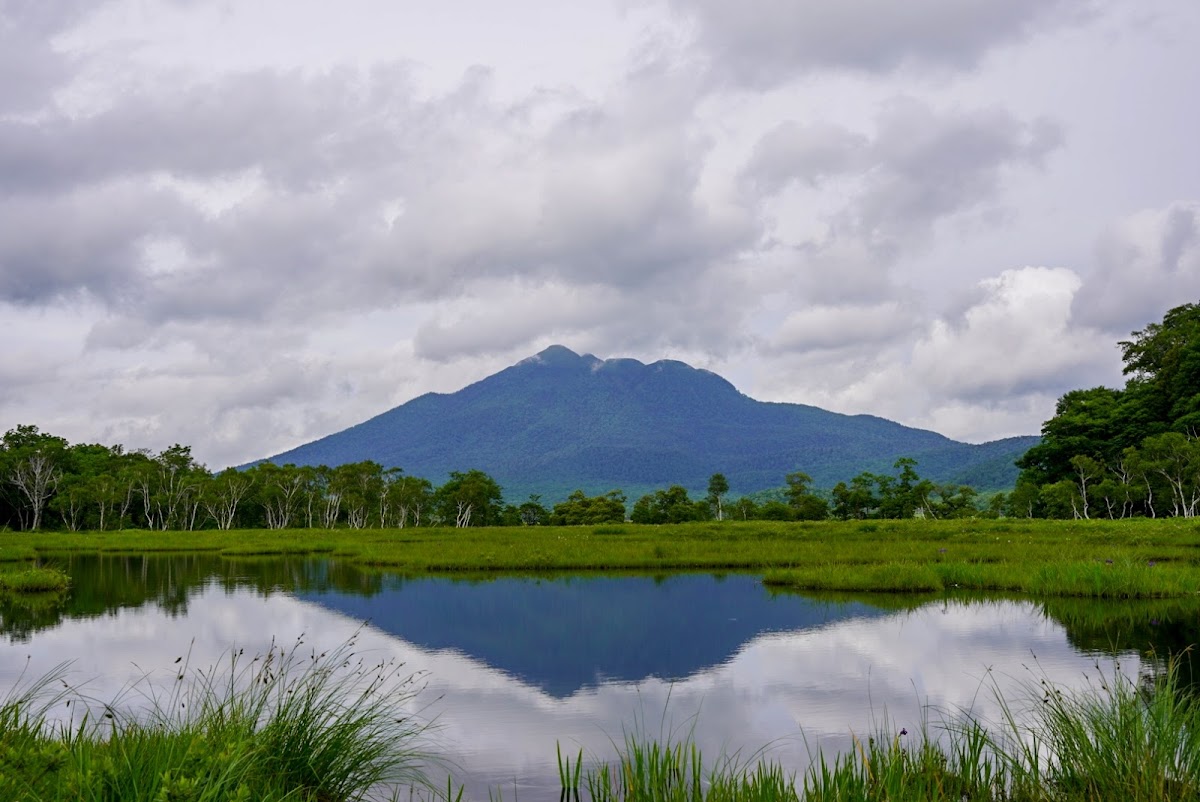
Ozegahara is Japan’s largest high moor wetland located at an altitude of approximately 1,400 meters, centered in Katashina Village, Gunma Prefecture, and spanning Hinoemata Village, Fukushima Prefecture, and Uonuma City, Niigata Prefecture. This vast wetland, stretching approximately 6 km east to west and 2 km north to south, is designated as a national park and national special natural monument as a representative natural landscape of Japan, and is also registered as a Ramsar Convention wetland.
The scenery sung in the famous song “Natsu no Omoide” (Summer Memories) remains unchanged, and the beauty of the wetland with blooming Mizubasho and Nikko Kisuge continues to fascinate visitors. This article introduces the charm of Oze and Ozegahara in its entirety.
Ozegahara | Overview of Honshu’s Largest Wetland
Geographic Characteristics and Formation Process
Ozegahara was formed approximately 10,000 years ago from a dammed lake that gradually degenerated over long years into the current wetland. Located at an altitude of 1,400 meters, this wetland covering an area of approximately 849 hectares is a typical high moor with peat layers reaching several meters in depth.
Countless streams flow through the wetland, forming a complex water system. This abundant water and cool climate have nurtured a unique ecosystem. The Oze area as a whole, including Ozegahara, spans four prefectures—Gunma, Fukushima, Tochigi, and Niigata—and encompasses a vast natural protection area of approximately 37,200 hectares.
Oze as a National Park
In 2007, Oze was separated from Nikko National Park and designated as “Oze National Park.” In addition to Ozegahara, it includes Ozeunuma, Mount Shibutsu (2,228 m), and Mount Hiderikake (2,356 m), which are also designated as special natural monuments under the Cultural Properties Protection Law.
Through this dual protection system, Oze’s precious natural environment is managed strictly. Various measures to balance nature conservation and public use are implemented, including limitations on the number of visitors, vehicle restrictions, and the maintenance of wooden trails.
Four Seasons of Ozegahara | Seasonal Highlights
Spring (Mid-May to June) | Season of Mizubasho
Oze’s season officially begins in mid-May when snowmelt starts. While Ozegahara is typically covered with snow until early May, by mid-May snowmelt water nourishes the wetland and long-awaited Mizubasho blooms all at once.
The colony of Mizubasho wrapped in white spathes creates a fantastical landscape amid the contrast of remaining snow and fresh greenery. During this period, the exact scene from the lyrics of “Summer Memories” spreads out, attracting many hikers. As June arrives, white cotton-like Watasuge covers the wetland, and its swaying in the wind soothes viewers.
Summer (July to August) | Paradise of Nikko Kisuge and Alpine Plants
From early to mid-July, Ozegahara becomes golden. Large colonies of Nikko Kisuge bloom profusely, and the entire wetland takes on the appearance of a yellow carpet. This period is Ozegahara’s peak season, attracting the most tourists.
In addition to Nikko Kisuge, diverse alpine plants including Kobaikeiiso, Tokiso, Sawaran, and Ozenumaaazami bloom, with some being endemic to Oze. Ozenumaaazami in particular is a precious plant seen only in Oze. The cool climate at 1,400 meters altitude provides an environment for comfortable hiking even in mid-summer.
Autumn (September to Early October) | Spectacular Grass Foliage
As September arrives, the herbaceous plants in the wetland begin to color, creating “kusamomiji” (grass foliage), a unique form of autumn colors. Gradations of red, yellow, and brown cover the entire wetland, creating breathtaking beauty combined with the foliage of surrounding mountains.
The mountainsides of Mount Shibutsu and Mount Hiderikake display foliage of beech and birch, creating a striking contrast with the wetland’s grass foliage. Early October marks the peak of foliage, and as morning and evening temperatures drop and frost forms, colors become even more vivid. The first snow usually falls around late October, marking the end of the season.
Winter (November to April) | Silent Snowy Plain
From early November, snow begins to accumulate and roads to Oze are closed. Winter Oze is covered in deep snow, and general hikers cannot enter. However, for advanced backcountry skiers and winter mountaineers, untouched snowfields offer an attractive environment.
Winter Oze is wrapped in complete silence, with only animal tracks remaining in the snow. This harsh environment makes the burst of life that arrives with spring snowmelt all the more dramatic.
Access Methods to Ozegahara
Major Trail Heads and Access Routes
Multiple trail heads provide access to Ozegahara, with the three most popular listed below.
Hatomatsuge Pass (Gunma Prefecture)
The most popular route, reaching Ozegahara in approximately 3.5 hours of hiking. It offers good access from the Kanto region, with travelers taking the Shonan-Shinjuku Line to Numata Station, then a local bus to Togura, followed by a shared taxi or shuttle bus to Hatomatsuge Pass. During vehicle restriction periods, cars must be parked at the Togura parking lot and shuttles used.
Daishimizu (Gunma Prefecture)
A route via Ozeunuma to Ozegahara, taking approximately 1 hour to Numayama Pass and another 4 hours through Ozeunuma to Ozegahara. This varied route via Sampei Pass suits hikers confident in their fitness.
Miike (Fukushima Prefecture)
Also a base for climbing Mount Hiderikake, this route passes through Ozeunuma to reach Ozegahara. It’s the main route from Fukushima Prefecture and convenient for access from the Aizu region.
Vehicle Restrictions and Public Transportation
To protect the environment, vehicle restrictions are enforced around Oze. Particularly during peak seasons like Golden Week and summer, restrictions are strict. Cars must be parked at parking areas (Togura, Daishimizu, Miike, etc.) before the trail heads, with shuttle buses or shared taxis providing access.
For public transportation, main starting points from the Kanto region include Numata Station on the JR Joetsu Line and Aizu-Kogen Oze-guchi Station via the Tobu Railway limited express from Asakusa. Local buses operate from each station, and numerous direct bus tour packages are available.
Hiking Courses in Ozegahara
For Beginners | Yamano-hana to Ushikubi Branch Round Trip
From Hatomatsuge Pass to Yamano-hana is a descent of about 1 hour, then about 1.5 hours of flat walking on wooden trails from Yamano-hana to Ushikubi Branch. This round trip course of about 6 hours allows beginners to fully experience Ozegahara’s atmosphere.
Yamano-hana features accommodation facilities such as Oze Lodge and Shibutsu Mountain Lodge, with a visitor center where you can learn about Oze’s nature. Well-maintained wooden trails make walking easy, and toilets and shops are complete.
For Intermediate Hikers | Ozegahara Complete Loop Course (1 Night, 2 Days)
A classic course circumnavigating the vast Ozegahara spanning 6 km east-west and 2 km north-south. Day 1: from Hatomatsuge Pass through Yamano-hana and Ushikubi Branch to Miharashi or Ryugukoayaki lodges for overnight stay. Day 2: return to Yamano-hana via the eastern side and climb back to Hatomatsuge Pass.
This course offers diverse Ozegahara landscapes: morning mist-wrapped wetland, the majestic forms of Mount Hiderikake and Mount Shibutsu, reflections in ponds (chitou), and countless photography spots.
For Advanced Hikers | Mount Shibutsu and Mount Hiderikake Climbing
Climbing two famous peaks surrounding Ozegahara, Mount Shibutsu and Mount Hiderikake, is also popular. Mount Shibutsu (2,228 m) is a serpentine rock mountain with endemic alpine plants, offering a round trip of about 6 hours from Hatomatsuge Pass. However, one-way trail regulations protect vegetation, and spring entry is prohibited.
Mount Hiderikake (2,356 m) is the highest peak in the Tohoku region, accessible from Miharashi or Miike with a 7-8 hour round trip for the athletic. The view of Ozegahara from the summit is exceptional. Both mountains are selected as Japan’s 100 Famous Mountains.
Flora and Nature of Ozegahara
Wetland Vegetation
Approximately 900 plant species grow naturally in Ozegahara, with about 20 endemic to or having Oze as their type locality. Typical high moor vegetation includes Sphagnum moss species forming peat layers, above which grow Drosera, Tofieldia, and Kalmia, among others.
Ponds within the wetland called chitou feature aquatic plants such as Nymphaea and Brasenia. The wetland’s periphery is surrounded by beech and birch forests, with transition zones displaying forest floor plants like Streptopus and Podophyllum.
Fauna and Ecosystem
Oze’s forests harbor large mammals including Asian black bears, Japanese sika deer, and Japanese serows. Recent increases in Japanese deer and resulting vegetation damage are concerning, with mitigation measures underway.
Bird species include high-altitude species such as spotted nutcrackers, Japanese finches, and Japanese robin in the forests, with Siberian stonechats and shrikes observable in the wetland. Insect diversity is rich, including rare species of dragonflies such as small red dragonflies.
These ecosystems maintain delicate balance and are highly valued academically, with ongoing investigative research continuously conducted.
Accommodation Facilities around Ozegahara
Mountain Lodge Stays
Multiple mountain lodges around Ozegahara support stays of 1 night or longer. Principal lodges include:
Yamano-hana Area
- Oze Lodge: Large mountain lodge accommodating about 200 people
- Shibutsu Mountain Lodge: Mountain lodge with home-like atmosphere
- Yamano-hana Lodge: Conveniently located near the visitor center
Miharashi Area
- Oze Lodge: Historic, the oldest mountain lodge in Oze
- Yashiro Lodge: Excellent location with views of Mount Hiderikake
- Hinoemata Lodge: Fukushima Prefecture’s base
Ryugyu Area
- Ryugyu Lodge: Positioned nearly centrally in the wetland
Mountain lodges operate on reservation-only basis, with early booking essential during peak season. Accommodation typically includes meals, with warm food and bedding provided. However, high altitude means bathing facilities are unavailable.
Nearby Hot Spring Inns
Hot spring inns dot Oze’s surroundings, convenient for day trips or pre/post-hike stays.
Gunma Prefecture
- Togura Hot Spring: Gateway to Hatomatsuge Pass
- Ojinsen Hot Spring Spring: Near Numata city center
- Katashina Hot Spring: Hot spring resort at Oze’s foot
Fukushima Prefecture
- Hinoemata Hot Spring: Hot spring with secret resort atmosphere
These hot spring inns allow visitors to soothe Oze hiking fatigue, with Hinoemata Hot Spring particularly popular for its quiet mountain village charm harmonizing with Oze’s nature.
Ozegahara Hiking Precautions and Preparation
Clothing and Equipment
At 1,400 meters altitude, temperatures are 8-10 degrees Celsius lower than lowlands. Even in summer, early morning and evening chill necessitate warm clothing. Rain gear is essential, with separated upper and lower rain wear preferable.
Hiking boots or mountaineering shoes are recommended for footwear. Wooden trails become slippery when wet, making high-grip soles important. Sun protection including hats, sunglasses, and sunscreen are necessary, with insect repellent proving useful.
Etiquette and Rules
Adhere strictly to these rules protecting Oze’s nature:
- Don’t leave wooden trails (avoid trampling vegetation)
- Take all trash with you (mountain lodges don’t accept it)
- Don’t collect plants or feed animals
- Use designated toilet areas (cooperate with chip-based donations)
- No pets allowed
- Drone use prohibited
Follow the fundamental principle of “not polluting, damaging, bringing into, or removing from Oze,” preserving beautiful nature for future generations.
Safety Measures
Constantly check weather forecasts to prepare for sudden weather changes. Waiting on wooden trails during thunderstorms is dangerous; take shelter in nearby mountain lodges or forests.
For bear safety, carry bear bells and avoid solo hiking. Early morning and dusk hours require special caution.
Cellular reception works around mountain lodges and some areas but many locations lack coverage. Submit mountaineering plans and inform family and friends of your itinerary.
History and Efforts of Oze Conservation
Origins of Nature Conservation Movement
Oze is considered the birthplace of Japan’s nature conservation movement. In the 1950s, a dam construction plan threatening to submerge Ozegahara emerged, but a protection movement led by botanist Hisayoshi Takeda resulted in the plan’s cancellation.
This movement heightened environmental awareness nationally and led to designation as a special natural monument in 1960. Conservation activities continue protecting against environmental impacts from increased visitors.
Current Conservation Activities
Centered on the Oze Conservation Foundation, activities include wooden trail maintenance, vegetation restoration, and visitor education. Mountain lodges implement environmentally conscious operations with solar power and rainwater utilization, with advanced wastewater treatment technology for toilets.
Volunteer cleanup activities and ongoing academic surveys monitor detailed environmental changes in Oze. Through these efforts, Oze’s precious nature is preserved despite over 300,000 annual visitors.
Best Seasons for Ozegahara Tourism
Recommended Times by Objective
To see Mizubasho: Late May to Early June
Pure white Mizubasho blooms in fresh air following snowmelt. The contrast of remaining snow and fresh greenery is beautiful.
To see Nikko Kisuge: Early to Mid-July
Ozegahara becomes golden in this most dramatic period, though also the busiest time.
To enjoy grass foliage: Late September to Early October
Experience autumn Oze in calm surroundings with comfortable temperatures and fewer insects.
To avoid crowds: Mid to Late June, Early to Mid-September
Even outside peak periods, Ozegahara’s charm is fully enjoyable with quiet wetland hiking possible.
Summary | Experience Ozegahara’s Charm
Ozegahara is a natural treasure representing Gunma Prefecture and Japan’s precious high moor wetland. Spanning Honshu’s largest wetland at 1,400 meters altitude, it displays different faces across the four seasons, continuously moving visitors.
Flowers like Mizubasho and Nikko Kisuge, spectacular grass foliage, majestic views of Mount Shibutsu and Mount Hiderikake, and preserved untouched nature in silent surroundings create a special space making you forget urban bustle.
Ozegahara hiking, with proper preparation and proper etiquette, is enjoyable for both beginners and advanced hikers. Well-maintained wooden trails and equipped mountain lodges ensure safe nature appreciation.
With convenient Gunma Prefecture access, Ozegahara’s valuable natural environment is accessible from the Kanto region. Please experience this wonderful wetland landscape firsthand. Ozegahara’s magnificent nature will surely create lasting memories in your heart.
Frequently Asked Questions (FAQ)
Q1: What is Ozegahara’s address?
Ozegahara spans Katashina Village, Tone District, Gunma Prefecture; Hinoemata Village, Minamiaizu District, Fukushima Prefecture; and Uonuma City, Niigata Prefecture. The main trail head, Hatomatsuge Pass, is located in Katashina Village, Gunma Prefecture.
Q2: Can I visit Ozegahara on a day trip?
Yes. The round trip hiking course from Hatomatsuge Pass through Yamano-hana to Ushikubi Branch allows day trip hiking. However, 1-2 days minimum is recommended to fully enjoy Ozegahara.
Q3: Can I camp in Ozegahara?
Camping is prohibited within Ozegahara. Use designated mountain lodges for accommodation. Tent camping is not permitted for nature conservation.
Q4: Are there shops or restaurants in Ozegahara?
Mountain lodges have simple shops selling beverages, light snacks, and souvenirs. Prices exceed lowland levels. Meals are typically reserved at mountain lodges.
Q5: Can beginners enjoy Ozegahara hiking?
Well-maintained wooden trails make it accessible to beginners with basic fitness. However, the roughly 3 km descent from Hatomatsuge Pass to Yamano-hana (climb on return) requires some fitness.
Q6: Is there an entrance fee for Ozegahara?
No entrance fee exists, though voluntary environmental conservation donations (approximately 500 yen per person) are requested. Mountain lodge toilet use requires cooperation fees (100-200 yen).
Q7: What animals can I see in Ozegahara?
Mammals including Asian black bears, Japanese sika deer, and Japanese serows; birds such as spotted nutcrackers and Japanese robins inhabit the area. Fortunate encounters are possible, with bear caution necessary.
Q8: Can I hike Ozegahara on rainy days?
Possible, though wooden trails become slippery and scenery is obscured. Clear weather is recommended. Thunderstorms are dangerous; wait at mountain lodges.
-800x450.jpg)
-800x450.jpg)
-800x450.jpg)