
Tanigawa Mountain Gunma Prefecture Complete Guide | Climbing Routes, Access, and Highlights Explained Thoroughly
Table of Contents
- Overview and Attractions of Tanigawa Mountain
- Geological and Topographical Features of Tanigawa Mountain
- Climbing Routes and Course Information
- View Points of Tanigawa Mountain
- Accident Prevention and Safety Measures
- Access Methods and Nearby Facilities
- Seasonal Attractions
- Neighboring Mountains and Traverse Routes
- Works Featuring Tanigawa Mountain
Overview and Attractions of Tanigawa Mountain
Tanigawa Mountain is a famous peak located on the border between Minakami Town, Tone District, Gunma Prefecture and Yuzawa Town, Minamiuonuma District, Niigata Prefecture, with an elevation of 1,977m. It is counted as one of Japan’s One Hundred Famous Mountains and is known as a popular mountain that attracts many climbers every year.
Characteristics of a Twin-Peaked Mountain
The most notable feature of Tanigawa Mountain is that it has two peaks: “Toma no Mimi” (elevation 1,963m) and “Oki no Mimi” (elevation 1,977m), making it a twin-peaked mountain. Toma no Mimi means “the Tone-side ear” and Oki no Mimi means “the offshore (Niigata-side) ear,” with approximately 30 minutes’ distance between the two peaks. While Oki no Mimi is the highest peak, Toma no Mimi also offers excellent views, and many climbers summit both peaks.
Main Peak of the Kunikuni Mountain Range
Tanigawa Mountain is the central feature of the Kunikuni Mountain Range (Tanigawa Mountain Range), with 2,000m-class mountains such as Mantaro Mountain, Senokura Mountain, and Shigekura Mountain forming a chain around it. In 2017, these mountains were registered as part of the Minakami UNESCO Ecopark, promoting conservation of the natural environment and sustainable use.
Treasure Trove of Alpine Plants
Due to its location in a heavy snowfall area, Tanigawa Mountain has a forest line at approximately 1,500m elevation, making it a rare environment where alpine plants can be observed at relatively low elevations. From early summer through summer, diverse alpine plants such as Japanese bistorta, Tateyama gentian, and Japanese cinquefoil bloom splendidly, making it an attractive mountain for plant enthusiasts as well.
Mecca of Rock Climbing
Tanigawa Mountain is internationally known not only as a mountain for hiking but also as a mecca for rock climbing. In particular, rock faces such as Ichinohorisawa, Yushinosawa, and Machigasawa are objects of climbers’ dreams, and numerous difficult routes have been developed.
Geological and Topographical Features of Tanigawa Mountain
Steep Rock Faces
The most striking topographical feature of Tanigawa Mountain is the group of steep rock faces exemplified by Ichinohorisawa. These rock faces reach heights of 500 to 800 meters, with a scale comparable to the Japanese Alps. Most of the rock faces are composed of granitic rock and are characterized by corrie (cirque) topography formed by glacial erosion during the ice age.
Geological Composition
The rocks composing Tanigawa Mountain are primarily Cretaceous granodiorite from the Mesozoic Era. This rock is hard and resistant to weathering, which contributes to maintaining its steep topography. On the other hand, well-developed joints (rock fractures) increase the danger of rockfall, requiring constant attention from climbers.
Topography Created by Heavy Snowfall
Tanigawa Mountain is located in one of Japan’s most heavily snowed regions, with annual snowfall sometimes exceeding 10 meters. This abundant snow becomes snowmelt water from spring to early summer, creating abundant streams. Additionally, topographical changes from avalanches are pronounced, with avalanche traces observed nearly every year.
Low Forest Line
At Tanigawa Mountain, the forest line begins at approximately 1,500m elevation, with dwarf pine zones and alpine grassland spreading out. This is due to harsh meteorological conditions of heavy snow and strong winds, making the forest line positioning markedly lower compared to other mountainous areas in mainland Japan. This characteristic allows one to enjoy high alpine landscape scenery in relatively short time.
Climbing Routes and Course Information
Tanigawa Mountain has diverse climbing routes enjoyable by climbers ranging from beginners to advanced. Here, main routes are introduced in detail.
Tenjin Ridge Route (Beginner Level)
Required Time: Round trip approximately 4-5 hours (using ropeway)
Difficulty: Beginner
Elevation Gain: Approximately 470m (from Tenjin Plateau)
The Tenjin Ridge Route is the most common course on Tanigawa Mountain and is easy to climb even for beginners. One ascends rapidly to Tenjin Plateau at 1,319m elevation using the Tanigawa Mountain ropeway, then heads to the summit via the Tenjin Ridge.
Course Features:
- From the Tenjin Plateau Station, one can ascend further to Tenjin Pass at 1,502m elevation via lift (optional)
- The ridge path is relatively gentle and reassuring for beginners
- Beyond the forest line, magnificent views open up
- Rest possible at Kata no Lodge (note operating period)
Cautions:
While the Tenjin Ridge is considered beginner-friendly, elevations above 1,500m become alpine terrain, requiring attention to sudden weather changes and strong winds. Early morning departures are recommended, particularly since weather tends to deteriorate in the afternoon.
Nishi-Kuro Ridge Route (Intermediate to Advanced)
Required Time: Round trip approximately 8-10 hours
Difficulty: Intermediate to Advanced
Elevation Gain: Approximately 1,240m
The Nishi-Kuro Ridge Route, also called the “Stairway to Heaven,” is a steep route requiring physical stamina and experience. Starting from the Dogo-guchi trailhead (approximately 750m elevation), one continues steep climbing to reach the summit.
Course Features:
- Large elevation gain requiring significant physical strength
- Successive distinctive rock formations such as Camel’s Back and Zange Rock
- Outstanding views that change as you climb
- Many chains and ladders requiring technical skills
Cautions:
The Nishi-Kuro Ridge is the most difficult among Tanigawa Mountain’s general climbing routes, with accidents occurring annually. Dangerous weather makes it particularly hazardous, with high slipping and falling risks. Adequate equipment, experience, and physical fitness are essential.
Gankotsu New Route
Required Time: Round trip approximately 6-7 hours
Difficulty: Intermediate
Departing from Dogo-guchi, this route ascends at slightly gentler grades than the Nishi-Kuro Ridge. After passing through forest, the ridge is reached, from which the summit is pursued. While not as steep as the Nishi-Kuro Ridge, it is still an intermediate-level course.
Ichinohorisawa Confluence Hiking (Beginner)
Required Time: Round trip approximately 2 hours
Difficulty: Beginner (not aiming for summit)
This hiking course offers close views of Ichinohorisawa, a famous attraction of Tanigawa Mountain. From Dogo Station, one walks along a forest road to the Ichinohorisawa confluence. Since the summit is not pursued, beginners and families can enjoy it. The early morning Ichinohorisawa is particularly beautiful, with the sun-lit rock face being impressive.
Other Routes
- East Ridge Route: A variation route for advanced climbers
- Machigasawa and Yushinosawa Areas: Climbing routes requiring specialized techniques
- Traverse Routes: Traverses to Shigekura Mountain and Mantaro Mountain are also possible
View Points of Tanigawa Mountain
Ichinohorisawa
The landscape that best represents Tanigawa Mountain is Ichinohorisawa. A rock face approximately 800m high rises like a screen, with overwhelming impact. The view from Ichinohorisawa Confluence has become an exquisite spot enjoyable even by those not mountaineering.
Highlights:
- Famous climbing routes such as Standing Rock and Takisawa Slab
- Scenery that changes with the seasons: fresh greenery, autumn leaves, and snowy landscape
- Morgenstern (sunrise alpenglow on the rock faces) in early morning
Views from Toma no Mimi
From Toma no Mimi summit, a 360-degree panorama opens up.
Main Viewpoints:
- North: Makihata Mountain and Echigo Three Mountains direction
- East: Takebusshi Mountain and Nikko Mountains
- South: Joshu Mountains and, on clear days, distant Mount Fuji
- West: Oki no Mimi, Mantaro Mountain, and Senokura Mountain
Views from Oki no Mimi
From the highest peak of Oki no Mimi, views of Niigata Prefecture open up further. The Echigo Plain and even the Japan Sea can be seen on clear days, with particularly spectacular views expected in clear autumn weather.
Views from Tenjin Plateau
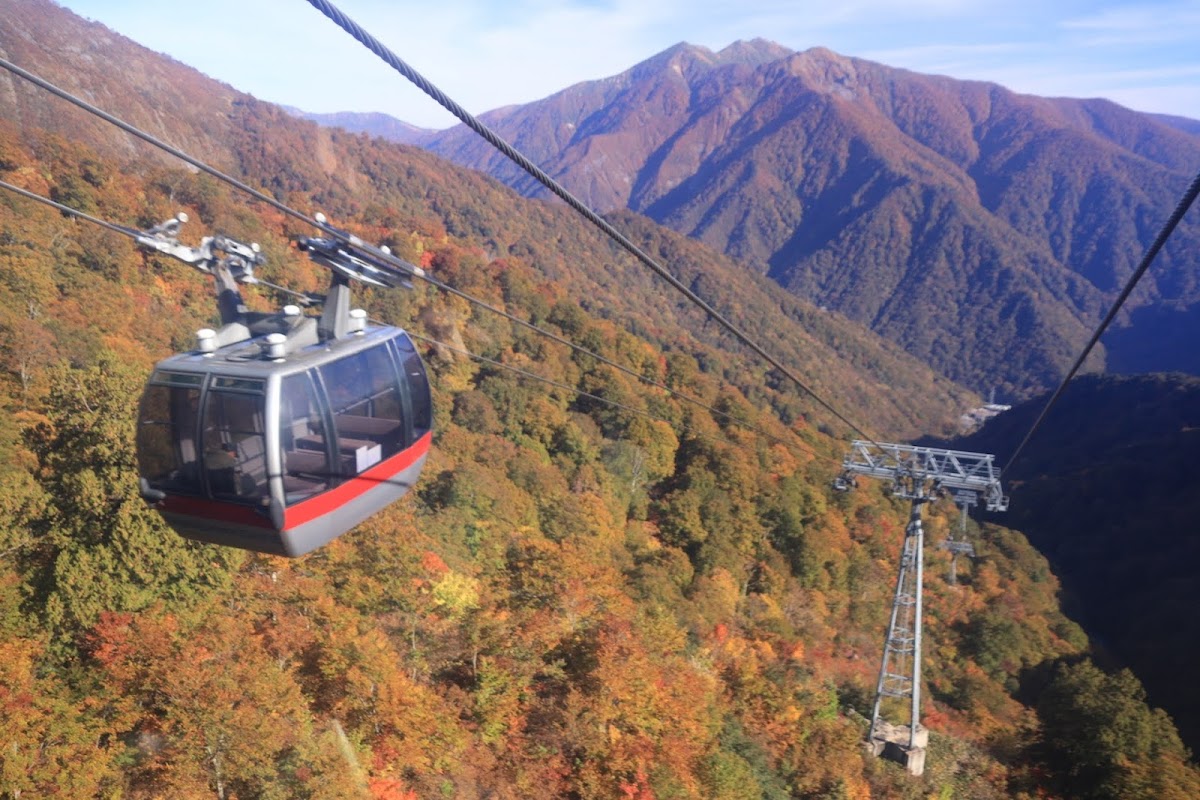
Magnificent scenery is also enjoyed from Tenjin Plateau accessible by ropeway. With Tanigawa Mountain’s appearance directly visible, it serves as a ski resort in winter and a hiking area in summer, attracting many tourists.
Kata no Lodge Vicinity
The area around Kata no Lodge, directly below the summit, is a point where one feels Tanigawa Mountain’s core up close. Surrounded by rocky peaks, the atmosphere presents truly alpine landscape characteristics.
Accident Prevention and Safety Measures
Accident History of Tanigawa Mountain
Tanigawa Mountain is also called the “Demon Mountain,” and the number of accidental deaths from when statistics began until the early 2000s exceeded 800, earning a Guinness World Record listing. This figure surpasses deaths on the world’s 8,000m peaks, illustrating Tanigawa Mountain’s danger.
Primary Causes of Accidents:
- Slips and falls on steep rock faces
- Accidents due to sudden weather changes
- Getting lost
- Avalanches (winter and snow-remaining periods)
- Rockfall
Gunma Prefecture Tanigawa Mountain Accident Prevention Ordinance
In response to the frequent occurrence of accidents on Tanigawa Mountain, the “Gunma Prefecture Tanigawa Mountain Accident Prevention Ordinance” was enacted in 1967 (Showa 42). This was noted as Japan’s first ordinance related to mountaineering.
Main Content of the Ordinance:
- Climbing permits or climbing plans required for mountaineering in dangerous areas
- Target period from March 1 to November 30
- Dangerous areas include rock face zones such as Ichinohorisawa, Yushinosawa, and Machigasawa
- Penalties provided for violations
Note: General climbing routes such as Tenjin Ridge and Nishi-Kuro Ridge are not included in dangerous areas, but submission of climbing notices is recommended.
Tanigawa Mountain Climbing Guidance Center
In conjunction with the enactment of the Gunma Prefecture Tanigawa Mountain Accident Prevention Ordinance, the Tanigawa Mountain Climbing Guidance Center was established. The center provides climbing consultations, accepts climbing notices, and provides meteorological information.
Location: Yugihiso, Minakami Town, Tone District, Gunma Prefecture
Main Operations:
- Receipt of climbing notices (mountaineering in dangerous areas)
- Climbing consultations
- Meteorological information provision
- Rescue operations base during accidents
Important: Climbing notices for dangerous areas are accepted by mail only. Fax and email are not accepted. Submission is required up to 10 days before climbing.
Precautions While Climbing
Equipment:
- Climbing boots, rain gear, and cold-weather clothing are essential
- Helmet (in areas with rock formations or rockfall danger)
- Headlamp, map, compass
- Emergency food and water
- Cellular phone (often works near the summit)
Planning:
- Aim for early morning departures (afternoon weather more likely to deteriorate)
- Plan reasonable itineraries
- Check weather forecasts without fail
- Consider escape routes
During Travel:
- Be cautious of rockfall (avoid causing it, be alert to falling rocks from above)
- Grasp chains securely
- Avoid overexertion when fatigued
- Have the courage to turn back
Severity of Meteorological Conditions
Although Tanigawa Mountain is less than 2,000m in elevation, its meteorological conditions are extremely severe.
Characteristics:
- Sudden weather changes are common
- Strong winds blow easily (particularly on the ridge)
- Fog forms easily, frequently causing poor visibility
- Low temperatures (often below 10°C even on summer mountain peaks)
- Lightning strikes easily in summer afternoons
Since the forest line is low, once above the trees there is nothing to block wind and rain, and perceived temperature drops further. Ensure cold-weather preparations are thorough.
Access Methods and Nearby Facilities
Access by Public Transportation
From Tokyo Area:
- Joetsu Shinkansen to “Kamikawa-Takasaki Station” or “Echigo-Yuzawa Station”
- From Kamikawa-Takasaki Station, bus approximately 50 minutes to Dogo Station or Tanigawa Mountain Ropeway Station
- By conventional rail, Joetsu Line to “Dogo Station” or “Minakami Station”
About Dogo Station:
Dogo Station is known as “Japan’s Number One Mole Station,” with the downline platform positioned 70m underground, requiring ascent of 462 stairs. This unique structure itself has become a tourist attraction.
Access by Car
Using Kanetsu Expressway:
- Approximately 20 minutes from Minakami IC to Tanigawa Mountain Ropeway parking lot
- Approximately 15 minutes from Minakami IC to Dogo-guchi trailhead
Parking Lots:
- Tanigawa Mountain Ropeway Parking: Approximately 1,000 spaces (paid)
- Dogo-guchi Parking: Approximately 50 spaces (free)
National Route 291:
National Route 291 (Shimizu Tunnel) running through Tanigawa Mountain is an important transportation route connecting Gunma and Niigata Prefectures. However, note that certain sections close during winter.
Tanigawa Mountain Ropeway
Operating Information:
- Section: Dogo-guchi Station to Tenjin Plateau Station
- Travel Time: Approximately 10 minutes
- Elevation Gain: Approximately 500m
- Operating Hours: Varies by season (typically 8:00-17:00)
- Fare: Approximately 2,200 yen round trip for adults (as of 2024, subject to change)
Tenjin Plateau Lift:
A lift from Tenjin Plateau Station further ascends to Tenjin Pass. Using this lift further reduces the elevation gain for mountaineering.
Mountain Lodge Information
Kata no Lodge:
- Location: Directly below Toma no Mimi
- Operating Period: Early July to mid-October (varies yearly)
- Capacity: Approximately 150 people
- Lodging and camping area available
- Functions as unmanned emergency shelter in winter
Note: May be closed during off-season or poor weather. Confirm in advance.
Nearby Hot Springs
Minakami Town is blessed with hot springs, ideal for relieving fatigue after mountaineering.
Major Hot Spring Areas:
- Minakami Hot Spring: Hot spring resort sourced from Tanigawa Mountain’s snowmelt
- Tanigawa Hot Spring: Quiet hot spring nestled in mountains
- Yugihiso Hot Spring: Hot spring near Dogo Station
- Takarakawa Hot Spring: Famous for its massive open-air bath
Nearby Tourist Facilities
Tanigawa Mountain Base Plaza:
A facility adjacent to the ropeway boarding station with restaurant, shops, and mountaineering equipment rental.
Michi no Eki Minakami Town Suiki-Kokan:
A facility to learn about the source stream of the Tone River. Features a freshwater fish aquarium.
Takumi no Sato:
A tourist area for traditional craft experiences. Various experience menus available including soba-making and washi (Japanese paper) making.
Seasonal Attractions
Spring (April-May)
Remaining Snow Season Mountaineering:
Spring Tanigawa Mountain has abundant remaining snow, marking the snow mountaineering season. However, avalanche risk is high, requiring substantial snow mountaineering experience and equipment.
Snowmelt Stream Courses:
Snowmelt water flows abundantly, with stream water volume at its maximum. The contrast between water sounds and fresh greenery creates a beautiful season.
Summer (June-August)
Alpine Plant Blooming:
From late June to July, alpine plants bloom in succession. Flowers of every color including Japanese bistorta, Japanese cinquefoil, and cotton grass colorfully decorate the climbing path.
Mountaineering Season Peak:
July through August see the most climbers. The Tenjin Ridge route experiences particular congestion, with lines forming on weekends.
Summer Mountain Cautions:
Lightning strikes are common in afternoons, making early morning departures and early descents the rule. Strong sunlight requires sun protection measures.
Autumn (September-November)
Famous Autumn Foliage Site:
From late September to mid-October, Tanigawa Mountain becomes a famous autumn foliage site.
Autumn Foliage Peak Season:
- Mountain Summit: Late September to early October
- Mid-slope: Early to mid-October
- Base and Tenjin Plateau: Mid to late October
Rowan trees, Erman’s birch, and beech change color, creating wonderful contrast with rock faces.
Autumn Mountain Attractions:
- Clear air providing excellent views
- Fewer insects
- Comfortable temperatures
- Relatively stable weather
Winter (December-March)
Winter Mountaineering:
Winter Tanigawa becomes completely snow-covered, a field for advanced climbers. During the depths of winter, temperatures can drop below minus 20 degrees Celsius, making comprehensive winter mountaineering equipment and experience absolutely essential.
Ski Resort:
Tenjin Plateau Ski Resort operates December through May, offering quality powder snow. The ropeway rapidly ascends to 1,300m elevation, making it enjoyable for beginners through advanced skiers.
Winter Scenic Beauty:
- Rime ice (powdered snow ice formations)
- Ice walls of Ichinohorisawa
- Contrast of blue sky and white mountains
Note: Winter avalanche risk is extremely high, with deaths occurring annually. Never attempt entry without substantial knowledge, experience, and equipment.
Neighboring Mountains and Traverse Routes
Tanigawa Mountain is part of the Tanigawa Mountain Range, with fascinating mountains forming a chain around it.
Shigekura Mountain (1,977m)
Located to the northeast of Tanigawa Mountain, Shigekura Mountain has the same 1,977m elevation as Tanigawa Mountain. A traverse route continues from Oki no Mimi, accessible in approximately 2 hours and 30 minutes. Shigekura Mountain Emergency Shelter serves as a traverse base.
Mantaro Mountain (1,954m)
Positioned approximately 3 hours west of Oki no Mimi. Passing through rocky ridges requires technical skill, but views are splendid, allowing one to view the Tanigawa Mountain Range from angles different from Tanigawa Mountain itself.
Senokura Mountain (2,026m)
The highest peak of the Tanigawa Mountain Range at 2,026m elevation. Traverse from Hyoshiohyaku Mountain is most common, offering enjoyable gentle ridge walking. Traverse from Tanigawa Mountain is possible but requires 1-2 or more day itineraries.
Asahi Mountain and Kasagataké Direction
Continuing east from Shigekura Mountain, traverse routes continue toward Asahi Mountain and Kasagataké. These mountains are not as well-known as Tanigawa Mountain but offer quiet mountain walking.
Appeal of Traverses
Tanigawa Mountain Range traverses appeal through varied topography and magnificent views. Passing through rocky ridges, forest zones, and wetlands while experiencing diverse environments, alpine plants are abundant. However, escape routes are limited, making thorough planning and preparation necessary.
Works Featuring Tanigawa Mountain
Due to its harshness and beauty, Tanigawa Mountain has been the setting for numerous literary and film works.
Literary Works
Shiro Nitta “Solitary Person”:
A novel modeled on real-life climber Buntaro Kato, featuring solo climbing scenes on Tanigawa Mountain. A famous work conveying Tanigawa Mountain’s severity and charm.
Shiro Nitta “Glorious Rock Faces”:
A climbing novel set on the Standing Rock of Ichinohorisawa on Tanigawa Mountain. Depicting climbers’ passion and conflict.
Yasushi Inoue “Ice Wall”:
A novel based on an accident on Tanigawa Mountain. Addressing nylon rope strength issues, it stirred significant social response.
Video Works
Tanigawa Mountain’s grand scenery has served as a filming location for numerous documentary programs and films. The Ichinohorisawa rock face in particular frequently appears in video works due to its impact.
Photo Collections
Numerous mountain photographers have shot Tanigawa Mountain, with multiple photo books published. Tanigawa Mountain is introduced from various angles including seasonal aspects, climbing scenes, and rescue operation records.
Points for Enjoying Tanigawa Mountain
First-Time Tanigawa Mountain Climb
For first-time visitors to Tanigawa Mountain, the Tenjin Ridge Route is recommended. Using the ropeway allows reaching the summit in relatively short time while sufficiently experiencing high alpine atmosphere. However, even though considered beginner-friendly, remember this is a 1,500m+ high alpine peak requiring thorough equipment and preparation.
For Those with Confidence in Stamina
Those with physical strength and experience should try the Nishi-Kuro Ridge Route. Although a difficult course with continuous steep climbing, the sense of achievement is exceptional. However, rock-climbing action techniques are necessary, making it extremely dangerous in poor weather.
Ways to Enjoy Without Summit Aims
Those lacking mountaineering confidence or limited on time can enjoy Ichinohorisawa confluence hiking or Tenjin Plateau walks. Tanigawa Mountain’s charm can be fully experienced without summit pursuit.
Rock Climbing
Rock climbing on Tanigawa Mountain is an advanced-level activity. Numerous routes exist on rock faces such as Ichinohorisawa, Yushinosawa, and Machigasawa, attracting climbers worldwide. However, entry into dangerous areas requires mandatory climbing notice submission.
Photography
Tanigawa Mountain is an excellent field for photography.
Recommended Photography Points:
- Ichinohorisawa Confluence (early morning alpenglow)
- Toma no Mimi Summit (360-degree panorama)
- Tenjin Plateau (Tanigawa Mountain’s appearance)
- Kata no Lodge Vicinity (rocky peak groups)
Photography Periods:
- Fresh Greenery: Late May-June
- Alpine Plants: Late June-July
- Autumn Foliage: Late September to mid-October
- Winter Scenery: December-March
Conclusion
Tanigawa Mountain is a representative famous peak of Gunma Prefecture, offering the experience of authentic high alpine atmosphere despite its 1,977m elevation. As one of Japan’s One Hundred Famous Mountains, it attracts numerous climbers annually, captivated by its grand scenery and rich natural environment.
Using the Tenjin Ridge Route allows even beginners to pursue the summit, while challenging routes such as the Nishi-Kuro Ridge and rock face climbing offer abundant opportunities for advanced climbers. Rock face groups including Ichinohorisawa are internationally recognized as Japan’s representative climbing areas.
However, Tanigawa Mountain, called the “Demon Mountain,” has a history of numerous accidents. That the Gunma Prefecture Tanigawa Mountain Accident Prevention Ordinance was enacted and a climbing guidance center established speaks to this mountain’s danger. Climbing requires thorough preparation, equipment, and careful judgment.
Tanigawa Mountain displays different faces with each season. Summer when alpine plants bloom magnificently, autumn colored with foliage, snow mountaineering in the depths of winter, and spring with snowmelt streams—each season possesses unique charm.
Located on the Gunma-Niigata border, Tanigawa Mountain appeals with its convenient proximity to Tokyo, just approximately 2 hours away. Various enjoyment possibilities range from weekend day-hikes to traverses including surrounding mountains.
Combined with Minakami Town’s abundant hot springs and tourist facilities, a fulfilling trip enjoying both mountaineering and sightseeing is possible. The rich natural environment nurtured by Tanigawa Mountain’s snowmelt was registered as part of the Minakami UNESCO Ecopark in 2017, advancing conservation and sustainable use.
When visiting Tanigawa Mountain, respect this mountain’s history and nature while climbing safely with full caution, enjoying its grand scenery and rich natural environment. With appropriate preparation and planning, Tanigawa Mountain will provide unforgettable mountaineering experiences.
-800x450.jpg)
-800x450.jpg)
-800x450.jpg)