Lake Akan Shore, Hokkaido Complete Guide | Spectacular Scenery in All Four Seasons, Hot Springs, Marimo, and Ainu Culture Thoroughly Explained
Located in Kushiro City in eastern Hokkaido, the shore of Lake Akan is one of Japan’s leading tourist areas where magnificent natural landscapes and unique culture harmoniously coexist. A mysterious lake where marimo, a special natural monument, inhabits; the Lake Akan hot springs boasting abundant hot water; and the Lake Akan Ainu Kotan where the traditions of the Ainu people continue to thrive. This article provides a thorough explanation of the charm of Lake Akan’s shore, covering how to enjoy it in all four seasons, access methods, and recommended spots.
About Lake Akan | A Mystical Volcanic Lake in Eastern Hokkaido
Lake Akan is a caldera lake located at the center of the Akan Mashu National Park with a circumference of approximately 26km and a maximum depth of 44.8m. Formed by the eruption of Mt. Akan-Dake approximately 6,000 years ago, it has a geological history where the formerly unified ancient Lake Akan divided into three separate lakes: the current Lake Akan, Lake Panketo, and Lake Penketo.
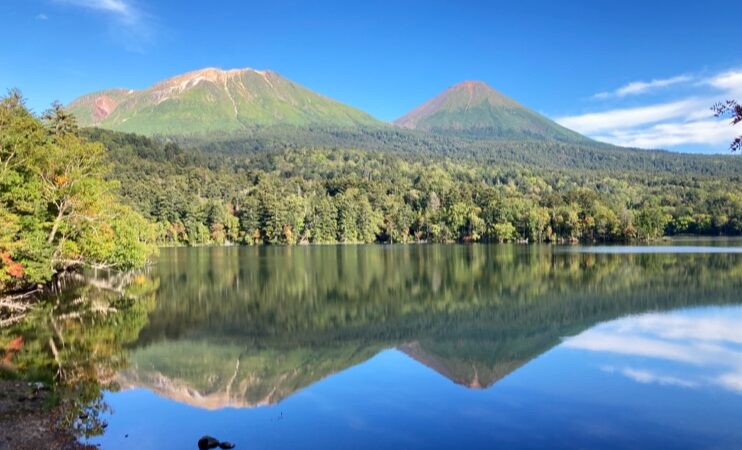
The Lake Akan hot spring town spreading along the southern shore of the lake is Hokkaido’s leading hot spring resort visited by approximately one million people annually. Its location surrounded by Mt. Meakan-Dake (elevation 1,499m) and Mt. Akan-Dake (elevation 1,371m) creates a fantastic landscape with the reflection of the surrounding mountains on the lake’s surface.
Geographic Features of Lake Akan
- Location: Akan-cho Akan Lake Onsen, Kushiro City, Hokkaido
- Elevation: 420m
- Circumference: Approximately 26km
- Maximum Depth: 44.8m
- Transparency: Approximately 8-10m (varies by season)
- Average Annual Temperature: Approximately 4°C (cold climate)
The area surrounding Lake Akan forms part of the “world’s premier pristine region” encompassed by four national parks—Akan Mashu National Park, Kushiro Wetlands National Park, Shiretoko National Park, Daisetsuzan National Park—and the Shiretoko World Natural Heritage site. This location provides visitors to Lake Akan’s shore with encounters with magnificent nature unavailable elsewhere.
The Special Natural Monument “Marimo” of Lake Akan | Mystery Revealed
What has made Lake Akan famous worldwide is the “Marimo of Lake Akan,” designated as a special natural monument of Japan. Marimo is a type of freshwater green alga, and the marimo inhabiting Lake Akan is known for forming beautiful spherical bodies.
Ecology and Characteristics of Marimo
Marimo (ball-shaped algae) is a rare organism formed when thread-like algae become intertwined into a spherical shape. What makes Lake Akan’s marimo special is that large spherical marimo reaching 20-30cm in diameter form colonies—the only place in the world where colonies of this scale exist.
The growth rate of marimo is extremely slow; it takes approximately five years to reach 1cm in diameter, and larger specimens are thought to take 150 years or more to grow. These perfectly spherical forms develop only in specific locations with particular conditions (water flow, light intensity, water quality).
Facilities Where Marimo Can Be Observed
The actual marimo colony sites on the lake floor are off-limits for protection, but natural marimo can be observed at the following facilities.
Chuurui Island Marimo Exhibition and Observation Center
Located on Chuurui Island, approximately 15 minutes by sightseeing boat, this facility features a large aquarium recreating the lake floor of Lake Akan where you can observe the ecology of natural marimo up close. The sight of marimo thriving at a depth of approximately 2m is spectacular.
Lake Akan Shore Eco-Museum Center
Located in the hot spring town, this facility offers learning opportunities about marimo ecology and the natural environment of Lake Akan. The marimo specimens on display and video materials are ideal for deepening understanding of marimo.
Lake Akan Hot Springs | Indulging in One of Hokkaido’s Finest Hot Waters
Spreading along the southern shore of Lake Akan, the Lake Akan hot spring resort opened in 1858 (Ansei 5) and is a hot spring destination with a long history. It boasts abundant hot water supply with multiple spring types including simple hot spring and sulfur spring.
Characteristics and Benefits of the Hot Springs
The main spring types of Lake Akan hot springs are as follows:
- Simple Hot Spring: Low irritation, gentle on skin
- Sulfur Spring: High beauty enhancement effects
- Bicarbonate Hot Spring: Excellent moisturizing effects
Benefits include effectiveness for neuralgia, muscle pain, joint pain, fatigue recovery, cold sensitivity, and skin conditions. Many accommodations feature open-air baths where you can enjoy views of the lake, and bathing while appreciating the majestic scenery of Mt. Akan-Dake and Mt. Meakan-Dake is unparalleled.
Atmosphere of the Hot Spring Town
The hot spring town is lined with approximately 30 accommodations, offering diverse options from large resort hotels to small inns. At night, the center of the hot spring town is fantastically illuminated, and strolling through it is also enjoyable.
Multiple foot bath spots are available, allowing day-trippers to easily enjoy the hot springs. In particular, “Ashiyu” is free to use and is a popular spot where you can relax while viewing the lakeside scenery.
Lake Akan Ainu Kotan | Touching Living Culture
Lake Akan’s shore is where the Ainu people, the indigenous inhabitants of Hokkaido, established and settled in villages (kotan). The Lake Akan Ainu Kotan, where approximately 120 Ainu people currently live, is Hokkaido’s largest Ainu settlement, engaging in the preservation and transmission of traditional culture.
Ainu Cultural Experiences
Ainu Classical Dance
Designated as a Japanese Important Intangible Folk Cultural Property and registered as a UNESCO Intangible Cultural Heritage, Ainu classical dance can be appreciated at the Lake Akan Ainu Theater “Ikoro.” The powerful dance and song embody the spirituality of the Ainu people.
Ainu Crafts
Approximately 30 craft shops line the kotan, selling traditional crafts including wooden bear carvings, clothing featuring Ainu patterns, and accessories. Some shops allow observation of artisans actually creating works, which demonstrates remarkable technical skill.
Ainu Cuisine
Dining establishments serving traditional Ainu cuisine offer dishes such as venison, yuk (dried venison), and ohau (soup), making the most of nature’s bounty. Ainu cuisine presented with modern arrangements is also gaining attention as gourmet fare.
Iomante Fire Festival
The “Iomante Fire Festival” held every evening is a cultural event representative of Lake Akan. This show fuses Ainu classical dance, flame effects, and contemporary elements, providing viewers with profound emotional impact.
Lake Akan’s Four Seasons | How to Enjoy Each Season
Lake Akan presents different appearances throughout the four seasons, each with unique charm.
Spring (April-June) | The Interplay of Fresh Greenery and Lingering Snow
Beginning in late April through May, the ice on the lake begins to thaw. Snow still lingers on Mt. Meakan-Dake and Mt. Akan-Dake, creating beautiful contrast with the fresh greenery.
Spring Recommendations
- Trekking after snow melts
- Bird watching (many migratory birds arrive)
- Wild vegetable picking experiences
From late May through June, Ezo mountain cherry blossoms and Ezo purple rhododendrons bloom, adorning the lakeside with flowers. Temperatures around 10-15°C make it a comfortable season for sightseeing.
Summer (July-August) | Season for Lake Activities
Summer is the busiest season at Lake Akan. Maximum temperatures hover around 20°C, making it popular as a summer retreat.
Summer Activities
Sightseeing Boat Cruises
The sightseeing boat circumnavigating Lake Akan stops at Chuurui Island on approximately 85-minute courses. The sight of Mt. Meakan-Dake viewed from the lake is majestic, and the tour includes a visit to the Marimo Exhibition and Observation Center.
Canoeing and Kayaking
The early morning lake surface is mirror-calm, and the scenery viewed from canoes or kayaks is exceptional. Numerous guided tours are offered, allowing even beginners to enjoy safely.
Fishing
Lake Akan is also known as a spot for catching rainbow trout, landlocked salmon, and char. A fishing permit is required, but a fishing experience in pristine nature becomes an unforgettable memory.
Trekking
Trekking courses suitable for various levels are developed, including Mt. Meakan-Dake climbing (round trip approximately 6 hours) and lakeside walking paths.
Autumn (September-October) | Spectacular Autumn Foliage
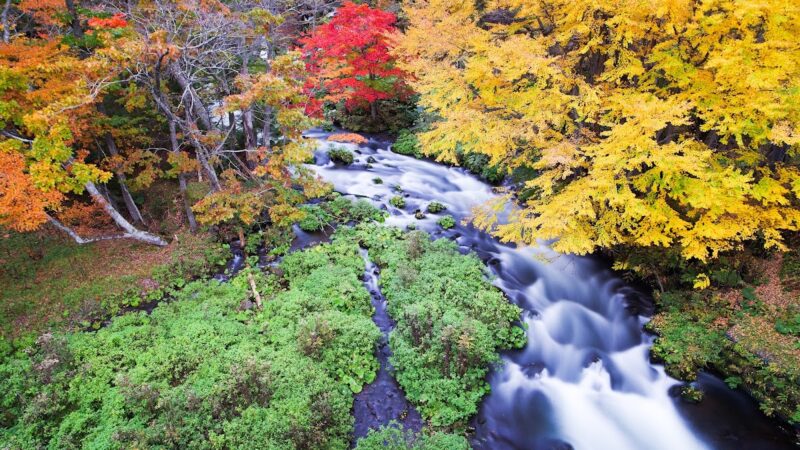
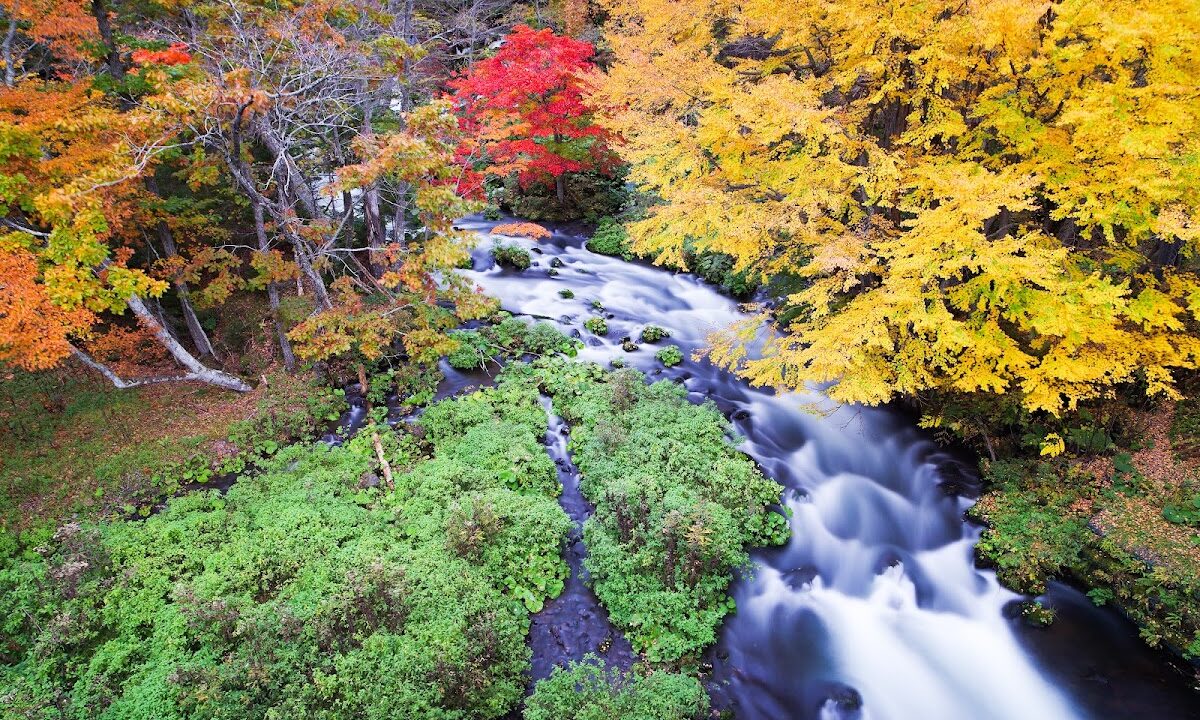
From late September through early October, Lake Akan’s shore transforms into a famous autumn foliage destination. Nanten trees, maples, and white birch turn red and yellow, and the foliage reflected in the lake is called “brocade autumn” for its beauty.
Foliage Highlights
- The area around Taki-mi Bridge (Bokke Walking Trail)
- Lakeside observation platform
- Views from sightseeing boats
Temperatures range from 5-15°C, requiring warm clothing. The foliage season is crowded, so advance accommodation reservations are recommended.
Winter (November-March) | The World of Ice and Fantastical Experiences
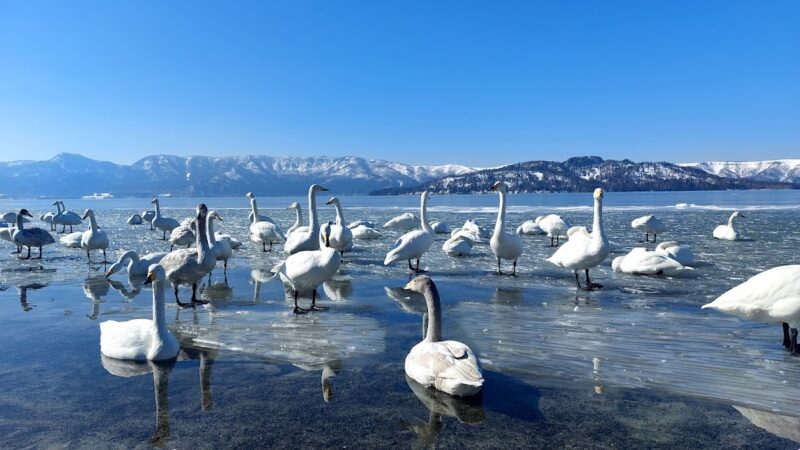
Winter at Lake Akan often drops below minus 15°C, with the lake completely frozen. The spectacular winter scenery and experiences created by this harsh cold captivate many visitors.
Winter Highlights and Activities
Frost Flowers
In the depths of winter on early mornings, ice crystals bloom like flowers on the lake surface as “frost flowers.” This natural phenomenon appears only under the specific conditions of below minus 15°C and calm winds, and its fantastical beauty is truly worth seeing.
Ice Walking and Smelt Fishing
Experiences walking on the completely frozen lake and fishing for smelt by making holes in the ice are unique to winter. Guided tours with specialists ensure safety.
Lake Akan Ice Festival ICE·Love·Lake Akan “Winter Brilliance”
Held from February through March, this ice-based festival features fireworks displays, ice activities, ice bars, and diverse programming.
Snowshoe and Skiing
Tours exploring surrounding forests with snowshoes and skiing and snowboarding at the Lake Akan Lakeside Ski Area are popular.
Tourist Spots Around Lake Akan’s Shore
Based at Lake Akan, visitors can explore nearby fascinating spots.
Onneto | The Mystical Lake of Five Colors
Located approximately 30 minutes by car from Lake Akan, Onneto is a beautiful lake also called the “Five-Colored Swamp.” The mystical way the lake’s surface changes to blue, green, emerald green and other hues depending on time of day, season, and weather is enchanting. Although small with a circumference of about 2.5km, the scenery with Mt. Meakan-Dake and Mt. Akan-Fuji as backdrop is picture-like in beauty.
Bokke | Evidence of Volcanic Activity
“Bokke” within walking distance from Lake Akan’s shore is a rare natural phenomenon spot where volcanic activity causes hot mud to erupt. Bokke means “boiling” in the Ainu language. An approximately 1km walking trail is developed where you can stroll through primeval forest amid the scent of sulfur.
Sogo-dai and Soatsu-dai | Scenic Viewpoint Spots
Sogo-dai is an observation platform where you can simultaneously view Lake Akan and Lake Panketo. The view is particularly spectacular during autumn foliage season.
Soatsu-dai is a viewpoint overlooking Mt. Meakan-Dake and Mt. Akan-Dake, known as a photo hotspot.
Kushiro Wetlands National Park
Approximately one hour by car from Lake Akan, Kushiro Wetlands is Japan’s largest wetland and a designated national park. Also famous as a red-crowned crane habitat, you can observe the elegant red-crowned cranes at feeding sites during winter.
Dining at Lake Akan’s Shore | Savoring Local Flavors
Lake Akan’s shore offers gourmet dining showcasing Hokkaido’s abundant food resources.
Himemasu Cuisine
Himemasu, a signature fish of Lake Akan, is served in various preparations—sashimi, salted grilled, fried, and more. It’s characterized by its mild yet flavorful taste.
Ezo Venison Cuisine
Recently gaining attention, Ezo venison is low-fat, high-protein, and healthy. Preparation methods include steaks, game curries, and Genghis Khan-style preparations, with increasing creative dishes.
Seafood Cuisine
With Kushiro Port nearby, fresh seafood is abundant. Hokkaido-representative ocean delicacies including king crabs, scallops, saury, and salmon roe are available.
Hot Spring Town Sweets
The hot spring town features marimo-inspired sweets, soft ice cream using local dairy products, and traditional confectionery shops, offering enjoyable snacking options throughout.
Access Methods to Lake Akan’s Shore
Access to Lake Akan’s shore is primarily available through the following means.
Air Travel
From Kushiro Airport
- Bus: Akan Airport Liner (approximately 1 hour 15 minutes)
- Rental car: Via Route 240 in approximately 1 hour
From Memanbetsu Airport
- Bus: Lake Akan-bound route bus (approximately 1 hour 30 minutes)
- Rental car: Via Route 240 in approximately 1 hour 20 minutes
Train Travel
From JR Kushiro Station
- Akan Bus (approximately 2 hours)
Car Access
- From Sapporo: Approximately 5 hours (via expressway and general roads)
- From Obihiro: Approximately 2 hours 30 minutes
- From Abashiri: Approximately 2 hours
During winter, road freezing and blizzards are possible, requiring studless tires. If unsure about driving, public transportation is recommended.
Accommodation at Lake Akan’s Shore | From Hot Spring Inns to Resort Hotels
Lake Akan offers diverse accommodations suited to various travel styles.
Large Resort Hotels
Featuring guest rooms overlooking the lake, complete hot spring facilities, buffet or course dining, and more, amenities and services are fully equipped. Ideal for families and group travel. Representative hotels include “Akan Yuyu no Sato Tsurugata” and “Akan-ko Tsurugata Wings.”
Historic Inns
Historic inns offer attentive hospitality and seasonal kaiseki cuisine. The calm atmosphere allows leisurely time spent.
Pensions and Guesthouses
Home-like atmosphere and reasonable pricing are appealing. Ideal for interacting with owners and gathering local information.
Experience-Based Accommodations
Accommodations offering Ainu cultural experiences and those partnering with outdoor activities are popular among travelers seeking special experiences.
Model Courses for Lake Akan Tourism
One-Night, Two-Day Course
Day One
- Morning: Arrive at Kushiro Airport → travel to Lake Akan
- Lunch: Lunch in hot spring town
- Afternoon: Sightseeing boat to Chuurui Island · marimo observation
- Evening: Bokke walking trail exploration
- Night: Accommodation at hot spring inn, experience Iomante Fire Festival
Day Two
- Morning: Stroll through Lake Akan Ainu Kotan · craft shopping
- Lunch: Ainu cuisine lunch
- Afternoon: Onneto sightseeing → travel to Kushiro Airport
Two-Night, Three-Day Course (Including Surrounding Sightseeing)
Day One: Same as above
Day Two
- Morning: Canoe experience
- Afternoon: Sogo-dai and Soatsu-dai sightseeing
- Evening: Hot spring town stroll · foot bath
Day Three
- Morning: Kushiro Wetlands National Park sightseeing
- Afternoon: Kushiro city sightseeing (Washo Market, etc.) → travel to Kushiro Airport
Precautions and Etiquette for Lake Akan Tourism
Nature Conservation
- Removing marimo is prohibited by law
- Avoid entering areas outside designated walking trails
- Take all garbage with you
Wildlife
The Lake Akan area is inhabited by brown bears, Hokkaido deer, foxes, and other wildlife. Keep distance if encountered and do not feed. Bringing bear bells on trekking is recommended.
Weather Precautions
- Bring jackets even in summer as mornings and evenings cool down
- Prepare thorough cold weather protection in winter (hat, gloves, thermal boots essential)
- Strong sunlight requires sunglasses and sunscreen
Respect for Ainu Culture
At the kotan, remember consideration for residents; obtain permission before photographing. When participating in cultural experiences, listen carefully to guide explanations and participate respectfully.
History and Cultural Background of Lake Akan’s Shore
The history of Lake Akan’s shore is deeply intertwined with Ainu people’s lives. The name “Akam” derives from Ainu for “still lake” and has been revered as a sacred place since ancient times.
In 1934 (Showa 9), it was designated as Akan National Park (now Akan Mashu National Park), one of Japan’s first national parks, with subsequent protection and tourism development. During Japan’s postwar high economic growth period, rapid development as a tourist destination accompanied the marimo boom.
Recently, efforts focus on preserving and transmitting Ainu culture, with 2019 seeing development of the “Ethnic Coexistence Symbolic Space for Ainu Cultural Revitalization.” Lake Akan Ainu Kotan, as an important base for experiencing Ainu culture, attracts attention from both domestic and international visitors.
Special Activities Experienced at Lake Akan’s Shore
Ainu Cultural Experience Programs
- Mukuri Performance Experience: Learn to play mukuri, traditional Ainu mouth harp
- Ainu Pattern Embroidery Experience: Experience embroidering unique geometric patterns
- Wood Carving Experience: Learn traditional wood carving techniques from artisans
Nature Guide Tours
Professional guides explain Lake Akan’s ecosystems, geology, and wildlife in detail. Programs include early morning forest walks and stargazing tours varying by time of day.
Photo Tours
Photography tours led by professional photographers enable learning Lake Akan’s scenic spots and photography techniques. Sessions occur throughout the seasons, with autumn foliage and winter frost flower photography tours particularly popular.
Lake Akan Event Calendar
Various events occur year-round at Lake Akan’s shore.
- March: Lake Akan Ice Festival “Winter Brilliance” Closing
- May: Lake Akan Opening (lake safety prayer ceremony)
- July: Lake Akan Water Festival
- September: Marimo Festival (Ainu traditional ceremony)
- October: Lake Akan Autumn Foliage Festival
- February-March: Lake Akan Ice Festival “Winter Brilliance”
- Year-round: Iomante Fire Festival (nightly performances)
The “Marimo Festival,” held for three days in early October, recreates Ainu traditional ceremonies honoring marimo as sacred, returning marimo to the lake in a solemn and moving ritual.
Information Useful for Lake Akan Tourism
Tourist Information Centers
Lake Akan Shore Eco-Museum Center
- Address: 1-1-1 Akan-ko Onsen, Akan-cho, Kushiro City, Hokkaido
- Hours: 9:00-17:00
- Closed: Tuesdays (next day if holiday), year-end and New Year
- Provides information about Lake Akan’s nature, history, and tourism
Wi-Fi Environment
Free Wi-Fi is available in main hot spring town areas and accommodations. However, signal doesn’t reach some mountainous or lake areas.
ATMs and Currency Exchange
Convenience stores in the hot spring town have ATMs available. However, some shops don’t accept credit cards, so cash preparation is recommended.
Medical Facilities
A clinic is available at Lake Akan, though emergencies require transport to Kushiro general hospitals. Domestic travel insurance is recommended.
Conclusion | Experience Hokkaido’s Charm at Lake Akan’s Shore
Lake Akan’s shore concentrates elements unavailable elsewhere: special natural monument marimo, abundant hot springs, Ainu culture, and four-season spectacular scenery, making it a tourism destination representative of Hokkaido.
Refresh body and mind amid magnificent nature, touch Ainu culture to learn Japan’s diversity, and heal in hot springs. Experiences at Lake Akan’s shore provide visitors with profound emotion and new discoveries.
Fresh spring greens, summer lake activities, autumn foliage, winter’s frozen world—whichever season you visit, Lake Akan’s shore welcomes you warmly. In this mystical lakeside location positioned in the world’s premier pristine region, fully experience Hokkaido’s essential charm.
A trip to Lake Akan’s shore is not mere sightseeing but an encounter with stories woven from nature, culture, and history. For your next Hokkaido journey, please visit Lake Akan’s shore and create unforgettable memories.