Nakajima Park Hokkaido: Complete Guide to an Urban Oasis in Central Sapporo [Latest 2025 Edition]
Located in Chuo Ward, Sapporo City, Hokkaido, Nakajima Park is an urban oasis enveloped in abundant nature and serenity, just minutes away from the hustle and bustle of Susukino. Selected for both the “100 Best Urban Parks in Japan” and the “100 Best Historic Parks in Japan,” this park serves not only as a place of respite for Sapporo residents but also as a popular destination for tourists.
This article comprehensively conveys the appeal of Nakajima Park and provides detailed explanations of information you should know before visiting.
Overview and History of Nakajima Park
Nakajima Park is a vast urban park covering approximately 21 hectares located in Chuo Ward, Sapporo City. It is known as a beautiful park where rich greenery and waterside scenery harmonize with Maruyama as a backdrop.
History and Origins of the Park
The history of Nakajima Park dates back to the Meiji era. Initially established in 1886 (Meiji 19), it was developed as a place of respite accompanying Sapporo’s urban expansion. Subsequently, from the 1910s onward, it was developed in earnest as a full-fledged park, evolving into its present form.
The park’s name is derived from the fact that this area was once an island (nakashima) in the Kamogamo River. Having walked alongside Sapporo’s development since the Hokkaido Development Commission era, this park is also an important place that tells the history of Sapporo.
100 Best Urban Parks in Japan and 100 Best Historic Parks in Japan
Nakajima Park has been selected for both the “100 Best Urban Parks in Japan” and the “100 Best Historic Parks in Japan” in recognition of its outstanding scenery and historical value. Its ability to maintain a rich natural environment while preserving historic structures despite being in the city center has been highly evaluated.
The Charm of Nakajima Park Through the Four Seasons
The greatest appeal of Nakajima Park is being able to feel Sapporo’s distinct four seasons firsthand. The park presents a different face with each season, and there are new discoveries to be made no matter how many times you visit.
Spring: Season of Cherry Blossoms and Fresh Green
From late April to early May, Nakajima Park bustles with numerous cherry blossom viewing visitors as it becomes a renowned cherry blossom destination. Approximately 400 cherry trees are planted throughout the park, and beautiful cherry blossom rows can be enjoyed around the Iris Pond and along park paths.
The sight of Ezo cherry trees and Somei Yoshino in full bloom is spectacular, and the reflection of the cherry blossoms on the water’s surface is picturesque. During the cherry blossom blooming season, many citizens and tourists enjoy cherry blossom viewing and celebrate the arrival of spring.
Summer: Verdant Summer Resort
From June through August, summer is the season when Nakajima Park is at its most verdant. Dense trees provide comfortable, cool shade, making it a pleasant summer retreat.
In the Iris Pond, irises reach their prime from mid-June to early July, with purple and white flowers coloring the waterside. In the Kamogamo River, children can be seen enjoying water play, making it a popular spot for families.
During summer at Nakajima Park, music events are held at Sapporo Concert Hall Kitara and various activities take place in the park, offering abundant cultural enjoyment.
Autumn: Beauty of Autumn Leaves
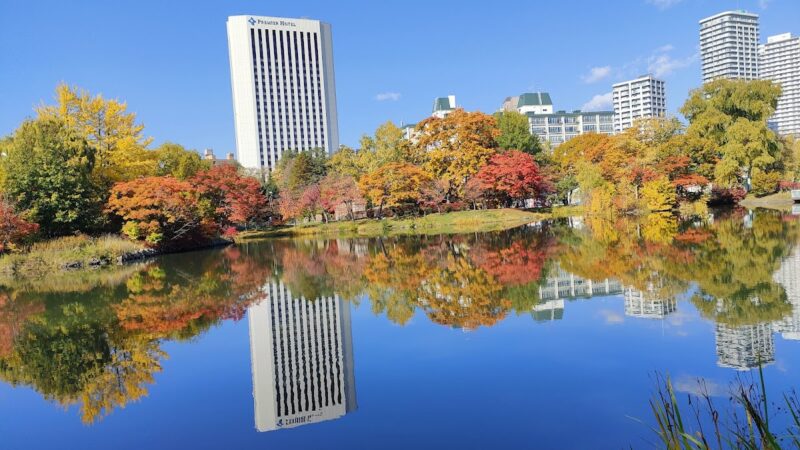
From early October to early November, Nakajima Park transforms into a renowned autumn foliage destination. Ginkgos, maples, mountain ash, and other trees turn red and yellow, painting the park with vivid colors.
Particularly around the Japanese garden and the perimeter of the Iris Pond are known as spectacular autumn foliage viewing spots, attracting many photography enthusiasts. A stroll through the park in the crisp autumn air while viewing the autumn leaves becomes an extraordinary experience.
Winter: Snowy Landscape and Silence
From December through March, winter is the season when Nakajima Park is blanketed in snow and enveloped in silence. Snow-covered trees and the frozen Iris Pond present a beauty reminiscent of ink wash paintings.
People can be seen enjoying cross-country skiing and walking through the snow. Winter at Nakajima Park is a precious place where you can experience the beauty of Sapporo’s severe winter.
Points of Interest and Major Facilities in Nakajima Park
Nakajima Park offers diverse attractions not only for its natural scenery but also for its historic structures and cultural facilities.
Iris Pond and Boating
The Iris Pond, located at the center of Nakajima Park, is the park’s symbolic existence. In this pond with a circumference of approximately 800 meters, you can enjoy boating from spring through autumn.
A walking trail has been developed around the pond, allowing you to enjoy walks while viewing seasonal scenery. The sight of trees and sky reflected on the water’s surface is a healing landscape that makes you forget the hustle and bustle of the city.
Toyohirakan (Nationally Designated Important Cultural Property)
Toyohirakan is a Western-style structure built in 1880 (Meiji 13) and is designated as a National Important Cultural Property. As a lodging facility constructed by the Hokkaido Development Commission, it was also where both the Meiji Emperor and Taisho Emperor stayed.
Currently open to the public, the interior can be viewed. Through the beautiful Western architecture of the Meiji era and exhibits of furnishings and displays from that period, you can learn about the history of Hokkaido’s development.
Hours of Operation: 9:00~17:00 (last admission at 16:30)
Closed: Second Tuesday of each month (or the following day if it falls on a holiday), year-end and new year
Admission: General ¥300, Free for middle school students and younger
Hassouan (Nationally Designated Important Cultural Property)
Hassouan is a tea house built in the early Edo period and is also designated as a National Important Cultural Property. It is a relocated tea house originally located in Kyoto, and you can observe typical Sukiya-style architecture.
The name of the tea house derives from the eight windows from which different views can be enjoyed, allowing you to feel Japanese architectural aesthetics.
Open: April 29 – November 3 only
Admission: Free (external viewing also available)
Sapporo Concert Hall Kitara
Sapporo Concert Hall Kitara, which opened in 1997, is one of Japan’s leading concert halls with outstanding acoustic design. It has a main hall (2,008 seats) and a small hall (453 seats), hosting various performances centered on classical music.
Internationally renowned musicians also perform at this full-scale hall, making it a must-see for music fans. The building’s exterior is also beautiful and harmonizes with Nakajima Park’s landscape.
Sapporo City Children’s Puppet Theater Koguma-za
“Koguma-za,” which opened in 1976, is Japan’s first puppet theater dedicated exclusively to puppetry. Puppet plays for children are performed regularly, making it a popular facility with families.
In addition to puppet play performances, the facility also features puppet-related exhibitions and experience corners where children can enjoyably learn about the world of puppetry.
Japanese Garden
A traditional Japanese garden has been developed on the south side of Nakajima Park. This pond-strolling garden presents different faces through the seasons and is particularly visited by many people during the autumn foliage season.
Stone lanterns, arched bridges, and other traditional elements of Japanese gardens are arranged throughout, creating a valuable space where you can feel Japanese aesthetics in the heart of the city.
Sapporo City Planetarium
Within Nakajima Park is the Sapporo City Planetarium, where celestial observation meetings and astronomy-related lectures are held. It is a valuable facility where celestial observation is possible despite being in the city center, and is particularly utilized as a place for children’s science education.
Open Days: Mainly Friday, Saturday, and Sunday (check official website for details)
Admission: Free
How to Access Nakajima Park
Nakajima Park is located in central Sapporo and is extremely convenient to access.
Access by Subway
The most convenient access method is by subway.
Subway Namboku Line “Nakajima Park Station”
- Exits 1 and 3 lead directly to the park (about 1 minute on foot)
- Approximately 5 minutes from Sapporo Station, 3 minutes from Odori Station
Subway Namboku Line “Horohirabashi Station”
- Exits 1 and 2 lead directly to the park (convenient for accessing the southern part of the park)
Access by Streetcar (Tram)
Sapporo Streetcar “Nakajima Park-dori Station”
- About 3 minutes on foot from the station
- Travel by streetcar allows you to enjoy Sapporo’s streets along the way, so it is recommended
Access by Bus
Multiple routes operated by Chuo Bus, JR Hokkaido Bus, and others stop at “Nakajima Park” bus stop. Access from Sapporo Station or Odori area is possible in approximately 15-20 minutes.
Access by Car and Parking
While Nakajima Park does not have a dedicated large parking lot, there are several coin parking facilities in the surrounding area. However, during events or on holidays, congestion can occur, so public transportation is recommended.
From New Chitose Airport, it is possible to access the park in approximately 40 minutes by JR rapid airport service to Sapporo Station, then about 5 minutes by subway.
Tourist Attractions Around Nakajima Park
When visiting Nakajima Park, we recommend also visiting nearby tourist attractions.
Susukino
Located approximately 10 minutes on foot from Nakajima Park, this is Hokkaido’s largest entertainment district. Numerous restaurants and izakayas line the streets, where you can enjoy Sapporo cuisine. It is ideal for evening tourism and shopping.
Odori Park
Located approximately 5 minutes away by subway, this is a symbolic park of Sapporo. Various events are held throughout the year, including the Sapporo Snow Festival and YOSAKOI Soran Festival.
Sapporo Clock Tower
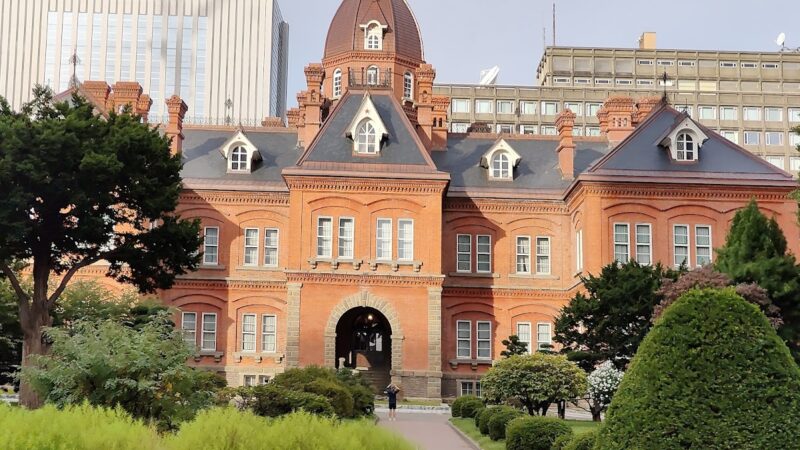
The Sapporo Clock Tower, a landmark of Sapporo, is located approximately 10 minutes from Nakajima Park by subway. It is an important structure where you can feel the history of the Hokkaido development era.
Maruyama
Located approximately 20 minutes by car from Nakajima Park, you can reach the summit by ropeway. From the summit, you can get a panoramic view of Sapporo cityscape, and the night view is particularly beautiful, having been selected as one of “Japan’s Three Greatest New Night Views.”
Lodging Facilities Around Nakajima Park
There are various types of lodging facilities around Nakajima Park.
Luxury Hotels
In the area around the park, there are luxury hotels such as Sapporo Park Hotel that provide high-quality service. You can enjoy a comfortable stay while viewing the park’s greenery.
Business Hotels
Numerous business hotels are located around Susukino, where you can stay at reasonable prices. They are convenient as a base for tourism or business.
Guest Houses and Private Rentals
Recently, the number of guest houses and private rental accommodations has increased in the Nakajima Park area, making them popular with travelers wanting to enjoy a local atmosphere.
Events and Ways to Enjoy Nakajima Park
Nakajima Park offers various events and activities that can be enjoyed throughout the year.
Sapporo Matsuri (Hokkaido Shrine Annual Festival)
Held in mid-June each year, Sapporo Matsuri has Nakajima Park as one of its main venues. Numerous food stalls line the streets, and you can enjoy the festival atmosphere.
Walking and Jogging
The park has well-maintained walking trails, making it ideal for walking and jogging. Particularly in the early morning, the air is clear, allowing for pleasant exercise. It is also popular with local runners as a jogging course.
Picnicking and Relaxation
On the grassy fields, you can spread a leisure sheet and enjoy picnicking. On fine days, it is recommended to bring a homemade lunch and spend a leisurely time in nature.
Bird Watching
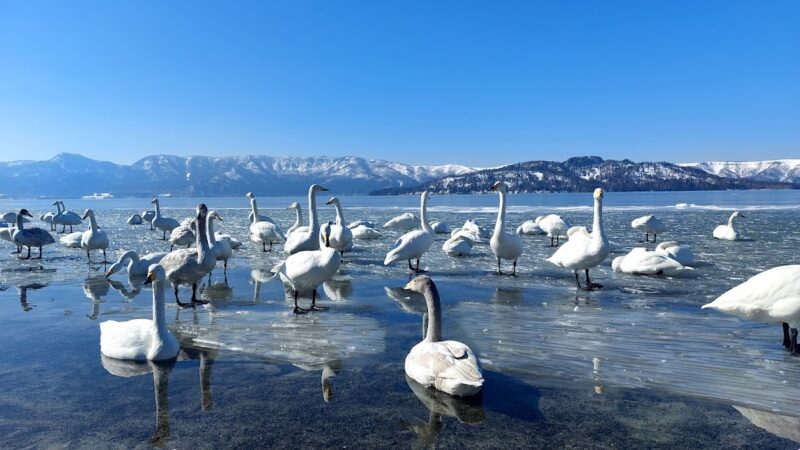
Nakajima Park is also known as a bird-watching spot. Depending on the season, you can observe various wild birds including ducks, swans, and kingfishers.
Photography
The beautiful scenery of each season makes this an excellent photography spot. Particularly during the cherry blossom season and autumn foliage period, many photography enthusiasts visit.
Basic Information About Nakajima Park
Location: 1 Nakajima Park, Chuo Ward, Sapporo City, Hokkaido
Area: Approximately 21 hectares
Hours: Open 24 hours (individual facilities have their own hours)
Admission: Free
Inquiries: Nakajima Park Management Office (011-511-3924)
Precautions and Etiquette When Visiting
Please note the following when visiting Nakajima Park.
Taking Out Trash
As there are limited trash bins in the park, please take all trash with you. To protect the natural environment, please follow proper etiquette.
Bringing Pets
You may bring pets while walking, but always keep them on a leash, and properly clean up after them.
Prohibited Activities
- Use of fire, such as fireworks or barbecues, is prohibited
- Please refrain from riding bicycles outside designated areas
- Feeding wildlife is prohibited
Winter Precautions
During winter, snow accumulation and icy ground surfaces require careful walking. Wear non-slip shoes and enjoy your walk safely.
Tips for Maximizing Your Enjoyment of Nakajima Park
How to Enjoy by Time of Day
Early morning sees few people, allowing you to have the quiet park to yourself. A walk while listening to bird songs is extraordinary. In the evening, the park illuminated by the setting sun is beautiful and offers a romantic atmosphere.
Best Timing by Season
- Cherry Blossoms: Late April ~ Early May
- Irises: Mid-June ~ Early July
- Autumn Foliage: Early October ~ Early November
- Snowy Scenery: January ~ February
Combined Sightseeing Plans
Morning stroll through Nakajima Park and viewing of cultural facilities such as Toyohirakan and Hassouan, afternoon lunch and shopping in Susukino, and evening viewing of the night view from Maruyama is a recommended plan.
Conclusion: Experience Healing at an Urban Oasis
Nakajima Park is truly an urban oasis that harmonizes abundant nature and historic structures while being in central Sapporo. Having been selected for both the “100 Best Urban Parks in Japan” and the “100 Best Historic Parks in Japan,” its value continues to provide quietude and healing to all who visit.
With abundant attractions including beautiful scenery through the four seasons, Nationally Designated Important Cultural Properties such as Toyohirakan and Hassouan, and Sapporo Concert Hall Kitara boasting world-class acoustics, there are always new discoveries no matter how many times you visit.
The attraction is also its convenient location, within walking distance of Susukino, allowing you to drop by casually between sightseeing. When visiting Sapporo, be sure to spend a healing time at Nakajima Park, experiencing Hokkaido’s nature and history.
With the convenient location of just a short walk from subway Nakajima Park Station, and free admission year-round, Nakajima Park is an essential spot for Sapporo tourism. Heal your travel fatigue and feel Sapporo’s four seasons at this park, creating special memories for your trip.