Jozankei Dam Downstream Park Complete Guide | Hokkaido’s Scenic Spots and How to Enjoy the Four Seasons
The Jozankei Dam Downstream Park is a park facility managed by the Hokkaido Development Bureau of the Ministry of Land, Infrastructure, Transport and Tourism, located in Jozankei, Minami Ward, Sapporo. Positioned directly below the Jozankei Dam, this tourist attraction features impressive scenery with a commanding view of the massive dam structure from directly underneath, attracting many visitors not only from Sapporo but also from throughout Hokkaido and beyond.
This article comprehensively explains everything you should know before visiting, from the charm of the Jozankei Dam Downstream Park to specific ways to enjoy it, access methods, and information about surrounding tourist attractions.
What is Jozankei Dam Downstream Park?
Jozankei Dam Downstream Park is a park that was developed at the same time as the Jozankei Dam construction, embodying the concept of a “dam open to the community” where the dam and natural environment are in harmony. The park also houses the Jozankei Dam Information Museum, where you can learn about the dam’s role, history, and the surrounding natural environment.
Basic Information
Location: Jozankei District 8, Minami Ward, Sapporo, Hokkaido
Open Season: Late April to early November (typically around April 25 to November 3)
Operating Hours: 9:00 AM to 5:00 PM (open daily during the season)
Admission: Free
Parking: Available (free)
Inquiries: Toyohira River Dam Integrated Management Office, Sapporo Development and Construction Bureau, Hokkaido Development Bureau, Ministry of Land, Infrastructure, Transport and Tourism
Located approximately 3 km upstream from the center of Jozankei Onsen (hot spring) district, it is situated along the Prefectural Route 1 Otaru Jozankei Line (commonly called the Jozankei National Road).
The Role and Purpose of Jozankei Dam
Understanding the Jozankei Dam itself before visiting the downstream park will make your visit more fulfilling.
Basic Specifications of the Dam
The Jozankei Dam is a multipurpose dam constructed on the Otarinai River of the Toyohira River system and was completed in Heisei 1 (1989).
Type: Gravity Concrete Dam
Dam Height: 117.5m
Dam Crest Length: 410m
Total Storage Capacity: Approximately 82.7 million cubic meters
Reservoir Name: Sapporo Lake
Elevation: Dam crest elevation approximately 422m
Three Important Roles
The Jozankei Dam is a multipurpose dam with the following three main purposes:
1. Flood Control: It plays a crucial role in mitigating flood damage in the Toyohira River basin and protecting Sapporo city center. During heavy rain, water is temporarily stored in the reservoir, and the flow to downstream areas is adjusted.
2. Water Supply for Domestic Use: It functions as an important water source supporting approximately 1.9 million residents of Sapporo. Stable water supply supports the foundation of citizens’ lives.
3. Hydroelectric Power Generation: A hydroelectric power plant utilizing the water level difference of the dam is installed, generating up to 19,600 kW of electricity. It contributes to the region as clean energy.
Through these roles, the Jozankei Dam has become essential infrastructure for Sapporo’s safety and development.
Park Structure and Main Attractions
The most distinctive feature of Jozankei Dam Downstream Park is its unique structure utilizing steep inclines. The park is laid out in layers like rice terraces, with a design that allows visitors to enjoy diverse scenery from different heights.
Three-Layer Park Layout
The park is divided into three main layers, each offering a different perspective to experience the dam’s power.
Lower Level Area: Located directly below the dam where you can look up at the 117.5m-high concrete wall, experiencing its overwhelming presence. The spillway can be seen up close, and visitors can witness its impressive power during discharge operations.
Middle Level Area: The spillway is at approximately eye level, allowing for detailed observation of the dam’s structure. It also offers a vantage point to see the entire park and is ideal for photography.
Upper Level Area: Located near the dam crest, offering panoramic views of the dam’s entire structure, Sapporo Lake, and the surrounding mountains—a spectacular viewpoint. From the Information Museum, you can climb stairs to reach the dam embankment where Route 1 passes, allowing you to view Sapporo Lake and the park from directly above.
Four Plazas and Walking Trails
The park features a total of four plazas connected by gentle walking trails.
Picnic Plaza: A popular area for families, perfect for relaxing with a packed lunch. Well-maintained grass areas allow children to play safely.
Observation Plaza: An excellent spot for viewing the dam’s entire structure and for photography. Especially popular with photographers during autumn foliage season.
Rest Plaza: Equipped with benches, offering a place to take a break during your walk. Plenty of shade makes it cool even in summer.
Monument Plaza: Featuring artistic monuments and fountains that add accent to the park’s landscape. Water fountains and restrooms are also conveniently located nearby.
Main Park Facilities
Restrooms: Clean restrooms are installed throughout the park with barrier-free access.
Water Fountains: Located in various places throughout the park, convenient for hydration during your visit.
Fountains: During summer, fountains provide refreshing water sounds and moisture to the park.
Benches: Distributed throughout the park, allowing you to relax while enjoying the natural scenery.
Information Boards: Multilingual information maps (Japanese, English, Simplified and Traditional Chinese, Korean) are posted, making the park accessible to foreign tourists.
The Charm of Jozankei Dam Information Museum
The Jozankei Dam Information Museum, housed within the park, is a facility where you can enjoyably learn about the dam.
Museum Information
Operating Hours: 9:30 AM to 4:00 PM
Closed Days: Mondays (or the following weekday if Monday is a holiday), during the off-season (mid-November to late April)
Admission: Free
Exhibition Content
The museum features abundant exhibitions that clearly explain the history of the Jozankei Dam from its construction to the present and its role.
Dam Construction Diorama Model: Finely crafted models allow three-dimensional understanding of the dam construction process. The model conveys the difficulty of construction and the efforts of engineers.
Manual Generation Device: An interactive exhibit where you can actually generate electricity by hand and confirm the generated amount numerically. Popular with children, it effectively demonstrates the importance of electricity.
Panel Displays: Panels with photographs and illustrations provide detailed explanations of the natural environment around the dam, the flora and fauna that inhabit it, and the dam’s structure and function.
Video Corner: Videos introducing the dam’s four seasons and its role can be viewed.
Dam Embankment Interior Tour
During museum operating hours, there is a rare opportunity to tour the interior of the dam, an area normally inaccessible to the public.
Tour Content: You can view the dam’s internal structure, inspection passages (audit galleries), and measurement equipment with explanations from specialized staff.
Duration: Approximately 30-40 minutes
Reservations: Can be booked on-site at the museum reception (advance reservations recommended for groups)
Notes: The tour involves climbing stairs, so comfortable walking shoes are recommended.
The interior temperature of the dam remains low year-round, so bringing a jacket even in summer ensures comfortable viewing.
Enjoying the Four Seasons
Jozankei Dam Downstream Park presents different expressions throughout the year, making it worthwhile to visit in any season.
Spring (Late April – June)
Early spring after the park’s opening offers fresh air from melting snow and new foliage beginning to emerge.
Cherry Blossoms: Cherry trees in the park bloom with beautiful flowers from early to mid-May. Blooming slightly later than in Sapporo city center, this offers another chance for those who missed spring flowers in the city.
Snowmelt Water Discharge: Spring sees increased water from snowmelt, so discharge operations are frequently performed, offering chances to witness the impressive spectacle.
Bird Watching: Migratory birds visit during this season, making it ideal for birdwatching.
Summer (July – August)
The foliage becomes lush and the season is ideal for summer retreat.
Cool Climate: Due to higher elevation, the temperature is lower than in central Sapporo, making even midsummer comfortable.
Perfect for Picnicking: Abundant shade makes summer ideal for family picnics and outdoor activities.
Sapporo Lake Scenery: You can enjoy the beautiful scenery of Sapporo Lake surrounded by greenery.
Autumn (September – Early November)
Autumn is the most beautiful season for Jozankei Dam Downstream Park.
Fall Foliage Peak: The foliage typically peaks from early to mid-October, with diverse trees including maples, katsura, rowan, and wild grapes displaying brilliant reds and yellows throughout the park.
Dam and Foliage Contrast: The contrast between the gray concrete embankment and vibrant autumn colors creates spectacular scenery.
Photography Spots: The three-level park structure allows photographing the foliage from different angles, making it a treasure trove for photography enthusiasts.
Crowds: Weekends during foliage season can be crowded, so visiting on weekdays or early morning is recommended.
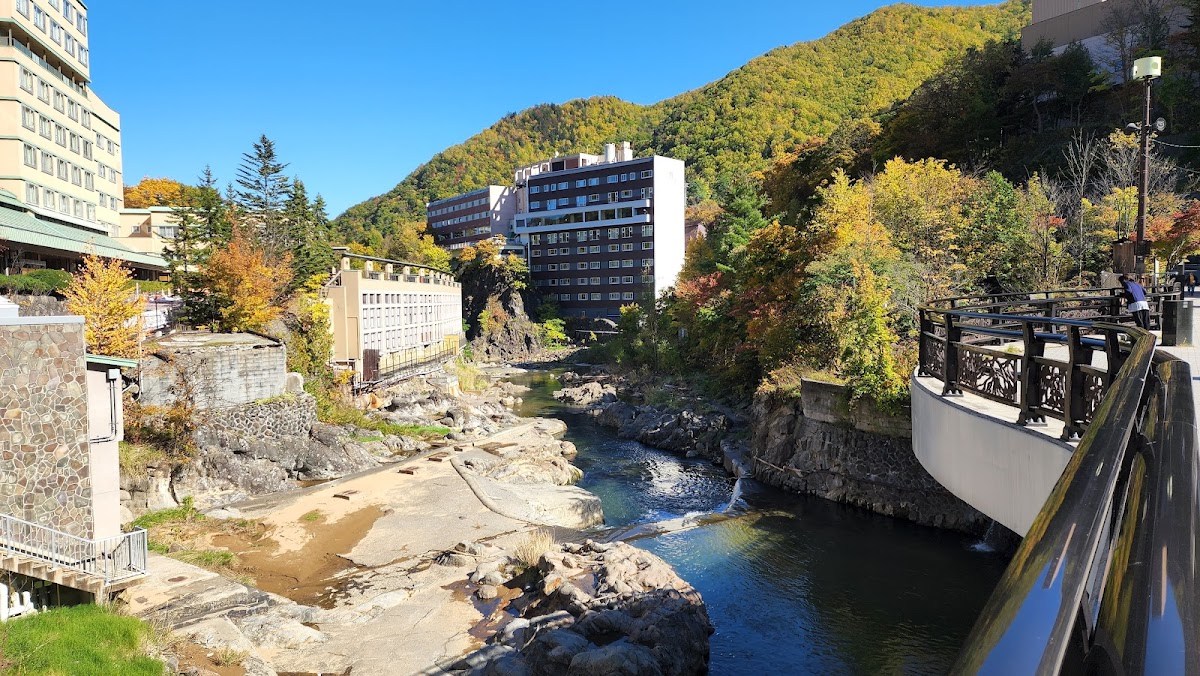
Combination with Surroundings: Many tourists combine the foliage here with that of Jozankei Onsen and Toyohira Gorge Dam, making the entire Jozankei area a renowned foliage destination.
Access and Transportation
Self-driving is most convenient for accessing Jozankei Dam Downstream Park, though public transportation is also available.
Access by Personal Vehicle
From Central Sapporo: Head south on National Route 230 toward Jozankei Onsen. After passing through Jozankei Onsen district, continue about 3 km on Prefectural Route 1 Otaru Jozankei Line to arrive. Travel time: approximately 50-60 minutes.
From New Chitose Airport: Using the Dō-ō Expressway, exit at Sapporo Minami IC and proceed via National Route 230. Travel time: approximately 1 hour 30 minutes.
Parking Information: Free parking available. Accommodates approximately 50 regular vehicles. May reach capacity on weekends during foliage season, so early arrival is recommended.
Access by Public Transportation
Bus: From Sapporo Station or Makomanai Subway Station, take the Jotetsu Bus “Jozankei Onsen” line to the final stop “Jozankei Onsen,” then walk approximately 40 minutes (approximately 3 km).
Taxi: Taking a taxi from Jozankei Onsen district takes approximately 5 minutes, costing around 1,000 yen.
Rental Bicycle: You can rent a bicycle in Jozankei Onsen district to visit. Electric-assist bicycles are recommended due to uphill sections.
Notes: Buses do not run directly to Jozankei Dam Downstream Park, making access by public transportation only somewhat inconvenient. Staying overnight at a Jozankei hot spring facility and visiting the next day while hiking is a recommended plan.
Access to Shotengoku Peak Trail
Jozankei Dam Downstream Park has a trailhead to Shotengoku Peak.
About Shotengoku Peak
Elevation: 765m
Hiking Time: Approximately 1 hour 30 minutes up, approximately 1 hour down
Difficulty: Beginner to Intermediate (steep sections require moderate fitness)
Summit Views: Panoramic views of Sapporo city center, Ishikari Bay, and Sapporo Lake await.
Hiking Precautions
- The trail is maintained but features steep sections and rocky areas
- Bear bells are recommended due to potential bear encounters
- Weather changes rapidly, so bring rain gear and warm clothing
- Trail registration is recommended
- Solo hiking should be avoided; hiking with multiple people is safer
Starting early in the morning is recommended when beginning a hike from the park.
Surrounding Tourist Attractions
Combining visits to nearby attractions while visiting Jozankei Dam Downstream Park will make your trip more fulfilling.
Jozankei Onsen District
Distance: Approximately 3 km (about 5 minutes by car)
Characteristics: Known as Sapporo’s inner retreat, this hot spring area features many day-use bathing facilities, foot baths, and hot spring inns.
Recommendation: End your visit with a hot spring bath to relax.
Toyohira Gorge Dam
Distance: Approximately 7 km from Jozankei Onsen
Characteristics: Another dam in the Toyohira River system. The beautiful curves of the arch dam combined with fall foliage create spectacular scenery.
Access: Electric buses or hiking only (regular vehicles prohibited).
Sapporo Lake
Characteristics: The Jozankei Dam reservoir. Well-maintained walking trails encircle the lake for easy exploration.
Activities: Canoe and kayak activities are available (advance reservation required).
Jozankei Shrine
Distance: Within Jozankei Onsen district
Characteristics: A shrine dedicated to Jozankei, who established the hot spring. Known as a power spot.
Futami Suspension Bridge and Futami Park
Distance: Approximately 1 km from Jozankei Onsen district
Characteristics: A red suspension bridge spanning the Toyohira River. Famous as a fall foliage destination.
Precautions and Etiquette for Your Visit
Keep these points in mind to comfortably enjoy Jozankei Dam Downstream Park.
Clothing and Supplies
- Comfortable Walking Shoes: The park has uneven terrain and many stairs, making comfortable shoes essential.
- Season-Appropriate Clothing: Due to higher elevation and lower temperatures than the city center, bring a jacket in spring and fall.
- Sun Protection: In summer, bring a hat and sunscreen due to strong sunlight.
- Rain Gear: Mountain weather changes quickly, so a folding umbrella or raincoat is helpful.
- Beverages: While water fountains exist in the park, bringing drinks is convenient.
Safety Precautions
- Stay Inside Barriers: Safety barriers are installed throughout the park. Crossing them is dangerous.
- Watch Children Closely: The park’s high elevation changes require special attention when bringing small children.
- Wildlife: Bears and foxes may appear. If encountered, quietly maintain distance.
- Slippery Areas: Trails become slippery after rain. Watch your footing carefully.
Rules and Etiquette
- Take Trash With You: No trash bins are provided. Dispose of all trash properly.
- No Plant Collection: Collecting plants or flowers from the park is prohibited.
- Pet Policy: Pets may accompany you if kept on leash, with owners responsible for waste removal.
- Drone Photography: Drone flights around the dam require advance permission. Unauthorized flights are prohibited.
- Smoking: Smoking is prohibited except in designated areas.
Photography Spots and Instagram-Worthy Points
Jozankei Dam Downstream Park offers abundant photographic subjects for photography enthusiasts.
Recommended Photography Spots
Looking-Up Angle from Below: Captures the dam’s massive scale in an impressive composition. Wide-angle lenses are effective.
Diagonal Composition from Middle Level: Allows capturing both the dam and surrounding nature in a balanced composition.
Overhead Shot from Upper Level: Panoramic views of the entire park, dam, and Sapporo Lake—a must-see, especially during foliage season.
Stairs to Dam Embankment: The staircase provides depth to compositions and makes an interesting subject.
Discharge Photography: When discharge operations occur, capture dynamic photos of water movement. Adjust shutter speed to express water flow.
Photography Tips
Time of Day: Morning light is soft and suitable for photography. Check sun position to avoid backlighting.
Fall Foliage: Overcast days sometimes capture colors more vividly. Sunny days may create excessive contrast.
Tripod Use: Tripods are permitted but use them considerately to avoid inconveniencing other visitors.
Recommended Tourist Itineraries Including Jozankei Dam Downstream Park
Here are model itineraries for efficiently touring the Jozankei area.
Day Trip (Approximately 6 hours)
9:00: Depart from central Sapporo
10:00: Arrive at Jozankei Dam Downstream Park, park exploration (1 hour 30 minutes)
11:30: Museum visit and dam embankment tour (1 hour)
12:30: Move to Jozankei Onsen district, lunch (1 hour)
13:30: Futami Suspension Bridge and Futami Park exploration (30 minutes)
14:00: Toyohira Gorge Dam sightseeing (1 hour 30 minutes)
15:30: Day-use hot spring bathing (1 hour)
17:00: Return to central Sapporo
2-Day, 1-Night Itinerary
Day 1:
- Morning: Depart Sapporo, visit Jozankei Dam Downstream Park and museum
- Afternoon: Tour Toyohira Gorge Dam, explore Jozankei Onsen district
- Evening: Check into hot spring inn, bathe, enjoy dinner
Day 2:
- Early morning: Shotengoku Peak hiking (optional)
- Morning: Explore Sapporo Lake area, visit Jozankei Shrine
- Afternoon: Return to Sapporo with stops at fruit picking or other attractions
Seasonal Event Information
Various events are held in the Jozankei area seasonally.
Spring Events
Jozankei Onsen Valley Stream Koinobori: Early April to early May. Approximately 400 koinobori (carp-shaped windsocks) swim above the Toyohira River, a spring tradition.
Summer Events
Jozankei Onsen Summer Festival: Late July. A summer festival held in the hot spring district with fireworks display.
Autumn Events
Jozankei Autumn Colors Kappa Bus: Early to mid-October. Free shuttle buses operate to tour foliage spots.
Winter Events
Jozankei Onsen Snow Lantern Path: Late January to early February. Snow candles illuminate the hot spring district in a magical display.
※Jozankei Dam Downstream Park closes in winter, so winter events are limited to the hot spring district area.
Frequently Asked Questions
Q: Can I visit Jozankei Dam Downstream Park in winter?
A: No, the park typically closes around early November (approximately November 3) and remains closed until late April (approximately April 25) due to snow accumulation making safe exploration impossible.
Q: Can I eat at the park?
A: There are no shops or restaurants inside, but picnic meals at the Picnic Plaza are welcome. Always remove trash. Nearby restaurants are located in Jozankei Onsen district (approximately 3 km).
Q: Can wheelchair users view the park?
A: The terrain has many slopes and stairs, making comprehensive wheelchair access difficult. However, the path from parking to the museum is relatively level, and the museum is wheelchair accessible.
Q: When can I see dam discharge operations?
A: Discharge is irregular depending on water storage levels and weather. Often occurring during spring snowmelt or after heavy rain, contact the management office in advance if you want to witness discharge.
Q: When is peak fall foliage?
A: Peak foliage typically occurs early to mid-October. Since timing varies yearly with climate, check current conditions before visiting.
Q: Can I bring pets?
A: Yes, pets are welcome if kept on leash with owners responsible for waste removal. Pets cannot enter the museum.
Q: Is group sightseeing possible?
A: Yes. Advance notice to the management office is recommended, especially for large groups or dam interior tour reservations.
Conclusion
Jozankei Dam Downstream Park is a fascinating tourist destination showcasing Hokkaido’s natural beauty where human engineering and nature harmoniously coexist. Offering commanding views of a massive dam at close range, scenic natural beauty throughout the seasons, a well-equipped information museum, and free admission, it’s recommended for visitors of all ages.
The park is particularly spectacular during fall foliage season, when maples and rowans display brilliant colors in mid-October, making it one of Hokkaido’s premier scenic destinations. Combining your visit with Jozankei Onsen creates an ideal itinerary offering both sightseeing and relaxation.
The park’s excellent accessibility—approximately one hour by car from central Sapporo—is another major advantage. Day trips are entirely feasible, while overnight stays at hot spring inns offer a more leisurely experience.
Experience the grandeur of Hokkaido’s natural landscape and the impressive power of the dam at Jozankei Dam Downstream Park. It will surely become an unforgettable memory.