.jpg)
Eisenzenji Temple / Momiji Temple (Ibaraki Prefecture) Complete Guide | Peak Season, Access, and History Explained in Detail
Eisenzenji Temple, located in Daigo Town, Kuji District, Ibaraki Prefecture, is a famous autumn foliage spot beloved as the “Momiji Temple.” In autumn, the entire temple grounds are wrapped in vibrant red leaves, attracting many tourists and photography enthusiasts. This article provides detailed information about Eisenzenji’s peak foliage season, access methods, history, and highlights within the temple grounds—everything you need to know before visiting.
What is Eisenzenji Temple (Momiji Temple)?
Eisenzenji Temple is a Soto Zen Buddhist temple located in Daigo Town, Kuji District, Ibaraki Prefecture. Its formal name is “Kouyouzan Eisenzenji Temple.” Its founding dates back to the Muromachi period, and it is an ancient temple with a history spanning over 600 years.
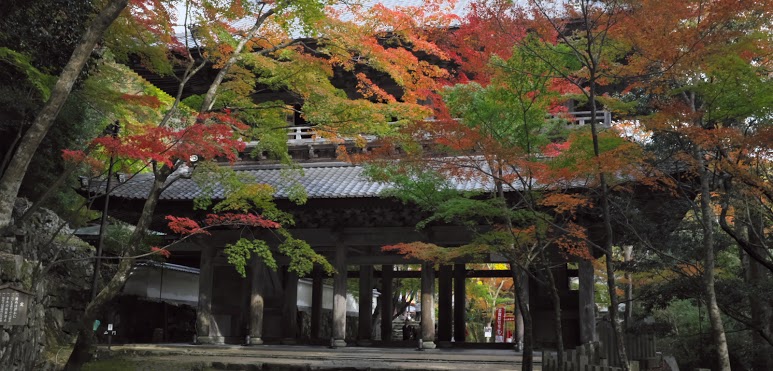
The nickname “Momiji Temple” comes from the sight of approximately 100 Japanese maple trees planted within the temple grounds turning color simultaneously in autumn. The maples in the approach to the main hall and in the garden are particularly spectacular, and the temple is known as one of the finest autumn foliage spots in Ibaraki Prefecture.
Basic Information about Eisenzenji Temple
- Location: 1571 Daigo, Daigo Town, Kuji District, Ibaraki Prefecture
- Denomination: Soto Zen Buddhism
- Mountain Name: Kouyouzan
- Founded: Muromachi Period (circa 1446)
- Founding Priest: Getsuzansouin Zen Master
- Visiting Hours: Anytime during daytime (8:00 AM to 5:00 PM during foliage season)
- Admission Fee: Free (donations welcome)
- Parking: Available (free, approximately 30 spaces)
Peak Foliage Season and Best Time to Visit
The autumn foliage at Eisenzenji Temple begins to change color relatively early compared to other spots in Ibaraki Prefecture. Daigo Town is located in a mountainous area in the northern part of the prefecture, and because of its higher elevation, temperatures drop easily, making the foliage progress faster.
Foliage Calendar
- Color begins: Late October to early November
- Peak season: Mid-November to late November
- Leaves fall: Early December
Since climate conditions vary from year to year, the peak season may shift. Before visiting, it is recommended to check the latest foliage conditions on the Daigo Town Tourism Association website or the temple’s official information.
Enjoyment by Time of Day
Early Morning (7:00 AM – 9:00 AM)
Maples illuminated by the morning sun are particularly beautiful, and fewer people are around, allowing for peaceful viewing. This is also the best time for photography.
Late Morning (9:00 AM – 12:00 PM)
Sunlight fills the entire temple grounds, and the foliage colors appear most vivid at this time.
Afternoon (1:00 PM – 4:00 PM)
When the western sun shines through, the maples appear to glow golden. Photography using backlighting is also enjoyable.
Access | How to Get There by Car or Train
Access to Eisenzenji Temple is most convenient by car, but it is also accessible by public transportation.
Access by Car
From the Joban Expressway
- Approximately 50 minutes from Naka IC via National Route 118 (approximately 40 km)
- Approximately 40 minutes from Hitachi-Omiya IC via National Route 118 (approximately 35 km)
From the Tohoku Expressway
- Approximately 60 minutes from Shirakawa IC via National Routes 289 and 118 (approximately 50 km)
Car Navigation Settings
You can search using the address “1571 Daigo, Daigo Town, Kuji District, Ibaraki Prefecture” or the telephone number.
Parking Information
There is a free parking lot within the temple grounds (approximately 30 spaces). On weekends during the foliage season, the area gets crowded, so arriving early is recommended. If the lot is full, the nearby Daigo Town parking lot (about 5 minutes’ walk) is also available.
Access by Train and Bus
- Get off at “Hitachi-Daigo Station” on the JR Suigun Line
- From Tokyo area: Transfer to the Suigun Line at Mito Station (approximately 1 hour 40 minutes from Mito)
- From Fukushima area: Direct service (approximately 2 hours from Fukushima)
- Access from the Station
- On foot: Approximately 15 minutes (approximately 1.2 km)
- Taxi: Approximately 5 minutes
- Rental bicycle: Available at the station’s tourist information center
Temporary buses may operate during the foliage season, so please check with the Daigo Town Tourism Association for details.
History and Origin of Eisenzenji Temple
Eisenzenji Temple is said to have been founded around 1446 (Bungan 3) by Zen Master Getsuzansouin. Initially established as a place for Zen practice in the region, it developed under the patronage of the Satake clan during the Sengoku period.
Origin of the “Momiji Temple” Name
The current image of “Momiji Temple” was formed from the mid-Edo period onward. A resident priest of that time made efforts to improve the temple’s landscape, planting numerous Japanese maples in the approach and gardens. This is said to be the beginning of the tradition.
From the Meiji period onward, the planting and maintenance of maples continued through the efforts of local residents, eventually creating the current landscape with approximately 100 maple trees decorating the temple grounds. Many of the trees are over 100 years old, conveying a sense of historical weight.
Cultural Properties and Temple Treasures
Eisenzenji Temple preserves the following cultural properties and treasures:
- Main Image: Shakyamuni Buddha Seated Statue (Edo period work)
- Bell Tower: Created in the late Edo period, known for its beautiful sound
- Historical Documents: Including documents related to the Satake clan and other valuable materials for understanding the region’s history
Highlights Within the Temple Grounds
While the Eisenzenji Temple grounds are not vast, the space is compactly arranged with concentrated highlights.
Maple Tunnel of the Approach
The approach from the mountain gate to the main hall is covered by overhanging maple branches on both sides, creating a “maple tunnel” during the foliage season. The red and yellow maples overhead are spectacular and represent the signature landscape of Eisenzenji Temple.
Garden in Front of the Main Hall
In front of the main hall is a strolling garden with a pond, famous for the beauty of the reflected foliage. The “inverted maple” reflected on the water surface is a perfect photo spot.
Stone lanterns and stepping stones are arranged in the garden, creating an atmosphere of Zen temple tranquility. There are also benches where you can sit and leisurely enjoy the autumn foliage.
Main Hall and Zazen Meditation Experience
The main hall was rebuilt in the late Edo period and has a calming wooden appearance. During seasons other than the foliage season, zazen (sitting meditation) experiences are available by advance reservation (inquiries required).
Ancient Trees Within the Grounds
Several maple trees over 100 years old are present, with thick trunks and branch structures that evoke history. The large maple behind the main hall is particularly impressive.
Photography Tips
Eisenzenji Temple is also popular among photography enthusiasts. Here are tips for taking beautiful photographs.
Recommended Photography Spots
- Maple Tunnel Approach
- Vertical composition to emphasize depth
- Include people to show scale
- Inverted Maple Reflected in the Pond
- Early morning when there is no wind is best
- Include more water surface from a lower position
- Main Hall and Maple Combination
- Expresses Japanese aesthetic
- Use diagonal composition for dynamism
- Carpet of Fallen Leaves
- Late foliage season (late November) is recommended
- Fallen leaves on the ground are also beautiful
Photography Precautions
- Use tripods carefully so as not to inconvenience other visitors
- Do not enter restricted areas
- Photograph quietly within the temple (remember it is a religious facility)
- If using photos commercially, obtain permission from the temple in advance
Nearby Tourist Attractions
When visiting Eisenzenji, it is recommended to visit other tourist spots in Daigo Town as well.
Fukuro Falls (approximately 15 minutes by car)
One of Japan’s three most famous waterfalls. This spectacular 120-meter-high, 73-meter-wide falls offers the beautiful harmony of waterfall and autumn foliage during the foliage season. It is a popular destination often visited together with Eisenzenji.
Daigo Hot Spring (approximately 10 minutes by car)
A hot spring area surrounded by the Okuguji mountains. Day-use hot spring facilities are well-developed, allowing you to soothe your fatigue in the springs after viewing the foliage.
Apple Orchards (approximately 5-10 minutes by car)
Daigo Town is also known as an apple-producing region. From October to November, visitors can enjoy apple picking at several agritourism farms.
Daigo Oyaki School (approximately 8 minutes by car)
An experience facility utilizing a closed school. Visitors can try their hand at making soba and preparing local dishes. You can experience the local food culture.
Event Information During Foliage Season
Various events are held at or around Eisenzenji Temple during the foliage season.
Daigo Town Autumn Foliage Festival
The “Autumn Foliage Festival” is held throughout Daigo Town in mid-November. Eisenzenji Temple is one of the venues, and events include:
- Sale of local specialty products
- Performances of traditional arts
- Night illumination (implementation varies by year)
- Photography contest
Details are available on the Daigo Town Tourism Association’s official website.
Precautions and Etiquette When Visiting
Eisenzenji is a temple where religious activities continue to take place. Understand its role not only as a tourist attraction but also as a place of worship, and observe the following etiquette.
Visitor Etiquette
- Bow when passing through the mountain gate
- Move quietly within the temple grounds
- Remove your hat when praying at the main hall
- Photography is permitted, but check before photographing inside the main hall
- Always take trash with you
Clothing and Belongings
- The temple grounds are uneven, so comfortable walking shoes are recommended
- The foliage season can be chilly, so prepare warm clothing
- Rain gear (to prepare for sudden weather changes)
- Camera/smartphone (don’t forget to charge)
Tips for Avoiding Crowds
- Weekday visits are recommended
- On weekends, early morning (before 8:00 AM) is relatively quiet
- The peak foliage season (weekend in mid-November) is particularly crowded
- Check the weather forecast and choose sunny days
Gourmet Information in Daigo Town
When visiting Eisenzenji, also enjoy the local cuisine of Daigo Town.
Okuguji Shamo
A specialty of the Okuguji region, which includes Daigo Town. The meat is firm and chewy with a deep umami flavor. It is served as oyakodon or hot pot at restaurants throughout town.
Hitachi Akisoba
A soba variety representative of Ibaraki Prefecture. There are many hand-made soba restaurants in Daigo Town. The new soba season (October-November) is particularly recommended.
Apples and Pears
Daigo Town is one of Ibaraki’s major fruit-producing regions. Fresh fruit can be purchased at farm stands and roadside stations. Apple juice and apple pie are also popular souvenirs.
Konjac Dishes
The Okuguji region is also known for konjac production. It can be enjoyed in various preparations, including sashimi konjac and dengaku.
Accommodation Information
If traveling from afar or wanting to enjoy Daigo Town at leisure, accommodation is also recommended.
Daigo Hot Spring Inns and Hotels
Several hot spring inns are within 10 minutes’ drive from Eisenzenji. They offer hot spring baths with views of the foliage and local cuisine.
Bed and Breakfasts and Pensions
Homey bed and breakfasts and pensions are scattered throughout town. They offer affordable accommodation and opportunities to interact with locals.
Campgrounds
Several campgrounds in Daigo Town offer outdoor experiences in nature. Camping during the foliage season is particularly popular.
Year-Round Attractions of Eisenzenji Temple
Eisenzenji is most famous for its foliage season, but it has different charms in other seasons.
Spring (March – May)
The season of fresh greenery. Newly budding maples have a pale green color, offering a freshness different from autumn. A few cherry blossoms are planted, and cherry blossom viewing is also possible in early April.
Summer (June – August)
The temple grounds surrounded by deep green are cool and ideal as a summer retreat. The beauty of green maples has recently attracted attention.
Winter (December – February)
The snowy temple grounds create a dreamlike atmosphere. With fewer visitors, you can experience the original quietness of a Zen temple.
Summary: How to Make the Most of Eisenzenji (Momiji Temple)
Eisenzenji Temple (Momiji Temple) in Daigo Town, Ibaraki Prefecture, displays particularly beautiful scenery during the autumn foliage season. The maple tunnel created by approximately 100 Japanese maples and the inverted maples reflected in the pond are well worth seeing.
Key points for your visit:
- Peak Season: Mid to late November is best
- Access: By car is convenient, but accessible by train and on foot
- Time Required: About 30 minutes to 1 hour to explore the temple grounds
- Nearby Attractions: Combining with Fukuro Falls and Daigo Hot Spring is recommended
- Etiquette: Remember it is a temple and visit quietly and respectfully
The autumn foliage at Eisenzenji is among the most beautiful in Ibaraki Prefecture. Access from the metropolitan area is relatively good, making it ideal for a weekend getaway. Be sure to visit Daigo Town in autumn and experience the charm of Momiji Temple.
Before visiting, check the latest foliage information and upcoming events on the Daigo Town Tourism Association’s official website, and dress appropriately for the weather. The visit promises to be a memorable trip filled with beautiful autumn memories.
-800x450.jpg)
-800x450.jpg)