.jpg)
Nishida Family Garden Gyokusen-en (Ishikawa Prefecture) Complete Guide | A Famous Garden with 400 Years of History Associated with the Kaga Domain, Older Than Kenroku-en
Gyokusen-en, the Nishida Family Garden, located in Kanazawa City, Ishikawa Prefecture, is a strolling pond garden that boasts a history approximately 120 years older than the beginning of construction of Kenroku-en. This garden, completed over approximately 100 years by four successive generations of the Wakita family, upper-class samurai of the Kaga domain, has maintained its beautiful appearance even after more than 400 years. This article provides detailed information you should know before visiting, including the history of Gyokusen-en, highlights, tea ceremony experiences, seasonal attractions, and access information.
About Nishida Family Garden Gyokusen-en
Gyokusen-en is a historically significant Japanese garden from the early Edo period, located in Ogawa-cho, Kanazawa City, Ishikawa Prefecture. The official name is “Nishida Family Garden,” but it is commonly known as “Gyokusen-en.” This name is derived from Gyokusen-in, the principal wife of Maeda Toshinaga, the second daimyo of the Kaga domain, reflecting the deep relationship between the Kaga domain and the Wakita family.
The garden adopts a strolling pond garden style, with a central pond surrounded by streams, waterfalls, and hundreds of plant species. The two-tiered structure, which skillfully utilizes the hillside terrain, is designed to maximize the use of the site conditions and water movement, allowing visitors to experience the refinement of Edo-period garden construction techniques.
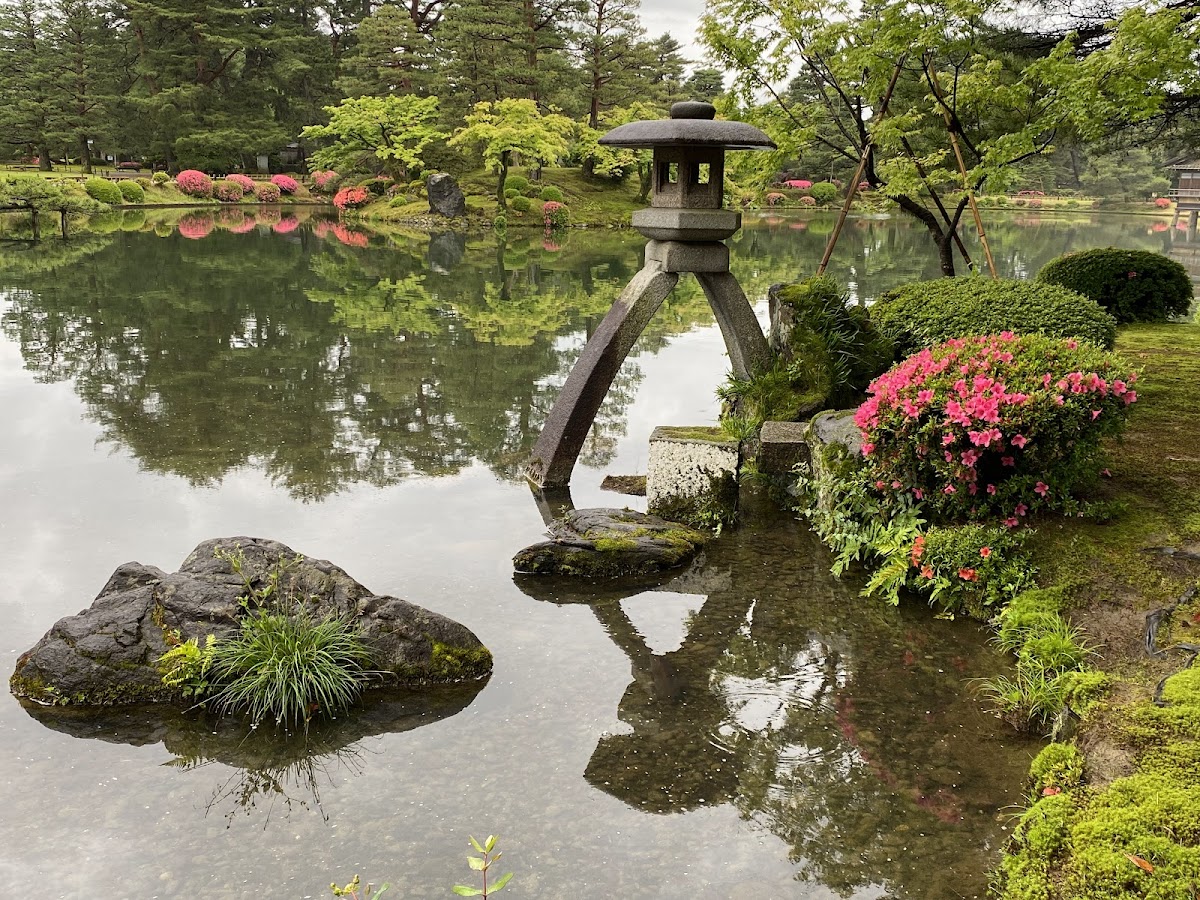
In 1960 (Showa 35), it was designated as a scenic site of Ishikawa Prefecture and is now protected as a cultural property representative of Kanazawa. The characteristic of borrowing scenery from Kenroku-en’s trees and sourcing the pond’s water from the curved stream near the Tsutakihokuro lantern in Kenroku-en demonstrates the profound relationship between the Kaga domain and the Wakita family.
A Garden Associated with the Kaga Domain, Approximately 120 Years Older Than Kenroku-en
Historical Significance of Gyokusen-en
The greatest characteristic of Gyokusen-en lies in its ancient history. While the construction of Kenroku-en is said to have begun around 1676 (Enpo 4), Gyokusen-en’s construction began approximately 120 years earlier, dating back to around 1592 (Bunroku 1) in the early Edo period. This represents an extremely important position in Kanazawa’s garden culture and means it is among the oldest existing gardens in Kanazawa.
The Wakita Family and the Kaga Domain
Gyokusen-en was created by the Wakita family, upper-class samurai of the Kaga domain. The first-generation Wakita Naokatsura (Jotetsu) was a Korean youth who came to Japan accompanied by Ukita Hideie during Toyotomi Hideyoshi’s invasions of Korea. He later became a close attendant of Maeda Toshinaga, the second daimyo of the Kaga domain, and was granted the surname Wakita.
Naokatsura began construction of the garden, and subsequent modifications were made by successive generations, with the garden reaching completion during the time of the fourth-generation Kuemon in the middle of the Edo period. The garden, created over approximately 100 years, conveys the aesthetic sensibility of the Wakita family and the cultural richness of the Kaga domain to the present day.
Inheritance by the Nishida Family
In the early Meiji period, after the Wakita family left Kanazawa, the estate and garden were inherited by the Nishida family. For this reason, the registered name of the Ishikawa Prefecture designated scenic site is “Nishida Family Garden.” The Nishida family continues to carefully manage the garden today and maintain its public opening, preserving more than 400 years of history and tradition.
Highlights of Gyokusen-en
The Beauty of the Strolling Pond Garden
The greatest appeal of Gyokusen-en is its strolling pond garden structure. With the central pond at the center, a stone-paved path winds through the garden, and different scenery unfolds with each step. The two-tiered structure allows visitors to enjoy a three-dimensional landscape created by differences in elevation.
Carp swim in the pond, and hundreds of plant species surround it. The sound of flowing water and waterfalls creates a healing space that makes one forget the hustle and bustle of the city. Because it borrows scenery from Kenroku-en, the trees of Kenroku-en overlap in the background of the garden, creating a landscape with greater depth.
“Saisetsutei,” Kanazawa’s Oldest Teahouse
Within the garden stands “Saisetsutei,” which is said to be Kanazawa’s oldest teahouse. This teahouse is a precious structure that conveys the architectural style of the early Edo period, and it is said that successive Kaga daimyo visited and enjoyed the tea ceremony here.
The name Saisetsutei means to wash away snow and represents the spirit of the tea ceremony—enjoying tea in a pure space. From the teahouse, one can view the beautiful garden scenery and spend quiet moments feeling the seasonal charm throughout the year.
Harmony of Stone Arrangements and Planting
In Gyokusen-en, the exquisite balance between stone arrangements and planting is remarkable. Stone arrangements skillfully placed with natural stones give the garden strength and stability. Meanwhile, plants that change with each season bring softness and movement to the garden.
Particularly noteworthy is the technique of stone arrangement that creates water flow. The calculation of water movement from the upper to the lower level and the creation of natural-looking flow demonstrate the high technical skill of Edo-period landscape architects.
Experience the History Through Tea Ceremony
Authentic Tea Ceremony Experience
At Gyokusen-en, visitors can enjoy an authentic tea ceremony experience at “Saisetsutei,” Kanazawa’s oldest teahouse. This experience is not merely a tourist attraction but a valuable opportunity to experience the tea ceremony culture that samurai of the Kaga domain actually enjoyed in a space with 400 years of history.
During the tea ceremony experience, matcha and seasonal Japanese sweets are provided. Visitors can spend time leisurely while viewing the garden landscape from the teahouse windows. The experience of learning tea ceremony etiquette while touching Japanese traditional culture has received high praise from both domestic and international tourists.
The Appeal of the Tea Ceremony Experience
The appeal of the tea ceremony experience lies in being able to comprehensively experience not just drinking matcha but also the architectural beauty of the teahouse, the garden’s landscape, the passage of the seasons, and the spirituality of the tea ceremony. Particularly, the experience in a historically valuable space such as Kanazawa’s oldest teahouse becomes a special memory that cannot be obtained elsewhere.
Explanations are provided carefully so that even beginners can participate comfortably. An environment is in place where those with no tea ceremony experience can participate with confidence.
The Four Seasons of Gyokusen-en
Spring at Gyokusen-en
Spring at Gyokusen-en is when plums and cherry blossoms bloom magnificently, and the entire garden is enveloped in a gorgeous atmosphere. The sight of fresh greenery beginning to bud evokes a sense of life-filled beauty. The flowers blooming around the pond reflected in the water’s surface create a spring-like charm.
Summer at Gyokusen-en
Summer is a season of beautiful deep green. The garden covered in rich green creates a cool atmosphere. The sound of flowing water feels all the more pleasant, allowing visitors to forget the summer heat of the city in this healing space. The moss-covered stones and green trees add unique charm to the summer garden.
Autumn at Gyokusen-en
Autumn at Gyokusen-en is known as a place famous for autumn foliage. Maple trees and Japanese maples change color, and the entire garden turns shades of red and yellow. The appearance of autumn leaves reflected in the pond possesses painting-like beauty, attracting many photography enthusiasts and tourists. The garden viewed in the clear autumn air possesses exceptional beauty.
Winter at Gyokusen-en
Winter at Gyokusen-en features the beautiful stillness of a snow-covered landscape. Kanazawa is known as a region with heavy snowfall, and the snow-covered garden presents a watercolor-painting-like charm. Snow-laden trees with snow tying and snow-covered stone arrangements create a landscape unique to winter. Viewing the snowy scenery while enjoying warm matcha in the teahouse creates an unforgettable experience.
Basic Information and Access
Basic Information
Location: 8-3 Ogawa-cho, Kanazawa City, Ishikawa Prefecture
Opening Hours:
- March 1 – November 20: 9:00 AM – 5:00 PM
- November 21 – December 24: 9:00 AM – 4:00 PM
Closed Days: Every Wednesday (if Wednesday is a holiday, closed the following day), December 25 – End of February
Admission Fee:
- Adults: 700 yen
- High school and university students: 600 yen
- Middle school students and younger: Free
Tea Ceremony Experience: Included in admission fee (with matcha and seasonal sweets)
Access Methods
By Public Transportation:
- From JR Kanazawa Station, take the Shioyanagi Machinaka Kanazawa Sightseeing Bus or Kenroku-en Shuttle to “Kenroku-en-shita/Kanazawa Castle,” then 5 minutes on foot
- From JR Kanazawa Station, take the Hokuriku Railway Bus to “Ogawa-cho,” then 3 minutes on foot
By Car:
- Approximately 30 minutes from Kanazawa-nishi IC on the Hokuriku Expressway
- Approximately 30 minutes from Kanazawa-higashi IC on the Hokuriku Expressway
Parking: There is no dedicated parking lot. Please use the nearby paid parking lots. Multiple parking lots are available in the Kenroku-en area.
Nearby Tourist Attractions
Gyokusen-en is adjacent to Kenroku-en, and within walking distance are Kanazawa Castle Park, 21st Century Museum of Art Kanazawa, Nagamachi Samurai District Ruins, Higashi Chaya District, and other tourist attractions representative of Kanazawa. The convenient location allows visitors to tour multiple famous sites in a single day.
Precautions and Recommended Points for Visiting
Precautions When Visiting
- Winter Closure: The garden is closed from December 25 through the end of February, so please note the visiting period.
- Wednesday Closures: The garden is closed every Wednesday (or the following day if Wednesday is a holiday). It is recommended to confirm the opening dates before visiting.
- Photography: Photography is permitted within the garden, but care should be taken not to disturb other visitors.
- Clothing: Since the garden features stone-paved paths, visiting in comfortable walking shoes is recommended.
Recommended Times to Visit
Gyokusen-en has different attractions in each season, but particularly recommended times are:
- Fresh Green Season (late April – May): A beautiful time of year with fresh, vibrant green foliage just beginning to bud.
- Autumn Foliage Season (November): The most gorgeous time of year when autumn leaves adorn the garden.
- Snowy Scenery (January – February): However, the garden is closed in winter, so aim for a snowy day in mid-December.
Suggested Length of Stay
Allow approximately 1 to 1.5 hours for a thorough viewing of the garden and to enjoy the tea ceremony experience. Those who wish to enjoy photography slowly at leisure are advised to allow extra time.
Conclusion
Nishida Family Garden Gyokusen-en is a cultural property representative of Kanazawa with a history approximately 120 years older than Kenroku-en. The strolling pond garden, completed over approximately 100 years by four successive generations of the Wakita family, upper-class samurai of the Kaga domain, conveys the refinement of Edo-period garden construction techniques to the present day.
With abundant highlights including a tea ceremony experience at “Saisetsutei,” Kanazawa’s oldest teahouse, beautiful scenery that changes with the seasons, and the unique garden beauty created by borrowing scenery from Kenroku-en, a visit here enriches one’s Kanazawa experience. The valuable opportunity to touch Japanese traditional culture in a space with more than 400 years of history will make your memories of Kanazawa particularly special.
When visiting Kanazawa, be sure to visit Gyokusen-en and experience the charm of this famous garden, which possesses a different history and character from Kenroku-en. Time spent in the quiet garden allows one to forget the hustle and bustle of everyday life, bringing deep healing and emotion to the heart.
-800x450.jpg)
-800x450.jpg)
-800x450.jpg)