
Rurikoin Temple Kyoto Complete Guide | Special Viewing, Access, and Highlights Explained
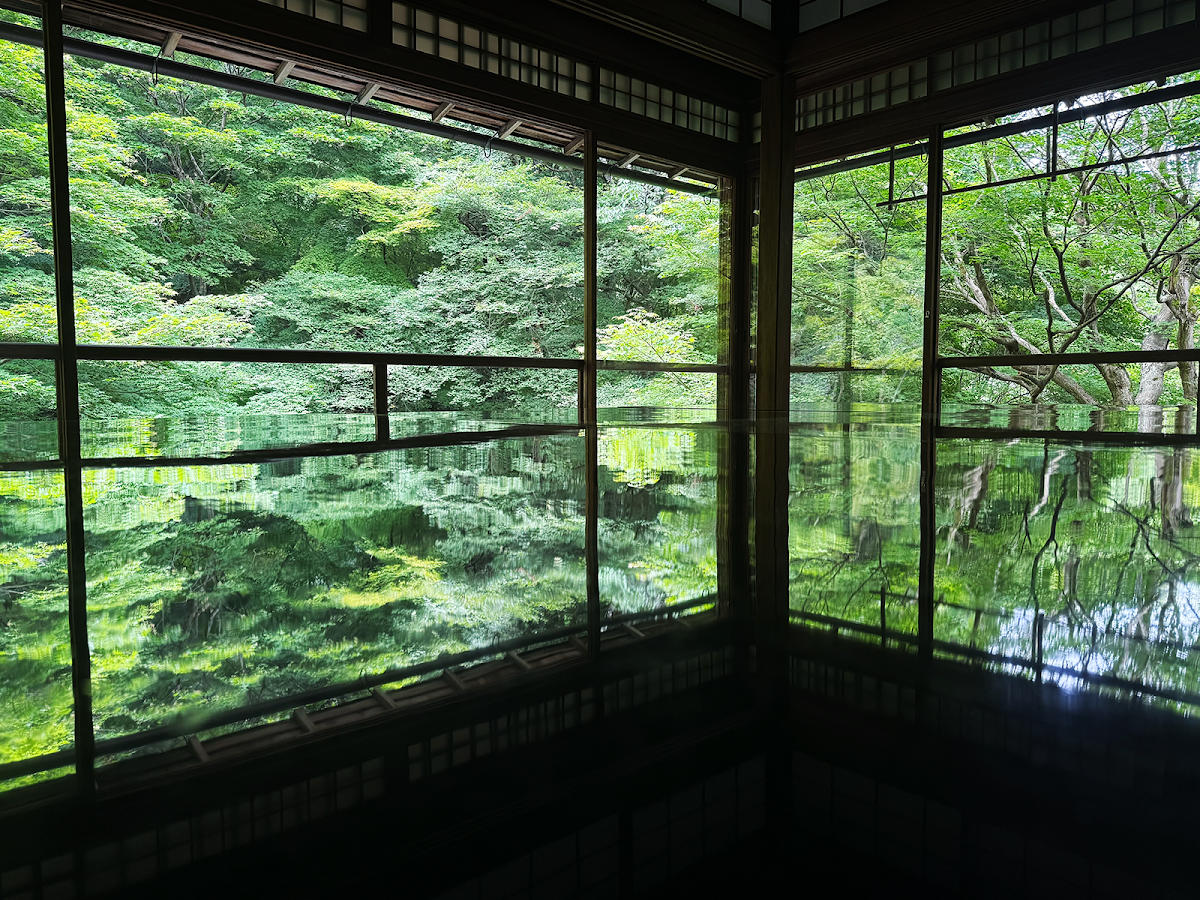
Rurikoin Temple (瑠璃光院), located in Kamitakano, Sakyo Ward, Kyoto City, is a Pure Land Buddhist temple nestled at the foot of Mount Hiei in the Yase area. The reflection photography of the garden mirrored on the jet-black desk in the study hall has become a hot topic, and it is now one of Kyoto’s most renowned destinations, attracting many visitors from both domestic and international sources.
This article provides comprehensive information about Rurikoin Temple’s special viewing information, history, highlights, access methods, and photography tips—everything you should know before your visit.
About Rurikoin Temple | Overview of this Kyoto Yase Masterpiece
Rurikoin Temple is positioned as the Kyoto headquarters of “Muryojuzan Komyoji Temple,” whose main temple is located in Gifu City. The principal image is Amitabha Buddha, and its formal name is “Muryojuzan Komyoji Temple, Kyoto Headquarters, Rurikoin.”
History and Origins of Rurikoin Temple
The grounds of Rurikoin Temple were originally the site of a hermitage villa belonging to Sanevomi Sanjo, a court noble from the Meiji era. Subsequently, from the late Taisho period through the early Showa period, the buildings underwent major renovations as villas for businessmen and prominent figures in politics and finance.
Spread across approximately 12,000 tsubo (about 40,000 square meters), the expansive grounds feature sukiya-style architecture and Japanese gardens that borrow the grand natural scenery of northern Kyoto as their backdrop, having been cherished as an elegant space since that time. Later, in 2005, it came under the ownership of Komyoji Temple and began being open to the public for special viewing as Rurikoin.
The Origin of the Name “Rurikoin”
“Ruri” (瑠璃) refers to one of the Seven Treasures in Buddhism, a blue gemstone (lapis lazuli). The main garden of Rurikoin, “Ruri no Niwa” (Garden of Lapis Lazuli), was designed to express the Pure Land world shining in lapis lazuli blue. Particularly during the season of blue maples, the beautiful landscape evokes a Pure Land gleaming in lapis lazuli color.
Special Viewing Information for Rurikoin | Periods, Hours, and Fees
Rurikoin Temple is normally closed to the public, but special viewings are held three times per year during spring, summer, and autumn.
Special Viewing Periods and Hours
Rurikoin’s special viewing is held during the following seasons (dates vary by year, so confirmation via the official website is recommended).
Spring Special Viewing
- Period: Mid-April to mid-June
- Highlights: Fresh green young maple leaves, beauty of the moss garden
- Reservation: Not required (can visit directly)
Summer Special Viewing
- Period: Mid-July to mid-August (may not be held in some years)
- Highlights: Deep green gardens, cool atmosphere
Autumn Special Viewing
- Period: Early October to early December
- Highlights: Spectacular autumn foliage, reflections
- Note: Most crowded season
Viewing Hours
- 10:00 AM to 5:00 PM (Reception closes at 4:30 PM)
Admission Fees
- Adults: ¥2,000 (includes sutra copying experience)
- No student discounts; a flat rate applies to all visitors
The admission fee includes a sutra copying experience, where you can participate in copying sutras on the second floor study hall. Your completed sutra copy can either be taken home or donated to the temple.
Night Viewing
During the autumn special viewing period, night-time special viewing may be held on certain dates. The illuminated autumn foliage and the reflection in the study hall create an enchanting atmosphere different from daytime viewing. Night viewing typically requires advance reservation, so confirmation via the official website is necessary.
Highlights of Rurikoin | Scenic Spots and Photography Points
Rurikoin offers multiple highlights where you can enjoy seasonal beauty throughout the year.
“Reflection” on the Second Floor Study Hall
What brought Rurikoin to prominence is the reflection of the garden mirrored on the jet-black desk on the second floor study hall. The polished desk surface acts as a mirror, reflecting the maples to create a fantastically symmetrical landscape.
This reflection photograph became famous through SNS as “the spark that ignited reflection photography in Kyoto,” becoming a major draw for photographers and tourists alike.
Photography Tips
- Utilize the desk angle to achieve a symmetrical composition
- Avoid strong sunlight; overcast days or early morning/evening are recommended
- Prepare for queuing during busy times; visit with time to spare
Ruri no Niwa (Main Garden)
The main garden of Rurikoin, “Ruri no Niwa,” is a garden expressing a Pure Land world woven by hundreds of moss varieties and maples. Designed by master gardeners Fujiro Sano and Kinzaku Nakane, this garden borrows Mount Hiei as its backdrop and presents different faces through the seasons.
From spring through early summer, vivid green young maple leaves and the deep green of moss are beautiful; in autumn, vibrant foliage colors the entire garden.
Garyū no Niwa (Reclining Dragon Garden)
The “Garyū no Niwa” (Reclining Dragon Garden), viewed from the first floor study hall, is characterized by maples with trunks shaped like a dragon crawling along the ground. The tree form, lying on a moss-covered ground, perfectly embodies the name garyū (reclining dragon).
This garden is located along the yamaji path leading to the tea house “Kigetsutei,” where you can enjoy garden beauty in a serene atmosphere.
Tea Hermitage “Kigetsutei” and Yase Kama-Bath Remains
On the grounds stands a sukiya-style tea hermitage called “Kigetsutei.” Additionally, Yase has long been known for “kama-buro,” a steaming bathhouse, and its remnants are preserved within Rurikoin’s grounds.
Yase is known from the legend that Emperor Tenmu (Prince Otama), who was struck by an arrow in his back during the Jinshin War, healed his wounds here. The place name “Yase” is said to derive from “yase” (arrow back).
Sutra Copying Experience
The admission fee includes a sutra copying experience, where you can practice copying the Heart Sutra and other sutras on the second floor study hall. The precious time spent calming your mind and wielding your brush in silent space is a unique experience only Rurikoin can offer.
Rurikoin Through the Seasons | Charms of Spring, Summer, and Autumn
Rurikoin presents different faces with each season, each with its own unique appeal.
Spring at Rurikoin | Fresh Green Young Maples
The spring special viewing (mid-April to mid-June) showcases fresh green young maple leaves as its greatest highlight. The vivid green of young leaves contrasts beautifully with the deep green of the moss garden, and the study hall’s reflection is painted entirely in shades of green.
Spring sees fewer crowds than autumn, allowing relatively leisurely viewing. The fact that no reservation is required makes it easy to visit spontaneously.
Summer at Rurikoin | Cool, Verdant Space
During the summer special viewing (when held), the gardens enveloped in deep green create a refreshing atmosphere. Since Yase has lower temperatures than central Kyoto and enjoys cool breezes from Mount Hiei, it serves perfectly as a summer retreat.
Autumn at Rurikoin | Spectacular Autumn Foliage
The autumn special viewing (early October to early December) is when Rurikoin experiences its greatest crowds. The entire garden is painted in autumn colors, and the study hall’s reflection glows in vivid reds, yellows, and oranges.
The peak foliage viewing season typically falls from mid to late November, a time of considerable crowding. Lines often form before the gates open, making early morning visits highly recommended.
Access to Rurikoin | Train, Bus, and Car
While Rurikoin is located somewhat away from central Kyoto in the Yase area, access is relatively convenient.
Access by Train
Using Eizan Electric Railway (Most Recommended)
- Transfer to Eizan Electric Railway at Keihan Electric Railway’s “Demachi Masugata Shotengai Station”
- Get off at Eizan Line’s “Yase-Hieizan-guchi Station” (approximately 15 minutes)
- Walk approximately 5-7 minutes from the station to Rurikoin
From Yase-Hieizan-guchi Station to Rurikoin, you walk along a verdant path beside the Takano River. The experience of a pleasant stroll while listening to the river’s murmur is itself an enjoyable taste of Kyoto’s nature.
Using Subway and Bus
- Get off at Kawaramachi Subway Line’s “Kokusai Kaikan Station”
- Board Kyoto Bus Route 19 heading to “Yase Station”
- Get off at “Yase Station” bus stop, approximately 7-minute walk
Car Access and Parking
Rurikoin Temple has no dedicated parking lot. With few parking facilities in the surrounding area and traffic restrictions during special viewing periods, use of public transportation is strongly recommended.
If you must drive, parking at coin parking near stations along the Eizan Electric Railway line and then taking the train to Yase-Hieizan-guchi Station is the most practical approach.
Travel Time from Kyoto Station
The journey from Kyoto Station to Rurikoin takes approximately 50-60 minutes via the following route:
- From Kyoto Station via Kawaramachi Subway Line to “Kokusai Kaikan Station” (approximately 20 minutes)
- By bus to “Yase Station” (approximately 20 minutes)
- On foot to Rurikoin (approximately 7 minutes)
Or alternatively:
- From Kyoto Station via Keihan Electric Railway to “Demachi Masugata Shotengai Station” (approximately 30 minutes including transfers)
- Via Eizan Electric Railway to “Yase-Hieizan-guchi Station” (approximately 15 minutes)
- On foot to Rurikoin (approximately 7 minutes)
Notes on Visiting Rurikoin and Temple Etiquette
Please keep the following points in mind when visiting Rurikoin.
Dealing with Crowds
Especially during autumn foliage season, the temple becomes very crowded. Arriving before the 10:00 AM opening time allows relatively smooth entry. Even weekdays can be crowded, so plan with adequate time.
The second floor study hall reflection spot is particularly popular, with queues forming for photography. Remember the spirit of consideration for other visitors.
Photography Etiquette
- Tripods and selfie sticks may be prohibited
- Avoid using flash photography
- Be considerate to avoid photographing other visitors
- Avoid lengthy occupation of spots; yield to those waiting
Clothing and What to Bring
- Rurikoin is situated in mountainous terrain, so it’s cooler than central Kyoto. Especially in spring and autumn, bring a cardigan or jacket
- Since you remove shoes indoors, easy-to-remove footwear is recommended
- With stairs to climb and descend, wear comfortable walking shoes
Viewing Rules and Etiquette
- Entry into the garden itself is prohibited
- Refrain from eating and drinking except in designated areas
- Maintain silence; avoid loud conversation
- Sutra copying is optional, but this is a worthwhile opportunity to experience it
Tourist Spots Around Rurikoin
When visiting Rurikoin, visiting nearby tourist attractions enhances your Kyoto experience.
Mount Hiei Enryakuji Temple
From Rurikoin, you can access Mount Hiei via the Eizan Cable and Ropeway. This World Cultural Heritage temple is the headquarters of the Tendai sect and is historically and culturally significant.
Sanzenin Temple in Ohara
Extending from Yase into the Ohara area allows you to visit renowned temples such as Sanzenin and Jakkoin. Ohara is known as “Kyoto’s inner sanctuary” and offers the serene atmosphere of mountain villages.
Kifune Shrine and Kurama Temple
Along the Eizan Electric Railway line are Kifune Shrine, famous for matchmaking, and Kurama Temple, known as a power spot. Visiting them together with Rurikoin over a day makes for a wonderful itinerary.
Around Demachi Masugata Shotengai
The Demachi Masugata Shotengai area, where the Eizan Electric Railway begins, features the Kamogawa Delta and Shimogamo Shrine (World Heritage Site), where you can enjoy quintessentially Kyoto scenery.
Goshuin (Temple Seal) Information for Rurikoin
Rurikoin offers goshuin (temple seals) during the special viewing period.
- Goshuin fee: Approximately ¥300 (subject to change)
- Available at: Reception or designated locations
- Original goshuin booklets are also sold
The goshuin booklet featuring the study hall’s reflection is popular as a unique memento of Rurikoin.
Best Season and Recommended Times to Visit Rurikoin
Best Seasons
For the most beautiful autumn foliage: Autumn (mid to late November)
- Most vibrant and photogenic season
- However, prepare for crowding
For leisurely viewing: Spring (May to early June)
- Fresh, inspiring beauty of young green maples
- Relatively uncrowded, allowing calm viewing
- No reservation required
Recommended Times to Visit
Early Morning (right after 10:00 AM opening)
- Least crowded time
- Soft morning light is beautiful
Weekday Mornings
- Less crowded than weekends or holidays
Overcast or Drizzly Days
- Reflections appear more vivid
- Fewer tourists
Reviews and Reputation of Rurikoin
Visitors to Rurikoin frequently share the following comments:
Positive Feedback
- “The reflection in the study hall was even more beautiful than I imagined”
- “The sutra copying experience provided a calming, meaningful time”
- “The moss garden’s beauty was soothing”
- “The natural scenery through the seasons is wonderful”
Noted Cautions
- “The ¥2,000 admission fee is somewhat high, but worthwhile”
- “Autumn crowds are greater than expected; early morning visits are recommended”
- “Photography spots can involve long waits”
- “Access is somewhat inconvenient, but this preserves the serene environment”
Conclusion | Experience Kyoto’s Beauty at Rurikoin
Rurikoin is a masterpiece of Kyoto temples, nestled at the foot of Mount Hiei in Yase, where you can savor seasonal beauty year-round. The reflection mirrored on the study hall desk is absolutely worth seeing, and it’s easy to understand why it’s become an SNS sensation.
Each season offers different charms—spring’s young green maples and autumn’s vibrant foliage—and each visit brings new discoveries. While special viewing periods are limited, this only heightens their value.
At ¥2,000, the admission fee includes a sutra copying experience, offering precious time to calm your mind in quiet space. To avoid crowds, spring’s special viewing or early morning visits are recommended.
Though somewhat distant from central Kyoto, the journey to Eizan Electric Railway’s Yase-Hieizan-guchi Station and the walk along the river path are themselves meaningful parts of the experience, allowing you to deeply savor Kyoto’s nature and culture.
When the next special viewing period arrives, please visit Rurikoin and experience the Pure Land world gleaming in lapis lazuli blue.
-800x450.jpg)
-800x450.jpg)
-800x450.png)