.jpg)
Shimmyōin (Kyoto Prefecture) Complete Guide: The Sacred Site of the Kamo River Source and the Charm of Iwaya Fudō
Deep in the mountains of the Kumogahata region in Kita Ward, Kyoto City, Shimmyōin (志明院) is a mystical temple situated at the source of the Kamo River, which sustains Kyoto’s life. With the formal name “Iwayasan Kinkōhōji,” this ancient temple, affectionately known as “Iwaya Fudō,” has carved out a history spanning over 1,300 years as a sacred site of Shugendō (mountain asceticism).
This article comprehensively covers information you should know before visiting Shimmyōin, including its history, highlights, access methods, and its surprising connections to modern culture.
The History of Shimmyōin: Faith Passed from En no Gyōja to Kōbō Daishi
Origins of Founding and En no Gyōja
The history of Shimmyōin traces back to Hakuchi 1 (650). According to tradition, En no Gyōja (役行者), regarded as the founder of Shugendō, sensed the spiritual power of this place and established it. En no Gyōja was a legendary ascetic who flourished from the Asuka to Nara periods and was the figure who established Shugendō, fusing mountain faith with Buddhism.
The location deep in the rugged mountains of Kumogahata was an ideal setting for ascetic practice. With pure water flowing from the source of the Kamo River and surrounded by the silence of the secular world, this place was truly a sacred domain worthy of dialogue with gods and Buddhas.
Revival in Year 6 of Tenchō and Kōbō Daishi’s Involvement
About 180 years after its founding, Shimmyōin experienced a major turning point. In Tenchō 6 (829), through imperial decree of Emperor Junna, the priest Kōbō Daishi (Kūkai) undertook its revival. This period coincided with the early Heian period, when Kōbō Daishi was establishing Japanese Tendai Esoteric Buddhism at the height of his influence.
The revival by Kōbō Daishi was far more than simple temple restoration. He elevated Shimmyōin’s status as a sacred site by fusing the teachings of Tendai Esoteric Buddhism with Shugendō practice. Thereafter, Shimmyōin maintained deep connections with the imperial household and served as a site of imperial prayer where successive emperors sought blessings through pure water.
As the Honzan (Head Temple) of Iwayasan Fudō Teachings
Today, Shimmyōin is an independent temple of the Shingon tradition and maintains its status as the honzan (head temple) of Iwayasan Fudō teachings. Known by the mountain name Iwayasan (岩屋山) and temple name Kinkōhōji (金光峯寺), with Fudō Myō’ō enshrined as the principal deity, it is commonly called “Iwaya Fudō.” Fudō Myō’ō is an important deity in Esoteric Buddhism, revered as a Buddha who severs worldly desires and protects practitioners. The Fudō Myō’ō statue at Shimmyōin is said to be among Japan’s oldest, and its spiritual efficacy has long attracted many ascetics and pilgrims.
Highlights of Shimmyōin: Spiritual Power Dwelling in the Grounds
Principal Deity Fudō Myō’ō and the Goma Hall
The principal Fudō Myō’ō statue is enshrined in the main hall. This statue is carefully preserved as a secret Buddha, and its stern yet compassionate expression is said to purify the hearts of those who view it.
In the goma hall, fire rituals are regularly performed, allowing visitors to offer prayers within the flames. The flames of goma ritual are said to burn away worldly desires and convey wishes to heaven—an important Esoteric Buddhist ceremony. The incense smoke and chanting voices filling the grounds guide visitors into a mystical world.
Narugami Iwaya Cave: The Stage of Kabuki’s “Narugami”
Within the grounds stands a cave called “Narugami Iwaya,” known as the setting for “Narugami,” one of the eighteen favorite plays in kabuki. “Narugami” tells the story of the ascetic Narugami-shōnin, who confined a dragon god in a cave to prevent rain, and this water legend has been passed down through the ages.
Inside the cave, natural rock faces are exposed, and clear water flows out. This water is the source of the Kamo River, the water of life that has sustained Kyoto’s people. Standing before the cave, one can sense the spiritual power that practitioners over a thousand years ago must have felt.
The Kamo River Source Spring Waters
Shimmyōin’s greatest feature is its location at the source of the Kamo (Kamo) River. The Kamo River flowing through Kyoto City is an important waterway that graces the ancient capital’s landscape and has nurtured its history and culture. The fact that its source springs from within Shimmyōin’s grounds speaks to the sanctity of this temple.
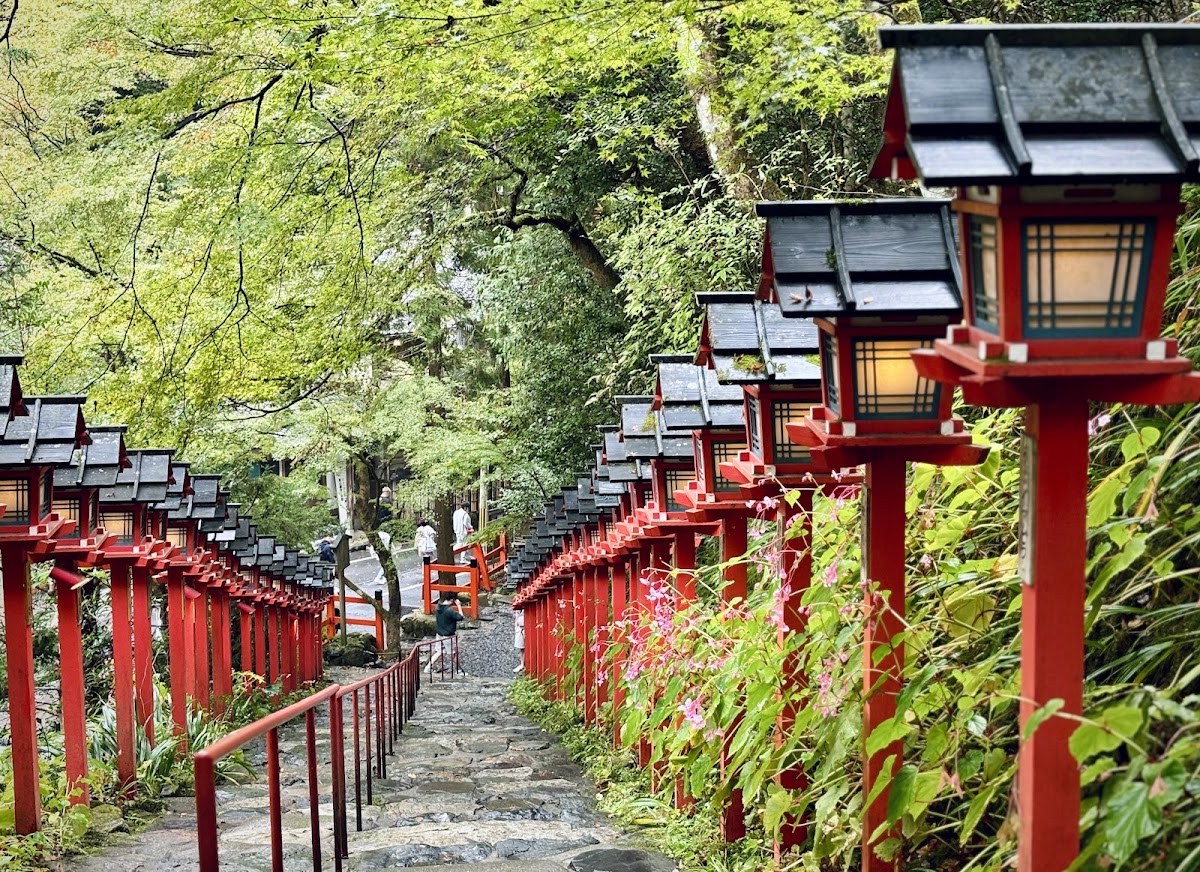
Within the grounds, one can stroll while listening to the gentle murmur of clear streams. The sound of water has a calming effect on the heart. Particularly in summer, many visit seeking coolness, and it becomes a healing space away from urban bustle.
Natural Beauty of the Four Seasons
The grounds of Shimmyōin are surrounded by abundant nature, displaying a different character with each season.
In spring, fresh greens sprout and landscapes full of vitality spread out. When mountain cherry blossoms bloom, pale pink colors grace the grounds.
Summer is wrapped in deep green, with refreshing clear waters. The voices of cicadas and the sound of water intertwine, allowing one to enjoy the atmosphere unique to mountain temples in summer.
The autumn foliage season is when Shimmyōin is most vibrant. Maples and Japanese maples turn red and yellow, creating a magnificent landscape in contrast with the cave and clear waters. Unlike famous foliage spots in the Kyoto urban area, one can appreciate the autumn colors in quiet solitude.
In winter, the snow-covered grounds are wrapped in a fantastical atmosphere. The snow-clad Iwaya Fudō appears even more mystical.
An Unexpected Connection to Princess Mononoke
Shimmyōin has an intriguing connection to Studio Ghibli’s masterpiece anime “Princess Mononoke.” There remains an anecdote that writer Shiba Ryōtarō experienced something mysterious when staying at Shimmyōin’s lodging temple. When he recounted this experience to director Hayao Miyazaki, it is said to have inspired “Princess Mononoke.”
Indeed, the primordial nature and mystical atmosphere of Shimmyōin overlap with the worldview of “Princess Mononoke.” The setting of deep forests, clear water, and a sacred domain at the boundary between humans and nature mirrors the very character of Shimmyōin.
While the veracity of this anecdote is uncertain, it is undeniable that Shimmyōin possesses a spiritual atmosphere that stimulates creators’ imaginations.
Access Methods to Shimmyōin
Using Public Transportation
Since Shimmyōin is located deep in the mountains, away from the Kyoto urban area, access requires care.
Combining Subway and Bus
- Exit at “Kitaōji Station” on the Kyoto City Subway Karasuma Line
- Board the “Mokumoku-gō” (jumbo taxi) from the station front
- Get off at “Kumogahata Iwayabashi” bus stop
- Walk approximately 20 minutes from the bus stop
The Mokumoku-gō is a reservation-based shared taxi with limited service (approximately 2 round trips per day). It is recommended to check the schedule in advance and make a reservation.
Bus from Demachi Masugata Station
Route buses also operate from Keihan Electric Railway’s “Demachi Masugata Station,” but service is extremely limited, making it essential to check the timetable.
Using Private Vehicle or Rental Car
Since public transportation is limited, visiting by private or rental car is most convenient.
Route from Kyoto Urban Area
- Head north on Kitaōji Street and proceed along the Kamo River
- Follow signage toward the Kumogahata area
- Ascend the mountain road and proceed following Shimmyōin signs
- Travel time: Approximately 50 minutes from Kyoto Station, approximately 30 minutes from Kitaōji Station
Mountain roads are narrow and winding, so drive with care. Especially in winter, check road conditions beforehand due to possible snow and ice.
Parking
Shimmyōin has parking available for visitors. However, during busy seasons such as autumn foliage, congestion is possible, so aim for early arrival.
Using Taxi
Taxis can be used from Kitaōji Station or Demachi Masugata Station. One-way fares run approximately ¥5,000–¥7,000. Consider also arranging a return taxi.
Viewing Information and Precautions
Basic Information
- Formal Name: Iwayasan Kinkōhōji Shimmyōin
- Address: 261 Kumogahata Detani-chō, Kita Ward, Kyoto City
- Phone Number: 075-406-2061
- Viewing Hours: 8:00–17:00
- Viewing Fee: ¥500
- Denomination: Independent Shingon Tradition Temple (Iwayasan Fudō Teachings Head Temple)
- Principal Deity: Fudō Myō’ō
Precautions When Visiting
Clothing and Equipment
Since Shimmyōin is located in the mountains with uneven terrain, comfortable, easy-to-walk clothing and shoes are recommended. Caution is especially necessary during rain or winter when surfaces become slippery.
Seasonal Precautions
- Summer: Bringing insect repellent spray adds to comfort
- Autumn: The foliage season may see crowding
- Winter: Cold-weather preparation and precautions against icy roads are necessary
- Spring: Those with hay fever should take preventive measures
Photography
Photography within the grounds is generally permitted, but some areas like the interior of the main hall are off-limits. Always follow on-site instructions. Remember to be considerate of other visitors.
Temple Lodging Experience
Temple lodging at Shimmyōin is available (by reservation). Participants can attend morning services and experience vegetarian Buddhist cuisine, enjoying quiet time unavailable in urban settings. For inquiries about lodging, contact the temple by phone in advance.
Nearby Attractions and Suggested Routes
Charm of the Kumogahata Area
The Kumogahata region where Shimmyōin is located retains abundant nature despite being within Kyoto City, making it a precious area. Other attractive spots are located nearby.
Historic Sites of Prince Korehito
Kumogahata is also known as a place associated with Prince Korehito (惟喬親王) of the Heian period. By visiting the historic sites where the prince is said to have lived in seclusion, one can reflect on the lives of Heian nobility.
Nature Hikes
Hiking courses along clear streams allow full appreciation of nature’s seasonal changes. The new green and autumn foliage seasons offer particularly spectacular views.
Recommended Sample Routes
Day Trip Route (by car)
- 9:00 Depart Kyoto urban area
- 10:00 Arrive at Shimmyōin, tour grounds and worship (2 hours)
- 12:00 Lunch in the Kumogahata area
- 13:30 Nature walk nearby
- 15:00 Begin return journey
- 16:00 Arrive back in Kyoto urban area
Temple Lodging Route
- Day 1: Arrive in afternoon, tour grounds, attend evening services, dine on vegetarian cuisine
- Day 2: Attend early morning services, breakfast, tour surrounding area, depart before noon
Cultural Value and Preservation Efforts of Shimmyōin
Transmission of Shugendō Traditions
Shimmyōin currently functions as a Shugendō practice site where traditional asceticism continues. Practices such as fire rituals and waterfall asceticism are rigorously maintained in the modern era, making the temple a living museum of Japanese religious culture.
Water Source Conservation Efforts
As the source of the Kamo River, Shimmyōin actively engages in water source conservation. Forest management within the grounds and water quality preservation are important activities directly linked to the lives of Kyoto City residents downstream.
Value as Cultural Property
Shimmyōin’s principal Fudō Myō’ō statue and other Buddhist statues, along with ancient documents, are preserved as valuable cultural properties. These serve as important materials for research in Japanese religious art history and history studies.
The Significance of Visiting Shimmyōin
Modern society is filled with information overload and stress. In such an age, the value of places like Shimmyōin increases.
By departing from urban noise, listening to the sound of clear water, and placing oneself in a sacred domain with over a thousand years of history, one can restore peace of mind. Shimmyōin provides an ideal environment as a place for digital detox and for spending time in self-reflection.
The inconvenience of access paradoxically serves as a barrier protecting this place’s sanctity. Precisely because it is not easily reached, the sense of wonder upon arrival is heightened.
Conclusion: Experience Kyoto’s Hidden Sacred Site
Among Kyoto’s many temples, Shimmyōin holds a special place. It possesses multifaceted charm: En no Gyōja’s founding, Kōbō Daishi’s distinguished revival, geographical importance as the Kamo River source, its present status as a sacred Shugendō site, and even its unexpected connection to “Princess Mononoke.”
While visiting requires some effort, the experience gained is profound and will remain in your heart. Whether visiting during autumn foliage’s beauty, summer’s cool, winter’s stillness, or spring’s vitality, Shimmyōin welcomes all visitors warmly.
For those tired of standard Kyoto tourist routes, those wanting to know true Kyoto, and those seeking peace of mind, Shimmyōin is an ideal destination. Why not extend your reach slightly on your next Kyoto trip and visit this hidden sacred site? The clear water and mystical atmosphere will surely soothe your heart.
-800x450.jpg)
-800x450.jpg)
-800x450.jpg)