
Togakushi, Nagano Prefecture Complete Guide | Thorough Explanation of History, Tourism, Gourmet, and Four Seasons’ Charm
Togakushi, located in the northwestern part of Nagano Prefecture, is one of Japan’s premier tourist areas spanning a highland plateau at an altitude of around 1,200 meters, where history and nature harmonize. Known as a place associated with the legend of Ama-no-Iwato (the heavenly rock cave), Togakushi flourished as a spiritual sanctuary from the Heian period onward. Though incorporated into Nagano City in 2005, it continues to preserve its unique culture and charm to this day.
The Togakushi area spans 9.9 km east-west and 20.1 km north-south, covering a total area of 132.76 ㎢, surrounded by the Togakushi Mountain Range comprising Togakushi Mountain, Kuzuryu Mountain, Takamatsu Mountain, and Nishi-dake. Designated as part of Myoko-Togakushi Renzan National Park, the area captivates visitors with breathtaking scenery throughout the four seasons.
Togakushi’s History and Culture
The Ama-no-Iwato Legend and History as a Spiritual Sanctuary
Togakushi’s history is deeply connected to the Japanese mythology of the “Ama-no-Iwato legend.” According to tradition, when the goddess Amaterasu Ōmikami hid in the heavenly rock cave, the rock cave thrown by Ame-no-Tajikarao became Togakushi Mountain. From this mythological background, Togakushi has been revered as a sacred mountain since ancient times.
During the Heian period, it developed as a sacred site of the Shugendo practice, and as Togakushi-san Kenkōji Temple, it became a major religious power with as many as 3,000 warrior monks at its peak. During the Edo period, it was called Togakushi Sanzen-bō (three thousand temples), flourishing as a spiritual sanctuary with many pilgrims visiting from across the country.
Following the Meiji-era separation of Shinto and Buddhism, it was reorganized as Togakushi Shrine, but the faith and culture cultivated over its long history continue to be passed down today.
From Togakushi Village to Nagano City
Togakushi was formerly an independent municipality called Togakushi Village in Kamiminochi County, Nagano Prefecture. At its peak, it had a population of around 10,000, but as depopulation progressed, it merged with Nagano City on January 1, 2005 (Heisei 17). The current population is around 4,000, yet it welcomes many visitors throughout the year as a tourist destination.
Even after the merger, centered on the Togakushi District Residents’ Autonomous Council, efforts continue to preserve the region’s history and traditions while creating new attractions.
Togakushi Shrine | A Power Spot Carved in Two Thousand Years of History
Five Shrines Comprising Togakushi Shrine
Togakushi Shrine is composed of five shrine groups: Okumiya (Inner Shrine), Chūsha (Middle Shrine), Hōkōsha, Kuzuryūsha, and Hinomikossha. Each enshrines different deities and possesses its own history and role.
Okumiya enshrines Ame-no-Tajikarao and serves as the central figure of Togakushi faith. The approach path features a cedar-lined avenue spanning approximately 500 meters with trees over 400 years old, creating a divine atmosphere. This cedar avenue, symbolizing Togakushi, captivates many photographers and tourists.
Chūsha enshrines Ame-no-Yakokoromitsuki-ne-no-mikoto and is revered as the god of wisdom. Many visitors come seeking academic success and business prosperity.
Hōkōsha enshrines Ame-no-Taruashihiko-no-mikoto and is cherished as a guardian deity for women and children. The main hall is located atop a stone staircase of over 270 steps, and the sense of accomplishment after visiting is exceptional.
Kuzuryūsha enshrines Kuzuryū Great Deity and is venerated as the god of water and rain-bringing. It is said to bring benefits for matchmaking and fulfillment of wishes.
Hinomikossha enshrines Ame-no-Uzume-no-mikoto and is known as the deity of dance and performing arts. Visitors come seeking improvement in artistic skills and matchmaking blessings.
Pilgrimage Tips and Required Time
When visiting all five shrines of Togakushi Shrine, allow approximately 3 to 4 hours. Particularly, the approach path to Okumiya is about 2 km one-way, requiring 1.5 to 2 hours round-trip. Comfortable clothing and walking shoes are recommended.
During winter (December to April), snow accumulates and the Okumiya approach becomes snowy. Snowshoes or crampons may be necessary, so check information with the Togakushi Tourism Association in advance.
Togakushi’s Nature and Outdoor Experiences
Togakushi Mountain Range and Mountaineering
The Togakushi Mountain Range comprises Togakushi Mountain (1,904m), Takamatsu Mountain (2,353m), Nishi-dake (2,053m), and other peaks, offering mountaineering courses suited to all levels from beginners to advanced climbers.
Togakushi Mountain features many rocky sections with chain-assisted climbs, making it suitable for advanced climbers. Thrilling ridge walks such as the “Ant Tower Crossing” and “Sword-blade Crossing” are available.
Takamatsu Mountain is one of Japan’s 100 Famous Mountains, with a 8 to 10-hour round-trip course for experienced hikers. From the summit, a 360-degree panorama including the Northern Alps and Myōko Mountain unfolds.
The mountaineering season runs from late May through late October, with autumn foliage season (late September to mid-October) drawing many climbers.
Togakushi Forest Botanical Garden
Established to commemorate the 15th National Afforestation Conference held in May 1964 (Showa 39), Togakushi Forest Botanical Garden spans 71.34 hectares.
The garden is divided into sections such as “Plant Observation Garden,” “Fir Tree Garden,” and “Skunk Cabbage Garden,” connected by walking trails. Particularly impressive is the profusion of skunk cabbages from late April through mid-May, with approximately 810,000 plants displaying white flowers.
Also known as a bird-watching spot, various wild birds can be observed year-round. It is a healing space where visitors can enjoy forest bathing and refresh both body and mind.
Kagami Pond | A Spectacular Spot Reflecting the Togakushi Mountain Range
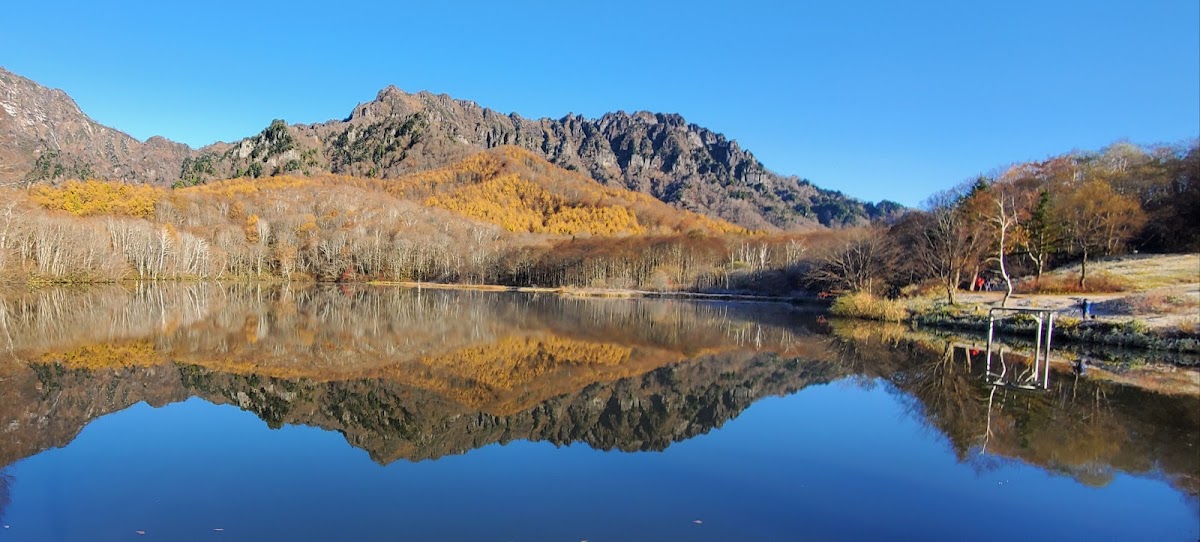
Kagami Pond is a popular spot among photographers and camera enthusiasts for its spectacular view of the Togakushi Mountain Range reflected in the water’s surface. Particularly on calm, windless early mornings, Togakushi Mountain’s reflection in the lake creates a mirrored, fantastical landscape.
During autumn foliage season (early to mid-October), the contrast between the colored trees and Togakushi Mountain is beautiful, attracting many tourists. The walk from the parking lot takes only about 5 minutes, offering good accessibility.
Togakushi Soba | Savoring the Famous Local Specialty
History and Characteristics of Togakushi Soba
Togakushi soba is a particularly famous brand soba within Shinshu soba. Its history dates back to when mountain ascetics practicing at Togakushi Mountain cultivated buckwheat as portable food for their mountain training.
The distinctive feature of Togakushi soba is a unique presentation method called “bocchi-mori” (bundle arrangement). A single bite-sized portion of soba is bundled and arranged radially on a round sieve, creating beautiful plating that is enjoyable to view. This presentation method is said to have originated from ascetics dividing portions for easy portability.
Togakushi’s cool climate, clear water, and significant daily temperature variation produce fragrant, flavorful soba. Many soba restaurants prioritize the “three fresh” principle (freshly ground, freshly hand-rolled, freshly boiled), allowing visitors to enjoy authentic hand-made soba.
Recommended Soba Restaurants
The Togakushi area has over 30 soba restaurants, each with unique methods and particular commitment to quality. Many soba restaurants concentrate around Togakushi Shrine’s Chūsha (Middle Shrine), allowing for comparative tasting.
Popular restaurants often have lines during lunch hours, so visiting shortly after opening or after 2 p.m. is recommended. Additionally, facilities offering soba-rolling experiences allow visitors to enjoy soba they have made themselves.
Togakushi’s Charm Throughout the Four Seasons
Spring | Season of Skunk Cabbages and Fresh Green Leaves
From late April through May, skunk cabbages reach their peak bloom in Togakushi Forest Botanical Garden. The sight of approximately 810,000 skunk cabbages blooming is spectacular, attracting many tourists. White skunk cabbages blooming in wetlands where snowmelt water flows are a harbinger of spring.
From mid-May onward, fresh green foliage creates a beautiful season ideal for forest bathing and hiking. The Togakushi Shrine approach is enveloped in greenery, allowing for refreshing visits in pure air.
Summer | Togakushi as a Summer Resort
Positioned at an altitude of around 1,200 meters, Togakushi remains cool even in summer, making it popular as a summer resort. Even in midsummer, high temperatures are around 25 degrees Celsius, though mornings and evenings can feel chilly.
From July through August, alpine plants bloom abundantly, marking the best season for mountaineering and trekking. Togakushi Campground allows visitors to enjoy camping under a starry sky.
Autumn | Magnificent Autumn Foliage
From late September through mid-October, Togakushi reaches its peak autumn foliage season. The Togakushi Mountain Range’s peaks turn brilliant red and yellow, and Kagami Pond offers spectacular views of foliage and Togakushi Mountain reflected in the water.
The contrast between the cedar avenue of Togakushi Shrine’s Okumiya and autumn foliage is magnificent, attracting many photographers. This period experiences particular crowding, making early morning visits recommended.
Winter | Skiing and Snowy Landscapes
Togakushi Ski Area is popular as a ski slope with easy access from Nagano City. Courses suit skiers from beginners to advanced, offering powder snow enjoyment.
Winter Togakushi Shrine is covered in snow, enveloped in a mystical atmosphere. Snow-covered cedar trees lining the Okumiya approach create a mysterious winter beauty. However, heavy snowfall requires winter-appropriate gear as essential.
Access Information
Public Transportation Access
From Nagano Station
- Alpico Transport Bus “Togakushi Highland Line” approximately 1 hour
- Multiple bus stops including Togakushi Middle Shrine, Togakushi Hōkōsha, and Togakushi Campground
- Increased service during spring-to-autumn tourist seasons
From Zenkōji Temple
- Alpico Transport Bus approximately 1 hour 10 minutes
- Many tourists combine Zenkōji sightseeing with Togakushi visits
Driving Access
From Nagano IC
- Approximately 40 minutes via National Route 406
- Route passing through Nagano City center
From Shinano-machi IC
- Approximately 30 minutes via Prefectural Route 36
- Route using Togakushi Bird Line
Free parking areas exist near each Togakushi Shrine, but congestion occurs during autumn foliage season and weekends. The Okumiya parking area particularly fills early, so early arrival is recommended.
Lodging in Togakushi
Types of Accommodations
The Togakushi area offers diverse lodging types including hot spring inns, private lodges, pensions, hotels, and campgrounds.
Hot spring inns and hotels provide relaxing experiences with cuisine using local ingredients and hot spring bathing. Facilities such as Togakushi Hot Spring offer opportunities to soothe fatigue after mountaineering or trekking.
Private lodges and pensions feature homey atmospheres and home-cooked meals. Guests can enjoy regional flavors including Togakushi soba and local mountain vegetable cuisine.
Togakushi Campground, positioned at 1,200-meter altitude on a highland, features beautiful lawns and spacious sites. At night, camping under a starry sky amid nature provides unforgettable experiences.
Nearby Tourist Attractions
Based at Togakushi, visitors can explore surrounding tourist sites.
Zenkōji Temple is a representative Nagano tourist spot located about 40 minutes by car from Togakushi. Featuring the National Treasure main hall and the “Kaidan Meguri” underground passage tour, it offers abundant attractions.
Iizuna Highland is adjacent to Togakushi’s east side, offering Ōzafuhōshi Pond and Iizuna Mountain mountaineering.
Kigenari is located west of Togakushi, where Okususohana Natural Garden’s skunk cabbages and autumn foliage are beautiful.
Togakushi Tourism Model Courses
One-Day Course
9:00 Arrive at Togakushi Shrine Okumiya Parking Area
9:10 Begin Okumiya approach walk (walk through cedar avenue)
10:00 Visit Okumiya
10:30 Visit Kuzuryūsha
11:00 Move to Chūsha
11:30 Visit Chūsha
12:00 Lunch at Togakushi soba restaurant
13:30 Walk around Kagami Pond
14:30 Stroll through Togakushi Forest Botanical Garden
16:00 Begin return journey
1-Night, 2-Day Course
Day 1
Morning: Arrive at Nagano Station → Visit Zenkōji Temple
Afternoon: Travel to Togakushi → Visit Chūsha and Hōkōsha → Lunch at Togakushi soba restaurant
Evening: Check into lodging → Relax in hot springs
Day 2
Early morning: Visit Okumiya (enjoy the peaceful early morning atmosphere)
Morning: Stroll through Togakushi Forest Botanical Garden
Midday: Photography at Kagami Pond → Lunch
Afternoon: Depart Togakushi → Return to Nagano Station
Notes and Etiquette for Togakushi Tourism
Clothing and Equipment
Togakushi’s high altitude means cooler temperatures than lowlands, requiring seasonally appropriate clothing. Even in summer, early mornings and evenings are chilly, so bring a jacket.
The Okumiya approach stretches about 2 km one-way, making comfortable walking shoes essential. Particular caution is needed during rain or winter when surfaces become slippery.
Nature Conservation and Etiquette
Togakushi, designated as part of Myoko-Togakushi Renzan National Park, requires nature protection emphasis. Always take litter with you, and plant and animal collection is prohibited.
Togakushi Shrine is a sacred place. Behave respectfully and quietly during visits. Avoid loud voices or noise near the cedar avenue.
Best Seasons and Congestion Information
Togakushi offers attractions year-round, but particular popularity peaks during autumn foliage season (late September to mid-October) and skunk cabbage period (late April to mid-May). These periods experience heavy congestion, making early morning visits and weekday use recommended.
Winter brings heavy snowfall and potential road closures. When visiting in winter, check road conditions with the Togakushi Tourism Association in advance.
Experience Togakushi’s Charm
Togakushi is Nagano Prefecture’s premier tourist area where history, nature, food, and culture harmonize. From the sacred Togakushi Mountain with its heavenly rock cave legend, to Togakushi Shrine carving two thousand years of history, to the famous Togakushi soba and four-season spectacular views, each visit reveals new discoveries.
Togakushi offers enjoyment whether visiting for a day or staying overnight, providing a healing space for both body and mind. Its appeal is also enhanced by excellent accessibility—approximately one hour from Nagano Station. Many tourists combine it with Zenkōji sightseeing, making it a standard Nagano travel destination.
Togakushi Tourism Association’s official website offers current event information, access details, and tourism materials. Check before visiting to plan a fulfilling Togakushi trip.
A path of prayer, a grove of healing—Togakushi awaits. Why not experience Togakushi’s charm yourself?
-800x450.jpg)
-800x450.jpg)
-800x450.jpg)
-800x450.jpg)